Michelin Guide New Zealand – blood, snubs and Queenstown’s many stars
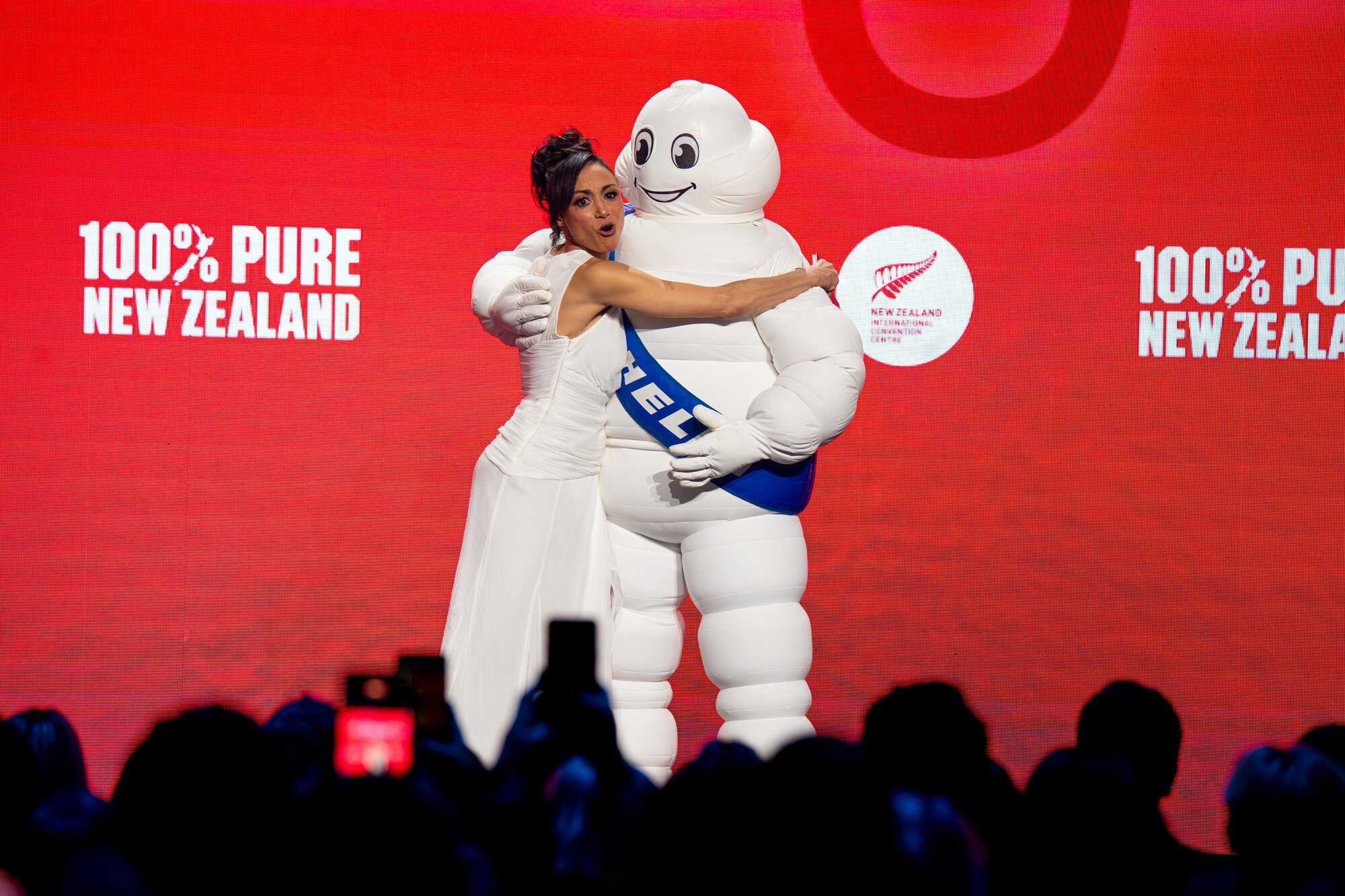
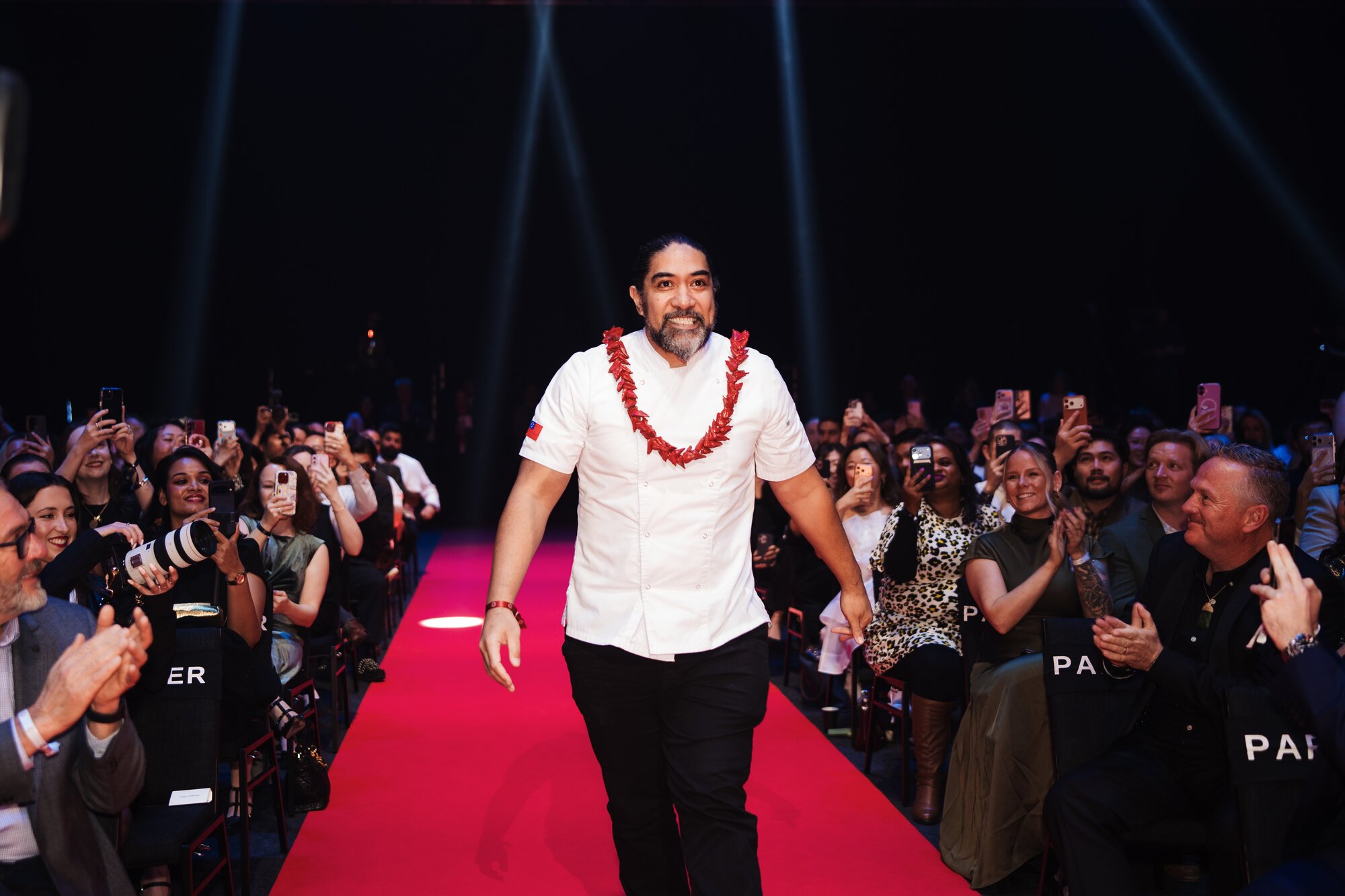
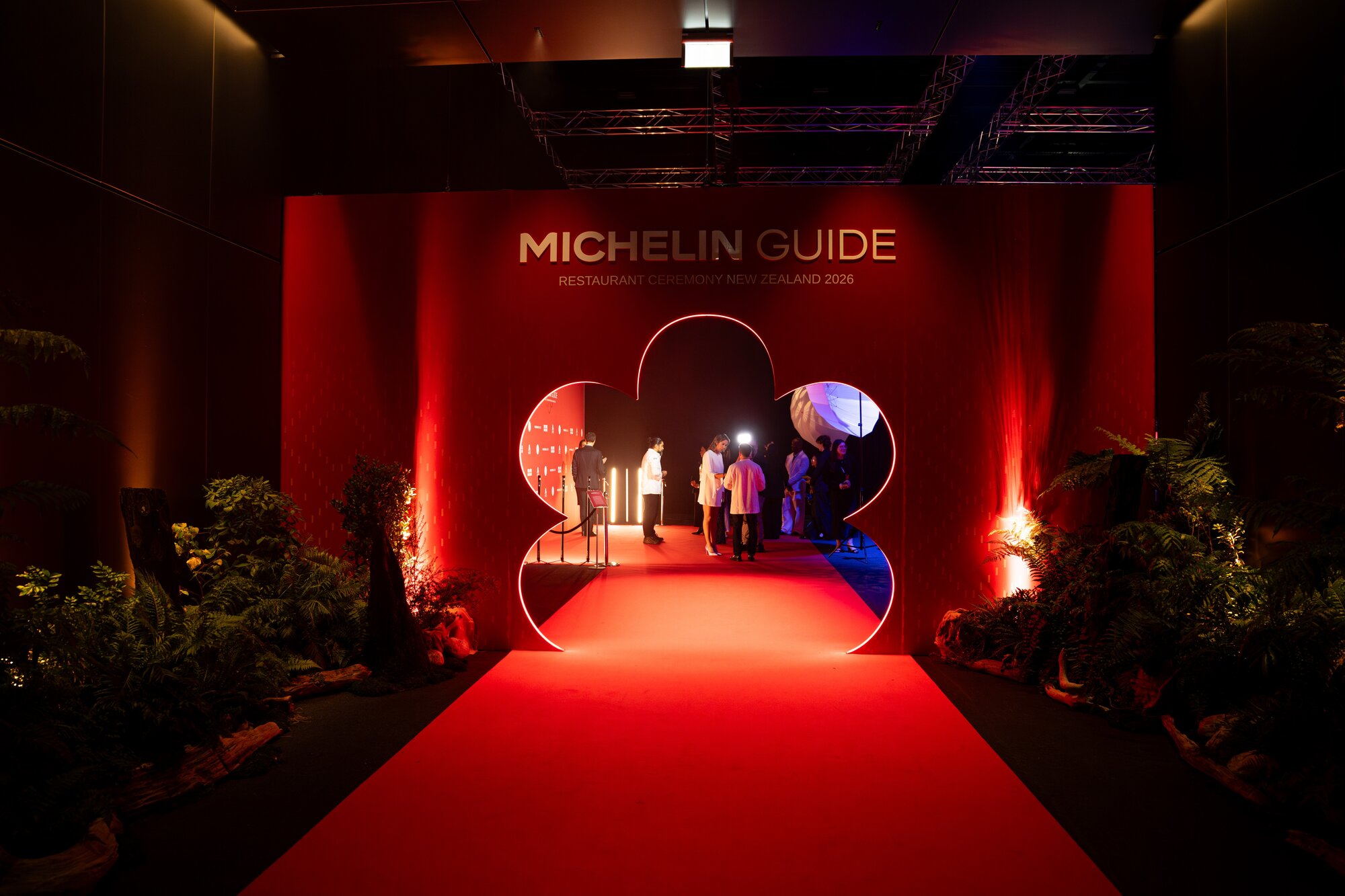
The Sky Tower was red and so was the carpet. The pandanus seed ula fala around Henry Onesemo’s neck was red and so was the blood on his hand.
“I tried to hide down the back,” the executive chef and co-owner of Tala, the first Michelin-starred Samoan restaurant in the world, said. “And then I really did hide.”
Onesemo literally dropped out of sight (and down the back of the stage) during the group photo shoot, but – scraped knuckles aside – the rest of the night was his.
Blood. Sweat. Tears.
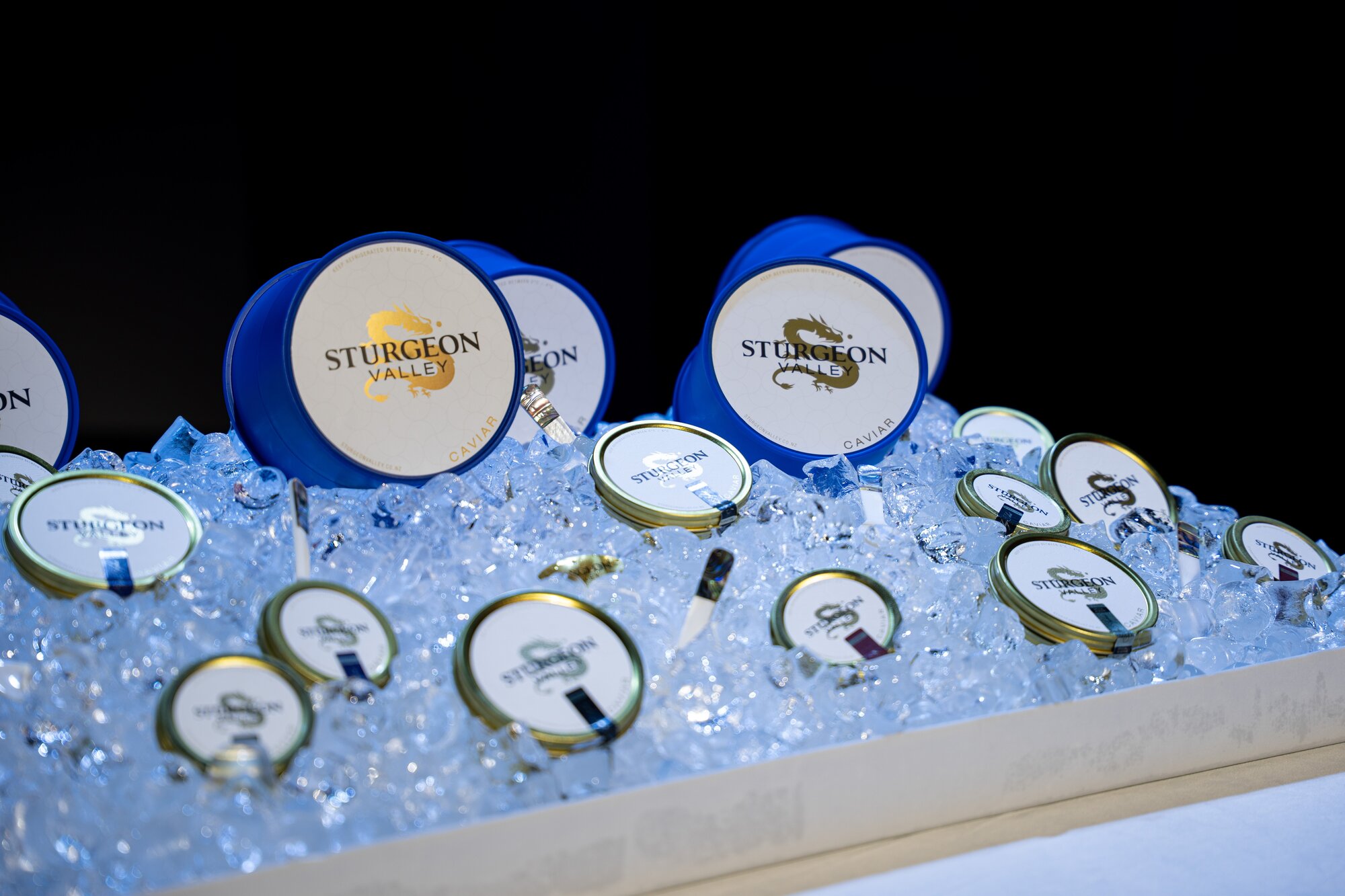
New Zealand’s first Michelin Guide restaurant ceremony served all of the above plus 7.2kg of caviar.
Media seats outnumbered chefs. “Do you have any alcohol?” asked an early guest. But the Quartz Reef methode traditionnelle was strictly on ice until after the ceremony.
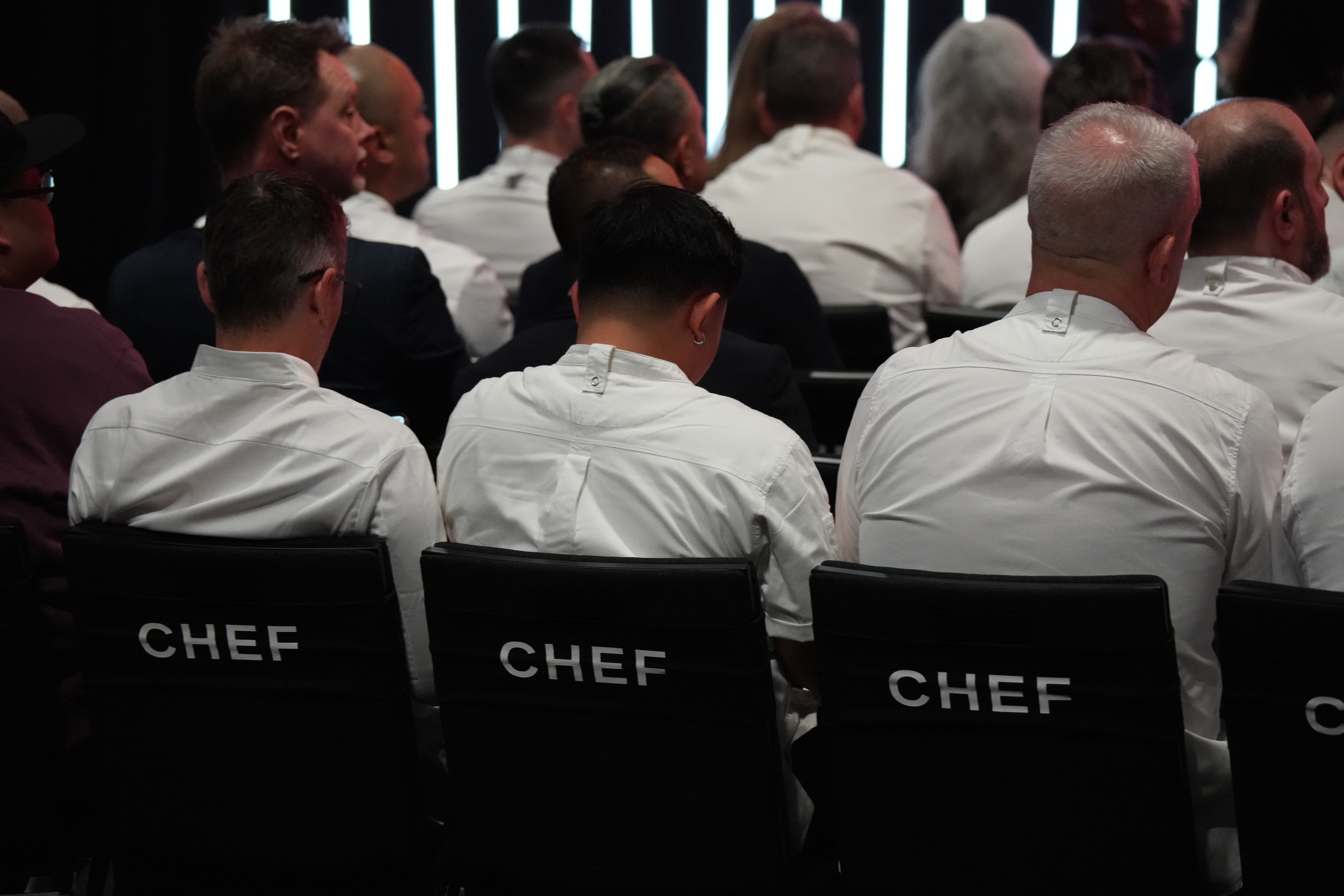
Would any restaurant get a star? When Saudi Arabia joined the Michelin Guide last year, it didn’t get a single one in its first round of inspections.
The ceremony started at 5pm and, 90 minutes later, 15 New Zealand restaurants had star distinctions – including the only two-star award of the night to Queenstown’s Essence.
An overhead camera roamed the room. A reality television-style soundtrack played over and over. Chef Paul Froggart had already decided he’d missed out; that Essence, which only opened seven months ago, was not yet on Michelin’s radar and really, he was just happy to be here.
What does it mean to have two stars? First, you phone your wife. Then, you tell the media, “it means continue. Keep going”.
Bib Gourmands (good quality cooking at great value) went to 35 restaurants and 60 more restaurants made the Michelin “selection” list – the first rung of a ladder that has evolved considerably since 1900, when a French tyre company issued a guide encouraging drivers to take more road trips.
Michelin noted it was rare to award such a quantity of stars in a country’s inaugural launch.
Overheard: “If this is a true international mirror of our hospitality ecosystem, we really do have something that we haven’t told ourselves yet.”
Or, to paraphrase: enough with tall poppy syndrome. Because, in the true New Zealand spirit of self-disbelief, the other thing overheard quite a bit last night was “did we get too many?”
Taste is subjective, but the Michelin inspector is allegedly not. These spectral critics maintain total anonymity. We are told (though have no proof) that inspectors eat more than 300 restaurant meals annually, and that every decision is made as a team.
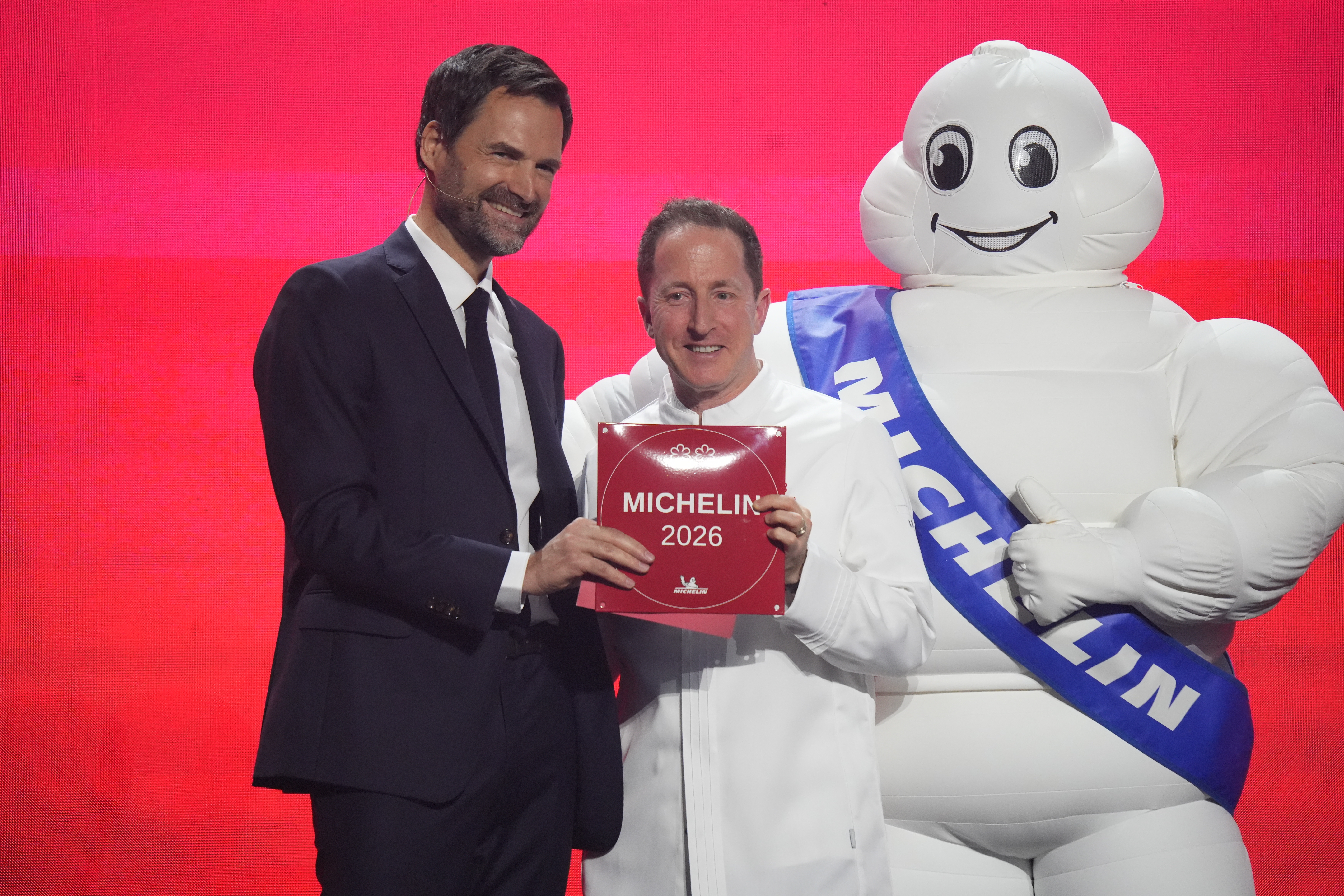
Ask Gwendal Poullennec, the guide’s international director, where he dined in Auckland and he “will not focus on that. I always would like to avoid the confusion between what could be my experience and the inspector’s experience ... the inspectors are much more savvy about New Zealand food than I am”.
Last night, everybody had a critical opinion.
Did Aarth (Parnell) and Return (Ponsonby) simply open too recently to make the cut? Where were Cocoro and Culprit? How did Onslow miss a star? How did Britomart’s Amano not even make “selected”?
In Wellington, Hillside Kitchen’s loyal customers direct-messaged their dismay; Christchurch’s Mapu was not on the list but, in a competition that counts consistency as key criteria, maybe describing your six-seater as “an experimental kitchen, not a restaurant” counts against you?
Forest’s Plabita Florence was one of six New Zealand chefs to claim a “knife” at the recent Best Chef awards in Milan, but she spent last night in her Dominion Rd restaurant making her own stars out of persimmons.
Lucas Parkinson from Piha’s Aryeh pre-empted the ceremony, with an Instagram post advising he had not been invited to the ceremony.
“We didn’t make the cut ... And that was my Hail Mary throw. Where we go from here, we’ll see. We still have Aryeh, we still plan to keep operating. It’s just a blow. It hurts ... onwards and upwards. We keep going on and focus on the most important things in life, and that’s family and your health. Your friendships, your relationships – and eating good food.”
More bad optics? Chef Al Brown has been vocal about the pros and cons of Michelin’s arrival. He might not have expected a distinction, but he has been a champion of New Zealand’s food scene forever – people like him should have been seen in this historic room.
There was no Prime Minister and no Mayor of Auckland but his deputy Desley Simpson said Ahi (one star) was one of her personal favourite restaurants and, “For the likes of Henry [Tala] in the biggest Polynesian city in the world, to get one Michelin star is so incredibly special for our Pasifika community, for our city, for Tāmaki Makaurau”.
(She did pronounce “Michelin” with a “t” but the evening had form – earlier, host Sonia Gray had done the same thing to “confit”).
Speaking of speaking about food. How about that pāua chawanmushi from visiting international Michael Cimarusti’s three Michelin-starred Los Angeles restaurant Providence?
“F***ing awesome,” said Shaun Clouston hot off the back of receiving a star for Wellington’s Logan Brown. He frowned. “That’s swearing.” Do they not do that in kitchens? “Can’t say I’ve heard it before ...”
Six “presenting chefs” and their Michelin-starred restaurants fed the post-match crowd. Nobu Lee (Nobuo, Taiwan), Ben Bayly (Ahi), Clouston (Logan Brown), Chris Scott (Sherwood) and Onesemo (Tala) made a strong case for canapes as the main event, whole baby blackfoot pāua as something I would like to eat daily, and whitebait as an unexpected vehicle for a very smart palusami.
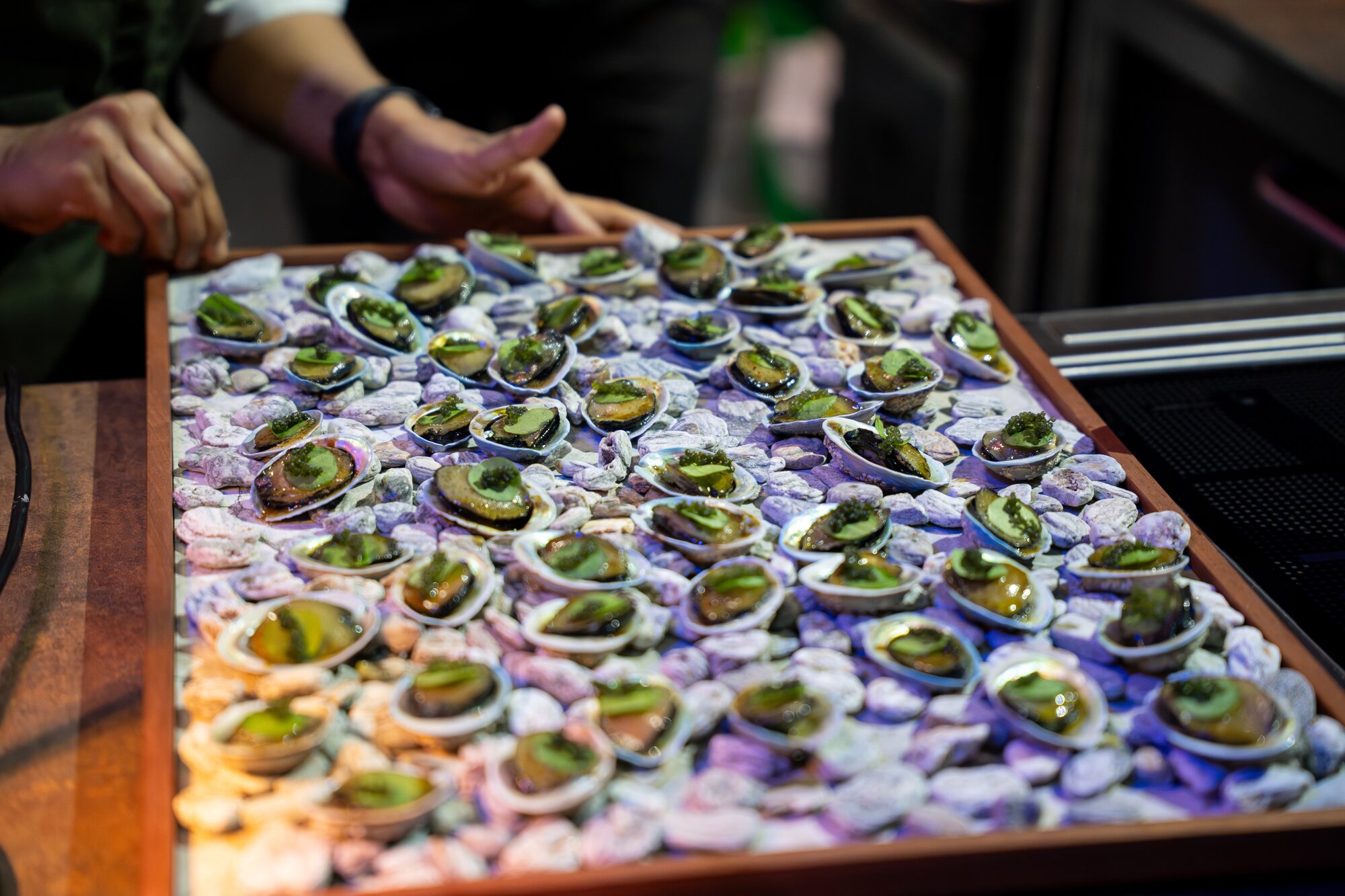
Walk and talk. Talk and fork. The room was soaked in truffles, but if you wanted water, it was in the dispenser in the corner by a pile of paper cups.
Ortega’s head chef Teresa Pert (one of the few women on stage) was looking for a misplaced Michelin plaque; food writer Lauraine Jacobs thought “there were some chefs that 100% deserve the accolades they were given” but I think the implied emphasis in that sentence was the “some”.
Nick Honeyman flew in the day before and was going home to France the day after with one star on home turf for Paris Butter, the restaurant he co-owns with chef Zennon Wijlens and their respective partners. They wore sharp jackets over chef whites. “Hugo Boss,” Honeyman confirmed. “Not sponsored but open to it.” They smelled good. “Tom Ford,” Honeyman said. “Heineken,” said Wijlens, who was planning to frame his Michelin presentation jacket and today added a Michelin-meets-Aotearoa tattoo to his ink collection.
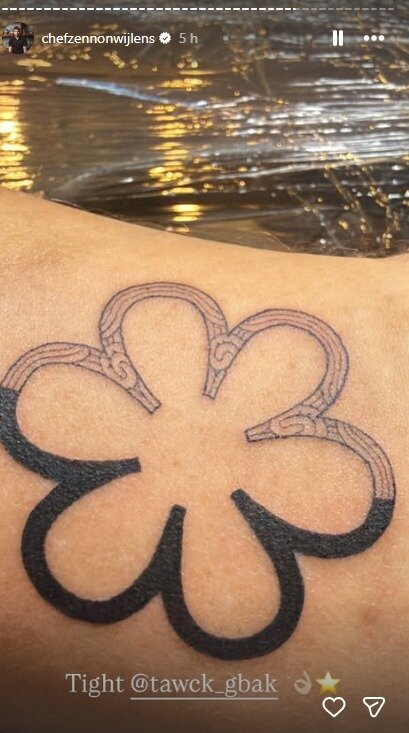
(Fun facts: chefs only ever get one Michelin jacket, even if they keep their star the following year. There will be no hard copy red Michelin Guide book for New Zealand – it’s only physically printed in “historic” territories such as France. The digital version is, however, available in 15 languages.)
Tourism New Zealand invested an initial $6.3 million in three years’ worth of guides for Auckland, Wellington, Christchurch and Queenstown. Its spending will push up to $8m with the global “invitation to dinner” campaign launched off the back of last night’s ceremony.
“It’s a drop in the bucket,” Wijlens said.
“Think about all our young chefs that leave New Zealand to go and work in starred restaurants, and now they can stay here,” Honeyman said. “We’ve got Formula One cars in New Zealand – we just haven’t had the track. Now they’re on the world track.”
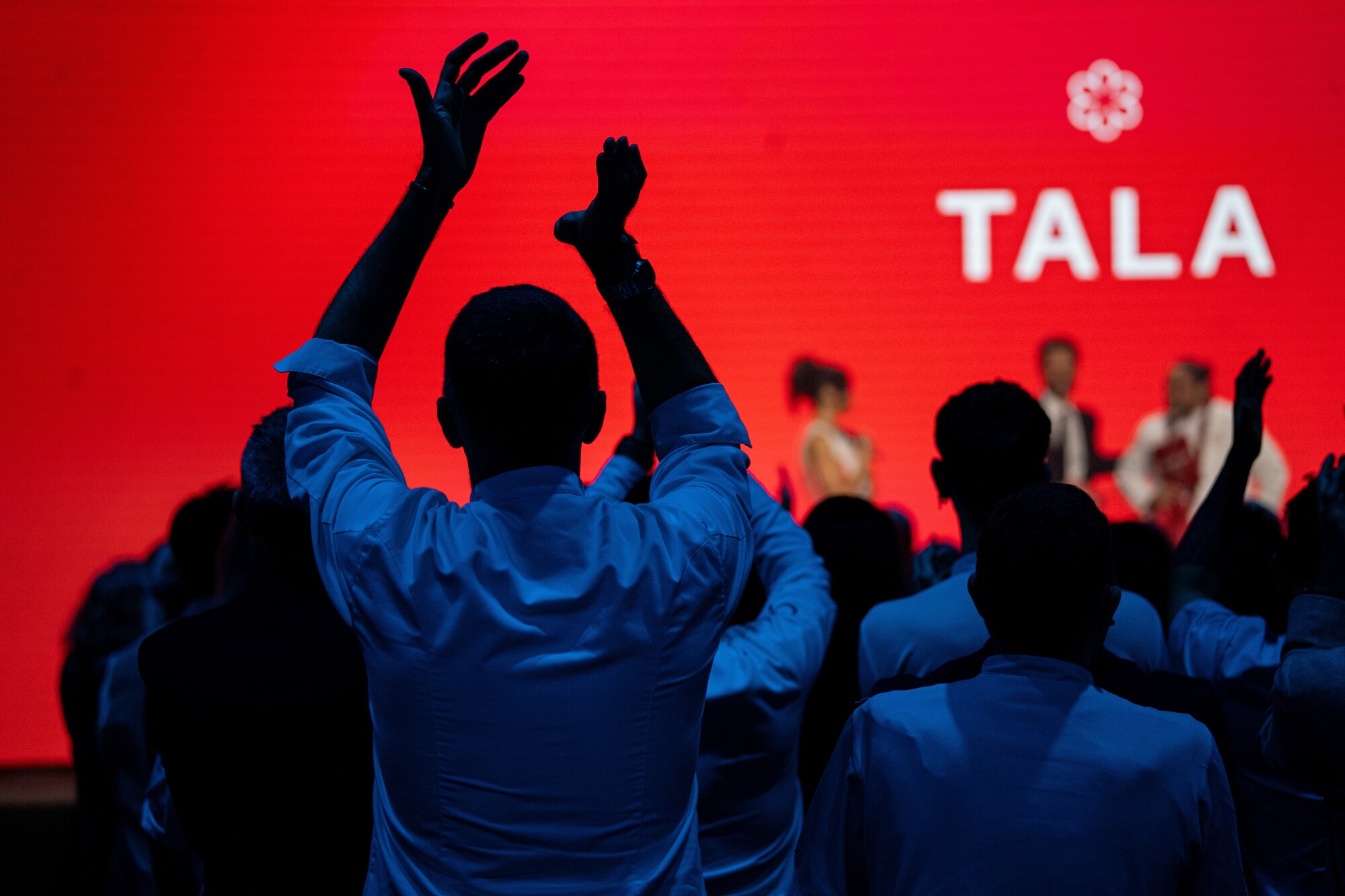
Tears? When Onesemo’s Tala took the first star of the night, and Tempero’s chef and co-owner Fabio Bernardini leapt to his feet, it set off an emotional standing ovation. Earlier, the big screen close-ups of chefs from restaurants that had made the Bib Gourmand and select lists demonstrated the power of Michelin.
Shivam Chhibber was born in Agra, India. He returned to his seat sobbing after Soul Quarter picked up one of Christchurch’s 10 Bib Gourmands.
“I come from a very humble background. I’m the only chef in my entire family,” he said. “I was holding myself because it took me 15 years to reach what I achieved today ... I chose my own journey. I started when I was 17, and I’m here in New Zealand, the most happy person here right now.”
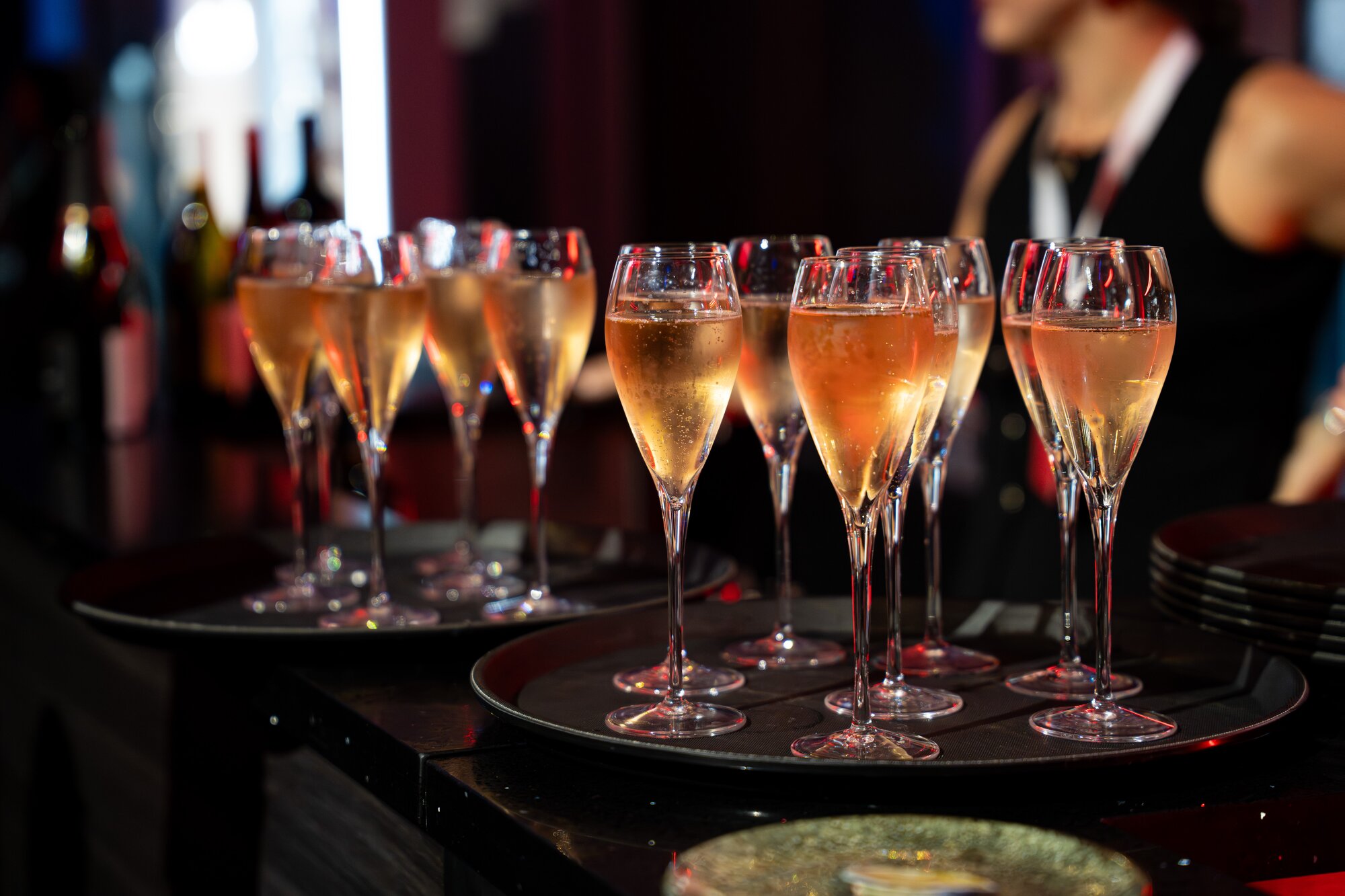
(Sweat? I imagine it was quite cosy inside the white puffer jacketed onesie worn by the Michelin Man mascot or, to use his correct name “Bibendum”, which, according to Wikipedia, means “now is the time to drink” – a slogan taken to heart by Vodka sponsor The Reid. Bartender Harry Findlay confirmed he had 30 litres, or enough for about 1000 drinks, on-hand.)
What does the morning after Michelin look like?
Michelin Guide’s Poullennec told the Herald stars could change a chef’s professional trajectory.
“You can be bankable in any other star restaurant in the world. Your name starts to have real value. It’s a passport to liberty ... a recognition of your talents and it has much more power than any kind of marketing.”
In a statement before the ceremony, Michelin had also told the Herald: “Distinctions are awarded to restaurants, not to individuals. They recognise the collective commitment of an entire team and do not constitute an endorsement of any individual’s conduct or managerial practices, nor of the working conditions within an establishment.”
See also: Amisfield?
The restaurant formerly run by executive chef Vaughan Mabee (recently subject to investigations of serious workplace misconduct) was the final one star announcement of the evening.
It was accepted by long-serving pastry chef Becky Sheffield and head chef Sun Peng, who told us after the ceremony, it was “definitely for the team, past and present”.
I’m still digesting my Michelin night.
You could count the number of women on that big stage on one hand. There was a Craggy Range branded pen in the goodie tote bag but under the current partnership agreement it will never be eligible for a star, because Michelin is only present in four centres.
Last year, Tourism New Zealand said an estimated 64% of the country’s hospitality outlets were located in the four regions that would be covered by the inaugural guide – 7785 in Auckland, 2556 in Canterbury, 2058 in Wellington and 384 in Queenstown.
In absolute numbers, Auckland took the lion’s share of last night’s distinctions; a total of 46 restaurants were recognised, against 26 in Queenstown, 22 in Wellington and 16 in Christchurch.
The southernmost reach of the country’s first guide punched harder when you consider those numbers on a per capita basis, or as a percentage of total restaurants eligible for assessment.
Auckland and Queenstown now have five Michelin-starred restaurants apiece – and the latter edges out the former, given Essence’s two stars.
Is there more money in the south? Better access to higher-end produce? More focus on international visitor palates? More trained hospitality workers? Something in the water?
On stage, Sherwood’s executive chef Scott acknowledged he operated from a 1980s mock tudor Motor Lodge but the Queenstown landscape wasn’t a backdrop, “it’s the supplier”.
Rātā’s Fleur Caulton meanwhile, said her restaurant didn’t chase trends, but took its cue from “the seasons, the landscape and the exceptional produce of Southern New Zealand”.
Walk and talk, talk and fork. Some of the best reactions were the unguarded and unfiltered – the restaurant watch parties where entire kitchens exploded and the all caps expletives (we were looking at you, Gemmayze St and Apero, Auckland).
Today, the star dust was settling, the press releases were rolling out and I wondered how long before I was writing about another restaurant liquidation.
Because stars are nice. But when hospitality businesses closures are up 49% year on year, paying, returning customers are nicer.
Late last night, when the crowd had thinned, I was considering how to describe the very particular shade of Michelin red that dominated the night’s aesthetics.
“Shrewsbury,” someone replied. “It’s a kind of . . . superficial red.”
Time – and the Eftpos statements – will tell.
Kim Knight is a senior reporter on the New Zealand Herald’s lifestyle desk. She was a restaurant critic for Canvas magazine and has a Master’s in Gastronomy from AUT, Auckland.