Nic Watt speaks out after Cāntīng collapse and mounting hospitality losses
“A bad night looked like 10 people.”
Chef Nic Watt has never laid it bare like this. On Tuesday, while his peers donned their whites and celebrated Michelin’s arrival in New Zealand, he sat in an empty restaurant and listed all the ways he tried to save Cāntīng.
Change the menu, drop the prices. Takeaway lunch boxes, Uber Eats deliveries, contra deals for billboard campaigns. Loyalty cards, complimentary meals, corporate office lunch catering. Collabs, special dinners, direct engagement.
“We handed out flyers ...”
Personally?
“Yes, absolutely.”
Cāntīng went into voluntary liquidation this week. The 130-seater that opened in late 2024 as a contemporary Chinese restaurant in Auckland’s Commercial Bay is Watt’s third business collapse.
True Food and Yoga, the Tamaki Drive food and wellness venture he owned with his now ex-wife, closed in 2018 owing a reported $2.4 million. Japanese-Peruvian restaurant Inca, part of Westfield Newmarket’s rooftop complex, was liquidated in 2023 owing $1.1m.
On Friday, liquidators Waterstone were still reviewing Cāntīng’s company records but early indications showed debt was about $500,000, including $273,085 to Inland Revenue (IRD), $39,019 to trade creditors and $263,532 to a landlord (who had not yet claimed in the liquidation).
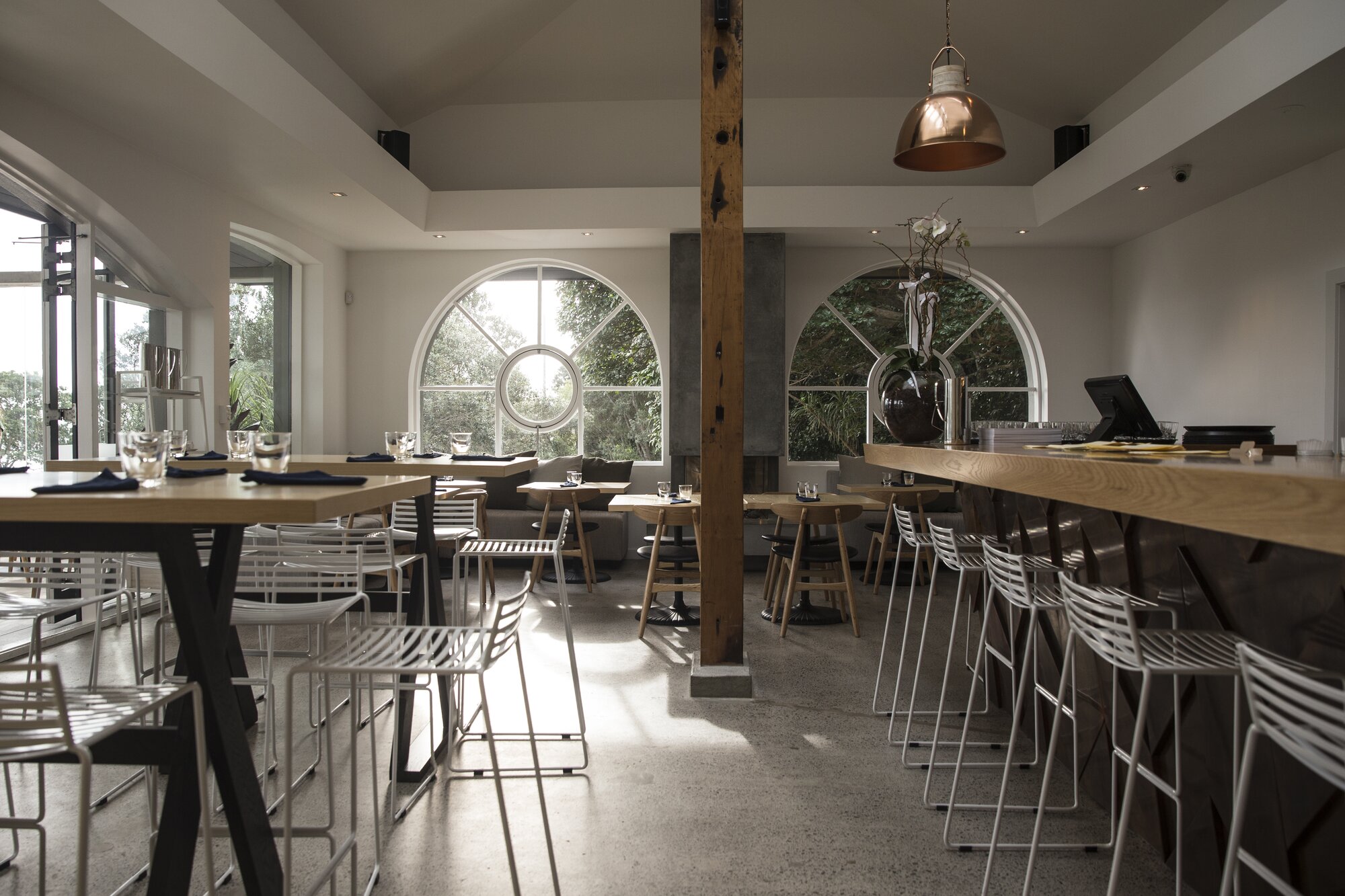
The Herald understands there is some IRD debt associated with Inca Ponsonby, which continues to trade and is not in liquidation. Waterstone said it was “in the low six figures”, a level it said was small “considering the industry and size of the restaurant”.
Sample social media response to the latest closure: “Must be nice to just constantly run up debt at the expense of your minimum wage employees, the taxpayer and other unsecured creditors and then just not pay, and start again.”
Watt has always read the comments. But this is the first time he’s responded to them so directly.
“I’m very, very private. I’ve always had the belief that silence is dignified.”
For the record, he says he paid fair market wages. Only “very, very junior staff were paid just above the minimum wage, as anybody would pay them”. Cāntīng’s restaurant manager had worked with him across three venues over eight years and he’d had the same head chef since opening.
“It’s certainly not time to hang up my boots. Absolutely not. I love what I do. I’ve got great teams that love what we do, and we’ve got a really, really loyal customer base that love what we do.”
Last Sunday, at 11.36pm, he processed all outstanding wages and holiday pay. At 11am on Monday, he assembled Cāntīng’s 19 staff and told them the restaurant was closing. In previous weeks, he had restructured his remaining restaurant, Inca Ponsonby, writing off some debt and maintaining it would be “business as usual” for staff and suppliers.
And now it’s Tuesday. Tonight, 110 restaurants will be named in the inaugural Michelin Guide New Zealand, at a ceremony soaked in caviar, truffles and hopes for the future of hospitality.
This morning, Watt sits in his restaurant Inca, trying to explain how he ended up with three failed businesses on his bottom line – and just how hard it is out there right now.
The 53-year-old father of two earned the “celebrity chef” label when he came home from London to open SkyCity’s Japanese robata grill restaurant Masu and fronted a six-episode television show Testing the Menu.
Masu launched in 2013. Prime Minister John Key helped crack open the ceremonial sake barrel; media reported chopstick table settings would be aligned with laser beams and, at the bar, deoxygenated ice cubes would be chipped by hand. Watt was described as “meticulous”. A man who kept track of the details.

“True Food and Yoga ... it was 75% yoga and health and 25% food ... the yoga model, the yoga studio, couldn’t sustain that venue and, as a result, the cafe component went down with it,” Watt says.
“I guess there was a lot going on. There was a marriage break-up. My kids were a priority. My daughter has lived with me since she was 12 ... I guess I go back to that ‘silence is dignified’ thing, and wrap my arms around my kids and look to rebuild.”
In 2019, when he opened Akarana Eatery (on contract, as a consultant) and Inca Newmarket (as a co-owner), Watt told his daughter 2020 was going to be “our year”.
“Covid arrived. I’ve got two brand new hospitality venues and the landscape has forever changed.”
Akarana is still standing. Inca Newmarket was five months old.
“Huge, huge, huge rentals ... with the landlord and the conditions and the demands, Covid killed that.”
The Auckland team he’d worked with to set up the restaurant was made redundant; all requests were now going through Westfield’s Sydney office and even when customers could come out, they didn’t.
“We would walk around the roof terrace and in every restaurant combined there was not enough people to fill one venue. But our lease said we were supposed to open seven days, for lunch and dinner.”
Other restaurants did survive Covid. Other restaurants didn’t make headlines when disgruntled staff complained they were out of pocket, even as their former boss went on to open another restaurant.
“I am very sorry about what happened with the staff,” Watt says.
“I made an after-liquidation payment through the liquidator of everything that I could. And I’m sorry it wasn’t enough, but I did everything I could. And as my daughter reminded me this morning, you know, we had to sell our house.
“I’ve never said that publicly and I don’t want to. Maybe now’s the time. I’m not trying to play a violin. I guess the one thing is the people who know me ... I’ve got lots of beautiful messages from my staff at the moment with everything that is going on.”
At Inca, the front door opens and a delivery man wheels in stock. “Hi Nic, invoice is in the truck, I’ll just go grab it.”
It is very much business as usual here, and also back in the SkyCity precinct where, in the past five weeks Masu has sold out 10 events, including its spectacular seasonal “art of tuna” where chefs carve and cook an 80kg whole bluefin tuna.
Watt was born in Australia but his childhood moved back and forth across the Tasman. His father was a director of a multinational pharmaceutical company. His mother worked in fashion design and retail.
“Dad was always trying to get back to the Hauraki Gulf ... he used to dive for scallops, shuck them and while they were still wriggling, my party trick was to eat them. This is way before I knew about sashimi. I love fresh seafood. I had a passion for fresh seafood.”
He went to Macleans College and studied hospitality at Manukau Polytechnic because he wanted a ticket to international travel. He worked part time at Parnell’s Oak and Whale and, one day, it included a shift in the kitchen.
“That’s it. I stayed in kitchens.”
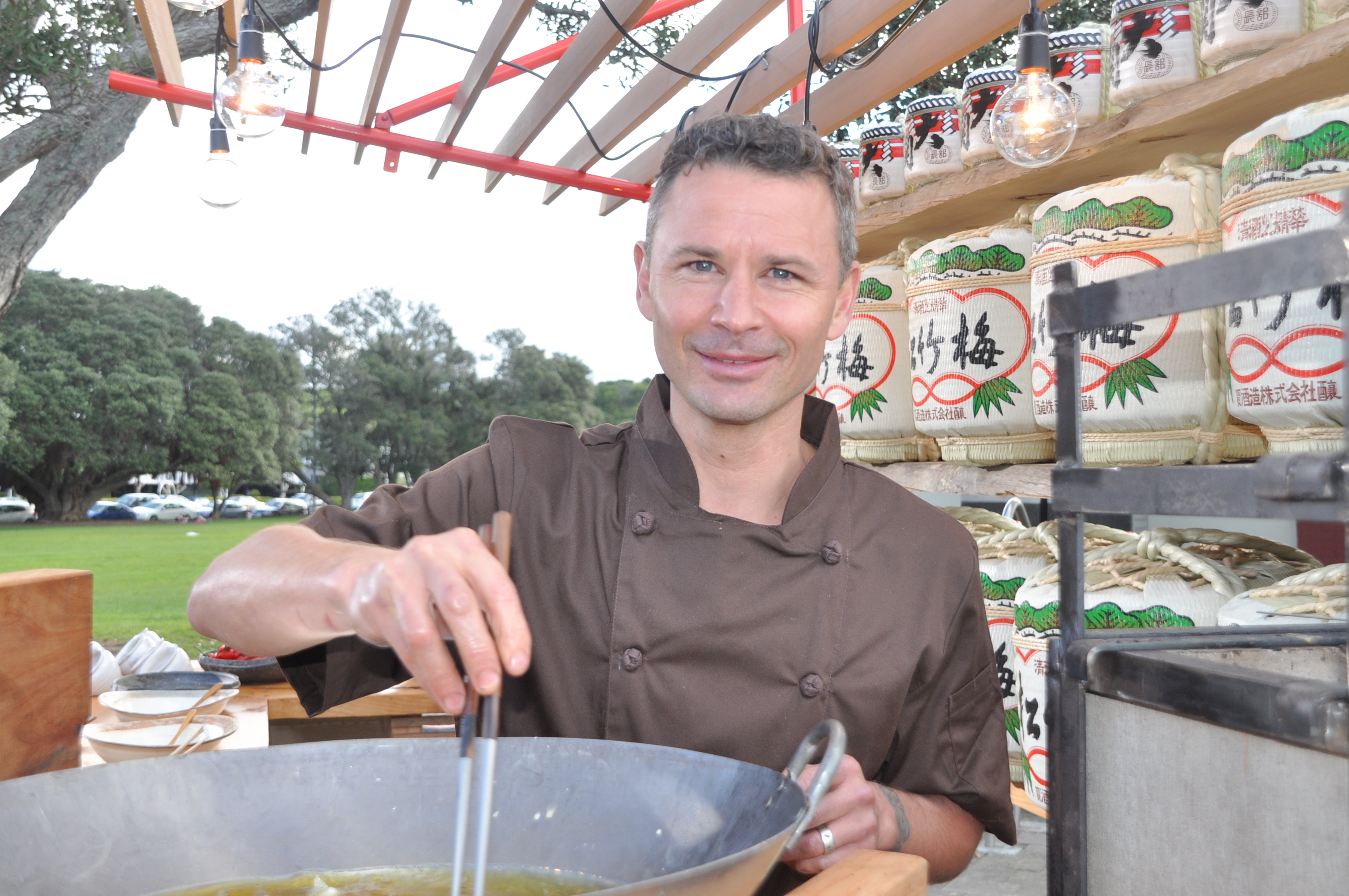
At 21, Watt was head chef at Ponsonby Rd’s Chorizo (now Mekong Baby). He worked in Sydney and then followed his seafood passion to Tokyo, staying there two years and becoming fluent in Japanese. Spain was supposed to be next, but he couldn’t face learning another language. London? Gordon Ramsay and Nobu Matsuhisa’s restaurants accepted him for a “stage” (hospo speak for an unpaid trial). Both offered him jobs.
“Nobu was a 180-seater, serving all these crazy celebrities. Shared plates, fast expediting kitchen and I just thought ‘that’s me’. I’d found my home.”
Watt went on to Roka, now a global group specialising in robatayaki cuisine; he opened two in London, and one apiece in Hong Kong, Macau and the United States.
“But there was a calling to come home. I had two beautiful kids and figured, if I didn’t come home soon, I’d be the expat who never came back.”
According to credit agency Centrix, hospitality business liquidations are up 47% year on year. In Auckland, recent higher profile casualties include Lesley Chandra’s Sidart, Namu Group’s Gemmi, Gochu and Honeymoon Avenue, and Mimi Gilmour’s BurgerBurger (in voluntary administration but still trading across five sites and on the market for sale as a going concern).
It was 2023 when Commercial Bay’s Precinct Properties (“supportive and fantastic landlords”) first approached Watt about opening another restaurant.
“I said no. I had enough going on. I didn’t have the bandwidth ... and then there was another discussion in 2024 ... the belief from myself and Precinct was that if we opened at the end of the year, we’d get that nice end-of-year lift, and then just gently ride that improved market to a better environment.”
Remember the meme – survive till 2025?
Two “Asian-inspired” restaurants (The Poni Room and Pōni) had already closed in the space that became Cāntīng but Watt says Precinct’s research suggested Commercial Bay needed a modern Chinese offering and he had the international experience to deliver just that.
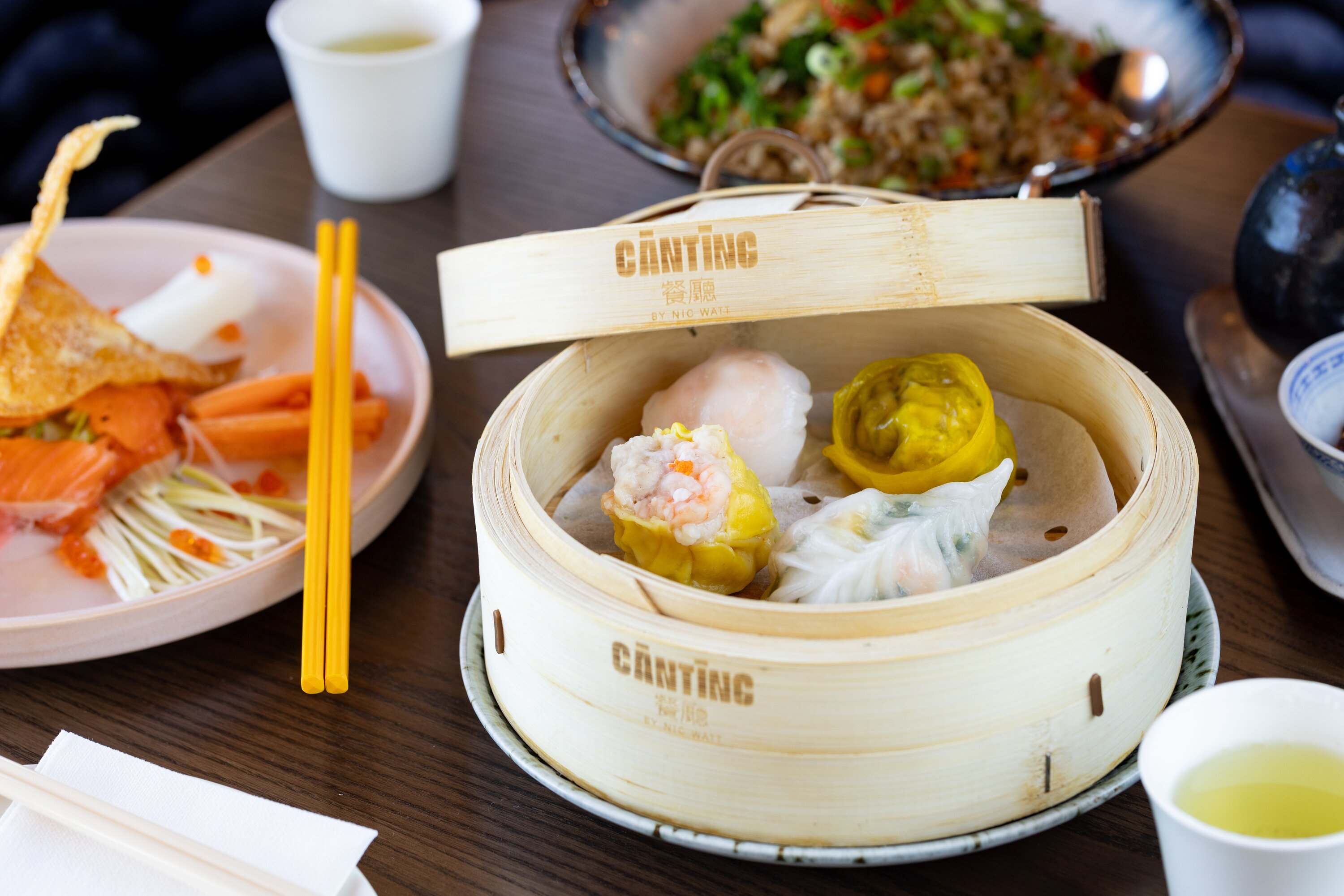
The first menu included lemon chicken, black bean beef and duck pancakes alongside mixed dim sum and prosperity rice.
“I love that style of food, I have a background in it, and economically, it was supposed to be improving. All the logic, all the data, suggested that was the right move,” Watt says.
“Sadly, 2025 didn’t improve. It was harder. It was bleaker ... and we tried everything in our power to adjust.”
The menu shifted from being “broadly, modern Chinese” to bao buns with Korean fried chicken and sashimi salads. He cut the roster to two chefs and two front-of-house staff. He tried to find a joint venture partner. He developed an entirely new brand – new name, lower price point, and more casual – but never got a chance to roll it out.
“We really, really dug deep into what that could do and how that could be, but in today’s market ... that venue’s just too big.”
On a Saturday, the restaurant would serve 100 customers; on a Monday, 10 or fewer. The post-Christmas summer was very quiet but autumn was always going to be better for an indoor restaurant. And then America went to war in Iran.
“It was the start of March and suddenly there is a fuel crisis and hospitality is so linked to consumer confidence. It’s so intrinsically linked. If people feel confident, they will go out for dinner, they might have another glass of wine,” Watt says.
“If they’re worried about filling their tank, or the cost of milk or butter, they stop spending in restaurants. And we felt that, and saw that. I was absolutely gobsmacked that one man on the other side of the world could affect my dumpling sales with a single move – but it’s true.”
Two weeks ago, Watt knew he had to close Cāntīng.
“When you have exhausted every possible option, and in detail, then you need to say, ‘okay, it’s not working’.”
He paid his staff because, he says, this time he could.
“Staff are key. They’re vital and I am loyal. Despite what anybody thinks, I am loyal to my staff.”
He recently read a comment suggesting that, perhaps, he didn’t want to do the hard yards.
“Last year, I had eight days off,” he counters. “People have no idea. But, you know, silence is dignified.”
Perhaps, unsurprisingly, he brushes off too many personal questions. His mental health is “good”. His friends are “incredibly supportive”. And his current focus is Inca and Masu.
“I would just implore Auckland diners to continue supporting their restaurants; their neighbourhood restaurants and their CBD restaurants. And remember to be kind. Because we’re all trying to do the best we can.”
Kim Knight joined the New Zealand Herald in 2016 and is a senior reporter on its lifestyle desk.