Six surprising signs of chronic inflammation and how to beat it
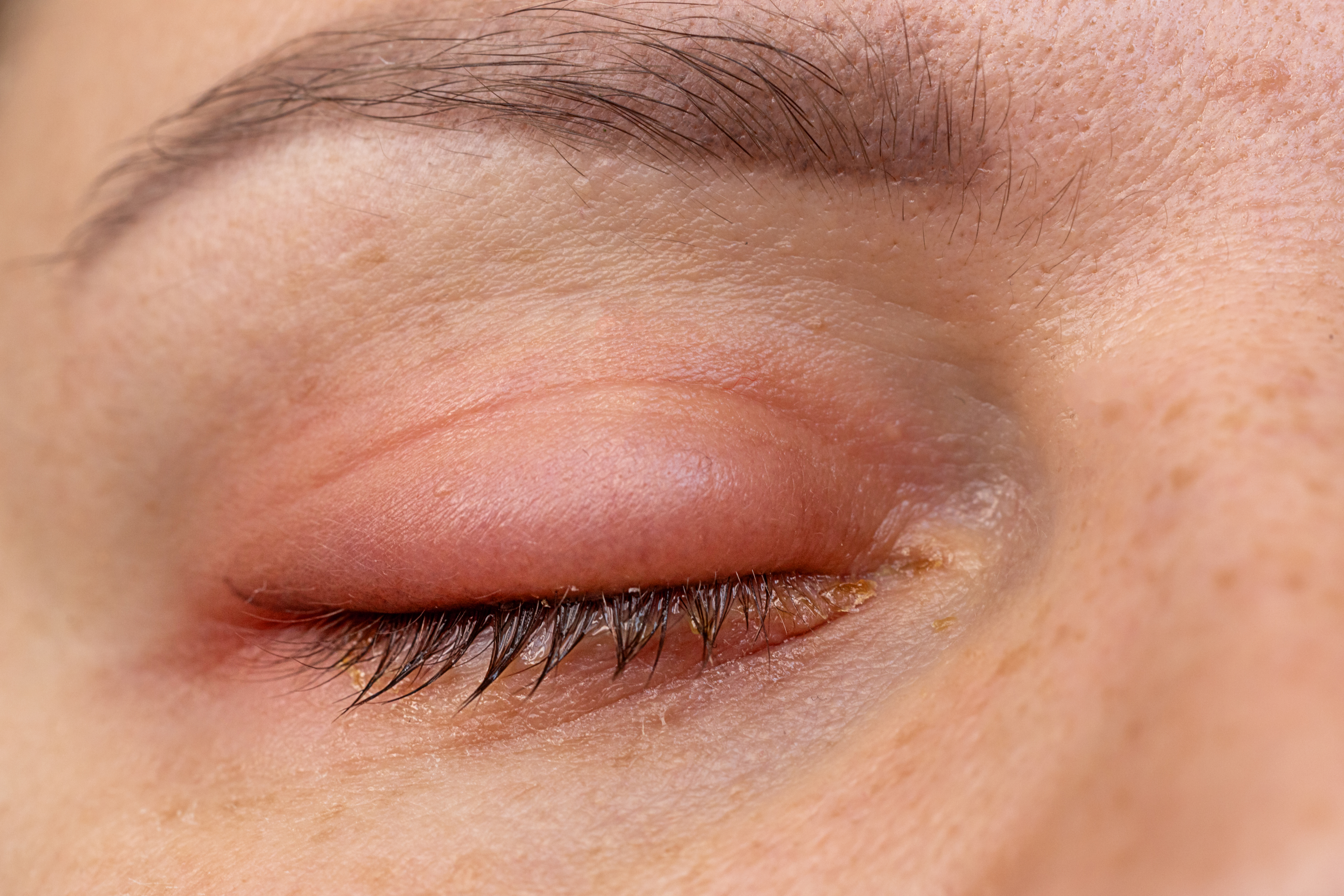
While not a disease itself, inflammation is the underlying driver of many serious health conditions. Here are the symptoms to look out for.
Simmering levels of chronic inflammation are involved in everything from increasing harmful levels of organ fat to driving cell damage, which can ultimately lead to cancer. But how do we become so inflamed – and is there a way to reverse it?
Clare Bryant, professor of innate immunity at the University of Cambridge, says that we rely on short-term inflammation as a key defence mechanism to fight off disease. But sometimes initial triggers – whether that’s an infection, airborne pollutants or high levels of blood cells – can lead to sustained inflammation that doesn’t resolve. This is when it becomes a major health concern, persisting for months or years.
As we age, this sadly becomes more likely as “our immune system becomes more vulnerable to going out of balance”, Bryant says. This chronic kind of inflammation is “something which ultimately underpins many diseases”.
But it’s not all bad news, as the right lifestyle can play a key role in helping to suppress persistent inflammation. As I highlight in my new book, The Age Code, simply reducing the number of calories you eat, through reducing highly processed foods and replacing them in your diet with more fruits and vegetables, can lead to quick reductions in inflammation and improvements in immune health. This can happen in as little as two months.
Here are some of the surprising signs of inflammation – and the simple measures you can take to beat it.
Feeling persistently spiky or argumentative

One red flag for underlying chronic inflammation can be persistent anger issues and consistently feeling the need to start arguments.
Dr Niharika Duggal is an associate professor at the University of Birmingham and one of the UK’s leading experts on inflammation and ageing. She says that scientists now believe there is a two-way relationship between anger or a spiky mood and inflammation.
“Small stresses like being late for work [which put you in a bad mood] increase the levels of the hormone cortisol, which mobilises your immune cells, and you can see this inflammatory response,” Duggal says.
But researchers now believe that this relationship also works the other way round. Namely, the presence of persistently high levels of inflammatory molecules in your bloodstream can activate the body’s stress response, making you feel more aggravated and more likely to erupt.
One reason is that certain inflammatory proteins are capable of moving from the bloodstream into the brain and stimulating regions involved in regulating stress. “In animals, people have shown that if you deliberately increase inflammation levels, you worsen their mood,” Duggal says. “And it becomes a vicious cycle as a poor mood leads to even more inflammation.”
What to do
Because inflammation can be triggered by chronic work stress, or even prolonged social isolation, the best approach is to try to spend more time actively socialising with people whose company you enjoy. “It can be as simple as trying to meet a friend once a week,” Duggal says.
Some studies have found that improving mood through psychotherapy can also yield reductions in inflammation, even in patients who have been diagnosed with inflammatory bowel disease. But talking issues through with a friend could be as effective, and a lot less costly.
Bleeding gums
Duggal describes bleeding gums as a key sign of active inflammation within the body. “It’s the immune system being triggered to fight off the plaque that has built up,” she says. “This local inflammation can then spread systemically and increase the overall inflammatory load on your body.”
Studies have shown that people with chronic gum disease or periodontitis are more vulnerable to a whole range of inflammatory diseases, including rheumatoid arthritis. Inflammation building up in the gums over time can even cross over to the brain and increase the amount of neuroinflammation, which is why people with chronic gum disease are also at a heightened risk of cognitive decline.
What to do
Duggal emphasises the importance of flossing on a daily basis to prevent the accumulation of plaque in and around your gums. “There’s some evidence now about switching from a manual to an electric toothbrush, because that can keep your gums healthier,” she says.
Sudden weight gain
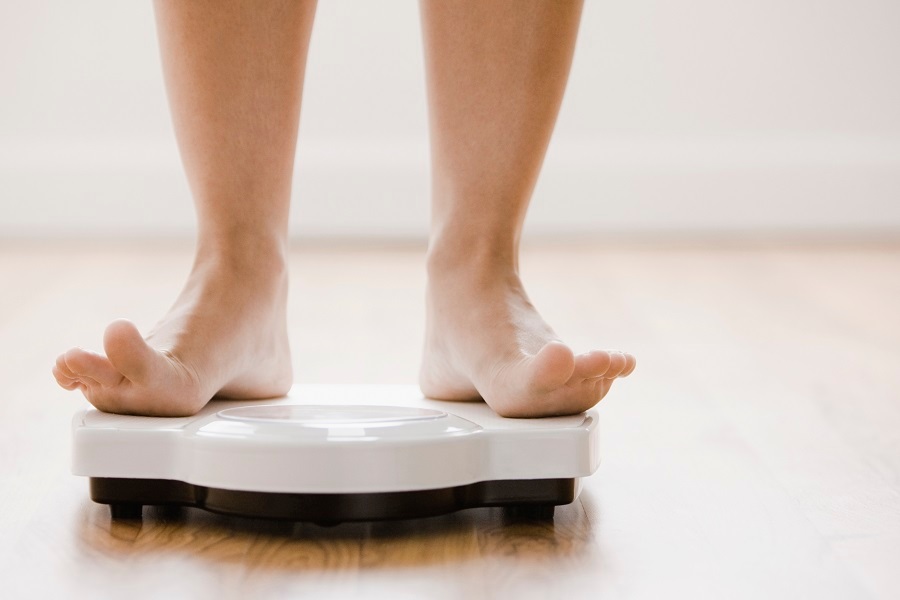
“Chronic inflammation is thought to be an explanation for sometimes unexpected weight changes,” says Chengcan Yao, a researcher at the University of Edinburgh’s Centre for Inflammation Research.
The two are highly linked because inflammatory molecules can interfere with the normal function of hormones like insulin, leptin and cortisol. This triggers more hunger pangs and increases the amount of fat storage in the body.
What to do
One study from scientists at the University of California-San Diego School of Medicine showed that just 20 minutes of moderate-intensity jogging on a treadmill was sufficient to lead to a 5% decrease in the numbers of immune cells producing inflammation.
You may not even need to hit the gym. Yao says that 20 minutes of brisk walking per day is sufficient to induce a beneficial anti-inflammatory response. In 2023, Harvard University scientists published a study showing that the effects of exertion on muscles triggers the production of anti-inflammatory white blood cells known as regulatory T cells. These cells are now thought to act against many of the body’s triggers that cause inflammation to persist.
Dry eyes and dry mouth
From psoriasis to Sjögren’s syndrome (a chronic autoimmune disorder that targets the body’s moisture-producing glands), there are a range of inflammatory conditions characterised by dry eyes or a dry mouth.
Sjögren’s syndrome, which Duggal says arises “due to an overactive immune system”, affects around 500,000 people in the UK, predominantly women between 40 and 60.
What to do
A growing body of research is pointing to the value of turmeric as a natural anti-inflammatory solution. Many of the benefits are thought to come from curcumin, the plant chemical within turmeric which gives it its distinctive yellow-orange colouring.
In particular, curcumin appears to interfere with the activity of a “master inflammation switch” within our cells which controls the genes responsible for unleashing streams of inflammatory proteins into the circulation.
While this makes turmeric a great addition to your cooking, the strongest anti-inflammatory benefits come from taking curcumin as a separate supplement, ideally in combination with piperine, a chemical found in black pepper which aids its absorption into the body. Clinical trials usually use high daily doses of curcumin, typically around 1000mg, for periods of around eight to twelve weeks.
“We’ve done some experiments, and turmeric takes down many of the inflammatory pathways,” says Bryant.
Skin transparency
As we age, our skin tends to become paler and more fragile, and the underlying veins and tendons become more visible. One of the reasons for this is the steady degradation of elastin fibres, structural proteins which give the skin flexibility and firmness.
But if you feel that your skin is ageing prematurely quickly, the cause may be chronic inflammation. “Inflammation can degrade collagen and elastin,” says Duggal. “And as this happens, you have a thinner barrier, which is why your skin becomes more transparent.”
What to do
Along with exercise, following an anti-inflammatory diet such as the Mediterranean diet is one of the best ways of addressing chronic inflammation.
Bryant notes that the prevalence of olive oil is emerging as one of the reasons why the Mediterranean diet is good for lowering inflammation. There are several reasons why. The dominant component of olive oil is a healthy fat called oleic acid, one of the so-called omega-9 fatty acids, which can also help to suppress biological switches in the body’s cells, which cause the production of high levels of inflammation.
High-quality olive oil, such as extra-virgin olive oil, is also rich in a plant chemical called oleocanthal, which has anti-inflammatory effects. Simply consuming one to two tablespoons of extra-virgin olive oil each day with meals could make a difference to your ability to keep chronic inflammation in check.
Muscle soreness

“It’s these aching pains and muscle sores which we often associate with getting old,” says Bryant. “You’re not unwell, but you’ve got these aches and pains and you just feel below par”, especially when you wake up in the morning.
A lot of this can be due to a concentration of inflammatory proteins in the joints and muscles that shouldn’t be there, causing swelling and sensitising the nerves.
“It’s designed as part of the healing process,” Bryant says. “When you hurt yourself, the body produces acute inflammation, and that creates the feeling of soreness as a way of stopping you moving that injured area and allowing it to heal. But when that doesn’t switch off, it can become chronic.”
What to do
Both Bryant and Yao say it’s important to focus on getting enough rest. Studies show that getting seven to nine hours of sleep on a consistent basis prevents the overproduction of some inflammatory molecules. Going to bed at the same time each day, even at weekends, can help the body achieve a more optimal day-night cycle.
There are also certain nutrients within food that can regulate the body clock and promote drowsiness in the evening. For example, eating cherries for pudding at night can be helpful because they contain an amino acid which the body uses to make the hormones serotonin and melatonin, which are involved in the process of falling asleep. Likewise, kiwifruit are thought to contain a variety of nutrients which can help with regulating the body clock, and there is some evidence that consuming two kiwifruit an hour before going to bed can improve your sleep.
“There’s a lot of evidence that sleep is really important when it comes to regulating the dustbin-like functions in the body, clearing out all the things we don’t want,” Bryant says. “And that can help restore the function of immune cells, and get rid of unwanted inflammation.”
Five foods to eat (and avoid) to reduce inflammation
– By nutritionist Lucia Stansbie
Eat
Oily fish like salmon, sardines and mackerel provide essential omega-3 fatty acids and have strong anti-inflammatory properties.
Unsalted nuts and seeds. These are also great for omega-3, but it’s vital to eat them in moderation. Eating an excessive quantity of nuts and seeds can actually drive inflammation, because they contain omega-6 as well as omega-3.
Olive oil. With its anti-inflammatory properties, olive oil is rich in antioxidants and should be the staple source of fat in an anti-inflammatory diet.
Colourful fruit and vegetables. Berries and leafy greens are particularly good.
Turmeric. Studies have found that curcumin, a natural compound found in turmeric, is a potent anti-inflammatory, but bear in mind that it can take a month or two to have an effect.
Avoid
Ultra-processed and sugar-rich foods. Sweet breakfast cereals have to go. A good swap would be jumbo oats, as they’re not as processed and contain much less sugar.
Margarine and vegetable spreads. These are ultra-processed foods containing trans-fats, which can negatively impact the cardiovascular system and trigger inflammation.
Processed and non-organic meat. If a cow has been eating grass, we will find more omega-3 in its meat. On the contrary, if that cow has eaten soy and hardly moved around, its meat will be high in omega-6 and saturated fat.
Mass-produced supermarket bread is high in sugar and contains very little in the way of nutrients. Swap it for sourdough or bread from a bakery.
Excessive alcohol consumption triggers inflammation and impacts liver capacity to detoxify toxins and excessive hormones.