Parenting Place: Is your child safe on Snapchat?
Parenting in the digital era is tricky. Clearly there are some great benefits to tech and most of us probably can’t imagine life without it. But as parents, there’s a lot to navigate when our kids have devices in their hot little hands. Things like TikTok, Snaps, IG, posts, stories and live feeds can sound like a foreign language and feel like a minefield.
Let’s take it one app at a time. Here’s a practical guide to Snapchat – what’s it all about, how does it work, what are the concerns and what are the benefits? As a parent, you get to decide what’s best for your tamariki, and hopefully these insights will help you feel more equipped to do so.
What is Snapchat?
Snapchat is a popular social media messaging app that allows users to record and share live images and videos (”Snaps”) with friends. It’s designed to be fast-moving (snaps disappear as soon as they are viewed), fun and authentic. It’s all about sharing the moment.
The idea with Snapchat is that teens can interact with people online in a low-key way. Because content isn’t saved, snaps that are funny, silly or embarrassing can be shared live without the worry that they’ll be visible on your profile forever. (That said, we must never forget the power of the screenshot … more on this later.)

What age can kids use Snapchat?
According to the terms of service, users need to be 13 years or older. However (brace yourself - there are a few “howevers” in this article!), there is no age verification and users can alter their birth year to get earlier access. So yes, with some basic maths many tweens are using Snapchat before the recommended age.
If a child attempts to sign up with a date of birth that has them younger than 13, they will be redirected to ‘SnapKidz’, the junior version of Snapchat which is more restrictive (for example, you can’t add friends or share anything). Surprise, surprise - this version isn’t as popular.
Snap stats
How do you set up an account on Snapchat?
The Snapchat app is downloaded from your app store. You need an email address to sign up, you enter your birthday as mentioned above, and you set up a username and password. And then you’re off.
Users can take photos or videos; edit their images and add things like captions, filters and stickers; and send Snaps to the friends they select on their profile. You can set the timer for how long your snap will stay visible to the receiver, from 1-10 seconds. The sender can look at the image for the same amount of time before it disappears.

Teen accounts can’t have public profiles, but of course there are ways around this. Teens can follow mutual friends to grow their audience, and other teenage users will be published on their account as “suggested friends” to follow.
Snapchat itself admits that up to 25 per cent of users may send sensitive content on a regular basis “experimentally”.
What are the biggest concerns for parents?
But wait, there’s more
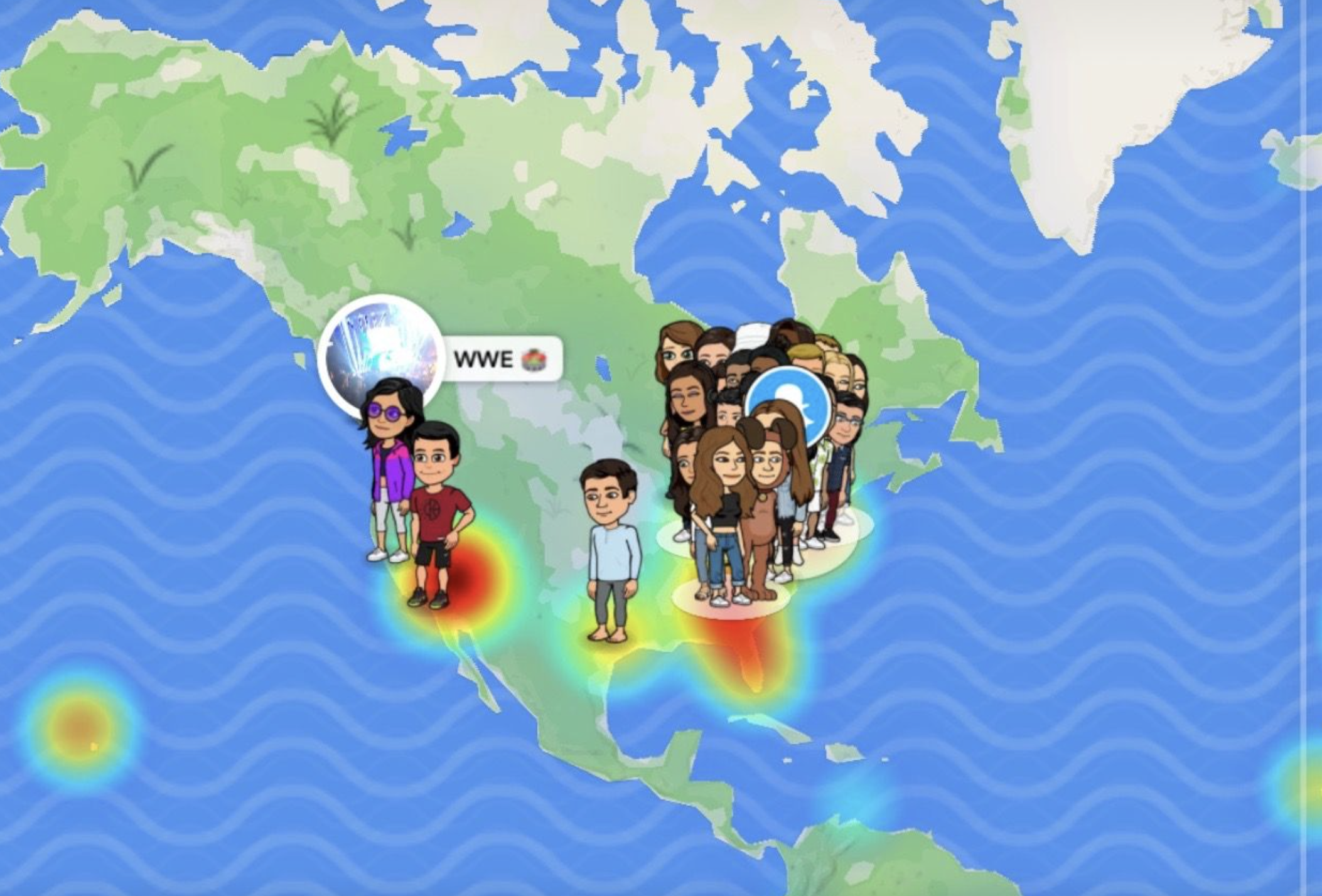
Now that we’ve covered the basics, there are a few other features on Snapchat that are important for parents to know about.
As with any online activity, if your child is on Snapchat, honest conversations about their safety need to happen regularly.
So, how can we keep our kids safer on Snapchat?
Because Snapchat doesn’t save pictures and messages, it’s really difficult - almost impossible actually - to monitor our kids’ activity and see what they’ve posted and received.
In 2022, Snapchat introduced Family Centre, a feature which allows parents to install the app on their own device and link their account to their teen’s. This allows the parent to keep abreast of which accounts their teen is engaging with and who they follow. However (sorry, last one!), parents still can’t see or read their teen’s Snaps and messages. Family Centre also doesn’t allow any control over content on Discover, leaving teens open to content which is often inappropriate. Interestingly, while the app itself is 13+, Common Sense Media rates Snapchat as suitable for teens 16 and up, largely due to the exposure to age-inappropriate content and data collection.
Keeping phones out of bedrooms is a helpful strategy to reduce online risks in general and ensure our kids gets a good night’s sleep without the temptation of checking their social media in the wee small hours. (We all know how much time can be lost when we go down that rabbit hole!)
Snaps can be entertaining and funny and checking them out together could be a good way to connect with your teen. Ask them how it works. Young people relish the opportunity to teach their parents something. We can’t overstate the power of connection – in fact, it’s our greatest tool when it comes to influencing our kids.

In real life
Teens will take risks, it’s part of their development. They also don’t like missing out on things their mates are involved with. But they need our fully developed adult brains to help them better understand risks and consider consequences. So, keep the chat happening, IRL. Make it a regular thing to have open and honest conversations with your teen about Snapchat. Check-in on what they are watching and sharing, how it makes them feel and the reason why they use the app. This can support the development of critical thinking and encourage good decision-making.
When all is said and done, is this app worth it? Good question. In the course of writing this article I heard about a 12-year-old boy being harassed with sexual images sent repeatedly from a classmate. His parents only discovered what was bothering him when he left his phone unattended and they saw a Snap notification. That said, another friend told me her teen signed up to Snapchat to stay connected with her friends but finds the steady stream of other people’s walls, food and feet imagery “pretty boring”.
With supervision, limits and robust ongoing family conversations about the risks and concerns of Snapchat, it can be a fun app to use. But really clear ground rules are required and being vigilant as a parent/caregiver will be key. Stay engaged, and in the summary words of Common Sense Media – “Use wisely”.
This article was originally published on Parenting Place. Read the original article here.
Holly Jean Brooker works as a PR Specialist, Writer and Presenter for Parenting Place. She is a mum of two, runs her own marketing consultancy business and has a background in high school education where she specialised in health and social sciences. Holly is co-founder of MakesSense.org.nz.