Drought preparations help Rawene hospital weather water crisis
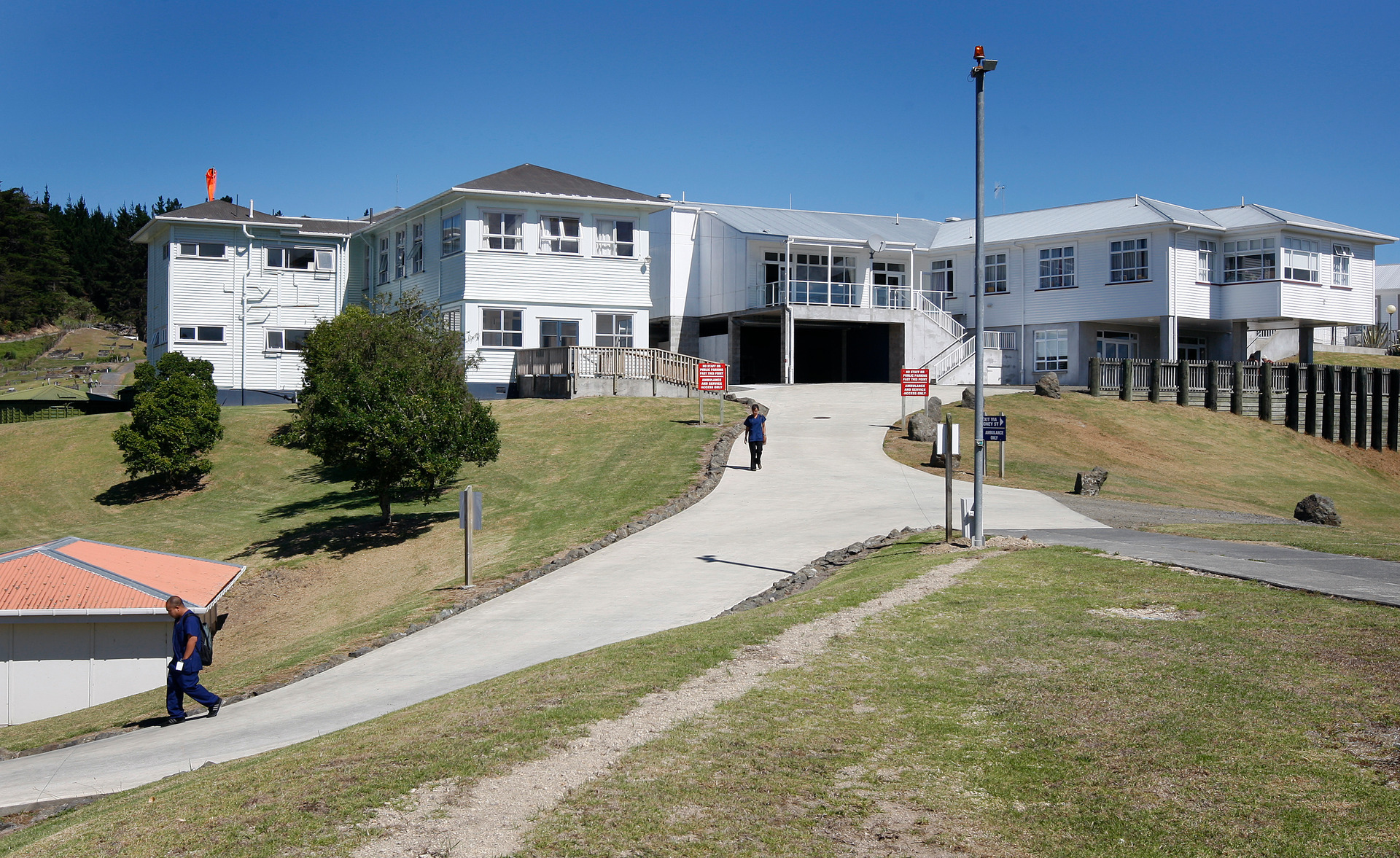
Steps taken to safeguard water supplies after a previous drought mean Hokianga Hospital is in a good position to weather the current water crisis.
Hokianga Health chief executive John Wigglesworth said the trust had installed four large tanks, creating a backup of 100,000 litres at the Rawene site.
The tanks were installed after an earlier drought in 2014 when it was feared the town supply could dry up.
''We knew it was likely to happen again, so we're in a relatively good position at the moment.''
READ MORE:
• Government declares drought in Northland and parts of Auckland
• Drought declared in Northland- at last- and 80k in government assistance
• Premium - Northland drought: Reports raise water management and health concerns
If used carefully the tank water would last three to four weeks even if the town supply dried up completely.
The 24-bed hospital was currently in water conservation mode which entailed, among other things, fewer patient showers, no external hoses, and using paper plates and cups instead of washing dishes.
Most laundry was already done out of town.
If necessary, savings could go up another level by scrapping patient showers and switching to sponge baths.
While the hospital was coping well Wigglesworth was concerned about public health issues in the community related to drinking water and sanitation.
Home dialysis patients, who required large volumes of water to carry out their treatment, were another concern.
Their care was co-ordinated by the Northland District Health Board but Hokianga Health staff were keeping a close eye on them.
''They are potentially most at risk if we have any water issues,'' he said.
Most lived outside town and relied on tank water, he said.
The Rawene/Ōmanaia water scheme, which takes its water from the drought-sensitive Petaka Stream, was one of the first in Northland to face level 4 restrictions banning all but essential use.
The Advocate understands the New Zealand Defence Force was approached earlier in the crisis about bringing a navy desalination plant, as used in natural disasters in the Pacific, to Rawene.
An NZDF spokeswoman said, however, a desalination plant was not being supplied to the Far North.
Instead the NZDF was using army water tankers to supply rural communities around Northland assessed by Civil Defence as being in the highest need.