Ngapuhi history made as largest Waitangi Tribunal inquiry nears end
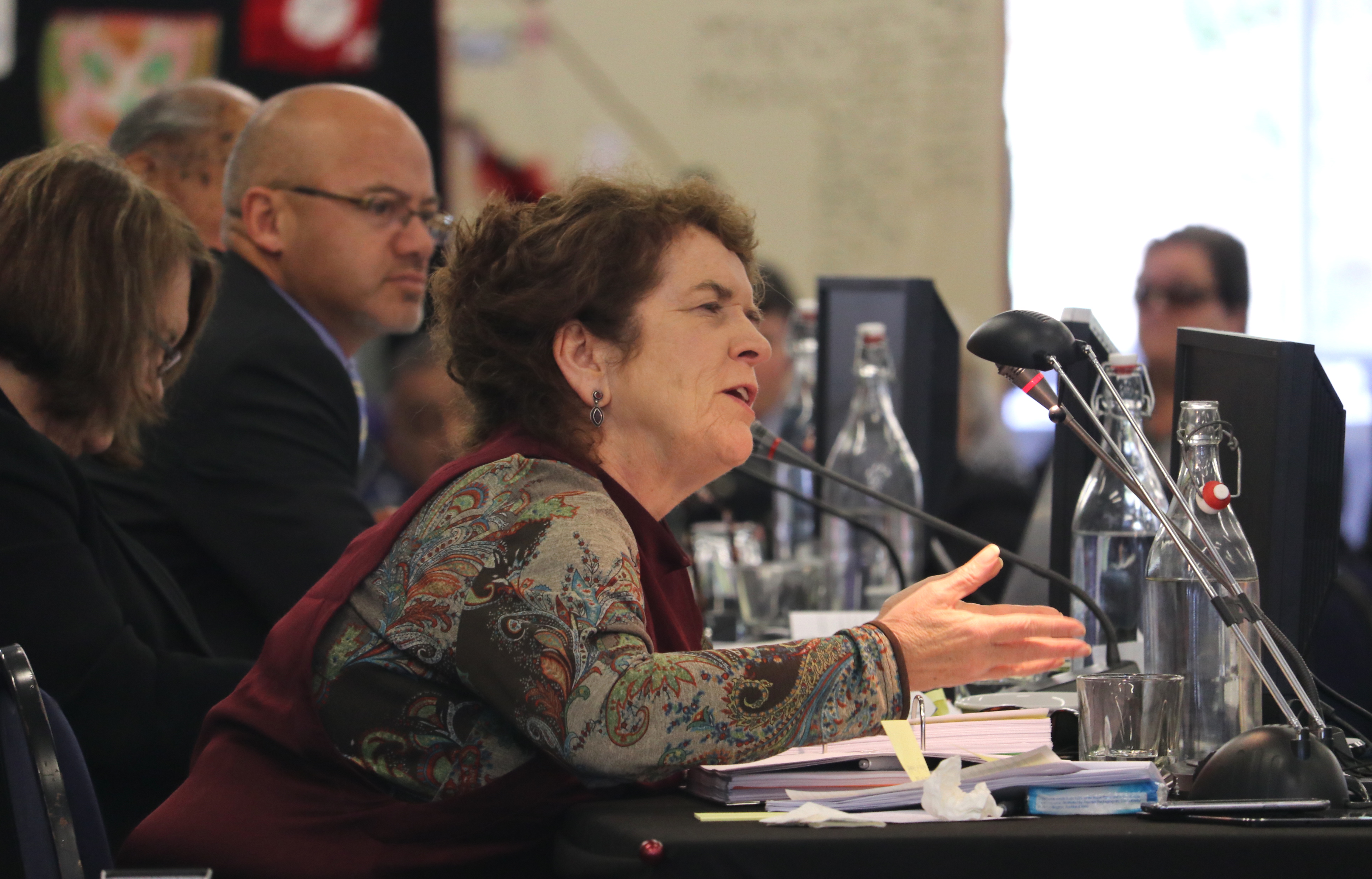
After seven years, hundreds of witnesses, 31 weeks of hearings and more than 500,000 pages of evidence - including 10,000 pages for the claimants' closing submissions alone - New Zealand's biggest Waitangi Tribunal inquiry is drawing to a close.
Today is the final day of the final week of hearings in stage two of Te Paparahi o Te Raki, also known as the Northland Inquiry or Wai 1040, which is examining Ngapuhi's 600-plus Treaty claims.
Once Crown lawyers wrap up their evidence at the Waitaha conference hall in Waitangi, kaumatua from each of the taiwhenua (claimant areas) will deliver speeches, and a hakari (feast) will be prepared.
No date has been set for the Tribunal to publish its findings and the Government has suspended talks over who should negotiate a settlement on Ngapuhi's behalf, but completion of the hearings is still a significant milestone for the country's largest iwi.
Claimants gave their final evidence at Otangaroa marae near Kaeo in July; this week it has been the Crown's turn to respond one last time.
Topics traversed yesterday included the confiscation of land for unpaid rates, the foreshore and seabed controversy, the Hole in the Rock, and whether the Crown was responsible for Northland's long-standing economic woes.
Tribunal member Ann Parsonson, a historian, grilled Crown lawyers on the impact of rates, saying families who stayed on the land to "keep the home fires burning" were often forced to give up land to pay rates arrears.
She asked what action the Government had taken after a 2007 report found Maori land was often over-valued, and hence charged too much in rates, because valuations were based on market value even though the land could not be sold.
Responding to questions about the foreshore and seabed, Crown counsel Geoff Melvin conceded that the Crown's belief in 1840, based on English common law, that it owned the foreshore and seabed was mistaken.
However, the Crown would have regulated the foreshore and seabed in any case as one of its legitimate kawanatanga (governorship) functions, he said.
Some claimants argued economic deprivation in Northland was a direct result of Government actions, starting as early as 1840 with the imposition of customs duties that ended Russell's booming exports and the subsequent shift of the capital to Auckland.
Crown counsel Kevin Hill said topography, isolation, poor soils, and a boom-bust economy based on extractive industries were factors in Northland's lacklustre economy.
He conceded, however, that government land purchase and tenure policies had played a part, and the government had failed to ensure Maori retained enough land to form an economic base.
The Tribunal's report for stage one of the inquiry, which dealt with broader issues of sovereignty and the Treaty of Waitangi,was released in 2014 and found Ngapuhi chiefs did not give up their sovereignty when they signed the Treaty.
The Crown's position is that British sovereignty was attained by Governor Hobson's proclamations of May 1840 and their publication later that year.
The other Tribunal members are judge Craig Coxhead, historian Robyn Anderson and kaumatua Kihi Ngatai.
One row of seats has been kept empty during this week's hearings for claimants who died before they could see the inquiry completed.