New teachers in Northland say more support needed following ERO report

Teachers starting out in Northland say having support and real-world experience is key to ensuring they feel prepared when leading a classroom.
Their comments follow an Education Review Office (ERO) report called ‘Ready, set, teach: How prepared and supported are new teachers?’ which found that nearly half of new teachers felt unprepared.
The report highlighted a gap between training institutions and their graduates’ abilities and concerns about being classroom-ready.
Three areas were identified to ensure new teachers are set up to succeed:
Whangārei Intermediate School teacher Zac Anderson, who has been in the profession for one term, said he did not feel prepared for the classroom.
He felt his training lacked the tools required for a real classroom setting and instead worked off the opinions of tutors and their experiences.
Anderson said there was not enough practical time to understand what it is like in a classroom, and even then he was expected to be writing notes rather than teaching.
Training institutions need to rethink how they are teaching and consider what tools are helpful for real teaching, he said.
If a school is not providing support for graduates, it’s a “recipe for disaster”, Anderson said.
He has been helped by a mentor, but he believed he would be “severely struggling” without that extra hand.
Renata Ioane, a new teacher at Kamo Primary School, said that despite his nerves on the first day of term one this year, his expectations were met.
“I knew the workload I was taking on moving into this profession. I knew the demands and expectations of the role.”
However, Ioane said being in a supportive workplace has made all the difference.
“I’ve heard stories of some of my classmates who have gone to a school, and they’ve not wanted to do this profession because they’ve had no support. It means everything.”
He was not surprised to hear about teachers feeling unprepared for certain subjects because it was natural to have gaps in knowledge so early on.
“If you acknowledge those weaknesses and you do have a kura that’s supportive, whatever you’re lacking, the kura can definitely help you.”
He believed graduates who haven’t gained real-classroom experience would be shocked by the “full-on” nature of teaching.
“I think there needs to be room made for more placement and more work experience,” he said.
His training consisted of eight weeks of “back-to-back” placements, something other institutions spread out in blocks.
“I think giving those teachers a more realistic approach to learning how to teach will help with their confidence.”
Kamo Primary School principal Sally Wilson said she was not surprised by the ERO findings.
She said a similar report was released in 2017 which emphasised the same issues.
“We would have to question who was listening,” she said.
Wilson has noticed a lack of consistency from education training providers across the country and described the variation between graduates as “quite huge”.
She noted the “standard of teaching” has changed over the years, too.
“There is probably a lot of work to be done for a lot of us, from training providers right through to schools.”
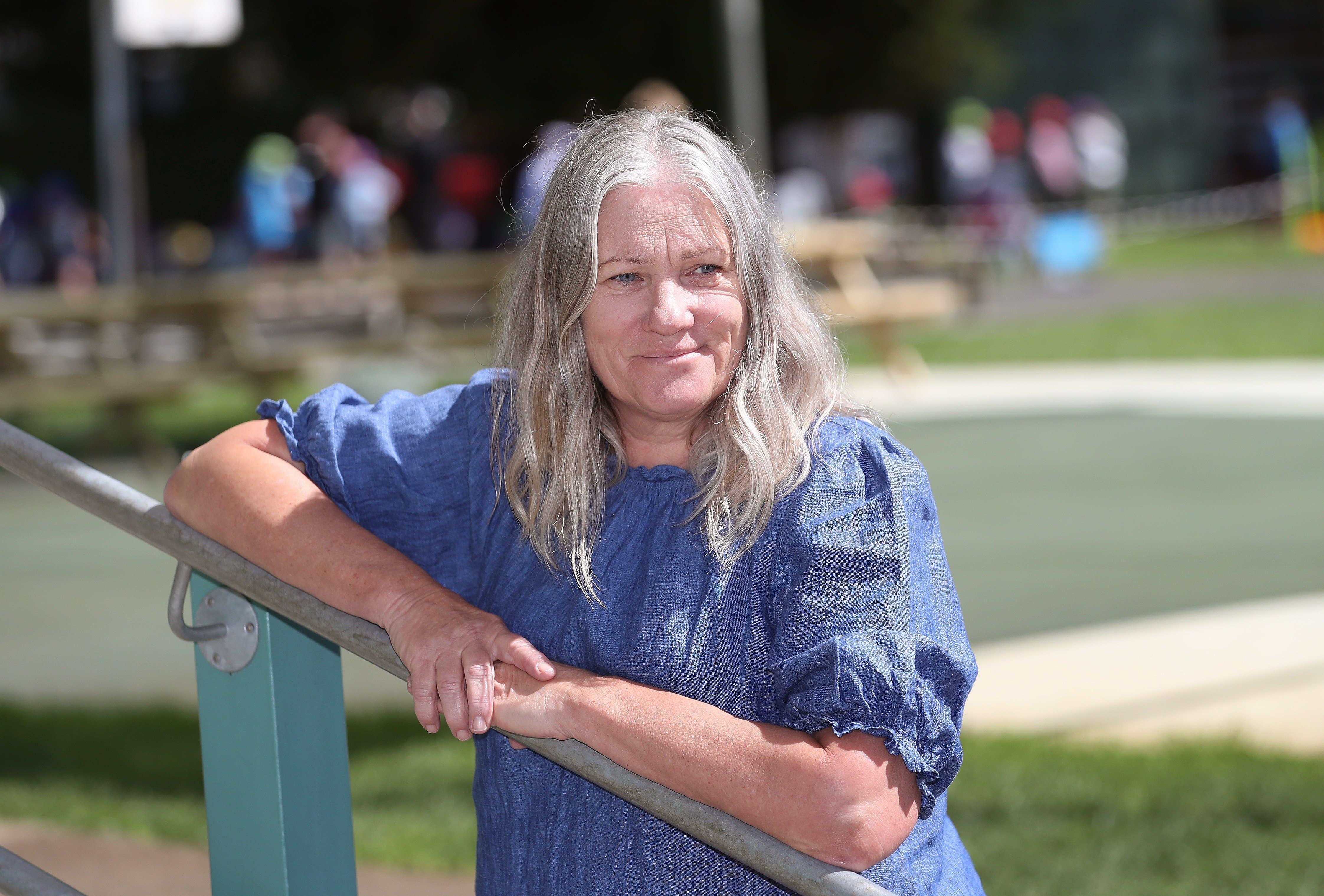
Skills such as relationship-building and managing challenging behaviours should be learned while training, she said.
“I believe our providers could do better to support that.”
Wilson said schools that take on a new teacher are taking on the responsibility and role of mentor.
“It’s a huge responsibility and it’s a privilege and a real honour because we get to shape this individual.”
Staff must be committed to putting time into their new teachers, she said.
“None of us get to be where we need to be without someone supporting us in education.”
Wilson was not concerned by some of the report findings, such as teachers feeling unprepared to teach certain subject areas.
“It’s a natural expectation there will be aspects of areas they will be nervous about. It’s about what the school does.”
She said schools should create a culture where no question is off-limits and support is prioritised.
Brodie Stone is an education and general news reporter at the Advocate. Brodie has spent most of her life in Whangārei and is passionate about delving into issues that matter to Northlanders and beyond.