Northland meth crisis worsens as consumption triples, experts warn
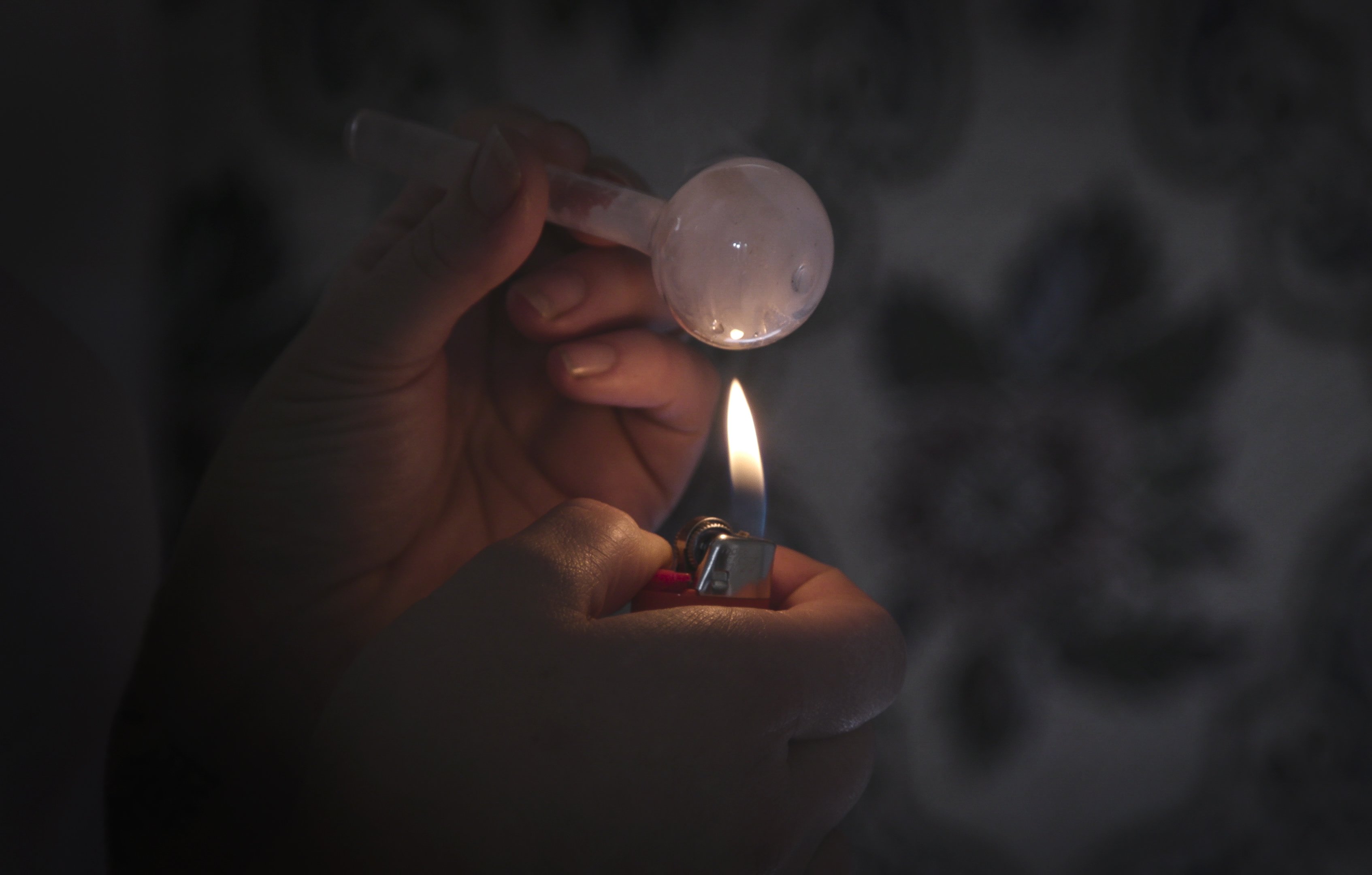
Mexican cartels, off-shore drug drops, and sophisticated trafficking organisations might sound like something from a movie but are part of New Zealand’s climbing meth use.
Wastewater testing shows that over the past four quarters, consumption of methamphetamine has tripled in Te Tai Tokerau.
Institute of Environmental Science and Research (ESR)’s wastewater testing programme showed 326g of meth was consumed per week in Northland during the first quarter of 2024. The figure tripled to 1117g by the fourth quarter.
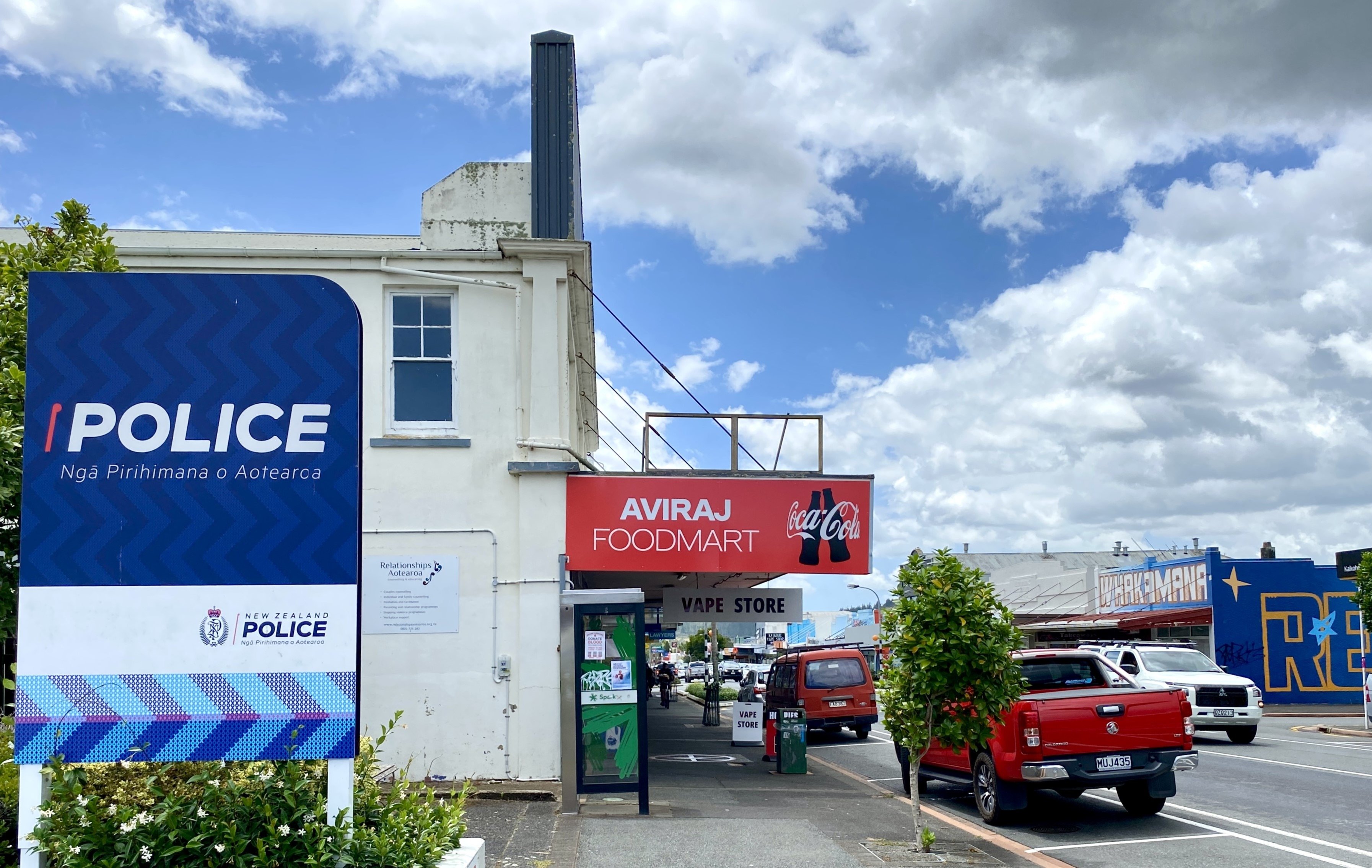
Towns such as Kaikohe have felt the effects as youth have been seen openly smoking the drug on street corners. Residents say people stand on the street selling it.
Last week Te Rūnanga ā Iwi o Ngāpuhi chairman Mane Tahere called for urgent and enhanced government support.
Police Minister Mark Mitchell confirmed he planned to meet Tahere to discuss the area’s meth crisis.
Massey University drug researcher Chris Wilkins said the full repercussions of the crisis may not yet be visible but when it is people would see problems such as crime, road crashes, family harm and impacted employment levels.
Wilkins believed lack of job opportunities and housing struggles were major factors in Northland’s meth consumption.
“There’s a natural kind of hopelessness that comes with poverty and a loss of control. But on top of that, there’s also outstanding mental health problems.”
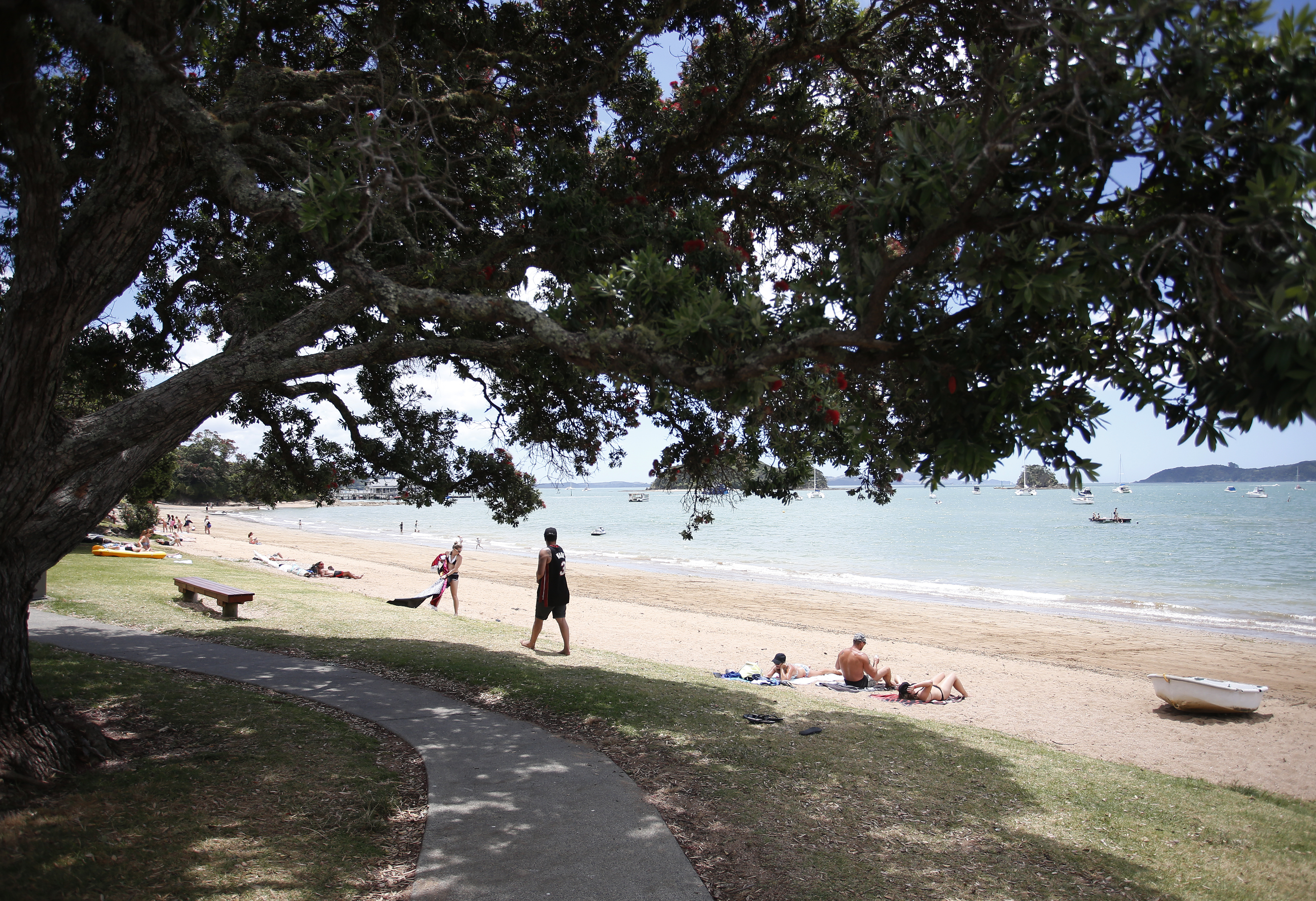
Wilkins said Northland’s reputation as a tourist hotspot made the region a haven for recreational drug use.
“ ... More wealthy people come into the region who want to party and have a good time. Those are natural areas for drug markets to develop.”
Wilkins said various reasons were behind the soaring demand for methamphetamine.
Methamphetamine traditionally hailed from the “Golden Triangle” between the Thai border and China but was now coming from Central America and Mexican cartels, he explained.
“They’re undercutting the price of the Asian suppliers, so there’s a little bit of a price war going on.”
Wilkins said the price of methamphetamine has steadily declined and the level of consumption has increased.
Places manufacturing the drug were doing so on a “very large scale” - a dramatic shift from the early 2000s when a lot of methamphetamine was manufactured domestically.
Wilkins said the markets themselves had also digitised - darknets, encrypted websites, and phone apps made them hard to infiltrate.
He spoke of how Northland’s isolated coastlines overlapped with sea freight routes and made it naturally advantageous for drug smuggling.
Just last year, police revealed they were searching for a vessel which had got into trouble about 50 nautical miles off the Bay of Islands.
The boat was understood to have been trying to bring in 700kg of methamphetamine.
If it had made landfall, the haul would have been a 200kg increase from the infamous Ninety Mile Beach methamphetamine bust of 2016.
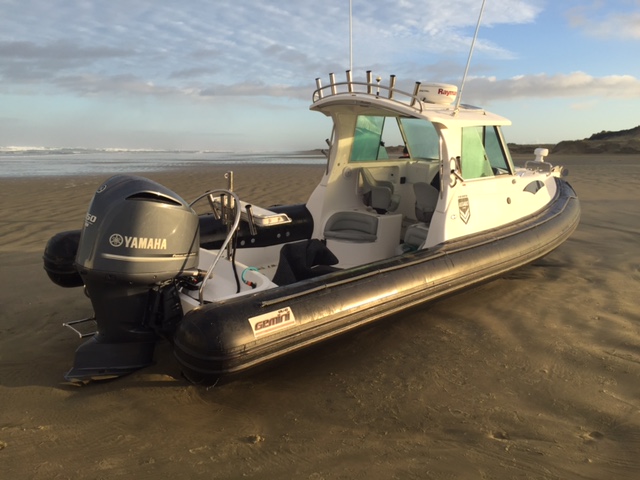
Wilkins said traffickers were prepared to take more risks when sneaking the drugs through customs.
While seizures at the border were happening, it was highly likely that methamphetamine was still getting through undetected, he said. From the traffickers’ point of view, the replacement value of drugs was manageable.
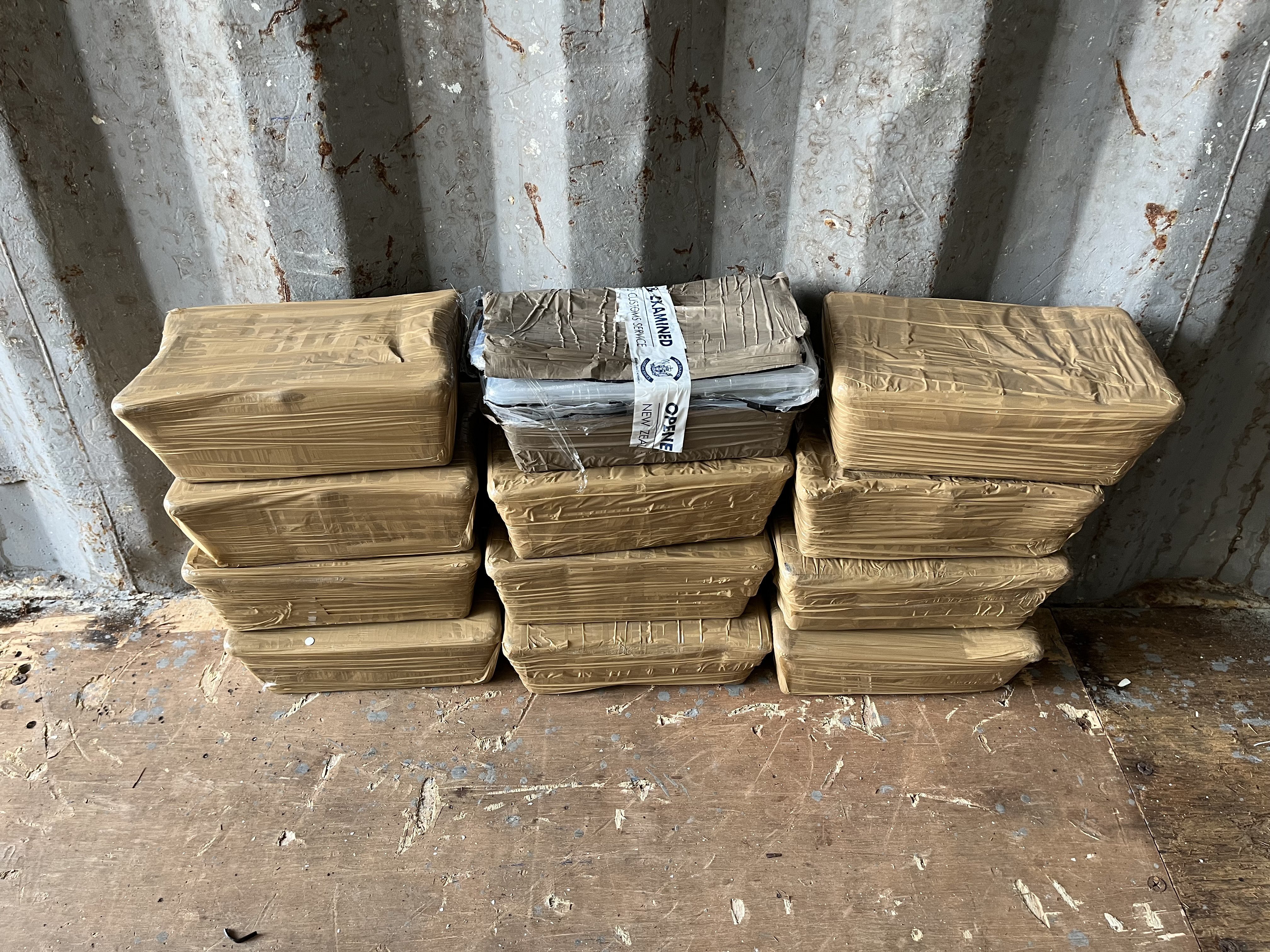
Wilkins said concealment of drugs was becoming savvier, and those seized were found in much larger amounts.
“I think a lot of these trafficking organisations are really sophisticated.”
They’d had decades to perfect their methods, he said.
“Ten years ago, you’re talking about 10 kilos was a big seizure. Now it’s hundreds of kilos, and it goes all the way up to a tonne of meth.
“That’s a hell of a lot of meth.”
Wilkins said for Northland, the outcome of all those elements was devastating.
“It’s a whole load of societal problems fuelled by meth.”
Brodie Stone covers crime and emergency for the Northern Advocate. She has spent most of her life in Whangārei and is passionate about delving into issues that matter to Northlanders and beyond.