Rural health gap: Call for fair funding amid 23% higher death rate
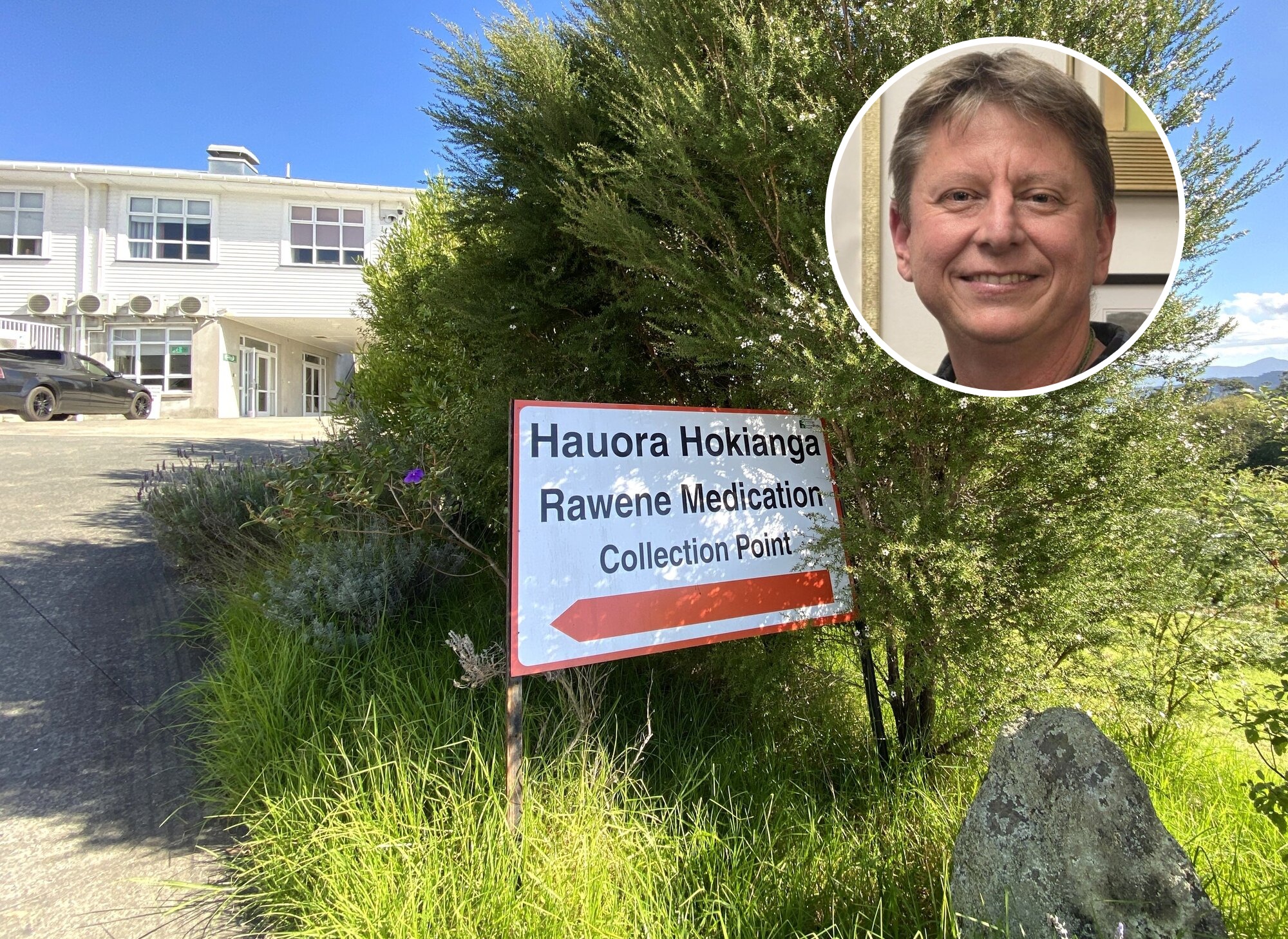
Rural residents have a 23% higher mortality rate than their urban counterparts, according to a Northland health leader.
This meant rural health providers needed more funding than their urban counterparts to combat the higher health needs, Associate Professor Kyle Eggleton said.
His comments come as Hauora Hokianga worked to overturn a $2.3 million deficit and Health New Zealand finalised its Rural Health Services Framework.
Eggleton, a former Hokianga GP and now associate professor of general practice and primary care at the University of Auckland, wrote his PhD on inequities faced by Māori health providers.
He said the higher mortality of rural residents came from several factors, including poorer socioeconomic status, institutional racism, and accidents from high-risk occupations and rural roads.
But inaccessible healthcare was also a large component of the higher death rate, Eggleton said.
Rural health providers needed to engage patients to tackle this mortality rate, such as providing clinics in remote villages, he said.
Hauora Hokianga’s Rawene Hospital was an example of a community-run service often forgotten and underfunded, said Eggleton, a former Northland District Health Board member.
Hauora Hokianga planned on returning to surplus after posting a $2.3m loss in the year to June 30, 2025, and budgeting a $500,000 loss this financial year.
Eggleton said it needed greater funding from Health New Zealand Te Whatu Ora to address historical underfunding and more flexible contracts so it could deliver solutions it knew would work in the community.
“If we boil it down, we need to have equitable funding. It needs to take into account the uniqueness of Hokianga and small hospitals in remote settings.”
Hokianga’s return to surplus will not cut services
Hauora Hokianga’s five-year strategic financial plan, developed with input from independent accountants BDO, would help it return to a sustainable financial position.
Chief executive Margareth Broodkoorn would not release details, such as when the organisation would return to break-even, but said the plan protects the services Hokianga people rely on.
“The plan is not based on cuts to services. We are not closing and we are not reducing services.”
Changes included tighter budgeting and reporting, improved systems and careful cost management, she said.
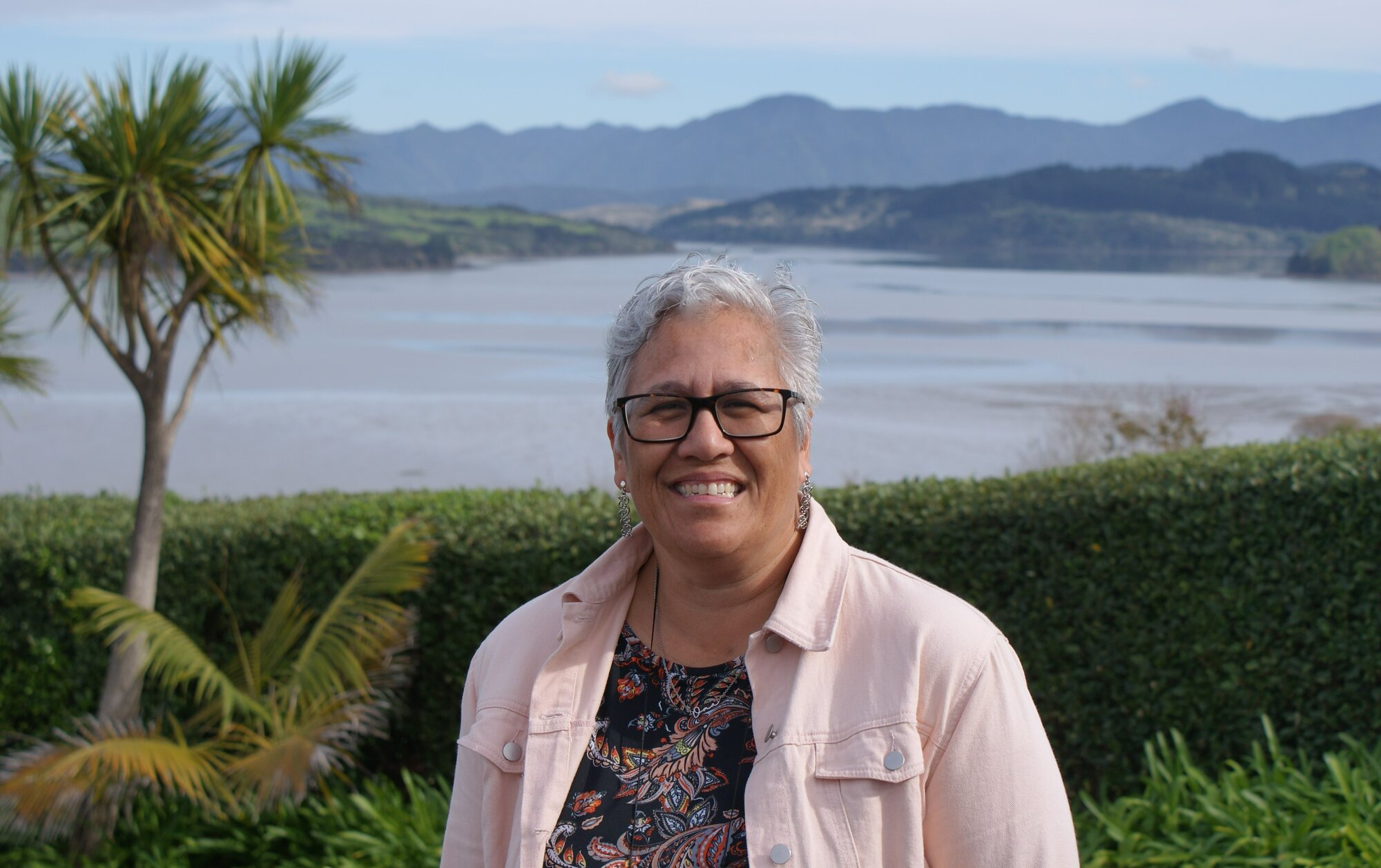
While continuing to advocate for fair funding from Health NZ, Hauora Hokianga would also seek to diversify revenue, Broodkoorn said.
One example was an application to be lead contractor for a $9m nationwide programme of fetal alcohol spectrum disorder (FASD) assessment, diagnosis and support.
If successful, Hauora Hokianga would work with clinical providers around the country to provide the three-year contract.
Broodkoorn said the strategic financial plan had been received by Hauora Hokianga’s board and key elements would be shared with the public over the next couple of months.
Hauora Hokianga services essential – patient
The reassurance Hokianga health services would not be cut came as a relief to Rawene’s Mark Craig.
The self-described “best customer” of Rawene Hospital had suffered three heart attacks and three strokes since 2007 and relied on the healthcare given at the hospital.

The hospital not only offered life-saving services but was also a key employer in the area, Craig said.
He said Hauora Hokianga was essential and questioned why it had such a dramatic financial fall, after making a $2.8m profit in 2023.
‘Rural funding has historically been fragmented’
Health NZ continued to work with Hauora Hokianga to identify and understand its financial sustainability challenges.
The sustainability of Hokianga’s health services is a key consideration and there are no plans to close Rawene Hospital, said northern region director of planning funding and outcomes, Danny Wu.
Rural health services receive targeted funding to recognise the unique costs and challenges of delivering care in rural communities, he said.
This included a rural adjuster and targeted initiatives, like workforce support and rural telehealth.
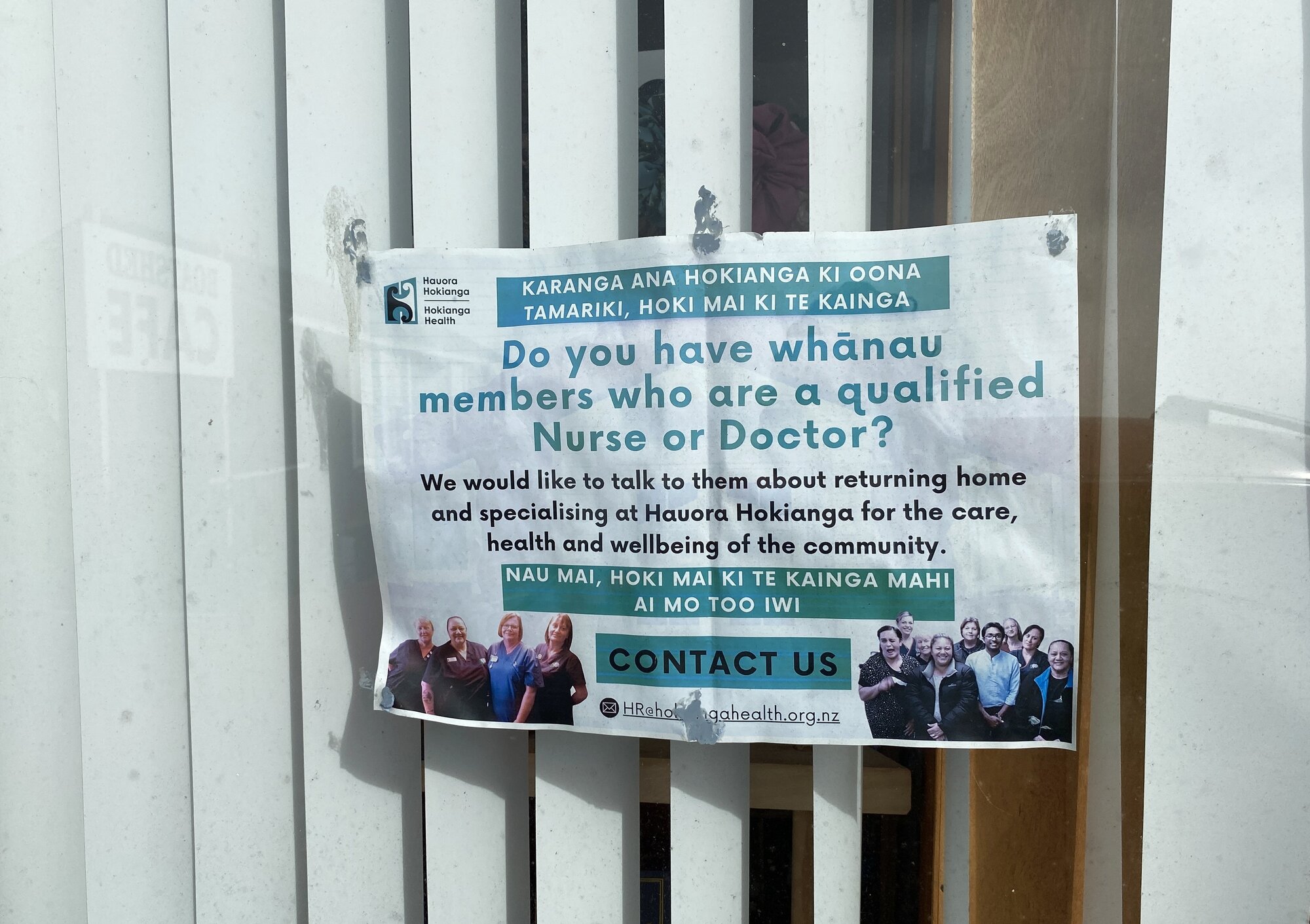
Wu acknowledged rural service planning had historically been fragmented because of the way former District Health Boards made planning and funding decisions at a local level.
Health NZ was working on a Rural Health Services Framework, due to be finalised in the middle of the year, he said.
“The framework is intended to guide health planners to support more nationally consistent and fair access to care for rural communities.
“The focus is on supporting continuity of care and ensuring communities continue to have access to essential services.”
There were also changes to primary care funding, which included assessing increased costs for providing rural primary care, Wu said.
Hokianga was also one of 70 rural and remote locations set to get strengthened urgent and after-hours care as part of Budget 2025.
The sites listed in the framework include Hokianga, Dargaville, Kaikohe, Kaitāia, Waipapa, Kawakawa and Mangawhai, while Whangārei’s urgent care will also be extended to 24/7.
Denise Piper is a news reporter for the Northern Advocate, focusing on health and business. She has more than 20 years in journalism and is passionate about covering stories that make a difference.