Security to be focus for Waitangi Day in Northland as Treaty debate heats up
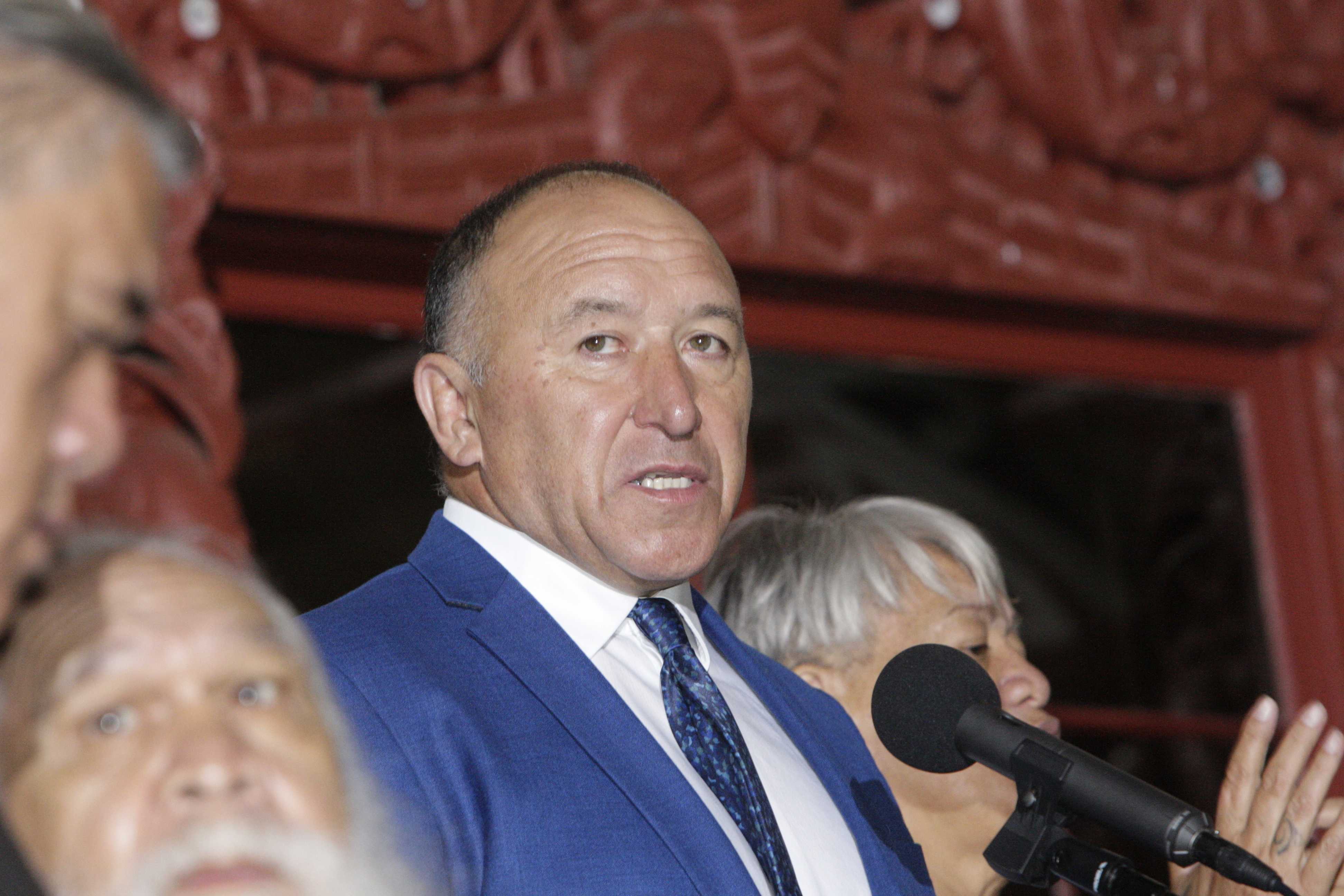
Ensuring there is enough security on Waitangi Day is a key focus for those running Waitangi Treaty Grounds, as debate about the country’s founding document heats up.
There have already been protests around the country against the Government’s Māori agenda, including removing te reo Māori names from government departments and a bill to define the Treaty of Waitangi principles.
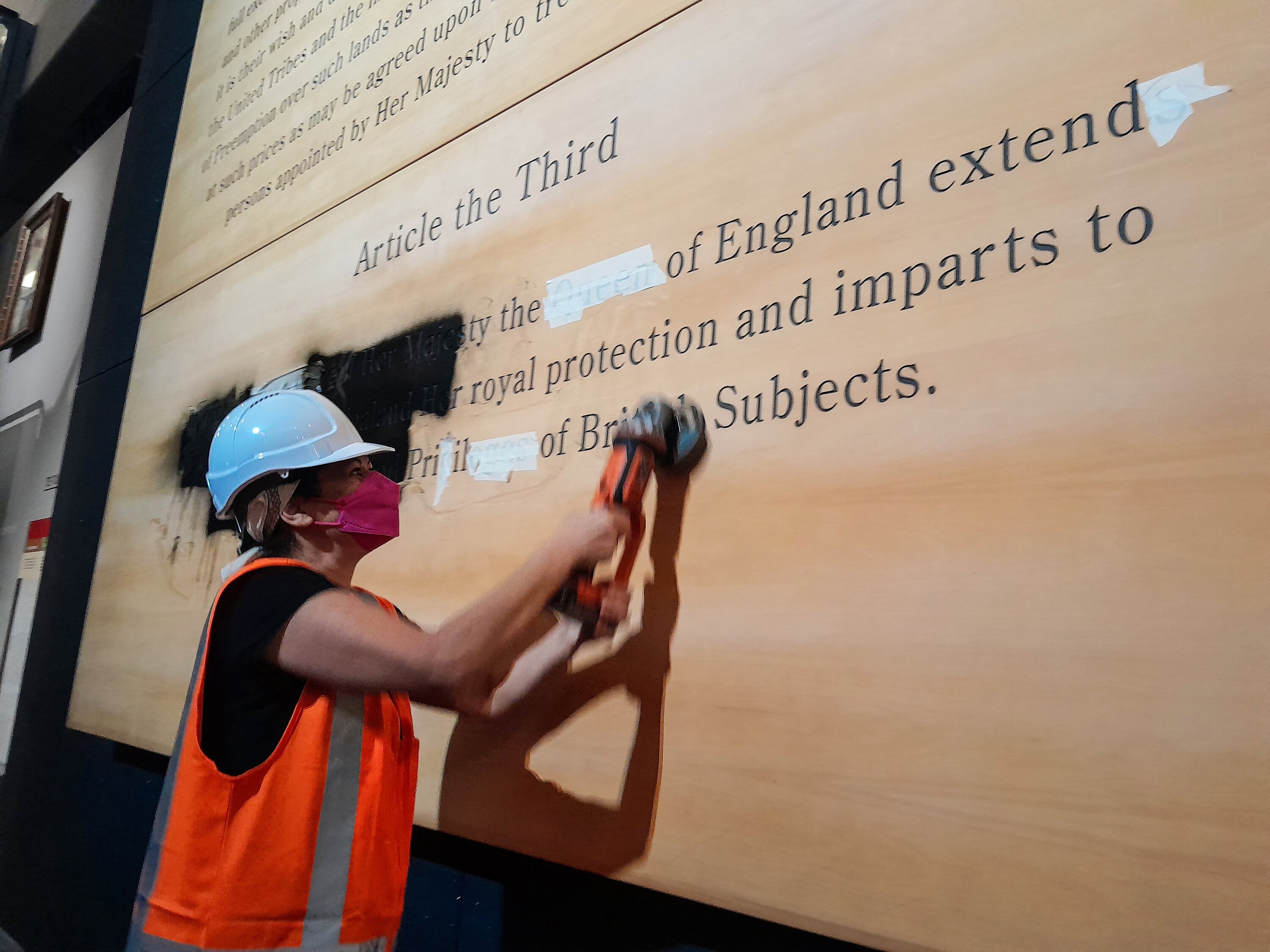
On Monday, protesters entered Te Papa Museum in Wellington to vandalise its Treaty of Waitangi exhibition, which placed the English text in equal prominence with the differing te reo Māori version signed by rangatira (chiefs).
International law and the Waitangi Tribunal both recognise Te Tiriti o Waitangi - the te reo Māori version - as the version of prominence and say Māori did not cede sovereignty.
Waitangi National Trust chairman Pita Tipene said security for the February commemorations is a key focus as discussions about Te Tiriti continue.
“Things are getting heated at the moment,” Tipene admitted.
“We always want people to be safe. We want to provide an environment where the Treaty partners - the Government and Māori people - can have a robust debate and feel safe doing so.”
Tipene said the Museum of Waitangi upped security last month when a precious piece of kauri gum was taken from an exhibition, only to be returned days later.
It has not felt the need to further increase security after the Te Papa protest, nor has it had any protest threats against its own permanent Treaty exhibition, he said.
“The museum is articulating the promise of Waitangi in a way that people see is fair and genuine.”
Most New Zealanders need more education about Te Tiriti, despite knowing it is the constitutional basis of this country, Tipene said.
“Largely, people of New Zealand see Te Tiriti as an enigma. They don’t what it means or what it represents,” he said.
“It gets even more hazy when people throw all sorts of interpretations into it; when you get the likes of David Seymour saying his principles.”
While Tipene preferred light to be shed on Te Tiriti rather than political heat, he supported Seymour’s move to encourage debate.
Treaty education group Network Waitangi Whangārei also said more education about Te Tiriti was needed, including for some politicians.
Group spokesperson Moea Armstrong said she felt “up against it” when trying to explain the importance of Te Tiriti, after seeing how Te Papa was undermining that work with prominence of the English version.
“It was like a silent scream. I thought I had wasted 10 years of my life doing Treaty education when no one could compete with the thousands of people who pour into Te Papa.”
Network Waitangi Whangārei wrote to Te Papa back in 2006 outlining the problems with its exhibition, Armstrong said.
In the 17 years since, the museum inserted just one small plaque outlining differences in the versions, she said.
Te Papa’s Treaty exhibition has been defended by Museums Aotearoa chief executive Adele Fitzpatrick, who said the exhibition intended to explore the tensions of having two versions.
Denise Piper is a news reporter for the Northern Advocate, focusing on health and business. She has more than 20 years in journalism and is passionate about covering stories that make a difference to Northlanders.