Iwi and solar firm see an opportunity
The company behind New Zealand's biggest solar farm project wants to work with a local iwi to double the size of the power station in future.
Far North Solar Farms launched a $30 million solar farm venture at Pukenui last week, with Prime Minister Jacinda Ardern turning the symbolic first sod.
The 12ha solar farm will be the biggest in the country once completed later this year, though it's a title it won't hold for long, with a raft of similar projects in the pipeline around Northland.
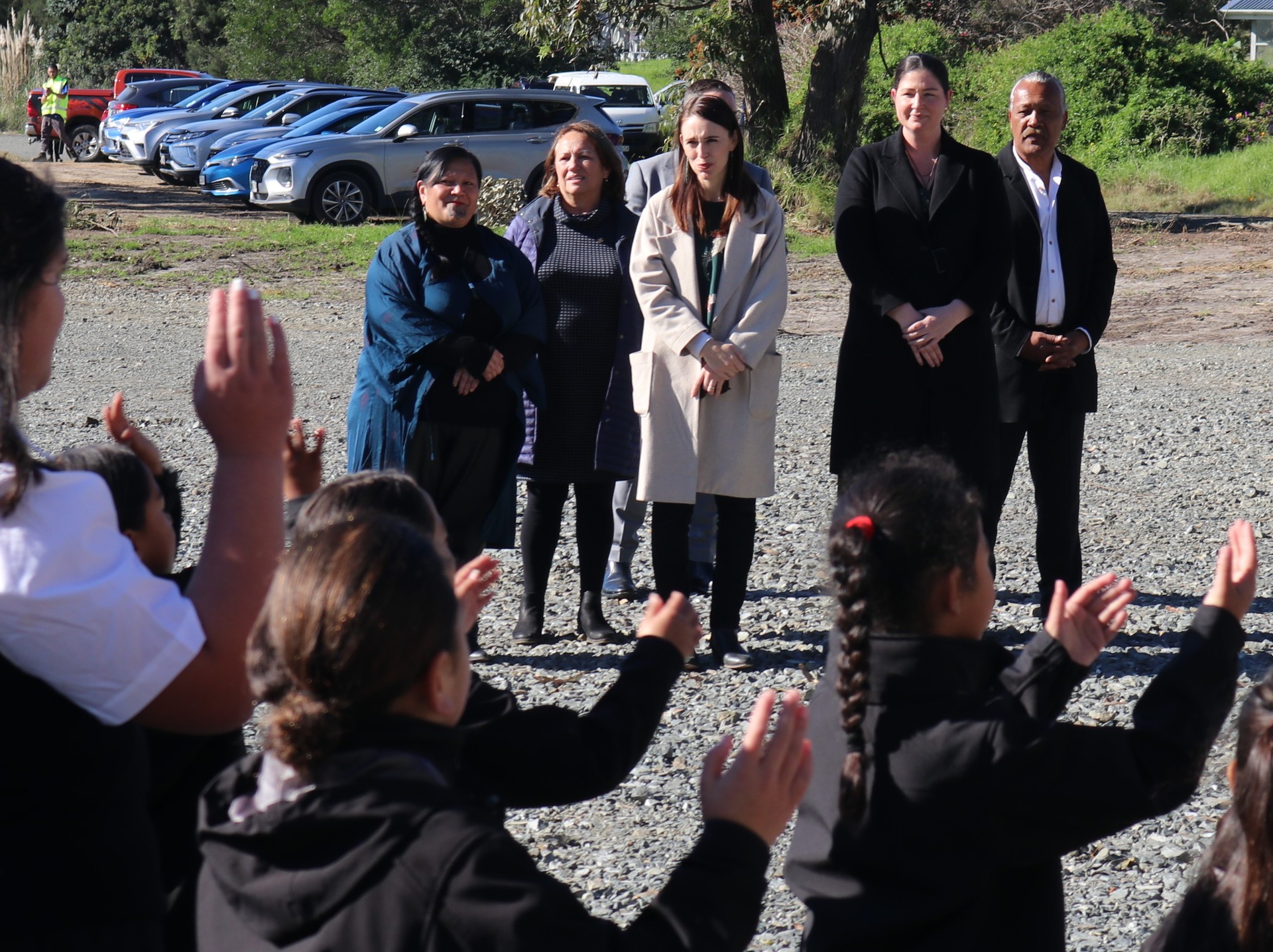
Thursday's launch ceremony was hosted by Te Rūnanga Nui o Te Aupōuri, chief executive Mariameno Kapa-Kingi saying the iwi hoped to do business with the company.
Land for the new power station was leased from a private owner, but much of the surrounding farmland was owned by Te Aupōuri.
''We've got the whenua, they've got the funds - let's work together,'' Kapa-Kingi said.
Richard Homewood, a director and part-owner of Far North Solar Farms, said Te Aupōuri's land could allow the farm to be doubled in size. Any more than that would be beyond the capacity of Top Energy's Pukenui substation, and would require the installation of batteries, allowing energy to be released after sunset.
Homewood said he had been ''blown away'' by the iwi's support.
''We're excited to build a relationship and see what we can do," he said.
The company had also been supported by the Far North District Council and lines company Top Energy.
The Far North site had been chosen for its sunshine hours, limited local generation, and proximity to the Lamb Rd substation. And according to Homewood it was fitting that it was towards the top of New Zealand.
''It'll be a beacon for the whole country. We'll see a big wave of change after this," he said.
The farm would use fixed rather than motorised panels, because that meant less maintenance and lower building costs.
Meanwhile the company planned to build 1 gigawatt of solar generation, 60 times the peak output of the Pukenui farm, around the country over the next five to eight years.
Ardern said blazing sunshine during Thursday's ceremony underscored why the Far North had been chosen for the venture, adding that it was part of New Zealand's transition away from a carbon-based economy, which would bring challenges and require a lot of new power generation.
It would also require better power storage for dry years, when hydro dams were at low levels, hence the government's $30 million investment in Phase 1 of the New Zealand Battery Project.