Ngāpuhi want urgent Government action to fight meth crisis and other social issues
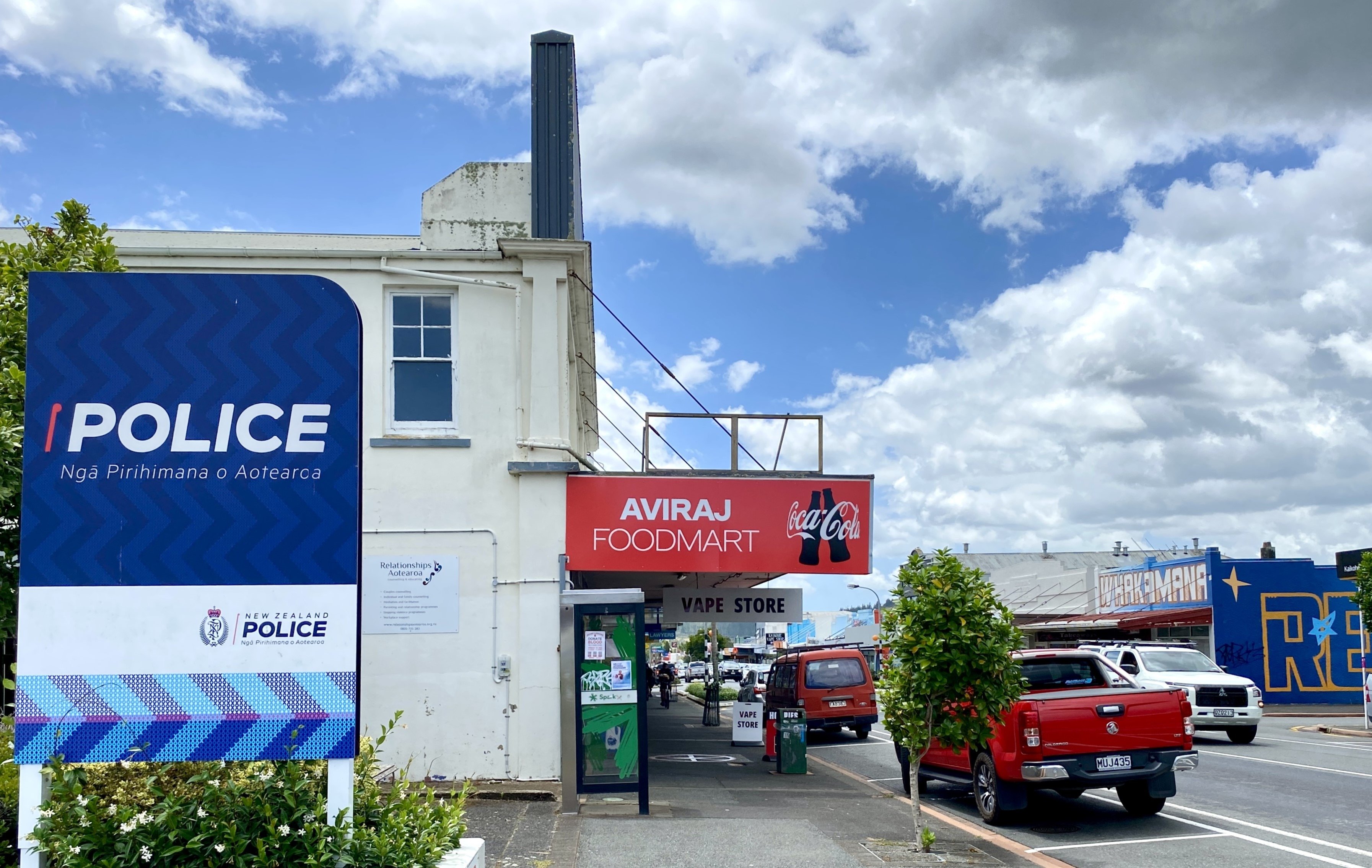
A youth seen smoking methamphetamine in Kaikohe’s main street underlines the methamphetamine crisis within Northland, prompting Te Runanga a Iwi o Ngāpuhi to ask the Government for urgent action.
Te Runanga a Iwi o Ngāpuhi chairman Mane Tahere has called for urgent and enhanced support from the Government to address the worsening social and poverty crisis within Ngāpuhi. In light of recent national political challenges and cuts to funding and jobs, the focus has shifted away from the critical issues that are affecting everyday whānau right now.
Tahere said as the situation escalates, immediate Government intervention is necessary.
The situation was graphically brought home to him when he observed a rangatahi smoking a meth pipe on the main street of Kaikohe during the day.
“The crisis within Te Whare Tapu o Ngāpuhi is worsening, with rising violent crime, family harm, and the devastating impact of methamphetamine use,“ Tahere said.
“In the past few weeks alone, we have seen three homicides and countless incidents involving drugs, highlighting the severity of the situation.”
He said the lack of housing, jobs, and essential services are further compounding the crisis in the region.
Kaikohe locals believe methamphetamine use in their town has reached epidemic proportions, with the drug easily found on every street corner.
With a population around 4500, the rural town is in the heart of Northland, which has the unenviable title of the meth capital of New Zealand. Most recent wastewater testing done for police shows nearly 2000mg of meth per day is consumed per 1000 Northlanders.
Some groups in the town, such as the Kaikohe-based Whakaoranga Whanau Recovery Hub, Te Ara Oranga and the Salvation Army Bridge programme are trying to help, but Government intervention is wanted, including more police on duty.
Tahere specifically called out the inadequate policing in the area, citing the recent homicide of a Ngāpuhi uri at Mangakahia Kaikohe, where police were alerted to escalating violence beforehand but were unable to intervene in time.
“With only six officers on duty at any given time to cover vast areas like Kerikeri, Paihia Kawakawa, Kaikohe and Hokianga, the safety of our people is at risk. We demand accountability from the Police Commissioner and Minister.”
He said the methamphetamine crisis in Ngāpuhi has reached alarming levels, with Kaikohe recently identified as the “meth capital” of Aotearoa.
“We have local NGOs and over 200 staff from Te Runanga a Iwi o Ngāpuhi Group working tirelessly to combat these issues, but more resources are urgently needed.”
Tahere was frustrated with the Government’s decision to not allocate Resilience to Organised Crime in Communities (ROCC) funding directly to iwi, despite the widespread distribution of meth across the many Ngāpuhi valleys and the region.
“Throughout this entire time, the critical issue of mental health affecting both the victims and perpetrators of crime has been disregarded and overlooked by the Government, particularly in the Ngāpuhi rohe. This neglect has compounded the challenges our communities face, leaving a vulnerable population without the necessary support and intervention they so desperately need,” Tahere said.
“We need the proper resources to empower our whānau, marae and hapū to fight this epidemic. We are ready to escalate this work but we need the Government to stand with us.”
And he is calling on the Government to act now.
“For months, we have been ready to do more for our people. It’s time for the Government to step up and provide the resources needed to make a real difference. We will no longer stand by while our whānau suffer. We are ready to act if given the support.”