Act councillor the only vote against more Māori voices for Far North council committee as mayor says: ‘On with the mahi’.
Tempers were high after a Far North councillor claimed in a podcast interview that a co-governance ‘takeover on steroids’ was happening. The claims have been dismissed and the Far North council has voted hapū representatives to its consultation committee, much to the delight of a crowd of 100 outside. David Fisher reports.
After extraordinary online heat, the Far North District Council this morning voted to pursue its approach to Māori involvement in local body politics.
The only vote against was from councillor Davina Smolders, whose claims online about “co-governance on steroids” had set off a social media firestorm.
Outside the council chambers in Kaikohe, there was jubilation among the 100 or so people who had gathered with Tino rangatiratanga flags and signs in support of the council direction.
For Smolders, there was no visible support inside the council chamber or outside among the gathered public.
The meeting was a process step rather than one that set a definitive new approach to consultation. The steps towards structured consultation with Māori – almost 50% of the Far North population – began years ago under a different council and mayor.
But the issue blew up after Smolders made allegations about “co-governance on steroids” in a podcast interview with former TV3 political editor Duncan Garner.
She called for the Local Government Minister Simon Watts to appoint a Crown monitor, claiming Māori influence was “infiltrating every single decision” and was a “complete takeover” resulting in “two systems, two rules”.
Watts has declined to do so, saying there was a high threshold in law to intervene that had not been met.
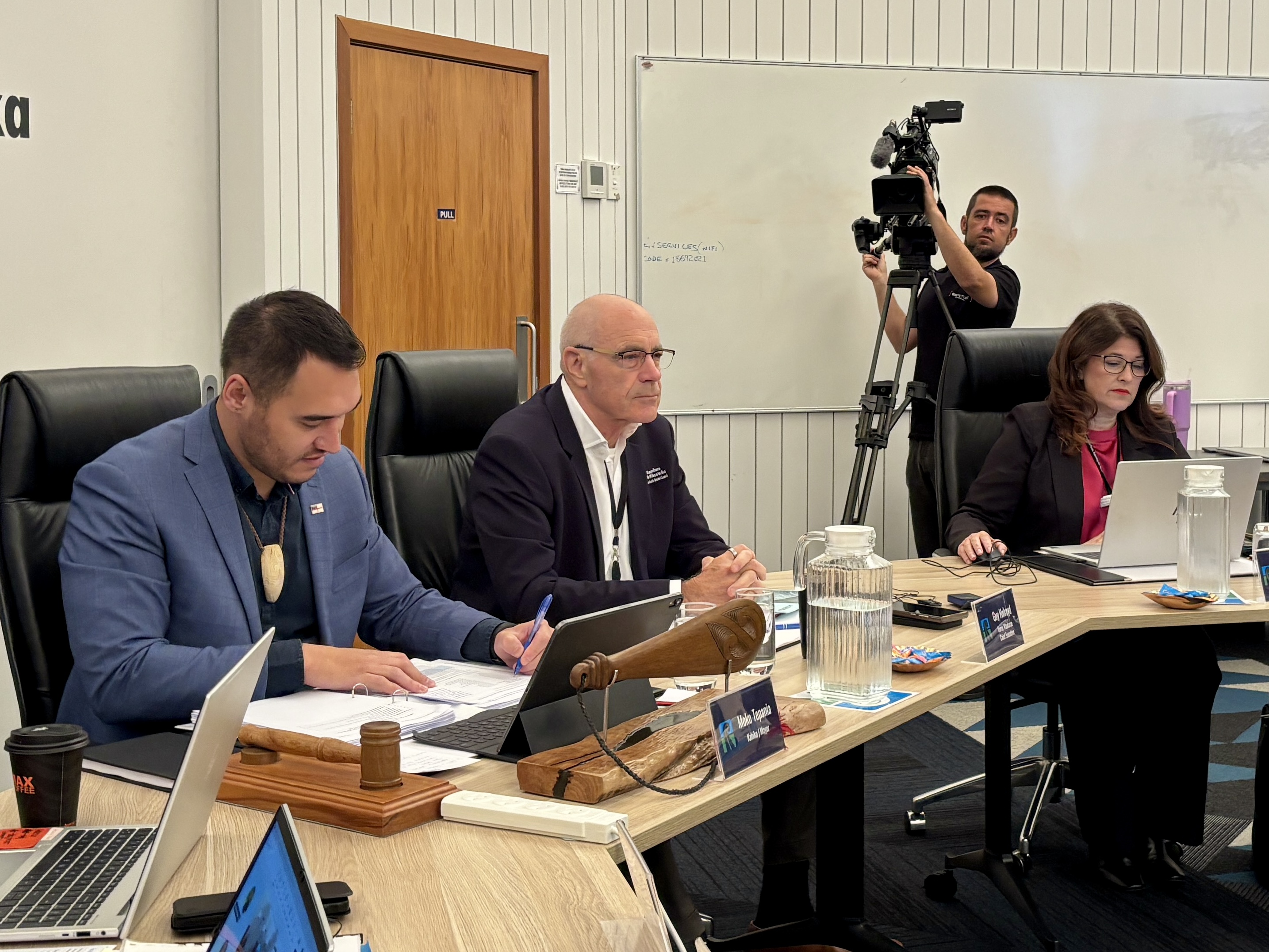
At today’s meeting, councillors voted (nine to one with one abstaining) to confirm representatives from specific hapū to sit on the council’s Te Kuaka committee. Smolders was the single opposing vote.
Once appointed, those representatives would hold full speaking and voting rights alongside elected councillors on a committee tasked with shaping Māori strategic relationships and embedding Te Tiriti-based partnership in council decision-making.
Committee members do not make final decisions on matters but vote on issues that are then put forward to a full council of elected members who have the final say.
Mayor: ‘We are carrying on with our mahi’
Supporters argue the model reflects the legal framework under the Local Government Act, which requires councils to improve opportunities for Māori participation, and the demographic and constitutional reality of the Far North.
Smolders says it concentrates influence in the hands of people not directly accountable to voters.
After the meeting, Tepania said the process that had caused so much heat on social media had been put in play before he was first elected in 2022 and was in line with the 2002 local government legislation.
“We have too much mahi to do for the people of the Far North, to get us forward, to be having a debate over whether or not something is legal when it has been legislated already.
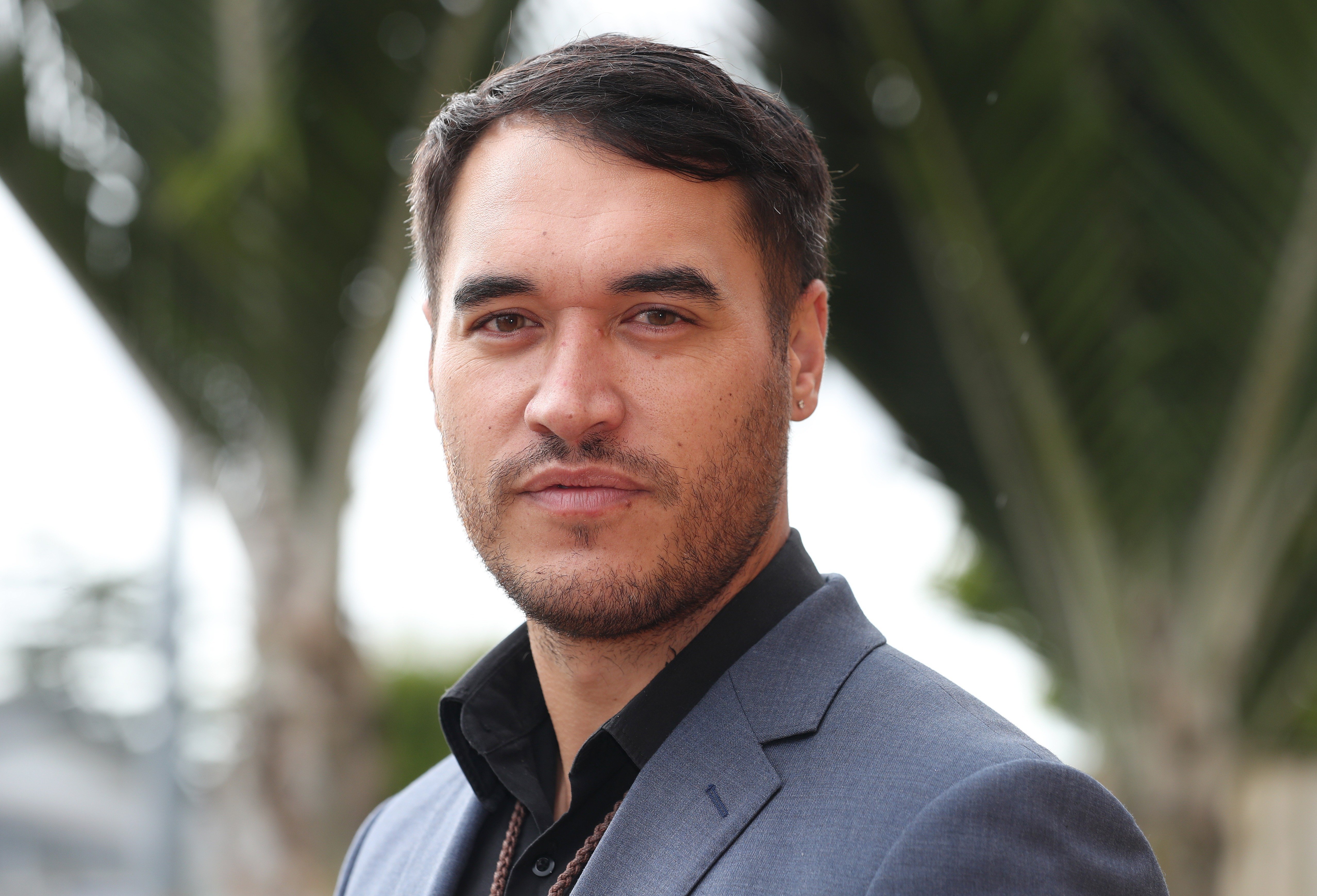
“So I say to those that want to try and detract or to put focus on us on whether or not the instruments that we’re implementing in here to include Māori at the final district council are right or wrong, that argument and that debate needs to go to central government who have legislated that it’s absolutely fine and we are carrying on with our mahi.”
Online angst was heightened when Tepania was asked for an interview by Garner and told him to “f*** off”. He has since apologised.
Tepania said today he would not apologise again. “I think we can leave it at that and get on with the mahi.”
Tepania offered forward-looking comments but in a statement last night described claims made about the council’s consultation processes as “false, misleading, and unfounded”.
He said claims around governance, decision making and the role of iwi and hapū representatives “do not reflect the legal or operational reality of how this council functions”.
Speakers at the meeting included Ngāti Hine leader Pita Tipene, Te Rūnanga-Ā-Iwi-Ō-Ngāpuhi chairperson Mane Tahere, Ngātiwai Trust Board chairman Aperahama Edwards, who is also co-chairman of Pou Tikanga for the National Iwi Chairs Forum, and Ngāti Hine kaumatua and veteran broadcaster Waihoroi Shortland.
MPs Hūhana Lyndon and Mariameno Kapa-Kingi were also present and spoke during the meeting.
The sole voice against today’s vote was Smolders, who said she believed there were issues with the legal framework and “was not comfortable supporting” a proposal that had “uncertainty”.
Outside the meeting, Tipene told the Herald that the bicentennial of the signing of the Treaty of Waitangi was 14 years away and New Zealand was moving towards the promise made in that document.
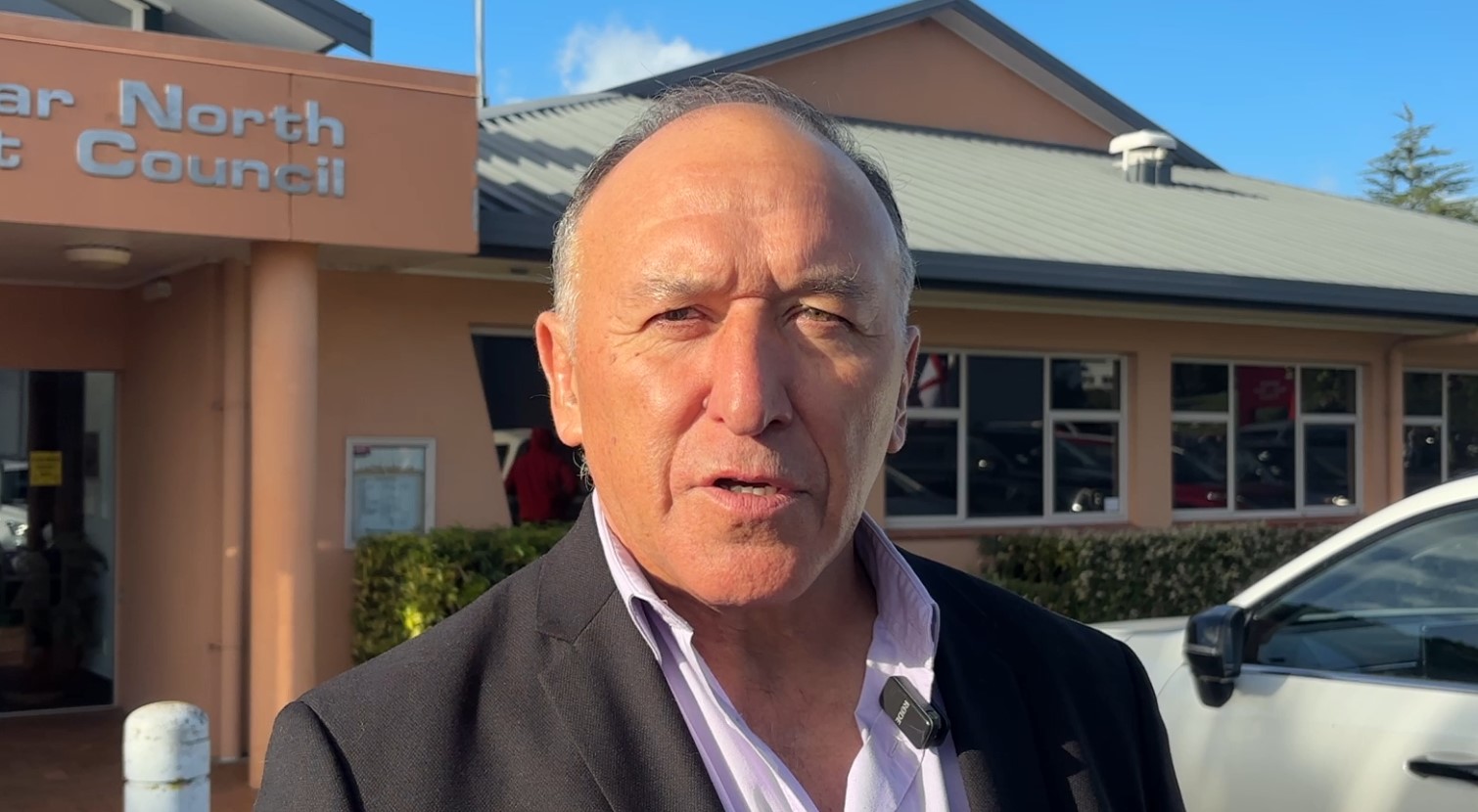
He said increased voting in the Far North reflected Māori finding a voice at the ballot box.
Northland leader says friction ‘tearing our communities apart’
“I think that the increased voting of the Māori people across Northland came about because Māori are now feeling part of the institution that is local government. I think it’s a fantastic thing.”
Tipene said the friction that had erupted through social media in recent weeks was not constructive.
“I think it’s tearing our communities apart and we really need to bring more light to the situation and less heat. What I mean by that is that we have to talk with each other and not past each other.
“I’ve listened to the rhetoric on social media and elsewhere, it’s not good for Northland and it’s not good for our country.”
Kaikohe-Hokianga Community Board chairwoman Jessie McVeagh said there appeared to be a lack of knowledge about the way local government functioned.
“We’re not taught about local government. We’re not taught in civics in my experience and there’s a lot of misunderstanding about how things work. I think ... that misunderstanding has caused some friction,” she said.
“This is Te Tai Tokerau. This is the Far North. All of the people should have a place to be heard. Local government has so much influence on our lives so it’s a place for everybody and previously tangata whenua have been largely left out.
“Māori wards and our Kahika Moko [Tepania] have created a space for much more inclusion. I think that’s a good thing.
“I don’t think that’s something to be fearful of. I think there’s unfounded fear of inclusion and of listening and working together.”
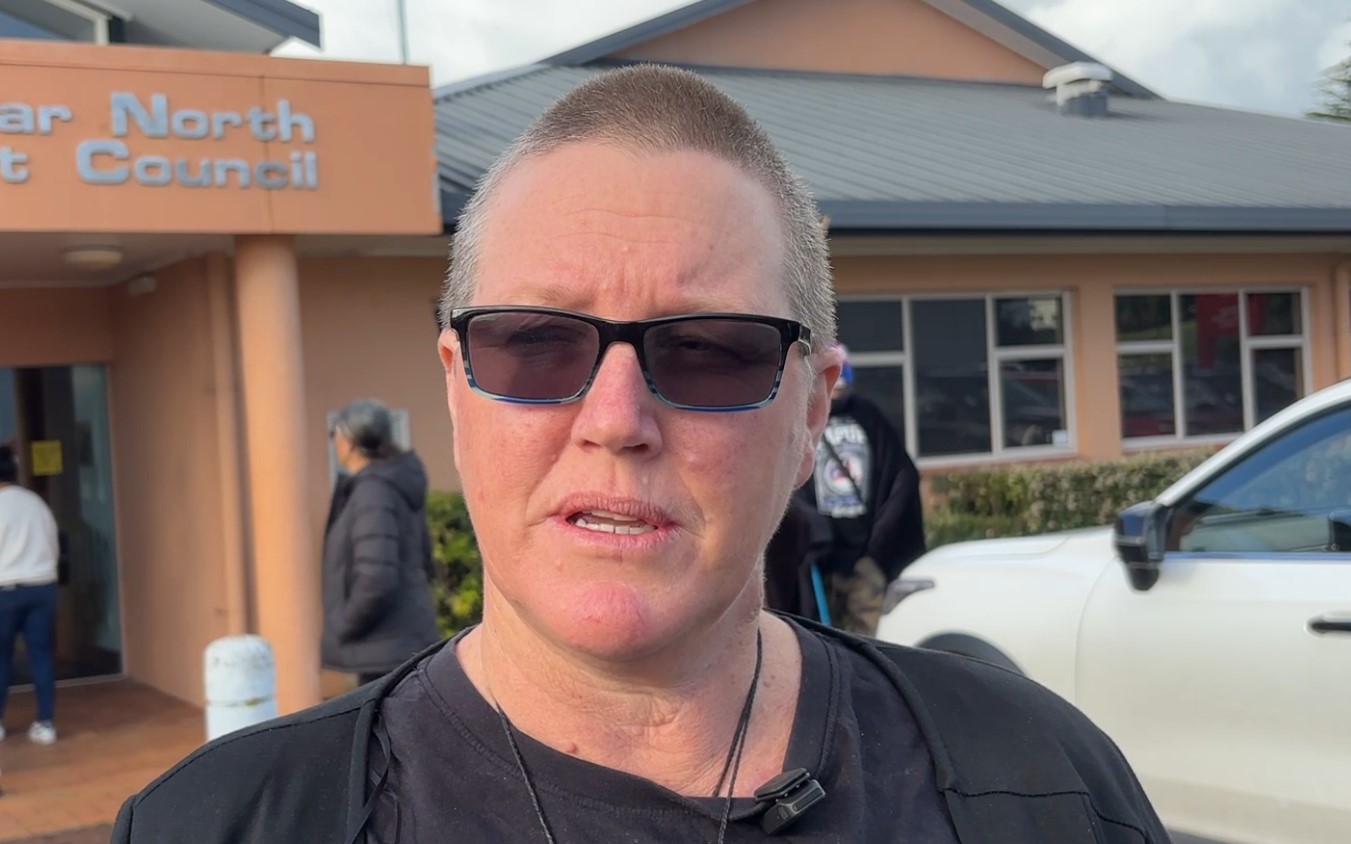
Roddy Pihema, of the Bay of Islands-Whangaroa Community Board, told the Herald that Māori were often not represented in spaces such as local government, which partly motivated him to stand for election.
“Our Māori population have always felt that within local government they were never truly listened to. To have the Māori wards and the other councillors coming together and standing with the mayor and forming these working relationships, it’s a positive.
“I can say honestly now that our communities are not being neglected. Not at least by local governance – maybe by central but not by local governance.”
Smolders stood as an Act Party candidate in the local body election last year and in her campaign raised concerns over agreements signed between council and iwi.
She was voted in, but Tepania was also returned as mayor and the district voted to retain Māori wards.
She said she was subject to nine “code of conduct” complaints to the council. She has also said her activism has led to her needing to seek police support on 13 occasions after threats of violence.
Watts has rejected the call for a Crown monitor, saying “it’s not for Wellington to go intervene” in a local council “every time they do something I don’t personally agree with”.
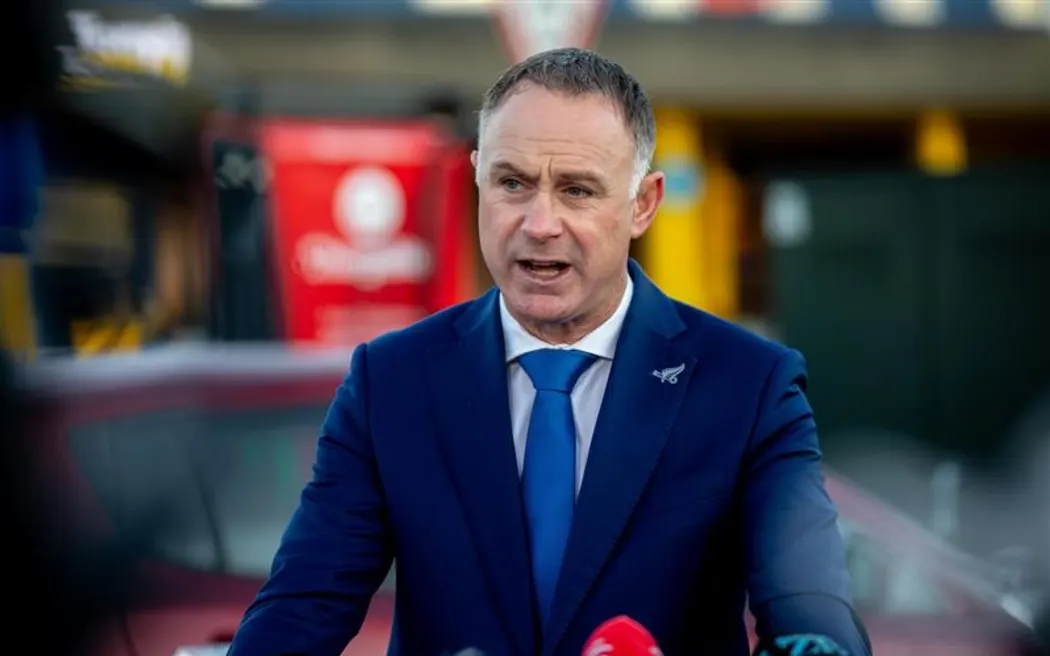
He said he had asked officials from the Department of Internal Affairs to report back if there were any concerns. It was a step Watts described as “standard practice”.
Local MP Grant McCallum (National) was reluctant to comment on an issue that had polarised a chunk of his electorate but referred to his maiden speech in Parliament, which called for the North’s diverse communities to work together for the benefit of all.
“The current situation in Northland is not helping with that and as a local leader and MP I’m disappointed in that and would urge everyone to focus on bringing us together rather than driving us apart.”
Smolders’ campaign is one that has caused an uproar in a district of 71,430 (2023 Census) and of which 35,679 identify as Māori.
Data shows her support base is richer than much of the Far North and has a lower Māori population.
She represents the Bay of Islands–Whangaroa general ward, campaigning on rates restraint, efficiency, core services and “equal, universal human rights” – messaging straight out of the Act Party’s local government manifesto.
Smolders is based in the Kerikeri-Waipapa area, where incomes and home ownership are higher than the district average. Kerikeri’s population of 8070 has 1479 residents identifying as Māori.
The Far North district as a whole is poorer than the country, with average household income of $99,631 in 2025 against $135,224 nationally.
But even as a poorer district, data shows there is a significant divide between the comparatively secure Kerikeri-Bay of Islands area and economically stressed Māori heartlands further west and north.
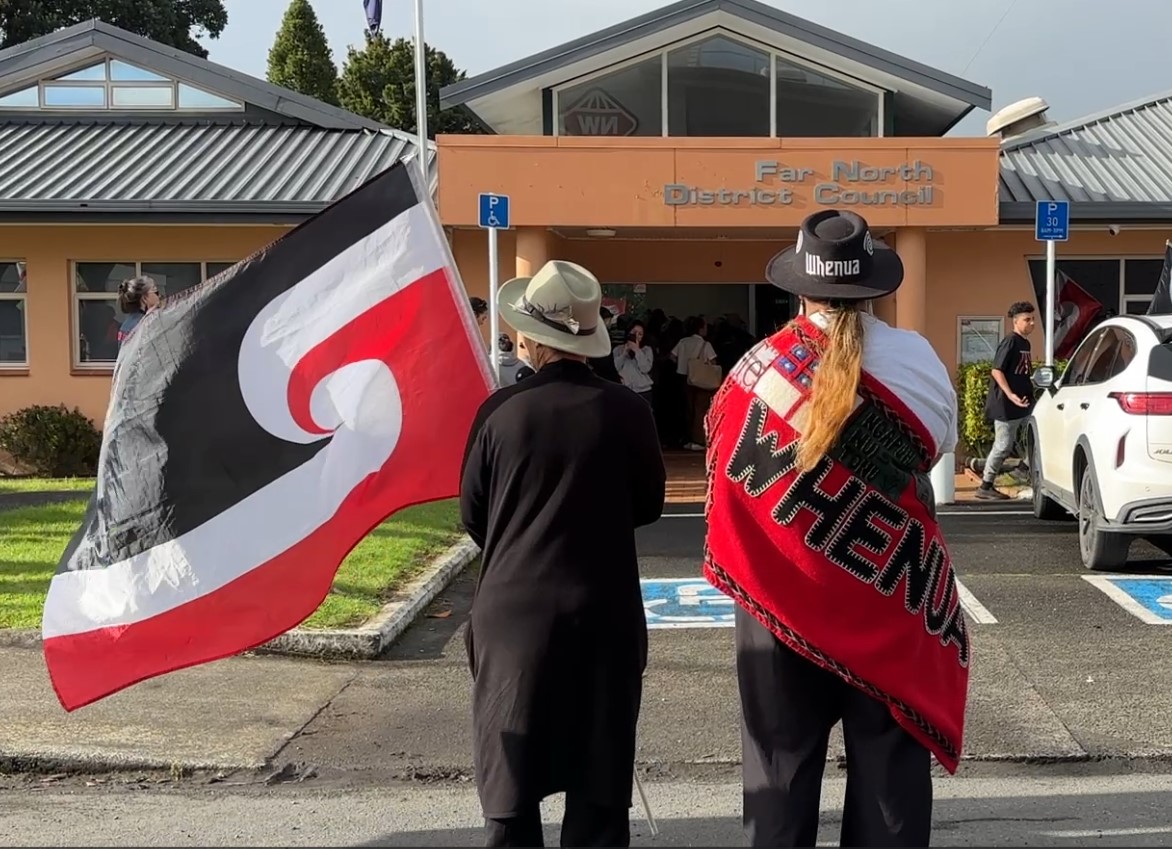
The council headquarters is based in Kaikohe, 25 minutes’ drive away from Kerikeri, where there are much lower incomes, deeper deprivation and a stronger dependence on public services.
Mood of the meeting-goers: Majority back Mayor’s vision
Tepania’s base produced a strong showing at the recent State of the North gathering, which the council uses to tell the public of its plans. The event at Kerikeri’s Turner Centre events complex attracted hundreds of people for the annual update on the council’s finances and focus.
The Herald attended the event and spoke with a number of those attending, among whom were people from a broad range of Māori organisations.
Those spoken to reflected Tepania’s efforts to politically organise supporters, with many saying they took their positive reflections on the council’s work back to their communities across the Far North.
The range of those attending suggested a strong political base for Tepania, who has galvanised support among a Māori constituency whose voice has not previously been considered to have been heard.
With Tepania’s appearance as a candidate in 2022, voter participation surged above 50% against a national average of about 40%. In elections before Tepania’s tilt at mayor, voter turnout sat around the national average.
David Fisher is based in Northland and has worked as a journalist for more than 30 years, winning multiple journalism awards including being twice named Reporter of the Year and being selected as one of a small number of Wolfson Press Fellows to Wolfson College, Cambridge. He first joined the Herald in 2004.
Sign up to The Daily H, a free newsletter curated by our editors and delivered straight to your inbox every weekday.