Andrew Barnes donates $22.7m to breast cancer research after his partner’s terminal diagnosis
Charlotte Lockhart has a death sentence hanging over her: stage 4 breast cancer. In a generous move, her life partner, businessman and philanthropist Andrew Barnes, has donated $22.7 million to research in the hope of finding a cure. Jane Phare talks to the couple about what lies ahead.
It was a diagnosis she didn’t see coming. For Aucklander Charlotte Lockhart, breast cancer was something she’d dealt with in 2004, aged 37, a distant memory of chemotherapy, radiation and a mastectomy. Treated and gone, as far as she was concerned. She got on with life and being the mother to her two young sons, Andrew and Jack.
The ache in her left shoulder, 17 years later, was puzzling. Physio, exercise and massage didn’t help. Annual ultrasound breast checks were clear so she never thought the shoulder ache was ominous. Neither did her doctors.
But a scan on her shoulder organised by her original breast surgeon revealed Lockhart’s worst nightmare. The cancer was back, had metastasised to other parts of her body and, at stage 4, was incurable. The timing, in 2021, couldn’t have been worse.
Her partner, businessman Andrew Barnes, founder of Perpetual Guardian Group, was trapped in Covid’s MIQ system, isolated in the Pullman Hotel in Auckland, and unable to support her.
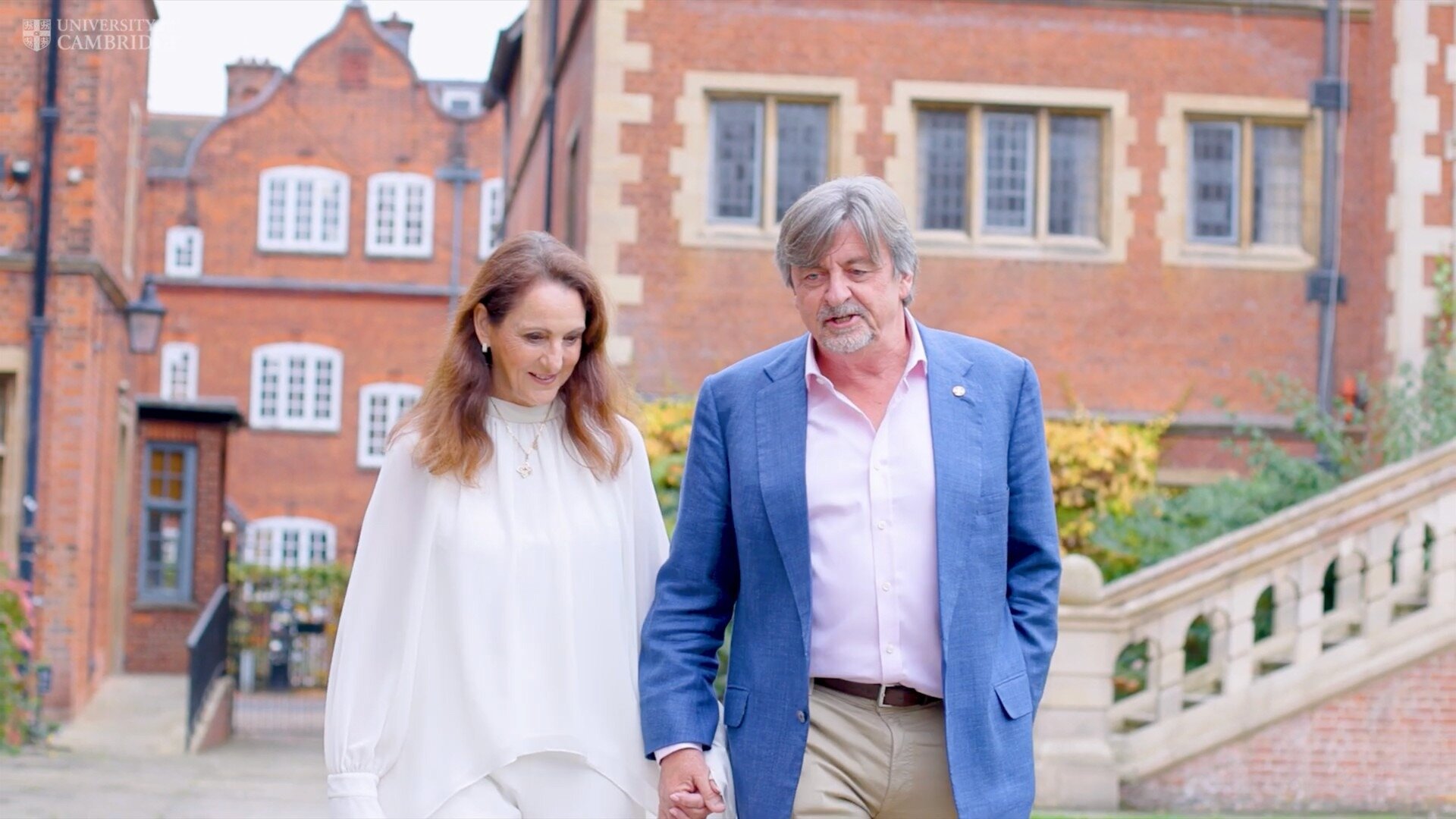
British-born Barnes, speaking from the UK, remembers the day he got the phone call from Lockhart, telling him she had incurable cancer. The news was “life-shattering”, he says.
“ ... It felt like the ground fell away beneath us. You think about the family, the grandchildren, all the things you still want to share together.”
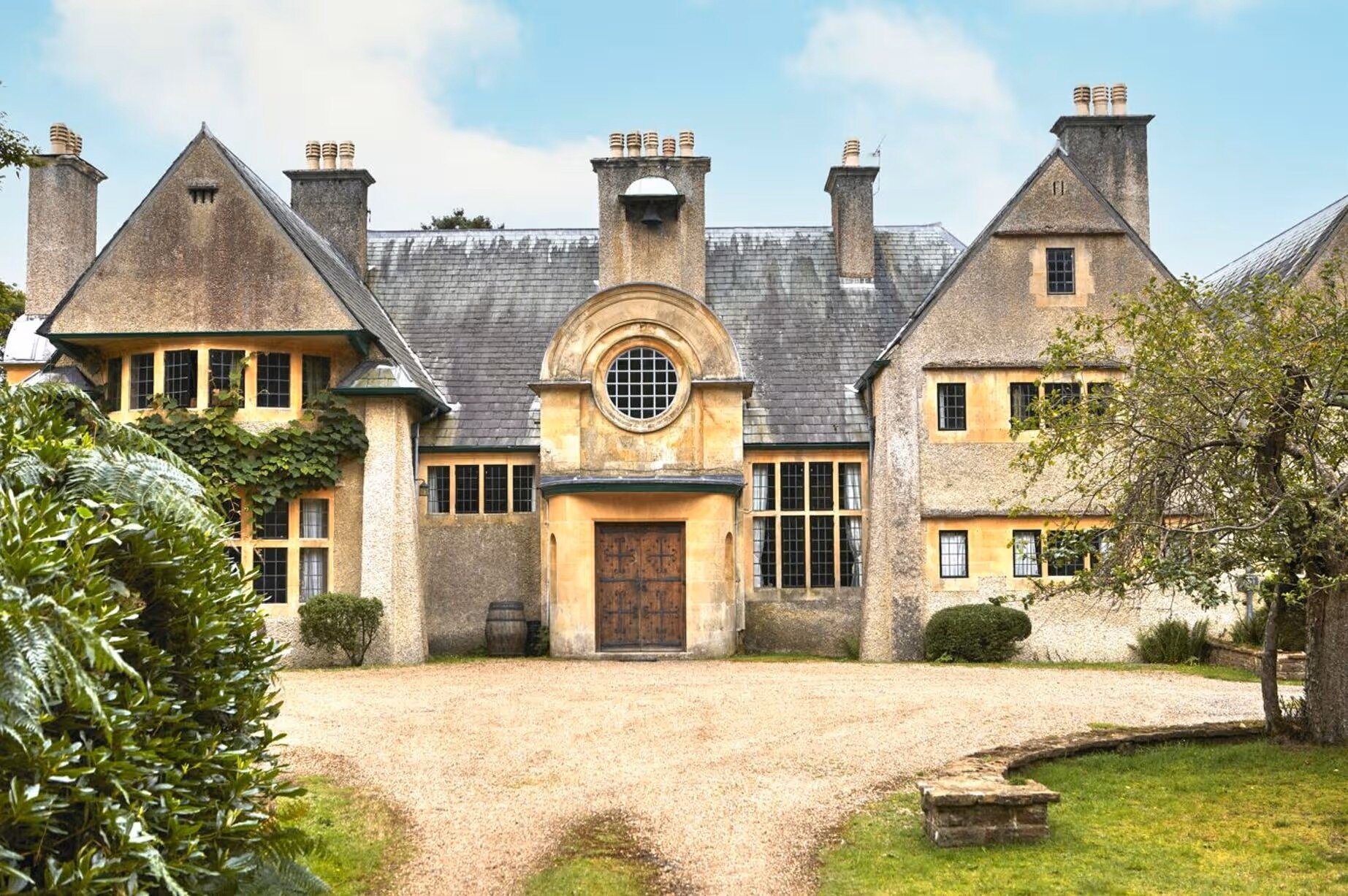
Lockhart and Barnes, who met 13 years ago, were expecting to grow old together. They’d bought an historic Arts and Crafts property, Norney Grange, near Guildford in Surrey, and were dividing their time between the UK and their home on Auckland’s Waiheke Island.
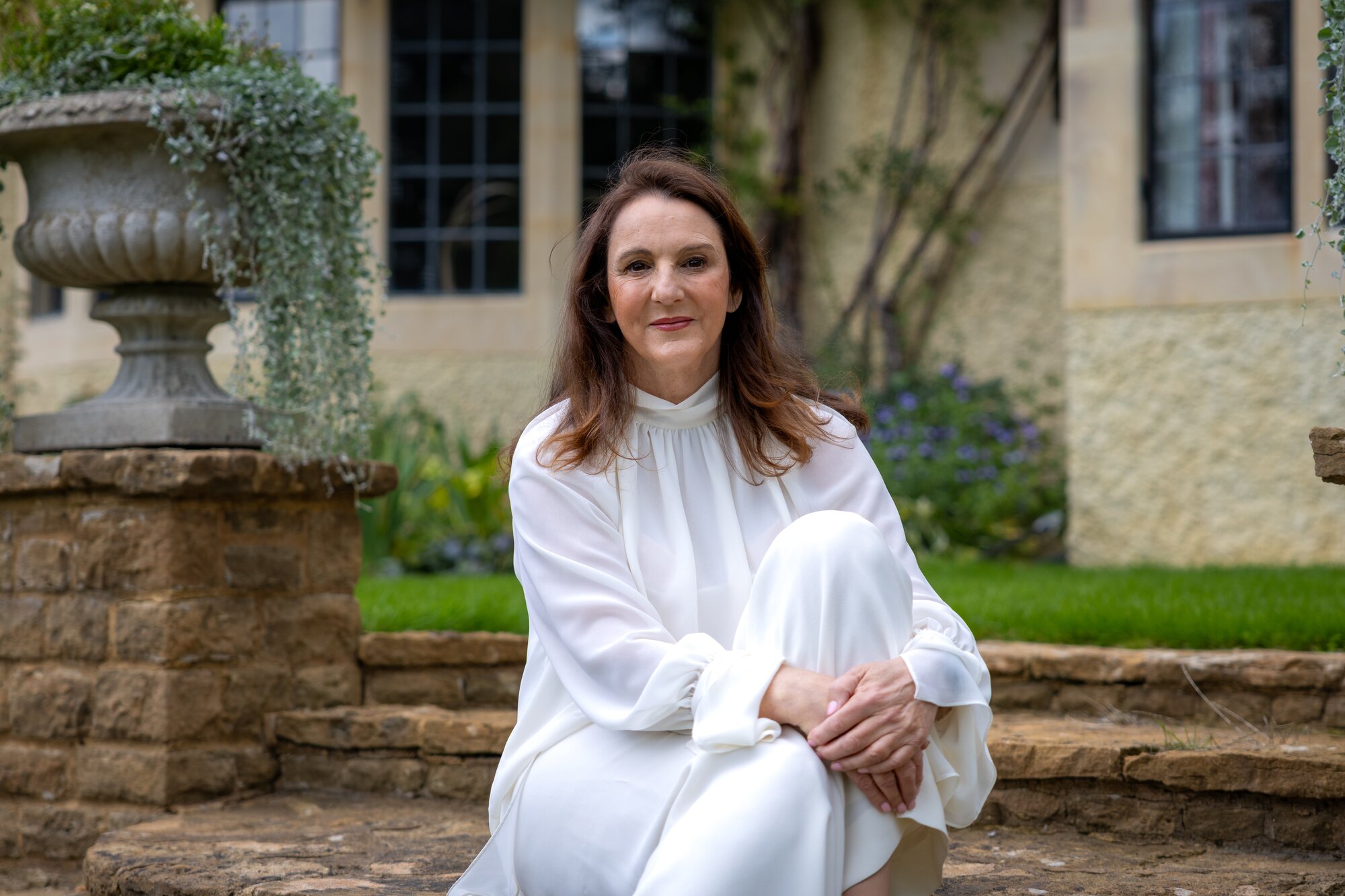
Lockhart says her terminal diagnosis was particularly confronting for Barnes because he is an entrepreneur and “a fixer”. But this was something he couldn’t fix.
The resulting $22.7m donation towards what will be the Charlotte Lockhart Precision Breast Cancer Institute at the Cambridge Cancer Research Hospital was one way Barnes could help.
“I feel very blessed that he wanted to name it after me,” Lockhart says.
The institute will form part of the new Cambridge Cancer Research Hospital, due to be completed in 2030.
It was an alumni connection to Cambridge University that led Barnes to donate to the institute. He studied law and archaeology at the university’s Selwyn College and, during a visit to Cambridge, Kiwi uber-fundraiser Mary Jane Boland suggested a catch-up.
He jokes that it was one of the most expensive coffees he’s had in his life; the other was with Sir Don McKinnon, who persuaded him to donate millions towards the New Zealand Liberation Museum in Le Quesnoy, France.
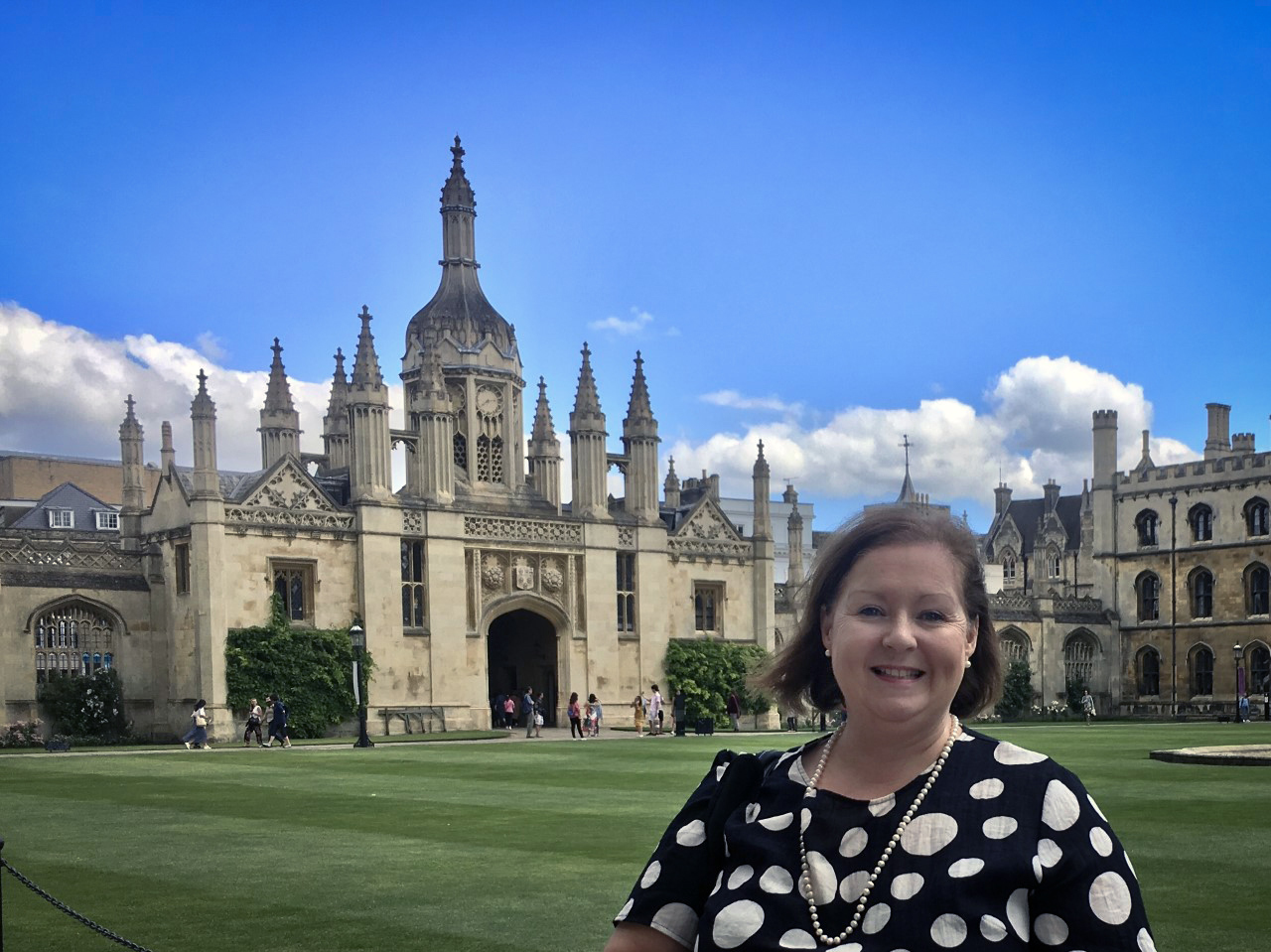
Boland, who was headhunted from the University of Auckland five years ago to become director of development for Cambridge University Health Partners, introduced Barnes and Lockhart to some of the leading cancer researchers, technology and treatments at Cambridge.
One of the researchers was Professor Jean Abraham, head of Cambridge’s Precision Breast Cancer Institute, who has made major advances in treatments for aggressive triple-negative breast cancer, which are difficult to treat, and hereditary breast cancer.
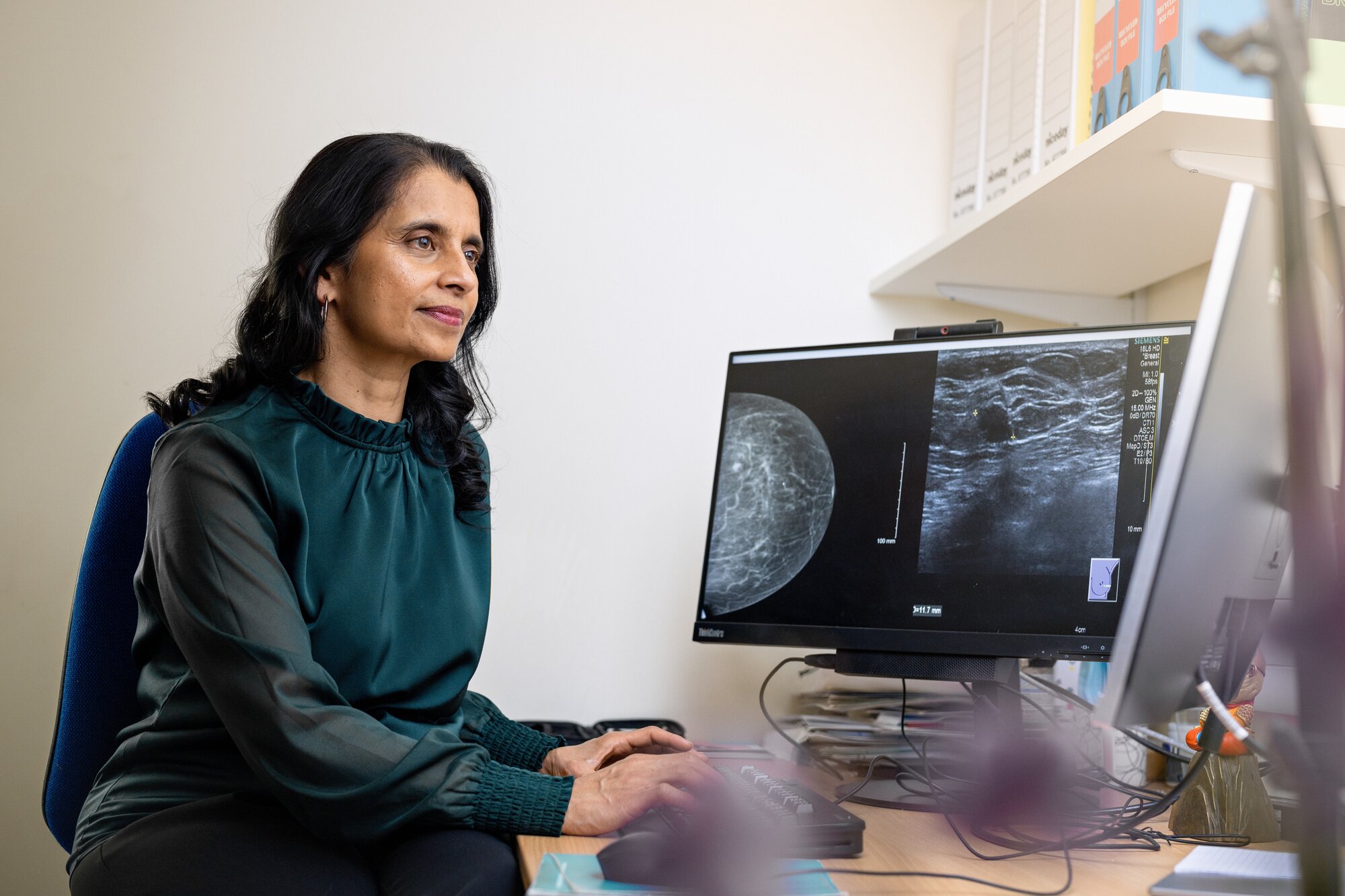
Abraham says she has met and treated thousands of women in Lockhart’s position throughout her career, and is grateful for the funding from Barnes and Lockhart.
“As a scientist and clinician I always want to do more, to be able to say to people diagnosed with breast cancer, ‘we’re able to help you, you don’t need to be afraid of your diagnosis’.”
The institute uses advanced technologies and AI to create individualised approaches to breast cancer treatment after analysing a patient’s genomic, molecular and clinical data.
“Thanks to their generosity, we have the opportunity to make a real difference to all breast cancer sufferers, their children and future generations.”
Barnes knows he will be questioned as to why his donation did not go to the University of Auckland. He counters that the research carried out at Cambridge’s three world-leading cancer research institutes and hospital will save the lives of people with breast cancer not only in the UK and New Zealand, but globally.

“Cancer does not respect borders, and it’s up to us to work collectively to help accelerate a solution that will help us all.”
As part of his donation, Barnes has requested that New Zealand researchers and doctors be able to attend the institute or work at the hospital for a period.
“I just felt that this was a once-in-a-lifetime opportunity to do something that might move the dial in finally defeating cancer and especially breast cancer because that impacts, it’s obviously not just women, but predominantly women all over the world.”
Hope that a cure will be found
There is an unspoken hope that Lockhart, and other breast-cancer sufferers, can stay alive long enough for the research to catch up. Barnes is confident that some of the world’s leading cancer researchers, scientists, mathematicians and engineers using cutting-edge technology and AI will be able to speed-dial treatments and cures.
“I think all women who have this diagnosis of stage 4, time is not their friend here. And therefore anything that means that we can move faster benefits the maximum number of people.”
When the Herald visits Lockhart in the couple’s Auckland apartment, high above Queen St, before joining Barnes in the UK, she doesn’t look or behave like someone facing death. At 59, her skin is smooth and clear, her voice confident and bright.
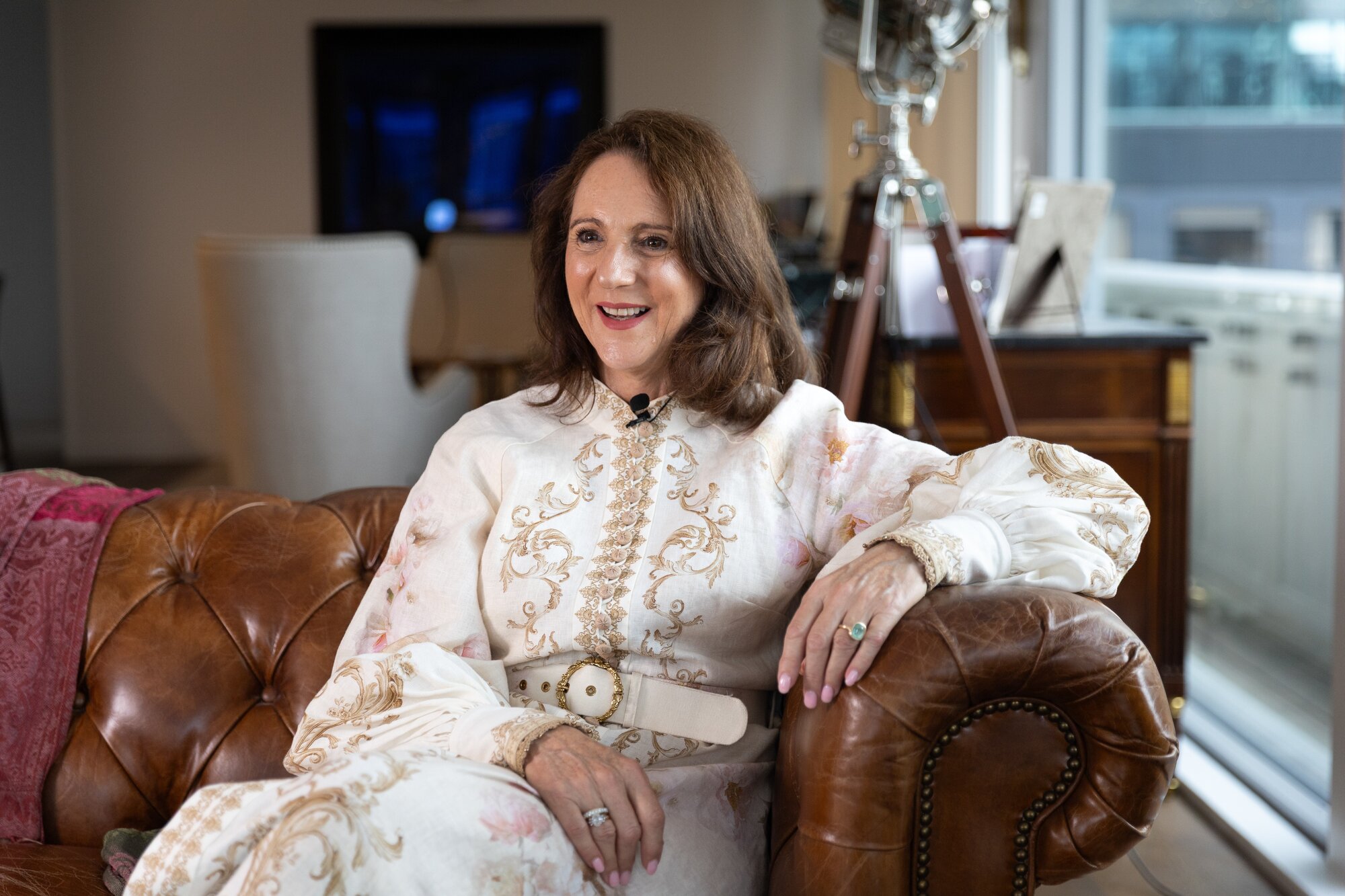
“I am well,” she says. A cocktail of drugs is keeping her alive, for now.
She’s monitoring her diet, and has swapped alcohol for a daily dose of homemade kombucha to ease gut issues caused by the medications.
Doctors indicated Lockhart had five years to live after her terminal diagnosis in 2021. That time is up and, thanks to a Pharmac-funded drug, developed by Pfizer in 2016, Lockhart is holding her own.
She’s grateful for the gift of time, and for the research and development of medications that treat breast cancer.
“I’m alive because of it and so every piece of research adds to the knowledge that we have.”
Every six months she has a PET-CT scan to check if the cancer is on the move. Two tense days later, her oncologist gives her the results. So far, her cancer has been stalled but Lockhart knows that the dreaded news will come. There is no going back from stage 4.
And yet, she has hope that with the help of well-funded research, she might live long enough to see grandchildren born and spend retirement years with Barnes.
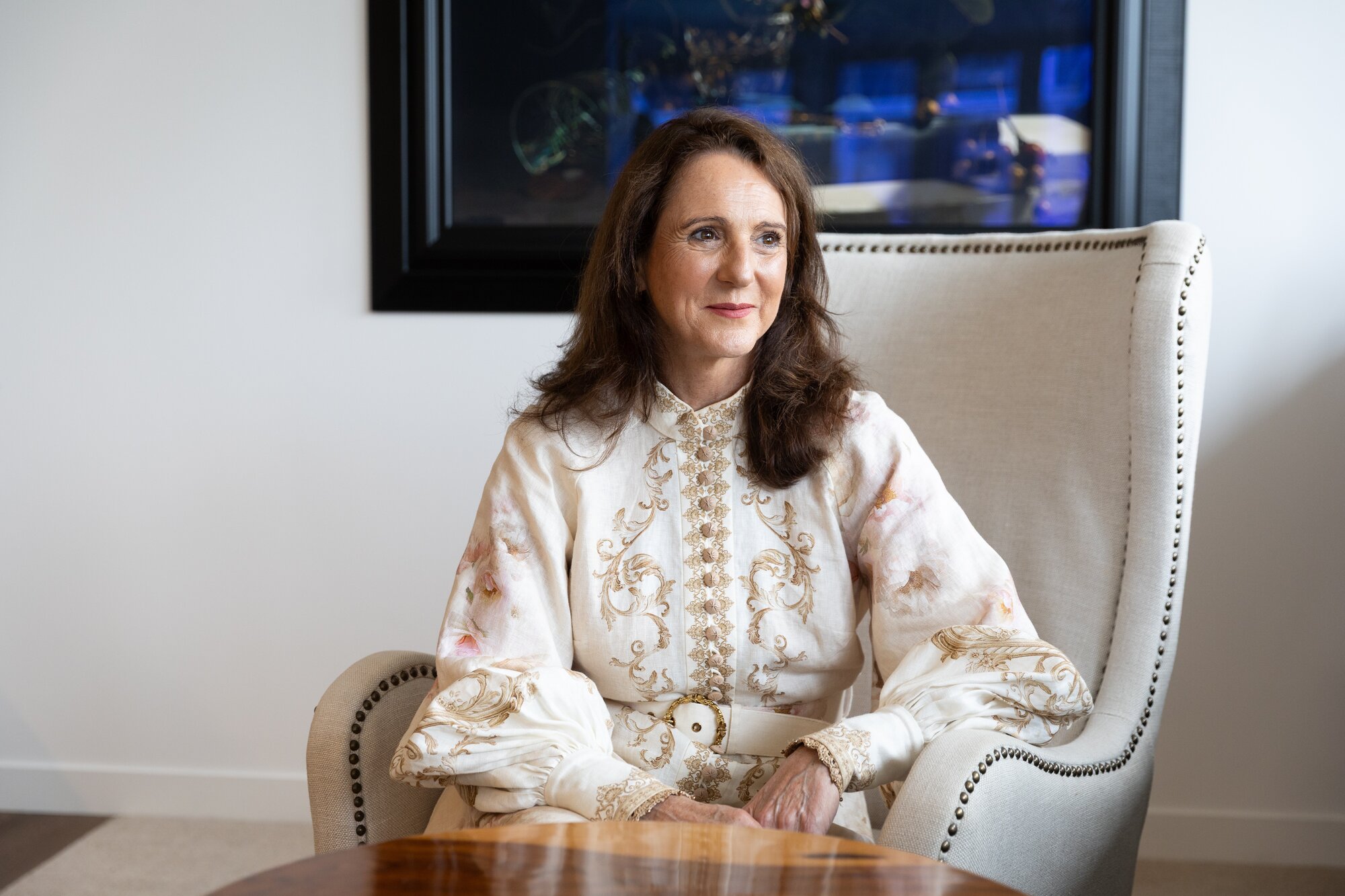
She’s aware that any breakthroughs might not happen in time to save her but will undoubtedly save generations of women to come.
Last year Lockhart spent several days being filmed while interviewing a series of specialist researchers and clinicians at the Cambridge Cancer Research Hospital as part of a short film to help boost the university’s fundraising target for the new hospital.
‘No, this is incurable’
Thinking back, Lockhart says she hadn’t fully understood her diagnosis and felt reasonably positive going to the first appointment with her oncologist. She’d beaten cancer before; she knew what chemo would be like and figured she’d need to buy a wig for a second time. Her attitude was to just get on with the treatment.
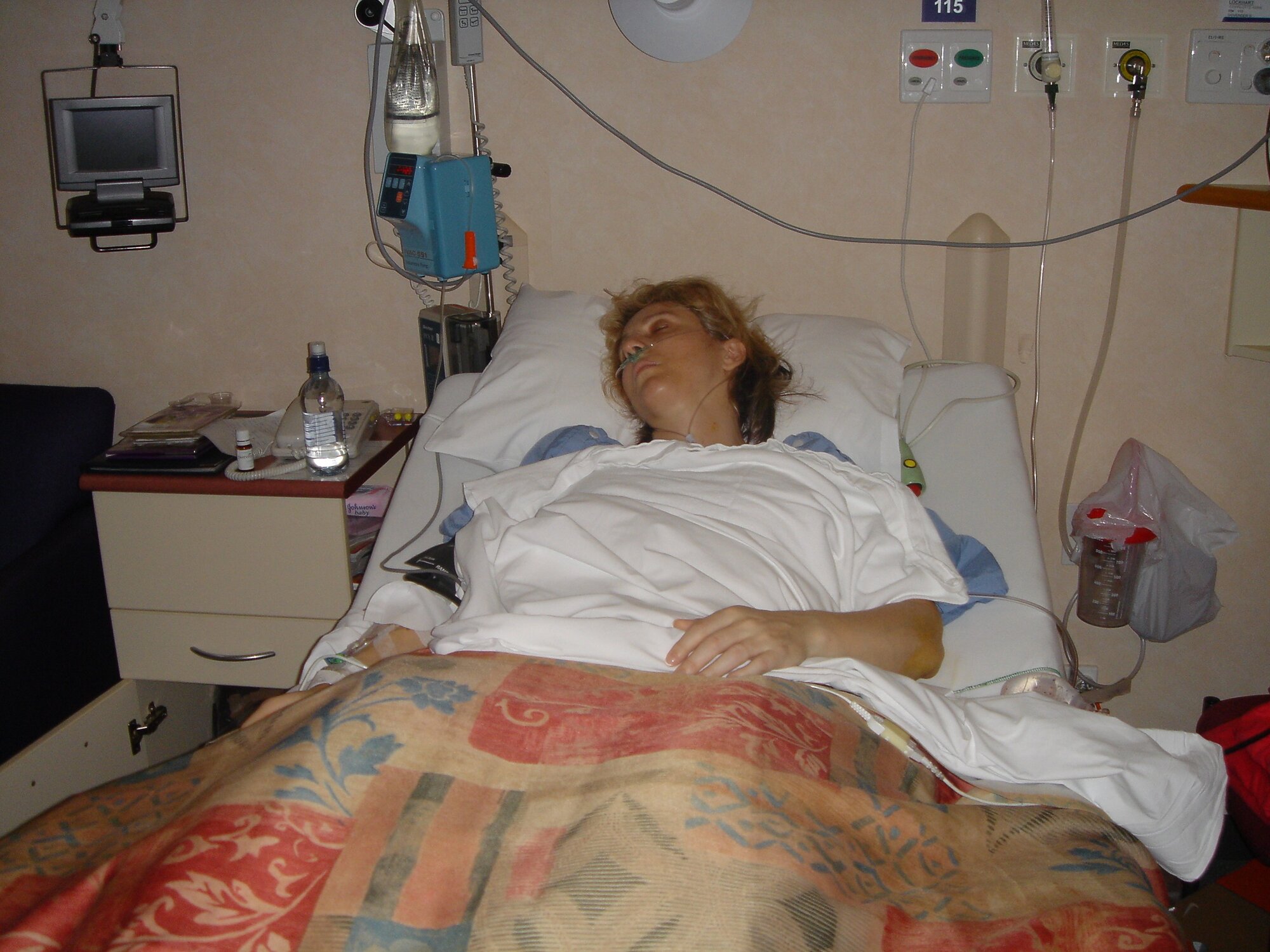
But no, the oncologist told her. This is incurable.
“And so there was this moment where it really dawned on me that I was now dying.”
Not knowing what else to do, she contacted Sweet Louise, a charity that supports men and women living with incurable breast cancer.
“I was just in such shock and I just said, ‘please help me, I’m dying’.”
Five years later she has adjusted to the possibility that she might not make old bones. There is no sign of tears, no sign that she feels sorry for herself.
“Growing old is a privilege, not a right.”
If anything teaches you to live in the moment, a cancer diagnosis does, Lockhart says. She thinks back to raising her sons, Andrew, 30, and Jack, 28, and how she constantly looked forward to being a grandmother one day.
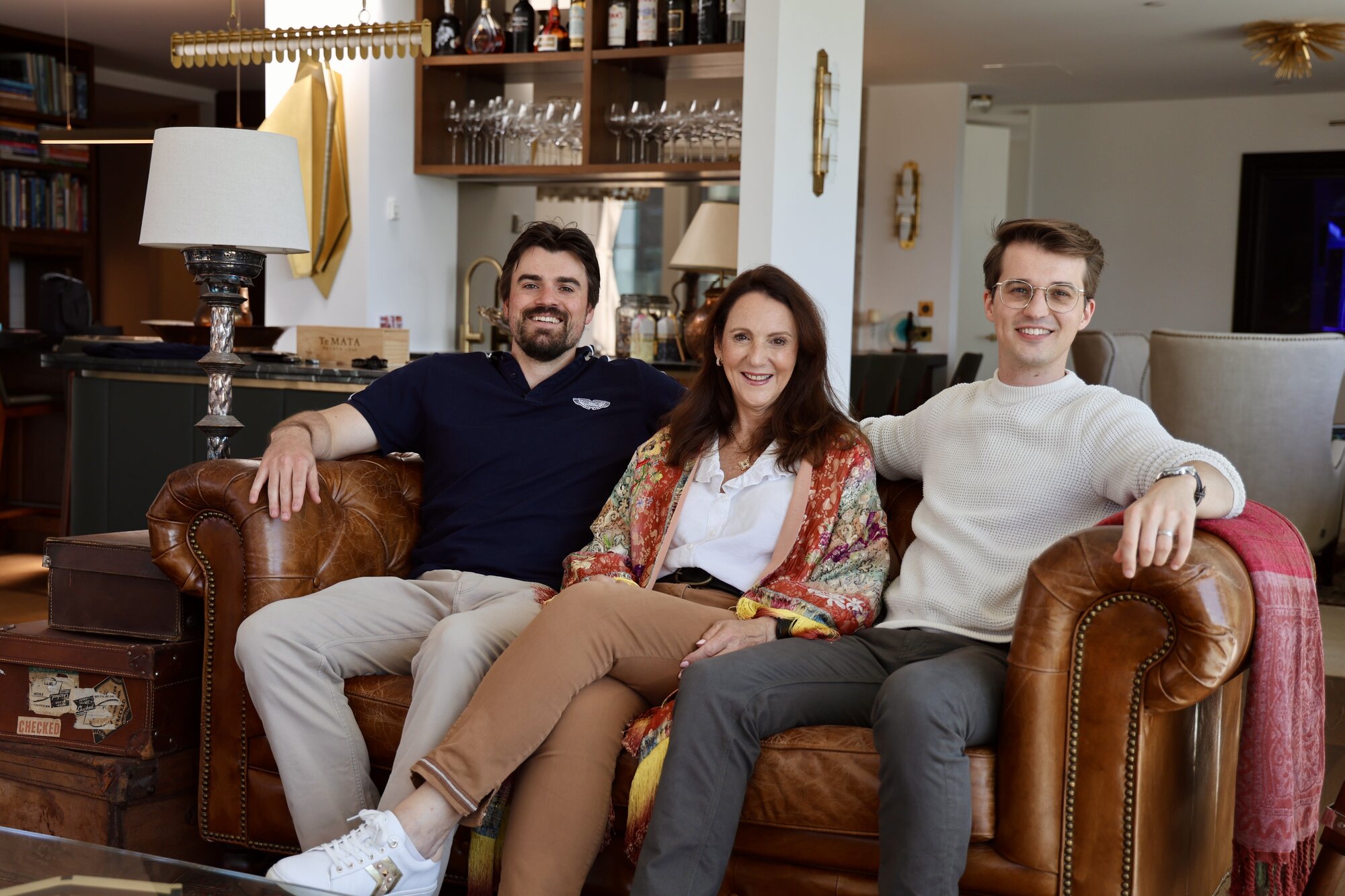
In hindsight, she says, that focus takes away from “the very precious gift” of being a mother.
Now she’s a fan of celebrating every birthday and event with her family.
“It does make you focus on what is important.”
She and Barnes are gradually restoring Norney Grange, and its 8.5ha of gardens, in Shackleford. The home has featured in a range of TV series and movies over the years, including the BBC’s Miss Marple, Midsomer Murders, Carrington and Wimbledon.
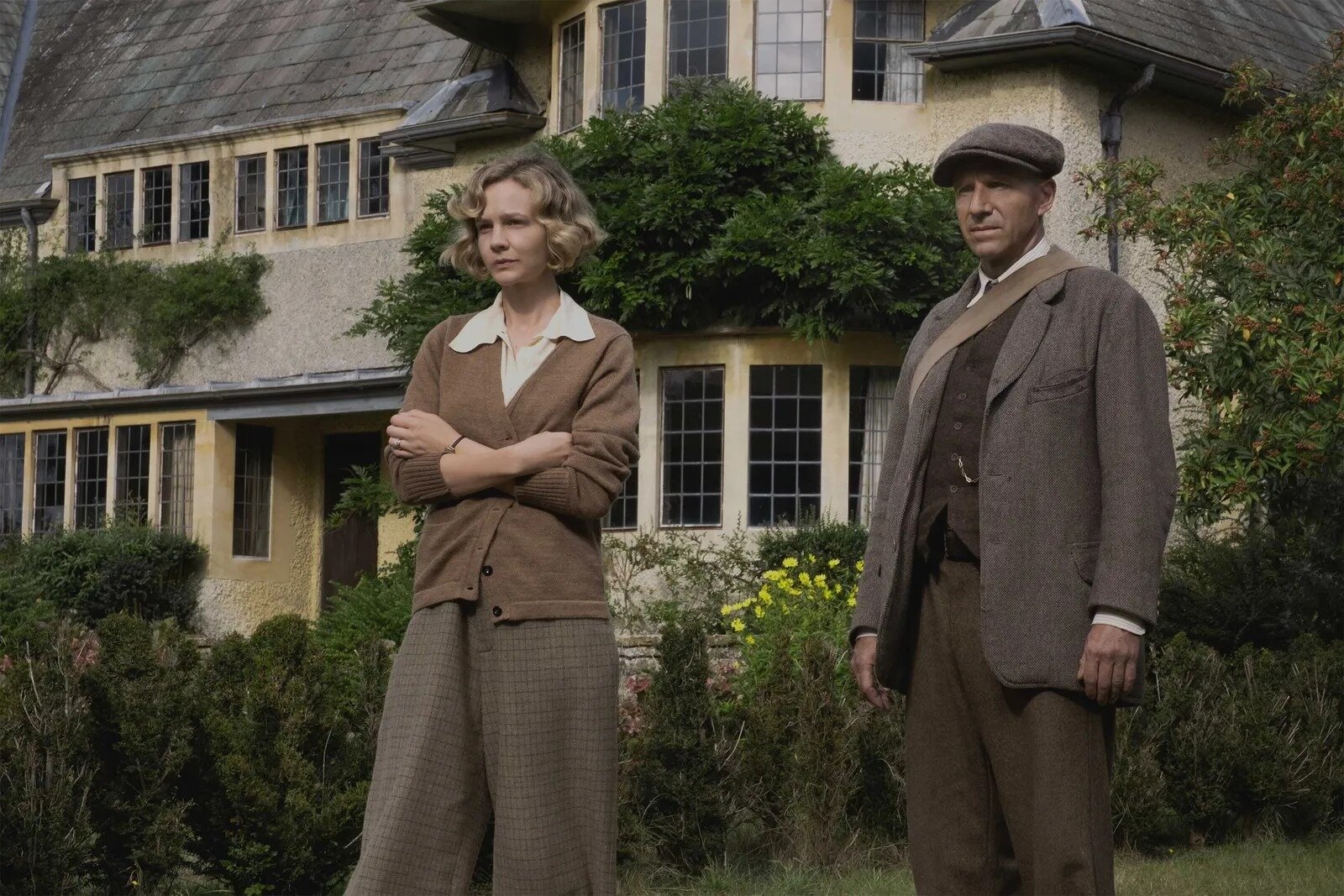
Norney Grange featured in the 2021 Netflix movie The Dig, starring Carey Mulligan and Ralph Fiennes, which tells the true story of Edith Pretty’s discovery of Anglo-Saxon treasures, including a 1400-year-old ship, on her land.
Filming at the stately home is due to start next month for an upcoming movie starring Colin Firth and Julianne Moore.
Barnes and Lockhart open the property for tours about 12 times a year and are aiming to double that number. They’ve restored most of the house and are now working on cottages in the grounds.
The couple co-founded crowdfunding platform Givealittle, which operates under Perpetual Guardian and the 4 Day Week Global, a not-for-profit organisation that challenges the assumption that productivity is increased by hours worked. They also own vineyards on Waiheke.
Both have been recognised in the King’s Birthday Honours for services to business and philanthropy, Lockhart in 2023 when she was appointed a Member of the New Zealand Order of Merit (MNZM) and Barnes in 2024 when he was awarded the New Zealand Order of Merit (ONZM).
Now Lockhart is focused on things about herself and her life that she wants to improve.
“I’d quite like to be a better listener.”
She’s made a conscious decision to lead her life in a particular way, to bring herself and others hope.
“You can have this little thing on your shoulder that’s saying ‘you’ve got this thing [the cancer]’ or you can just choose to be happy. And so I’m just choosing to be happy.”
Jane Phare is a senior journalist based in Auckland.
Sign up to The Daily H, a free newsletter curated by our editors and delivered straight to your inbox every weekday.