Auckland actor Cole Johnston loses bid to ban cameras from sex abuse trial
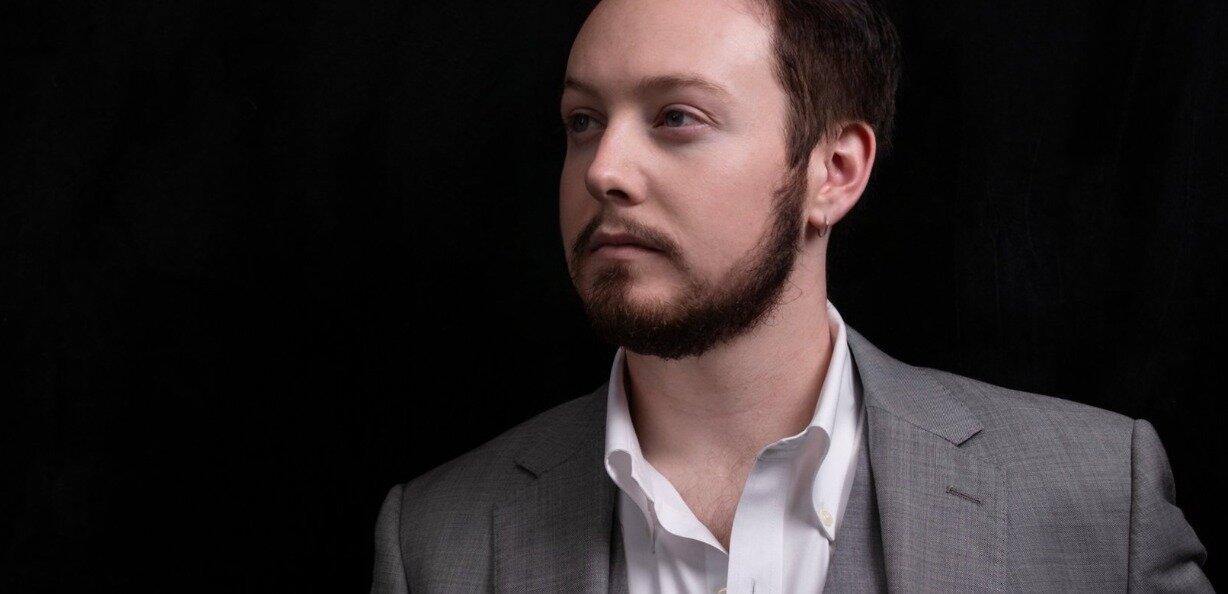
An Auckland actor has failed to have cameras banned from his sex abuse trial after arguing photos of him in the court dock would be “damaging”.
Cole Johnston, 28, had argued he was dealing with mental health issues and feared losing his career if photographs of him in court were published by the Herald.
However, Judge Pippa Sinclair was not swayed, ruling that open justice should prevail.
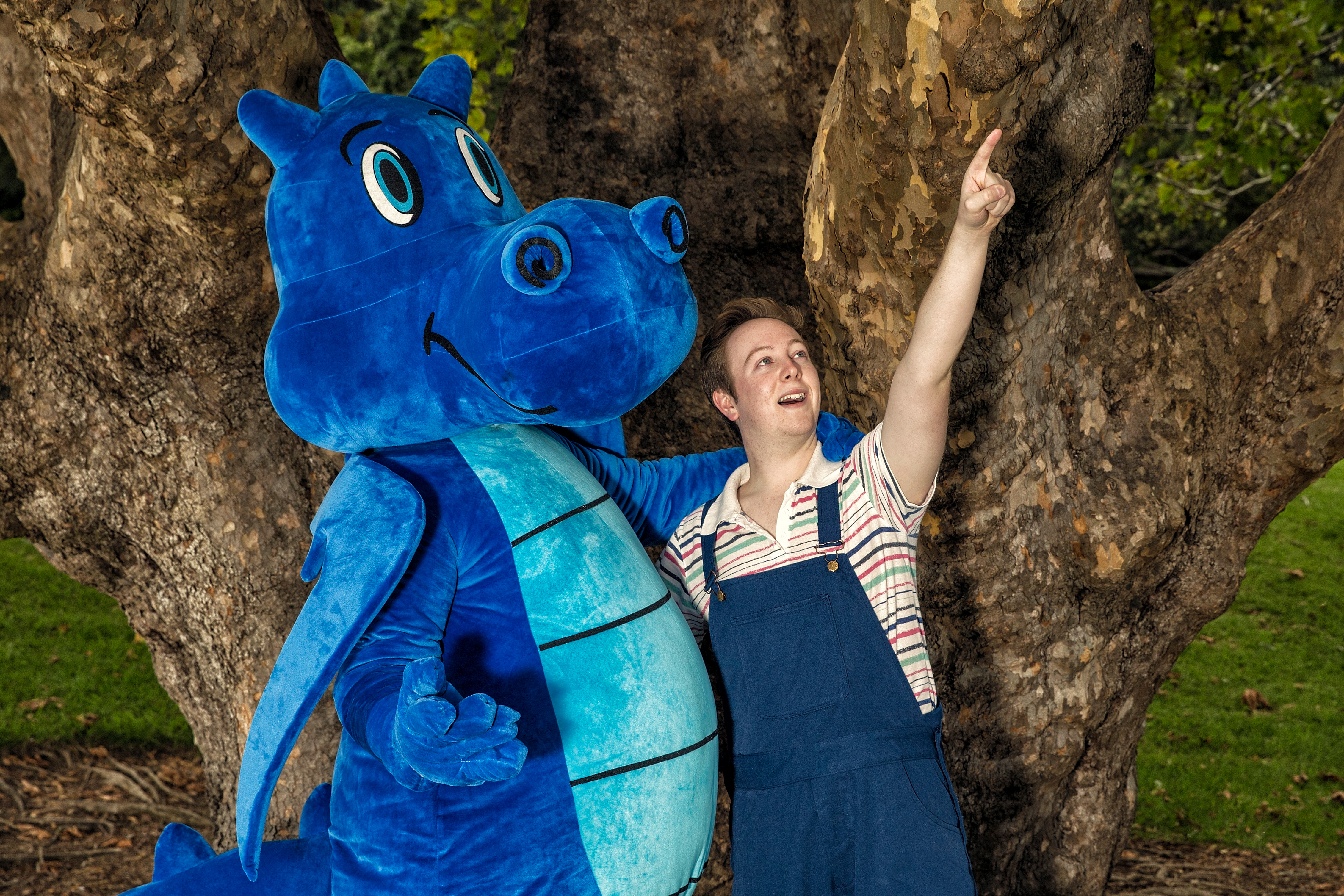
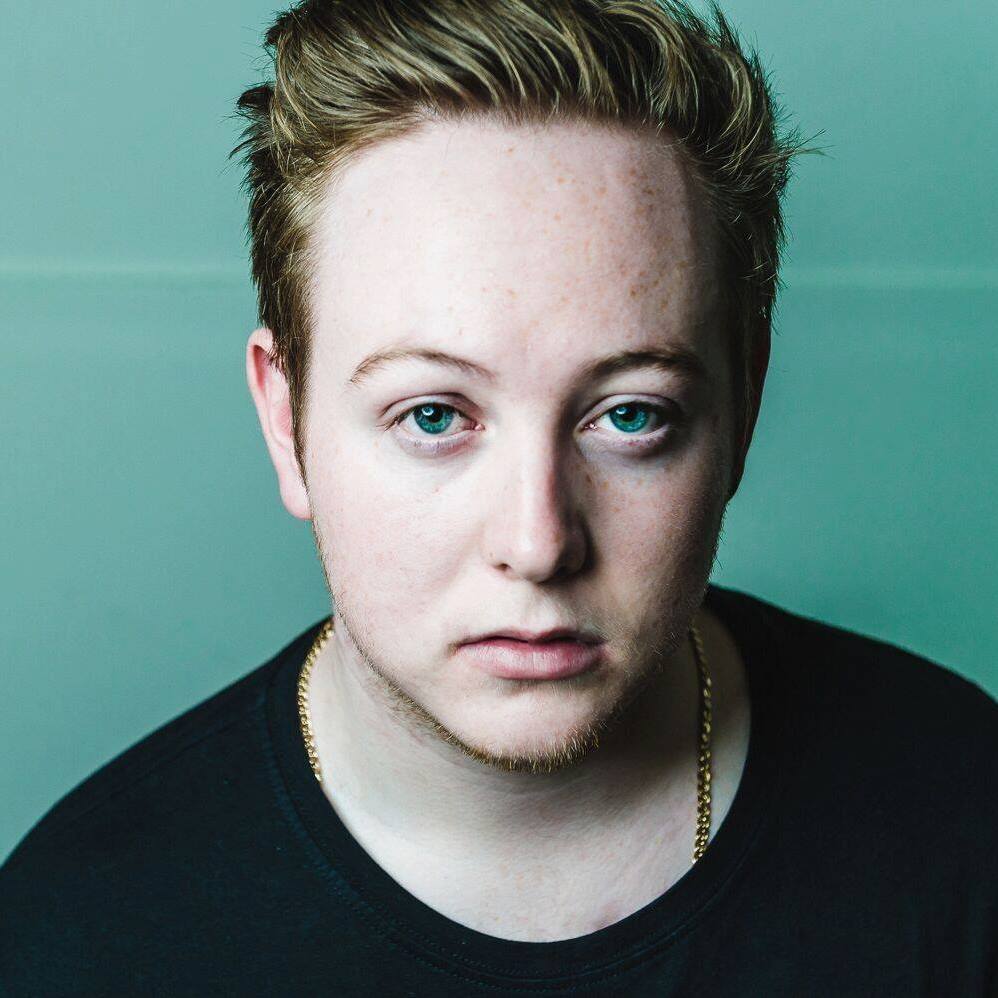
“It may be that a ‘dock photo’ is more neutral and provides more ‘protection and security’ than some of the other images of Mr Johnston presently in the public domain,” Judge Sinclair said in her decision approving NZME’s media application this week.
Johnston is facing 23 charges, including seven representative unlawful sexual connection charges, sexual conduct with a young person, rape and grooming.
There are four complainants involved in the case. The offending is alleged to have occurred between 2014 and 2021.
Johnston could face up to 20 years in prison if convicted on the most serious charges.
Judge Sinclair said the role of NZME was to be the “eyes and ears” of the public in the courtroom during Johnston’s 2027 Auckland District Court trial.
“Importantly, whether this application is granted or not, NZME is not prohibited from reporting on the trial and further publishing photographs,” Judge Sinclair wrote.
“There are already images of Mr Johnston in the public sphere, and (absent suppression orders) the law does not prevent the media taking visual images of those who enter and exit courts.”
The Crown, she said, was neutral about NZME’s bid to use cameras in court. But two of the complainants did not oppose the application, while the other two had not provided their views.
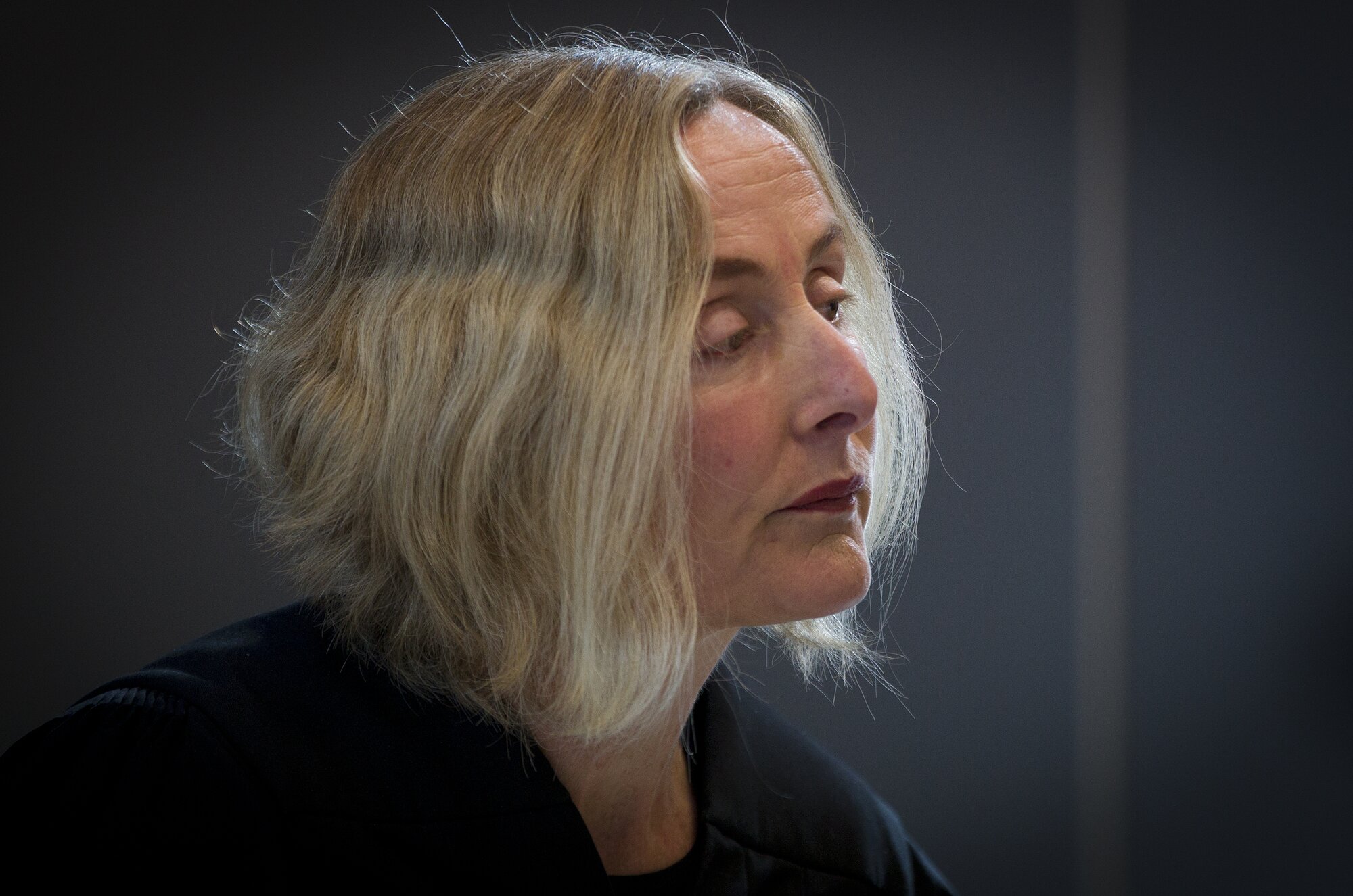
The judge noted that Johnston was also concerned about the public commentary on social media, which “could be well founded”.
“However, I consider ‘fair and accurate’ coverage of the trial by accredited media would go some way to address these concerns and help mitigate any potentially inaccurate and abusive commentary that can take place on social media.”
She said that made it “all the more important” that accredited news media organisations were able to report on the trial.
“I am not satisfied that the matters raised by Mr Johnston are sufficiently compelling to rebut the presumption of openness or to otherwise prevail against the public interest in favour of publication.
“I grant the application. NZME is permitted to capture photographs, sound and vision for publication.”
Fears actor’s career could be impacted by ‘damaging’ photos
Earlier this month, defence counsel Matthew Creamer argued Johnston was dealing with mental health issues. He was “very concerned” his career would be taken away if “damaging” photos were publicised of him “sitting in a dock”.
Creamer, speaking on behalf of Johnston’s lawyer Sumudu Thode, said pictures of Johnston in court could further feed into discussions on social media sites such as Reddit.
This, he said, was where some users had “assumed his guilt” and where he had been subjected to threats.
NZME lawyer Isabella Ieremia took issue with the submission that a photo in the dock was characterised as “damaging” and said the media were unable to control what happened on social media.
She submitted that court proceedings were open to the public and argued Johnston’s opposition to visual and audio coverage in court was “without merit”.
Media were already free to identify Johnston as he had lost his bid for suppression, Ieremia said, and in-court media coverage would help ensure fair and accurate reporting.
Katie Harris is an Auckland-based journalist who covers issues such as sexual assault, workplace misconduct, media, crime and justice. She joined the Herald in 2020.
Sign up to The Daily H, a free newsletter curated by our editors and delivered straight to your inbox every weekday.