2degrees installs first dome antennas on central Auckland rooftop satellite station
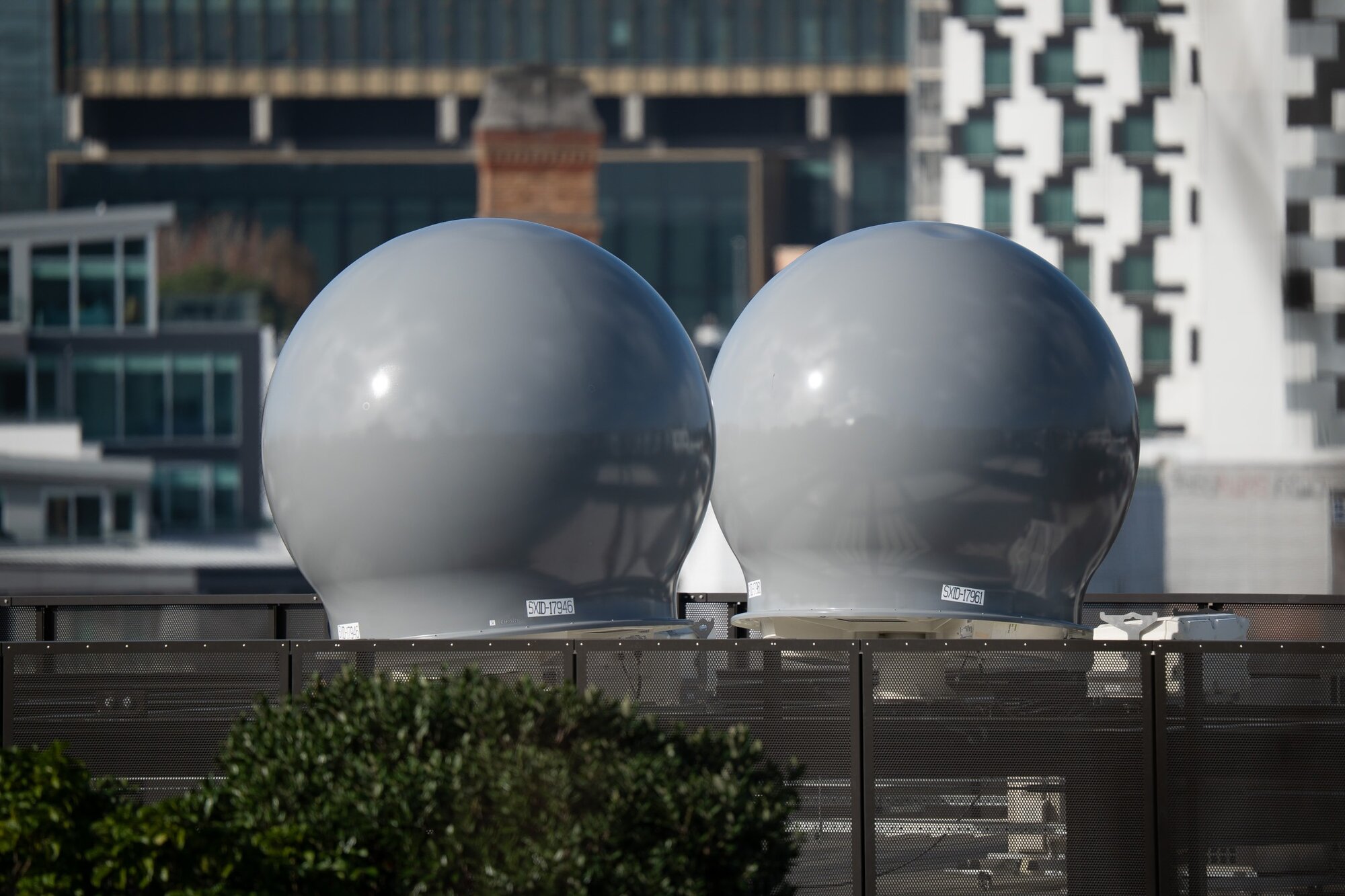
The first of dozens of dome-shaped antennas for a controversial satellite earth station in Auckland have been installed on an inner-city rooftop.
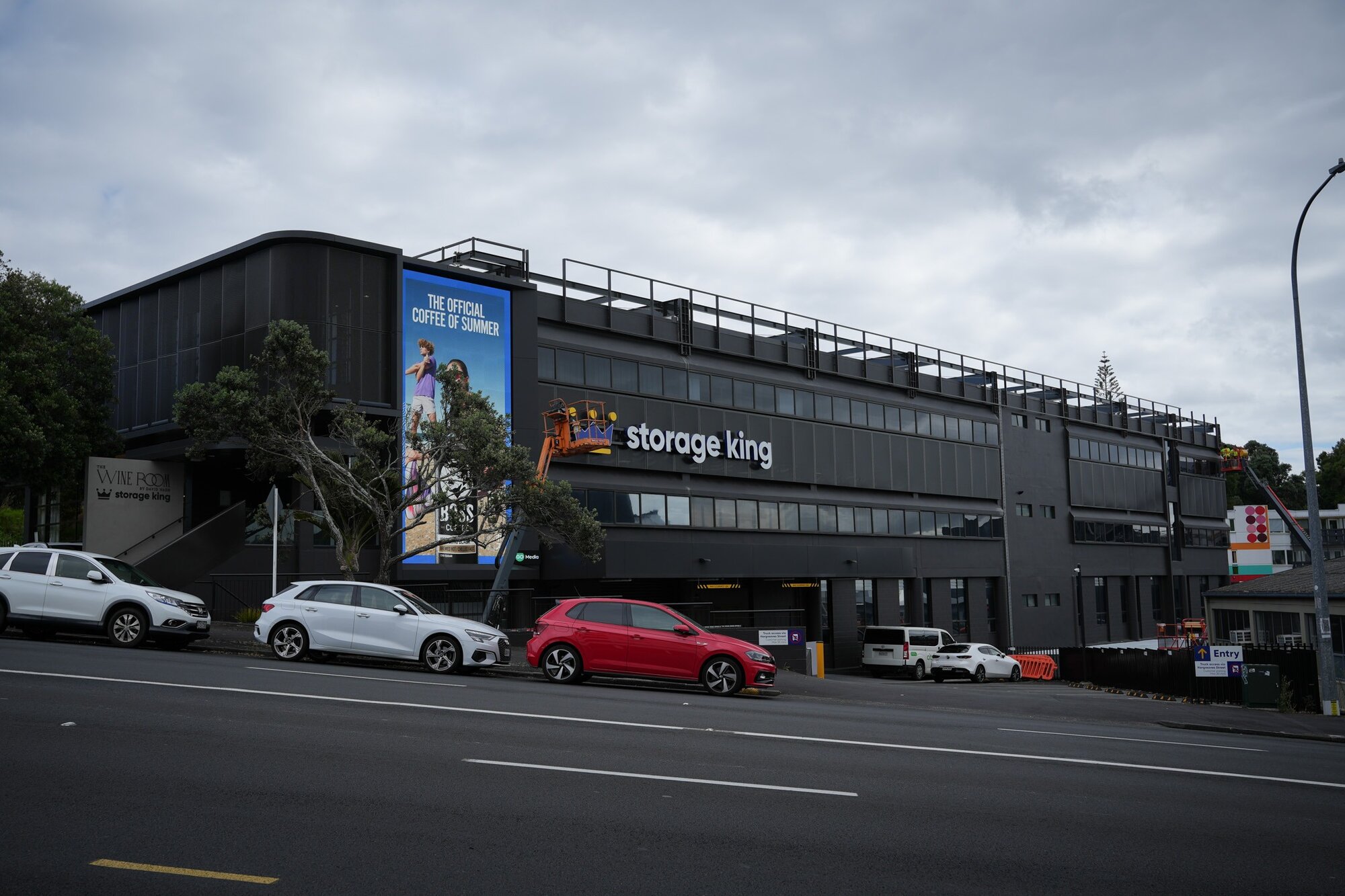
2degrees has been contracted by an undisclosed US satellite broadband company to build the ground station on the roof of a building at 43 College Hill, Freemans Bay, the telecommunications provider told the Herald.
The facility will eventually house 30 of the mushroom-like structures, each about 2m tall, and be used to relay swathes of data to and from satellites.
A 2degrees spokesperson said the telco’s unnamed US client would “operate and maintain the ground station” once construction was complete.
2degrees announced a partnership with AST SpaceMobile, a US company building the first space-based cellular broadband network, in March 2025, with plans to launch a satellite-to-mobile service that they hoped to begin testing from the middle of this year.
The Kiwi firm was granted non‑notified consent from Auckland Council to build the rooftop station on June 24 last year, but the project courted criticism from nearby residents and community groups after construction began in January.

Opponents told the Herald in February they were concerned about the scale and appearance of the installation, potential side effects from the radiofrequency technology and, more broadly, the council’s decision to approve the project without public notification.
The council’s head of resource consents James Hassall said its staff had since met with two of the concerned residents but were unable to address their concerns, given the project was approved in line with regulatory standards.
“Once a consent is granted, the only avenue for challenge is through an application for judicial review in the High Court,” Hassall said.
“The council will monitor the site to ensure that the consent holder meets the conditions of the consent.”
The 2degrees spokesperson said the telco had commissioned independent testing on the facility’s compliance with planning and telecommunications obligations to share with those concerned.
“The ground station has been designed and approved in line with strict safety and technical regulations, has been granted all of the necessary consents, including resource consent, and followed all the relevant processes for notifying impacted parties,” they said.
“Residents can be confident the facility fits well within the well-established definitions for utilities under the Auckland Unitary Plan and the National Environmental Standards for Telecommunications Facilities.”
Rooftop antenna installations were common across Auckland and New Zealand, the spokesperson said, and radiofrequency-related installations were highly standardised and subject to strict regulation.
“The Ministry of Health regularly reviews the suitability of these and the facility will comply with all applicable standards.”
Tenants at 43 College Hill include Storage King, Commonwealth Vault and The College Hill Wine Room.
In granting non-notified consent last year, Hassell said officers had reviewed the proposal and concluded the statutory threshold for public or limited notification was not met.
Resource consents team leader Patrick Moss said the proposed station met the New Zealand Radiofrequency Radiation Standard and would have positive effects, including improved broadband speeds and telecommunications services, for those living in Tāmaki Makaurau.
Sign up to The Daily H, a free newsletter curated by our editors and delivered straight to your inbox every weekday.