Auckland Council urged to fix slip blocking sale of dying woman’s home
Rachael Feather has terminal cancer and wishes to spend her remaining days with family. Instead, she is pleading for Auckland Council to fix a slip on council-owned land next to her Titirangi home so she can sell it.
The 71-year-old grandmother has glioblastoma, an aggressive form of brain cancer. It was diagnosed in September 2025, and her oncologists put her remaining time at 12 to 22 months.
In order to spend her remaining time peacefully with her daughters and grandchildren, Feather has moved to a tiny home on her daughter’s property and put her Wood Bay Rd house on the market.
“It would leave me a little bit of cash to live to the end, and the girls would have something to help them go forward,” she said.
Her plan was thwarted when multiple lenders refused to finance a first-home buyer, citing a slip on road reserve land just below Feather’s property as a significant risk.
The slip occurred during the 2023 Anniversary Weekend floods and did not cause any structural damage to the house or property.
Geotechnical reports, including one that Feather commissioned in February 2025, before her diagnosis, and an earlier EQC-commissioned assessment, found the impacted slope failed the council’s own minimum stability standards and recommended a structural fix.
Engineers proposed either a cantilevered retaining wall or soil nailing, built on the council-owned road reserve.
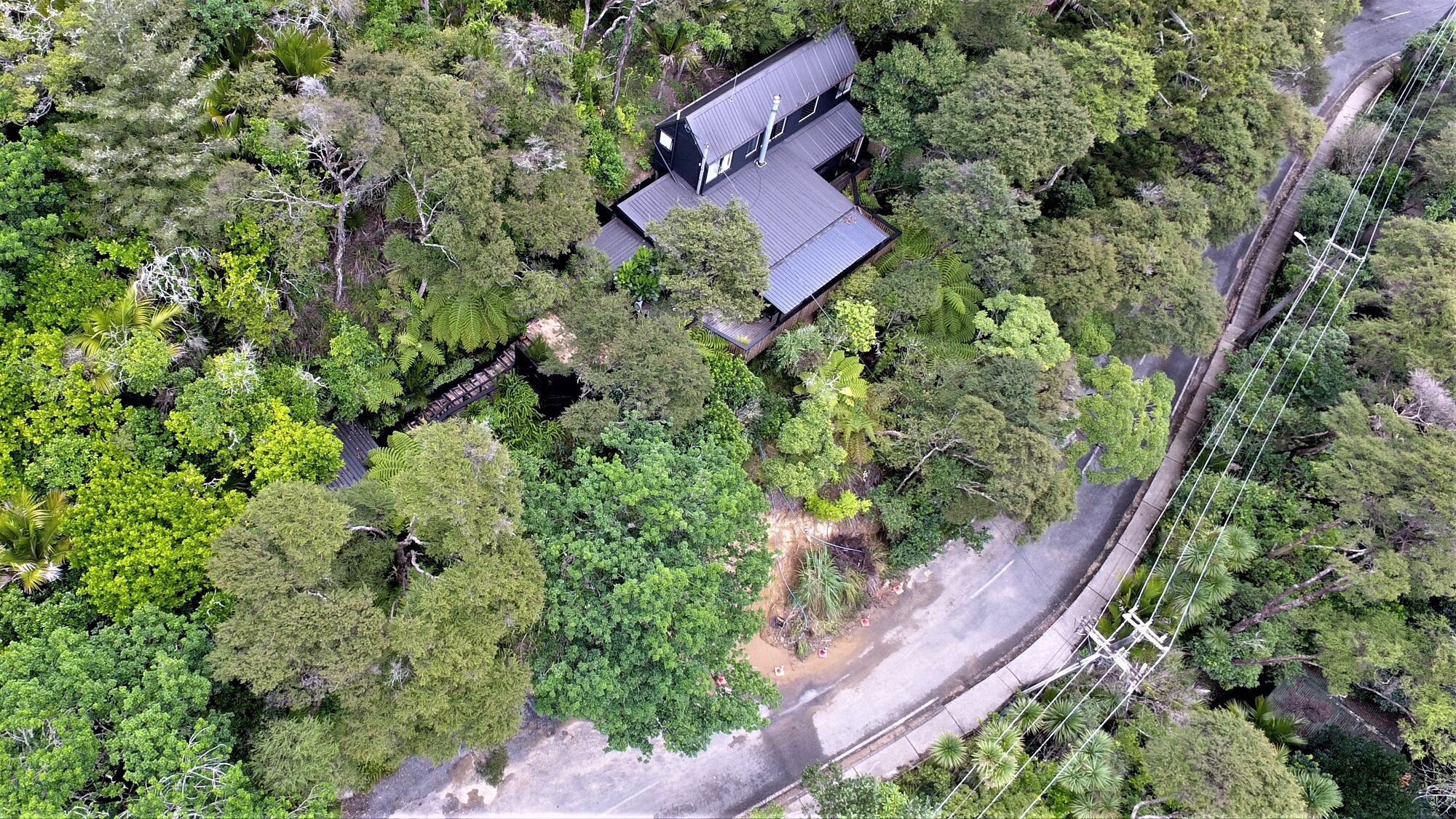
When contacted by the Herald, Auckland Council said there were no plans to repair the slip.
“With the number of public roads and parks across the region, it’s not possible to address all slips as it would be a massive funding burden for Aucklanders,” the council said.
“Repairs are prioritised where it impacts public access and assets, and AT [Auckland Transport] is increasingly building resilience into those repair sites.”
Feather’s daughter, Morgan Lee, does not understand the council’s priorities.
Repair work related to the Auckland Anniversary weather event is currently underway close by on Wood Bay Rd. A repair of the slip under her mother’s home could be incorporated into that project, she believes.
“They’re already doing the roadworks. The road is already closed, all the people and the resources are there.
“Do that little extra bit.
“She’s paid all of her rates. Why would you not?”
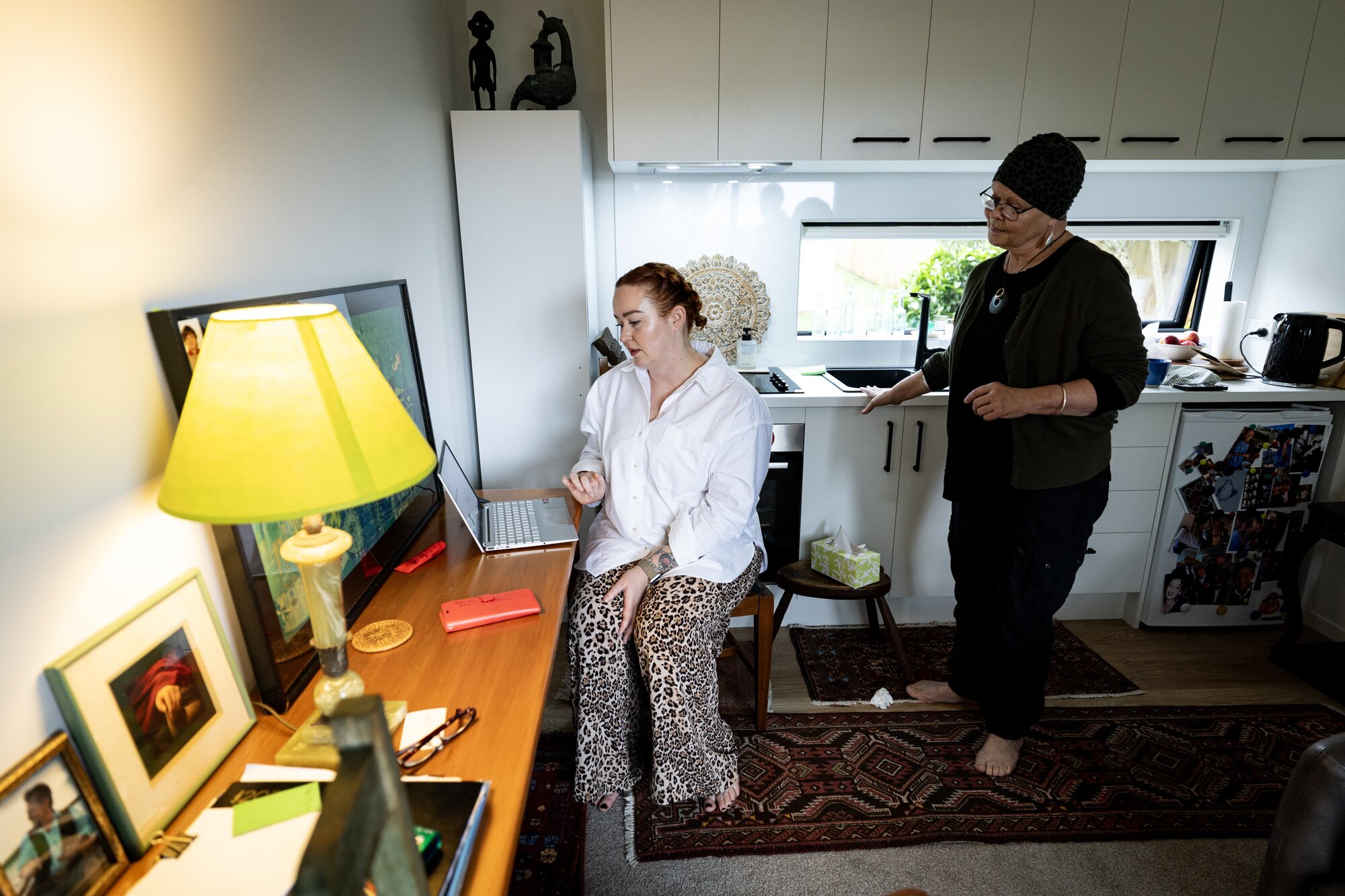
A labour of love
Before moving to Titirangi, Feather lived in Kingsland for more than 30 years, raising her two daughters as a solo mum while studying psychology to become a Jungian analyst.
Feather bought her Wood Bay Rd property in 2020 and set about renovating the home surrounded by native bush.
“It was in a terrible condition, and so I played with it for five years doing repairs.
“I was making it into something beautiful.”
The move was to create a sanctuary and a legacy.
“I knew that it would be worth selling and that it would benefit the girls in the end.”
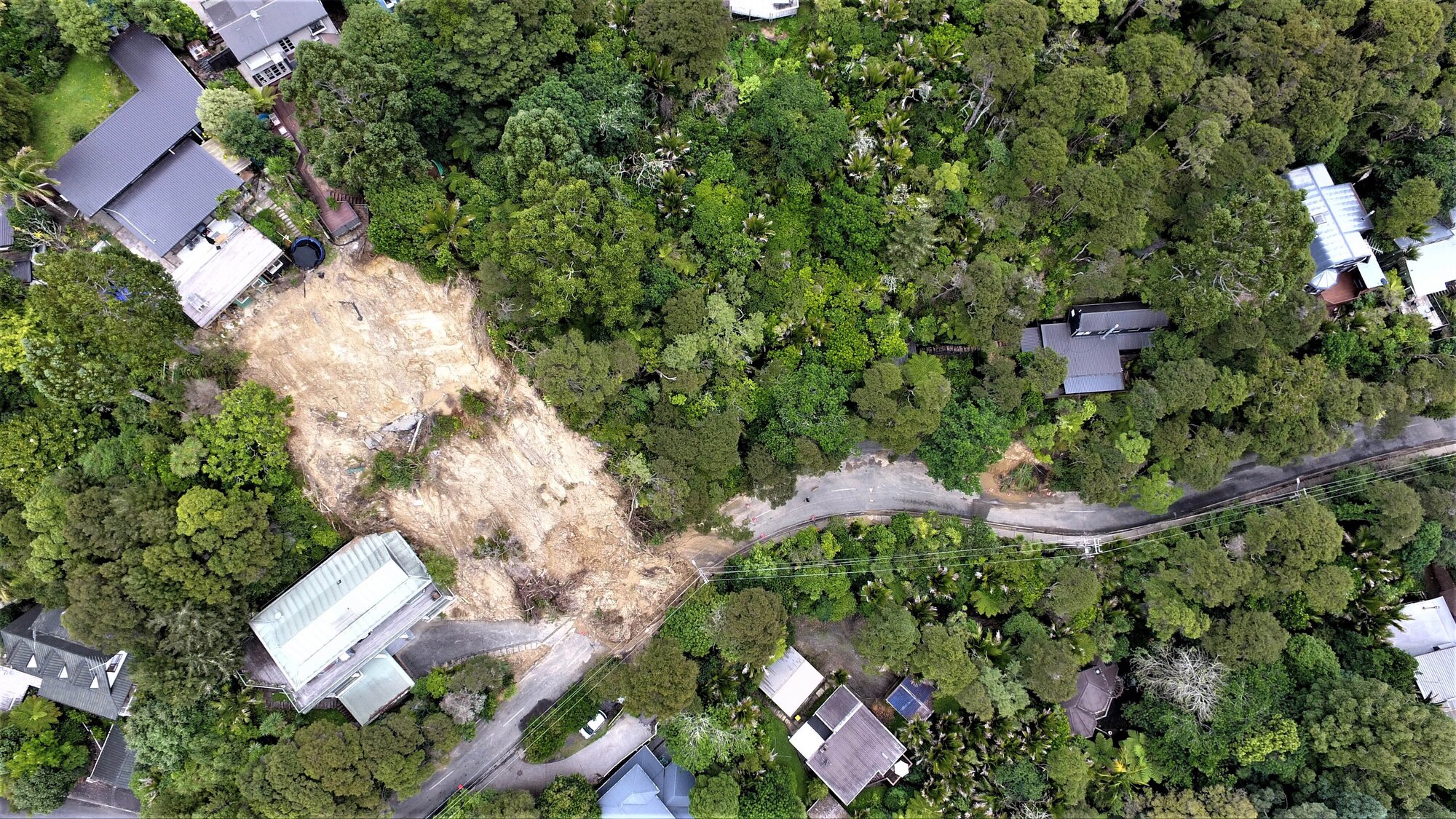
The 2023 Auckland Anniversary floods were a big scare for Feather and other residents of Titirangi, which suffered numerous slips.
In April 2024, the council assigned Feather’s property a Category 1 risk rating, the lowest, meaning it was considered safe to occupy, with any storm damage repairable to its previous state.
Because the house was deemed safe, Feather received no support under the scheme.
A separate Auckland Council fund covered slips on road reserves but only where the slip had physically damaged access to the home.
Feather’s driveway was never blocked, so again she did not qualify for compensation.
The cancer diagnosis
In September 2025, Feather was driving with her grandson when her car was smashed in a hit-and-run that wrote off her car.
While her grandson was unhurt, Feather struggled in the days afterwards to think clearly or walk straight – symptoms that pointed towards a delayed concussion.
After doctors’ visits and a CT scan, the true cause was found: a glioblastoma, or brain cancer, pressing on parts of her brain controlling vision and short-term memory.
“They call it a tumour, but it’s not a solid mass. It’s like a cobweb, and it just infiltrates the brain and applies pressure because it fills up the skull cavity,” Feather explained.
She has undergone chemotherapy and radiation, but the treatment has since been halted and the cancer would take its fatal course, she said.
Ironically, the car crash was fortunate because it prompted the investigations that found the cancer, Lee said.
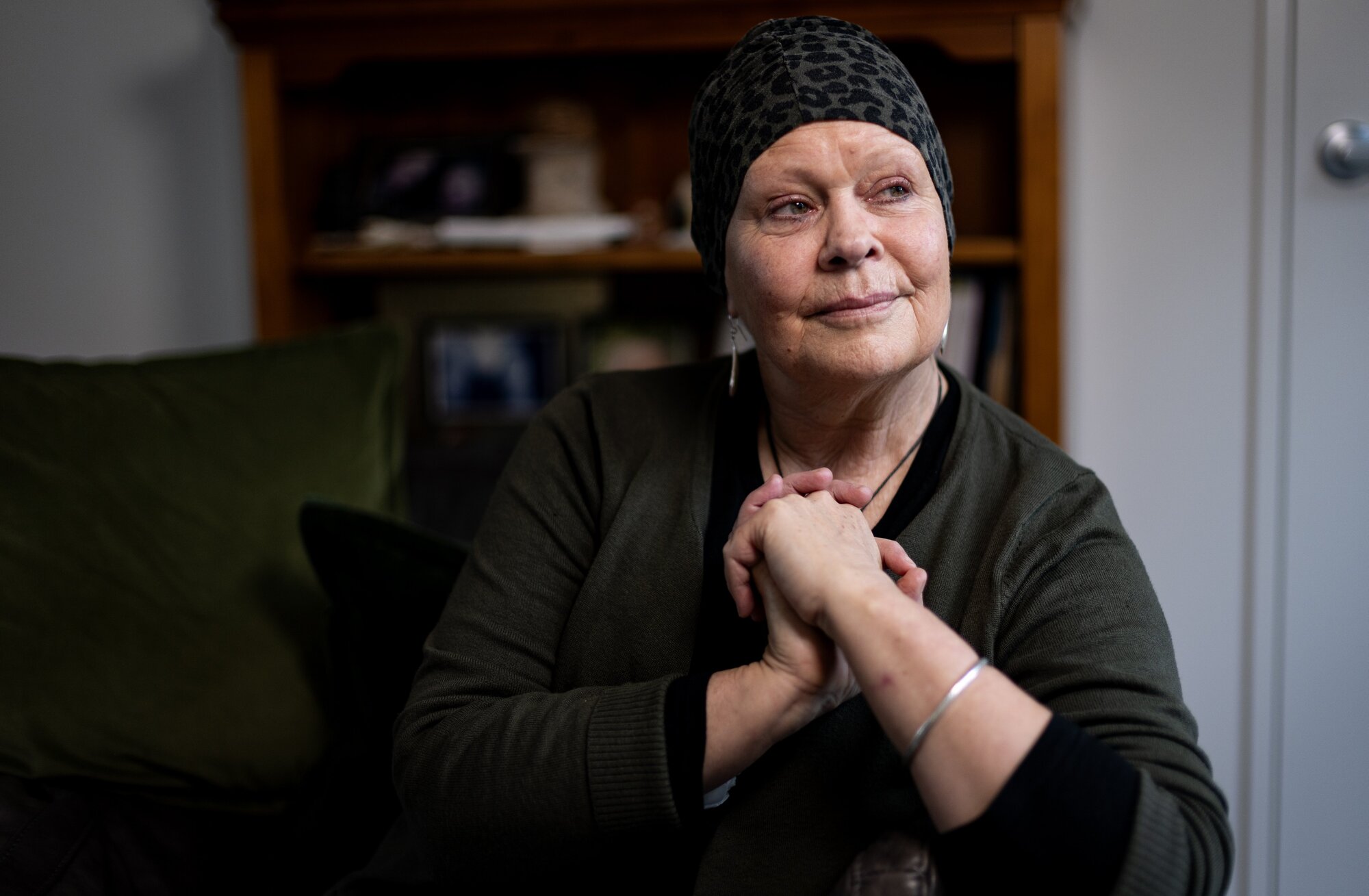
The family kicked into action.
Using Feather’s savings and a $90,000 family loan, they built a small home on younger daughter Grace O’Reilly’s property so she could live close by.
The plan was to sell the Wood Bay Rd home, repay the debts and leave Feather a little to live on and her daughters an inheritance.
“It seemed so logical. Sell the house in Titirangi, that’ll sell no problem, right?” Lee said.
A couple looking to buy their first home offered $800,000, which the family accepted just before Christmas. To make the sale go through, they spent a further $22,000 bringing the house up to code after the building inspection.
Then the buyers’ lender pulled out, citing the slip and the lack of remediation as making the house too risky to lend against.
The first-home buyers tried other lenders, but all declined because of the same risk.
In a bid to save the sale, the buyers considered fixing the slip themselves and were quoted a minimum $100,000 repair bill.
After weeks of extensions, the buyers’ solicitor confirmed in April that the contract was at an end.
“It was devastating,” Feather said.
“It had been such a long process of trying to work with the slip ... and then to have that come down as another ‘no’.
“It was like the last possible portal to turning it into some resources for my girls.”
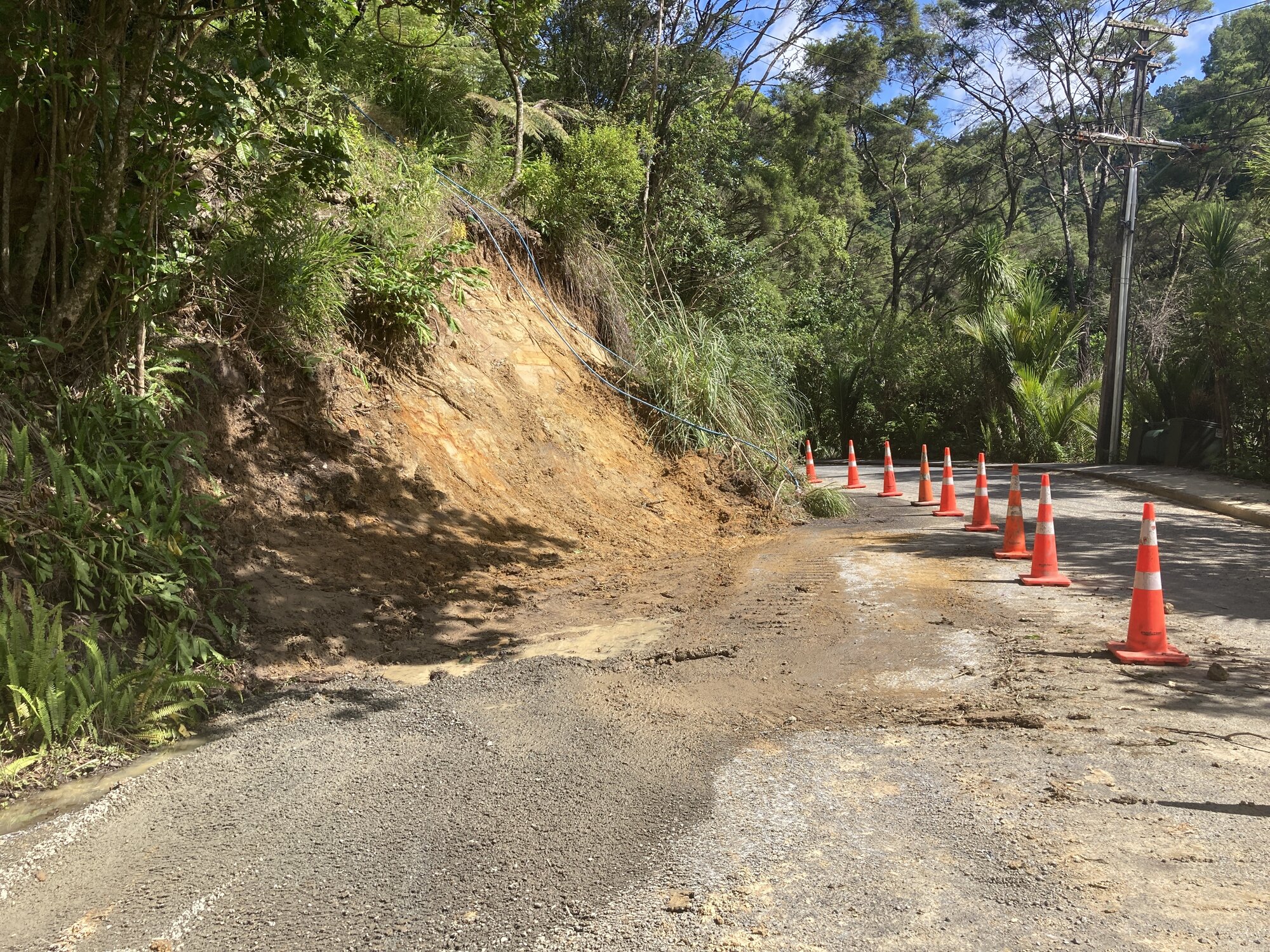
The family faces having to fix the slip themselves, for which they say they have no funds. They would prefer the council to remediate its own land, Lee said.
Feather is philosophical about her situation, not feeling cheated by cancer because she has lived a full life.
“I’ve done my three score and ten.
“I can handle that part, but I can’t handle the injustice of administrative bodies just saying, ‘No, that’s not our problem, we’ll leave it with you,’ which I’ve essentially had in emails from the people that matter and that make these decisions.”
Mike Scott is a senior visual journalist at the New Zealand Herald. His work spans writing, photography and video and has won numerous journalism awards, including Videographer of the Year and Best Documentary. He has worked in media for more than 25 years, producing stories across New Zealand and internationally.
Sign up to The Daily H, a free newsletter curated by our editors and delivered straight to your inbox every weekday.