Court of Appeal upholds $500k award in Auckland leaky home case
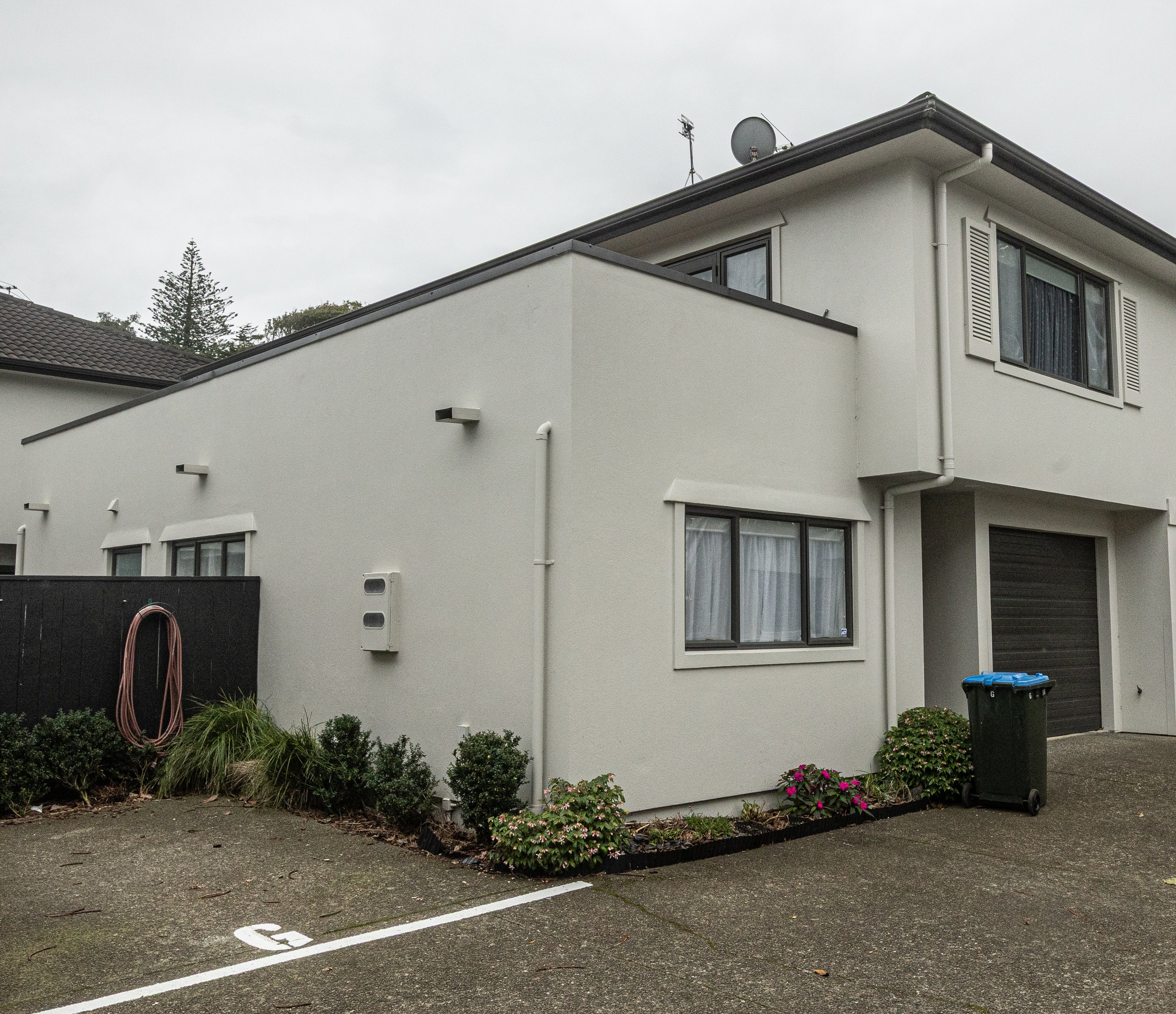
A family found to have sold a rotting Auckland house to a first-home buyer by concealing evidence it leaked have lost an appeal and must pay the buyer more than $500,000 in damages and costs.
A newly released judgment says the trial judge was entitled to rule the vendors had known about long-running weather-tightness problems with the property but deliberately failed to disclose this to the purchaser.
And while the new owner is relieved by the judgment, she declined to comment yesterday because the vendors could still seek leave to appeal to the Supreme Court.
The case relates to the January 2021 sale of an Onehunga unit for $773,000.
The plaintiff, Angelina Vanifatova, purchased the Selwyn St property after making “extensive inquiries” about the state of the house.
The sale agreement required the vendor to provide “any information held relating to the property relevant to the due diligence investigation”.
But a 2025 High Court decision by Justice Peter Andrew found the Wang family deliberately withheld a building report warning of “elevated moisture levels”.
They also undertook “concealment works” that covered signs of water damage, and misrepresented the state of the property to entice a sale.
One of the defendants used a dehumidifier before an open home, telling the real estate agent he had extracted only one litre of water in the previous 24 hours and the house was “relatively dry”.
Justice Andrew described the Wangs’ actions as “deliberate and dishonest”, amounting to deceit, adding that it was highly likely their professional advisers were “alive” to the compromised state of the property during the sale, although he made “no criticism of the role of the solicitors”.
The Wangs appealed the High Court judgment and damages award to the Court of Appeal. A hearing took place in March this year, and a new judgment was handed down last month.
‘Weathertightness failure’, ‘decay damage’
Canvassing the facts of the case, the Court of Appeal decision said the property had been owned by Weiguo Wang (Wang Snr), who resided in China and did not speak English. He let the property out as a rental.
Wang Snr’s daughter Xiaoyue Wang, known as Crystal, and her husband He Wang, known as Wilson, acted as his agents in respect of his responsibilities as owner and landlord of the property, and as vendor for the purposes of its sale.
The decision says tenants raised earlier concerns about leaks, dampness and mould, with Wilson undertaking various repairs on the property over the years without necessary building consent.
After making an offer on the house, Vanifatova made numerous inquiries about potential weathertightness issues before the contract went unconditional.
This included seeking body corporate reports and asking the vendors to provide any relevant details about whether the building leaked.
She also commissioned a building inspection report, which did not identify any weathertightness issues.
However, six months after she moved in, she discovered the house was leaking.
Expert reports later revealed extensive “weathertightness failure” and “decay damage”.
The reports said the damage “would have been apparent” to the previous owner and had been “remediated on a superficial level only prior to the sale”.
Vanifatova launched legal proceedings in April the following year, and later reached a $75,000 settlement with the building inspection company over its “flawed” report.
At trial, her lawyers claimed the defendants had made “fraudulent misrepresentations”, acting with deceit and in breach of contract.
The defendants denied the claims, saying the property had never leaked, except after a 2019 storm, and that they honestly believed it was sound and weathertight.
Couple claimed they were ‘not the vendor’
Crystal and Wilson appealed the 2025 judgment, claiming “errors” had materially affected the High Court’s finding of deceit.
They argued that Wang Snr’s disclosure obligations to Vanifatova did not apply to them “because they were not the vendor”.
“It was argued there was no evidence they had read, let alone understood, the terms of the contract or received any legal advice in relation to it. They were not proficient in English,” the Court of Appeal decision says.
They claimed their real estate agent had not explained the disclosure obligations and that they only provided what the agent requested.
However, the Court of Appeal was unswayed, ruling the couple essentially “stood in the shoes” of Wang Snr during the sale.
“Mr Wang Snr’s own liability, which was based on contractual misrepresentation, rested on the incomplete nature of the disclosure which Mr and Ms Wang bore responsibility to provide.”
The Court of Appeal said it was satisfied “the appellants were aware of the due diligence obligation imposed by the contract, at least to the extent of knowing of the need to provide accurate information in response to Ms Vanifatova’s due diligence inquiries and to furnish her with all relevant information”.
The couple’s second ground of appeal was that the trial judge wrongly adopted a “collective approach” to the defendants’ state of knowledge and liability, because they had both provided information to the real estate agent, “and were husband and wife”.
But again the appellate court was unmoved, finding the High Court did consider the element of dishonesty or fraud individually against Crystal and Wilson.
“We are satisfied the judge was entitled to conclude that Mr and Ms Wang acted in concert in respect of the recurring weathertightness issues over a very long period, during which successive attempts were made to locate the leak(s) and remedy the problem.
“It is clear that the elongated sale process was impeded because of the existence of this issue – one which both Mr and Ms Wang must have been aware [of], given the chronic defect that had dogged the property over such a long time.”
The decision added that redecorating work carried out before the sale had the effect of “covering over” signs that may have alerted prospective purchasers to water ingress problems.
The appeal was dismissed, and the 2025 damages award was upheld.
Lane Nichols is Auckland desk editor for the New Zealand Herald with more than 20 years’ experience in the industry.
Sign up to The Daily H, a free newsletter curated by our editors and delivered straight to your inbox every weekday.