Ian Winson’s life after Onehunga explosion: From survivor to blood donor
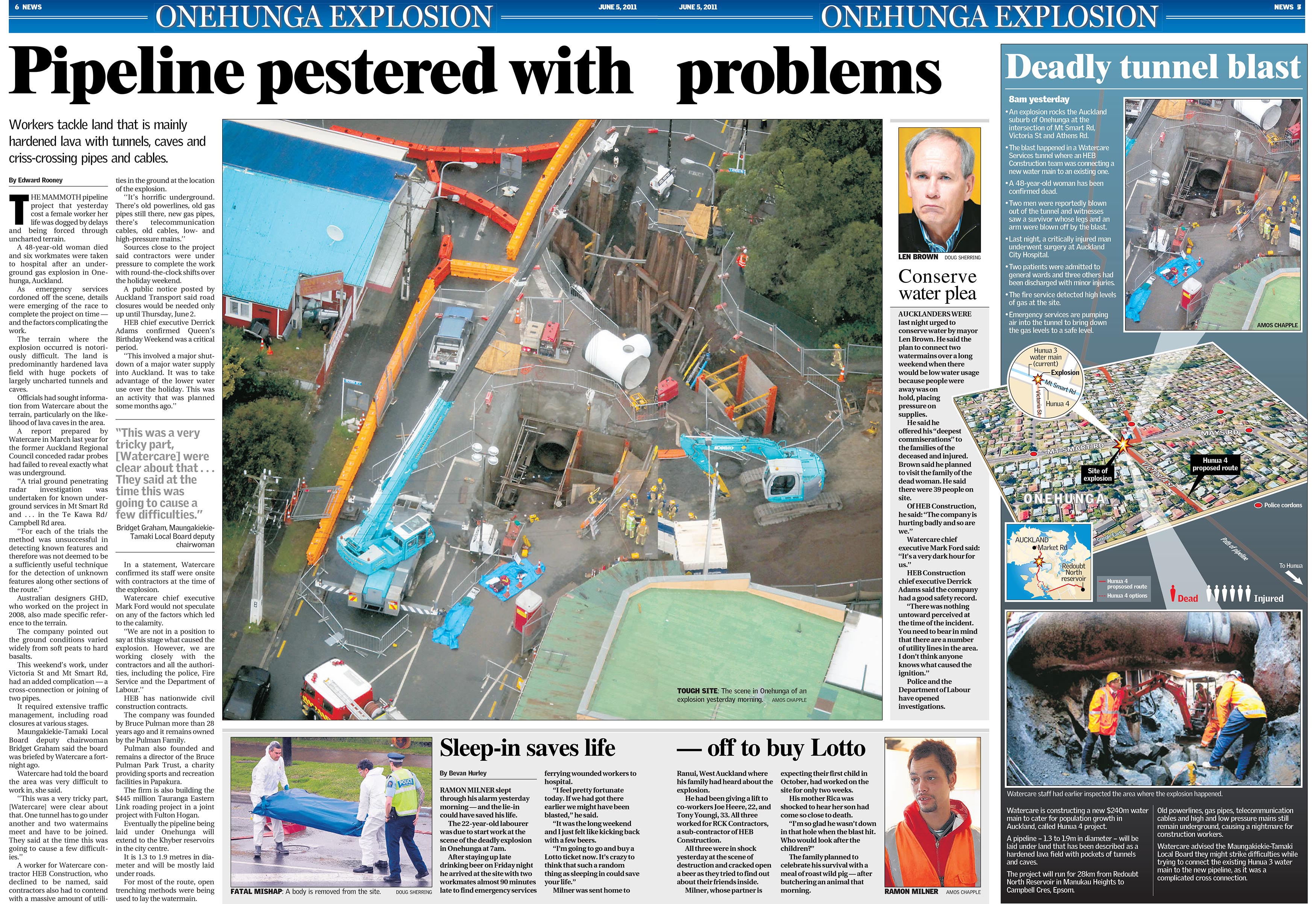
Fifteen years ago Ian Winson was blasted down a giant water pipe like a bullet down a gun barrel. It ripped both of his legs off.
The explosion at a Watercare worksite in Onehunga in 2011 occurred when natural gas was ignited, killing one and injuring several others.
There could easily have been two deaths if not for firefighters choosing to enter the large pipe when they heard Winson’s cries.
Because he was calling for help, it told the rescuers he could breathe and they went after him.
“That’s the only recollection that I have - the face of a breathing apparatus mask and him saying, ‘I’ll get you out’,” Ian said.
With both legs below the knee gone, Ian was bleeding out.
A quirk of explosive injuries likely gave him a chance: arteries are ripped rather than cut so they tend to self-seal, squeezed thin like stretched elastic bands.
Ian was later told by doctors he was pale and cold when he arrived at Auckland City Hospital.
“Apparently I was on reserve empty,” he said. “Not on tank empty. I was on reserve empty.”
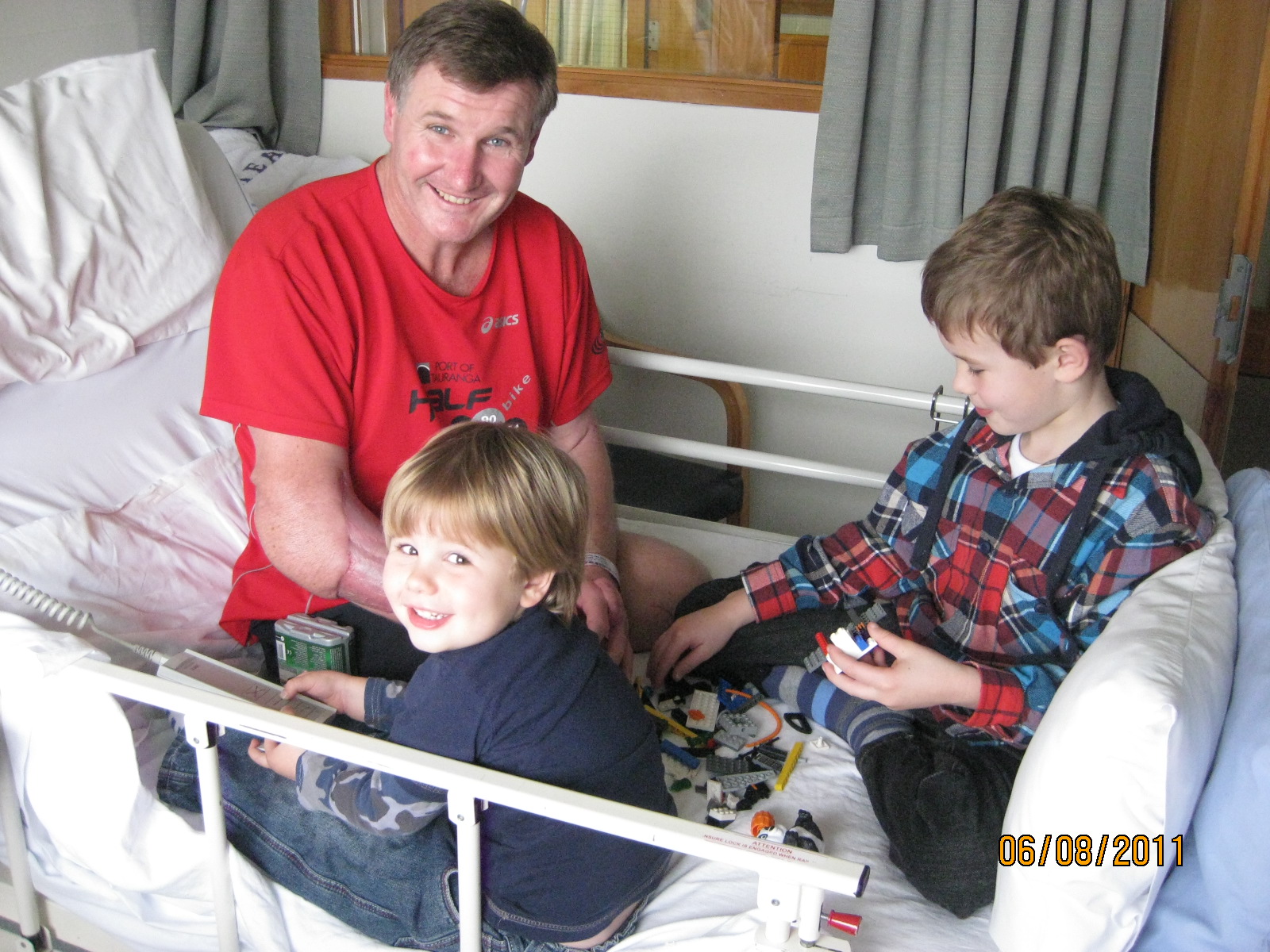
At the hospital, Ian Winson’s wife, Katherine, saw her husband connected to tubes and the white linen laying flat where his legs should be.
“That was quite a defining moment of, actually, they have really gone. His legs are actually gone. That was terrible.”
Ian remembers none of it. He has no memory of the initial surgeries, the blood transfusions and beeping machines keeping him alive in the three weeks after the blast.
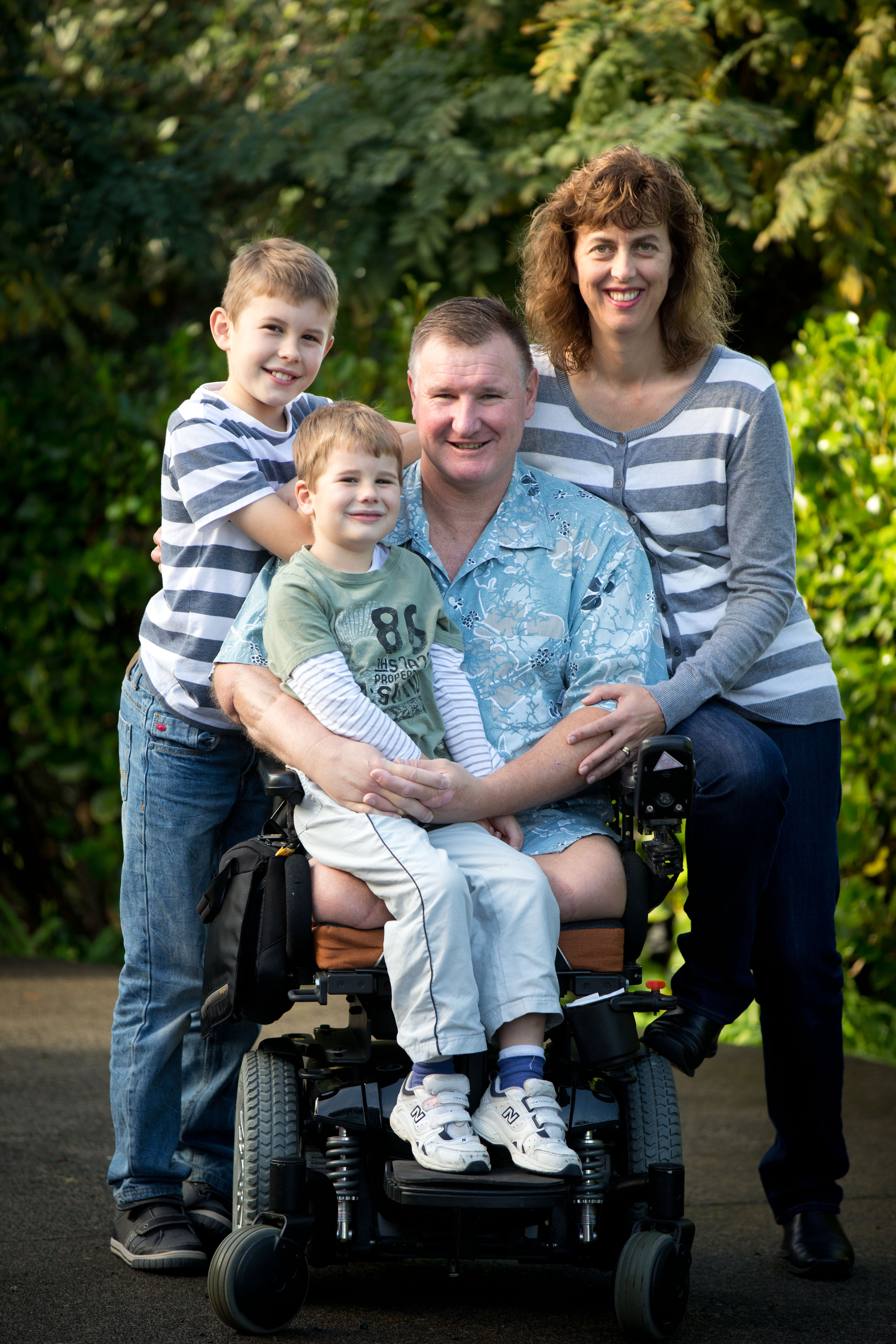
Katherine remembers it all.
“It’s lonely actually, really lonely. Nobody understands the journey I’ve gone on - there’s no one to share that with.
“I knew it was going to be tricky as to whether he’d survive or not.
“He had had so much injury and had lost so much blood ... it was a very complex situation.”
Ian, the man who competed in Ironman events, who ran for hours in the Waitākere Range to clear his head, whose fitness the surgeons credited with keeping him alive, made it.
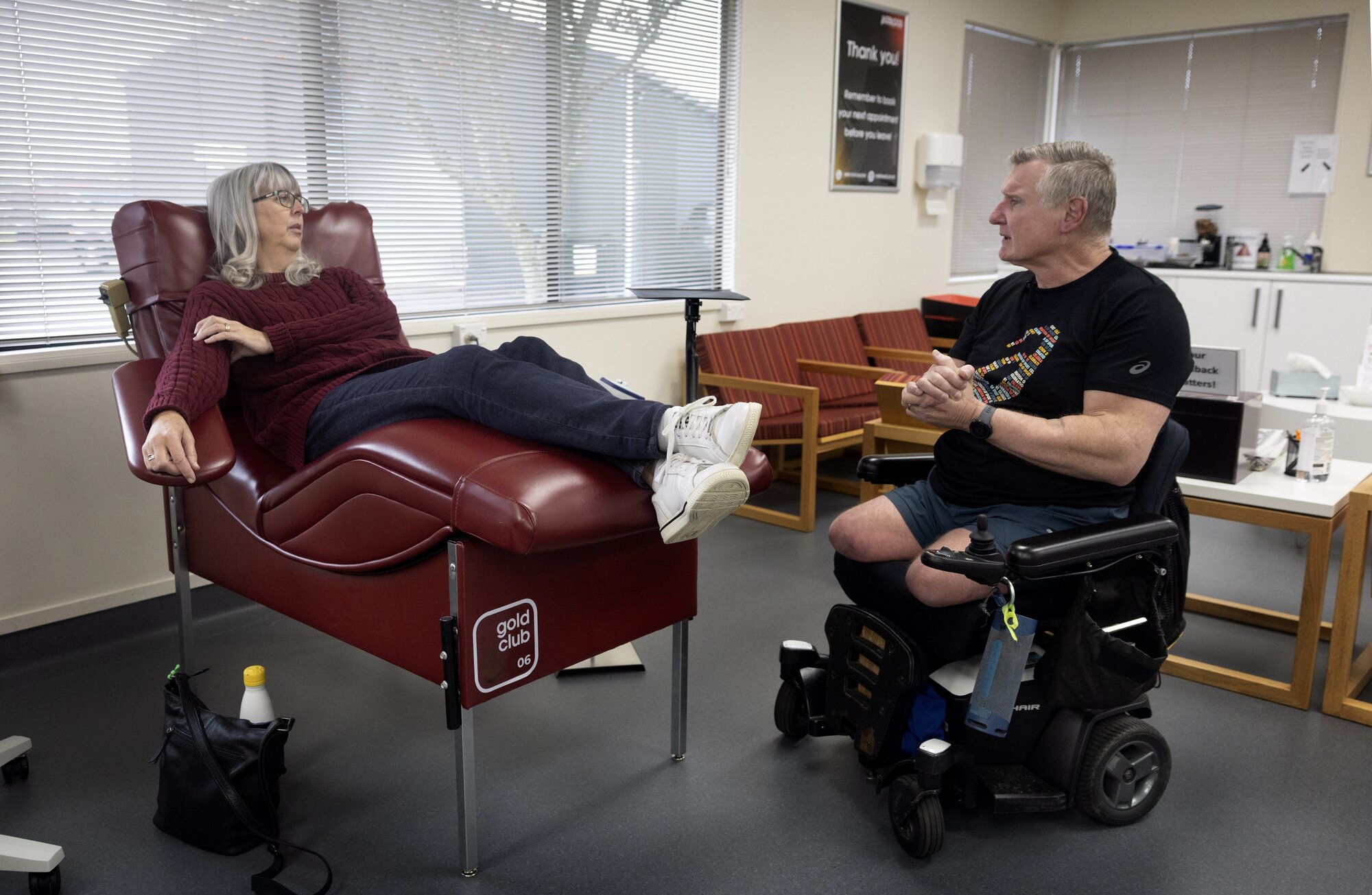
Fifteen years later - to the day - the husband and wife arrived at the New Zealand Blood Service’s Henderson Donor Centre with Katherine marking the milestone by donating blood.
“Often the anniversary is hard,” she explained.
“As much as I try really hard not to think about it, it is just there in your head the whole time.
“I thought, ‘Okay, I know I’m ready to give blood’, and I thought, ‘Fourth of June - that’s a good thing to do on this day’, because other people had given blood and that had saved my husband’s life.”
More than others, the Winsons know the importance of donated blood to keep Kiwis in need alive.
Apart from the horrific injuries in the explosion to his legs, both his arms and hands were severely damaged.
It was those upper body injuries that required the majority of the 40 surgeries he has undergone where donated blood was often required.
Every 18 minutes, someone in New Zealand needs blood or blood products.
The blood service needs more than 5000 donations every week just to keep pace with the demand.
New Zealand Blood Service has 141,000 donors on their books but they are not enough - they need 4000 more in the next 12 months.
National Blood Donor Week is a drive to boost the number of donors from the current 4% of eligible New Zealanders who do give blood.
In the Henderson centre, Katherine has completed her pre-donation consultation.
The news is glum because the first finger-prick test indicated her haemoglobin levels were slightly too low to allow donation.
Nurses take a full blood sample for a more comprehensive test with the hope the levels will be enough.
It would be unlucky to be denied on this significant day because Katherine is a regular donor.
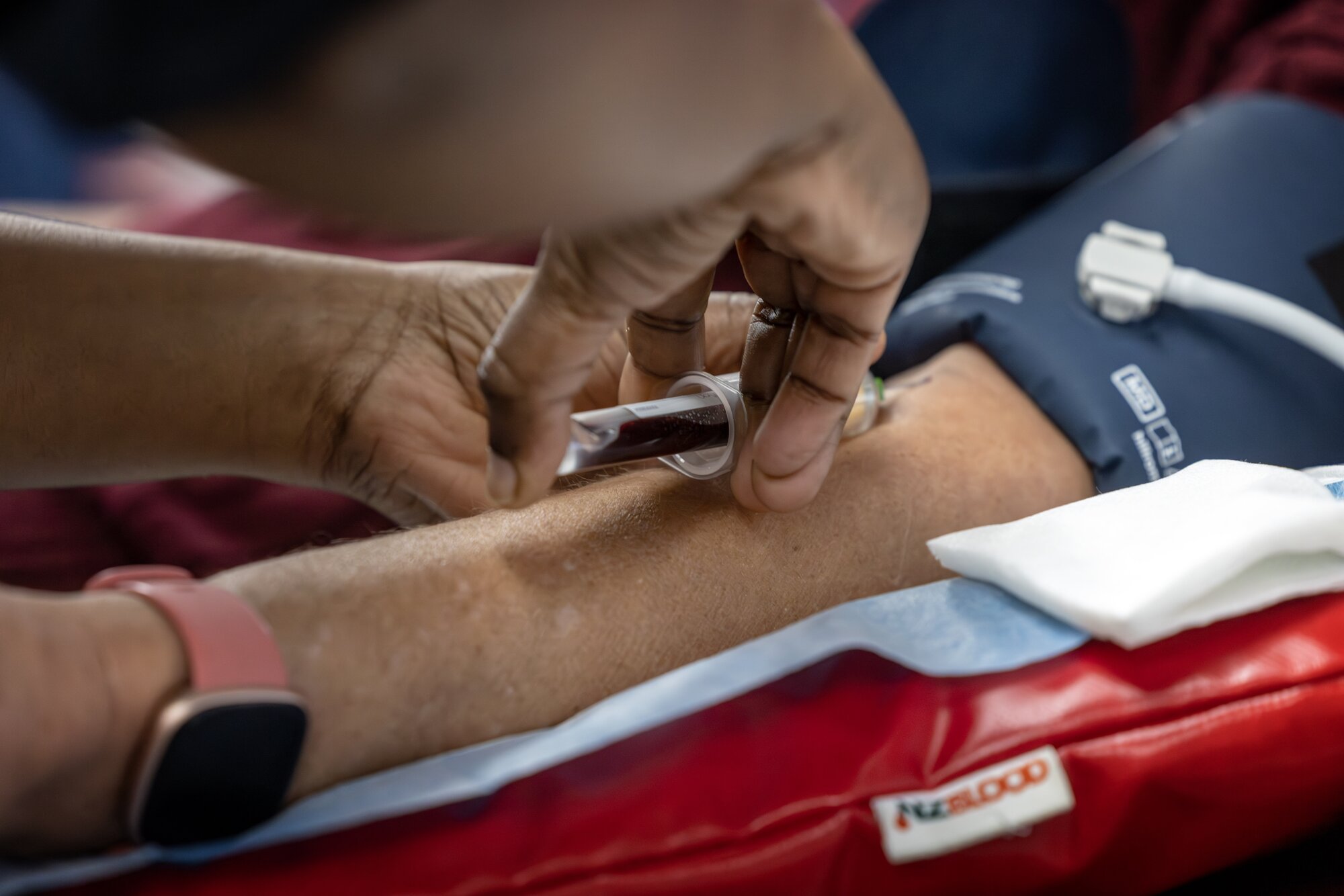
Ian is also a regular but a bit different. He has fought back from his injuries to become a plasma donor.
Plasma – often called the “liquid gold” of blood - can be donated every two weeks but the extraction process takes longer.
Yet, it treats up to 50 conditions from cancer to kidney failure.
While whole blood is quicker to give, the red cells have a 35-day shelf life, which is another reason regular donors matter.
Ian donates plasma every three weeks. He is O negative – the blood type that can be given to anyone and is the type for 7-8% of New Zealanders.
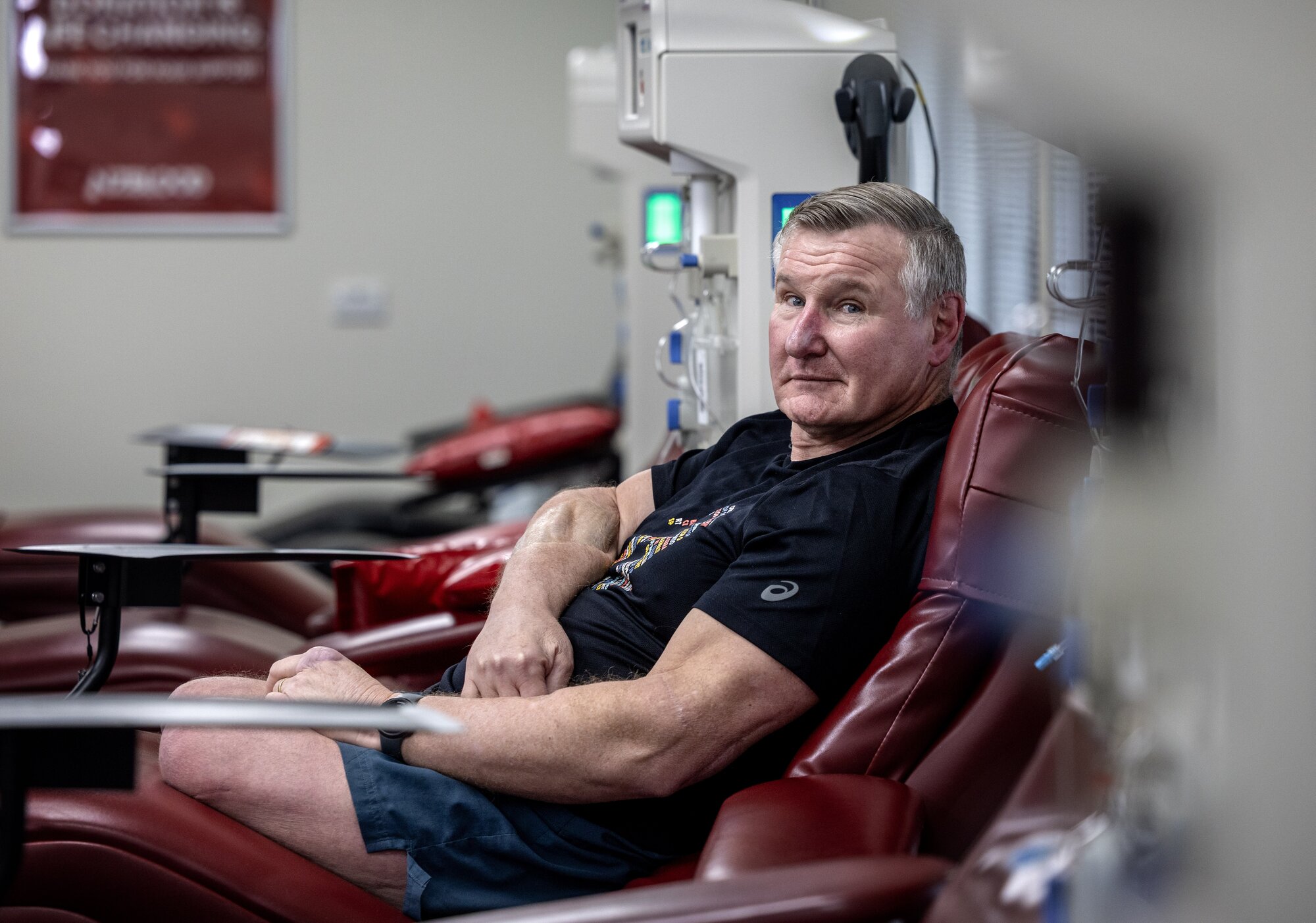
Ian was also a fairly regular donor before the accident and he knows what it means.
“You flip the story on the other side and you go, ‘What if I needed it?’ It’s what a good citizen should do.”
Obviously, life is different for the Winsons since June 4, 2011.
Ian no longer works in engineering. Now he is a personal trainer and life coach, and still active in fitness and wellbeing.
He found swimming first. Then handcycling.
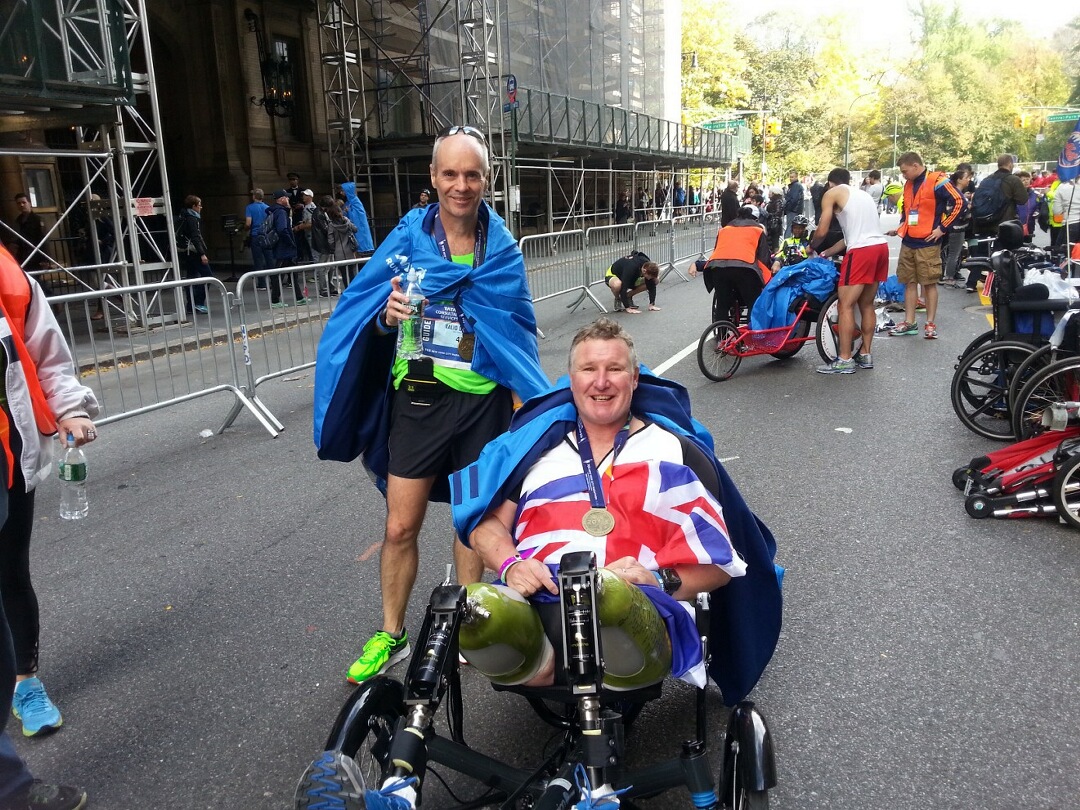
He has raced the New York Marathon twice – once fitted with prosthetic legs on a recumbent bike, finishing in four hours and five minutes.
When he returned in 2023 on a standard handcycle, he did it in 100 minutes.
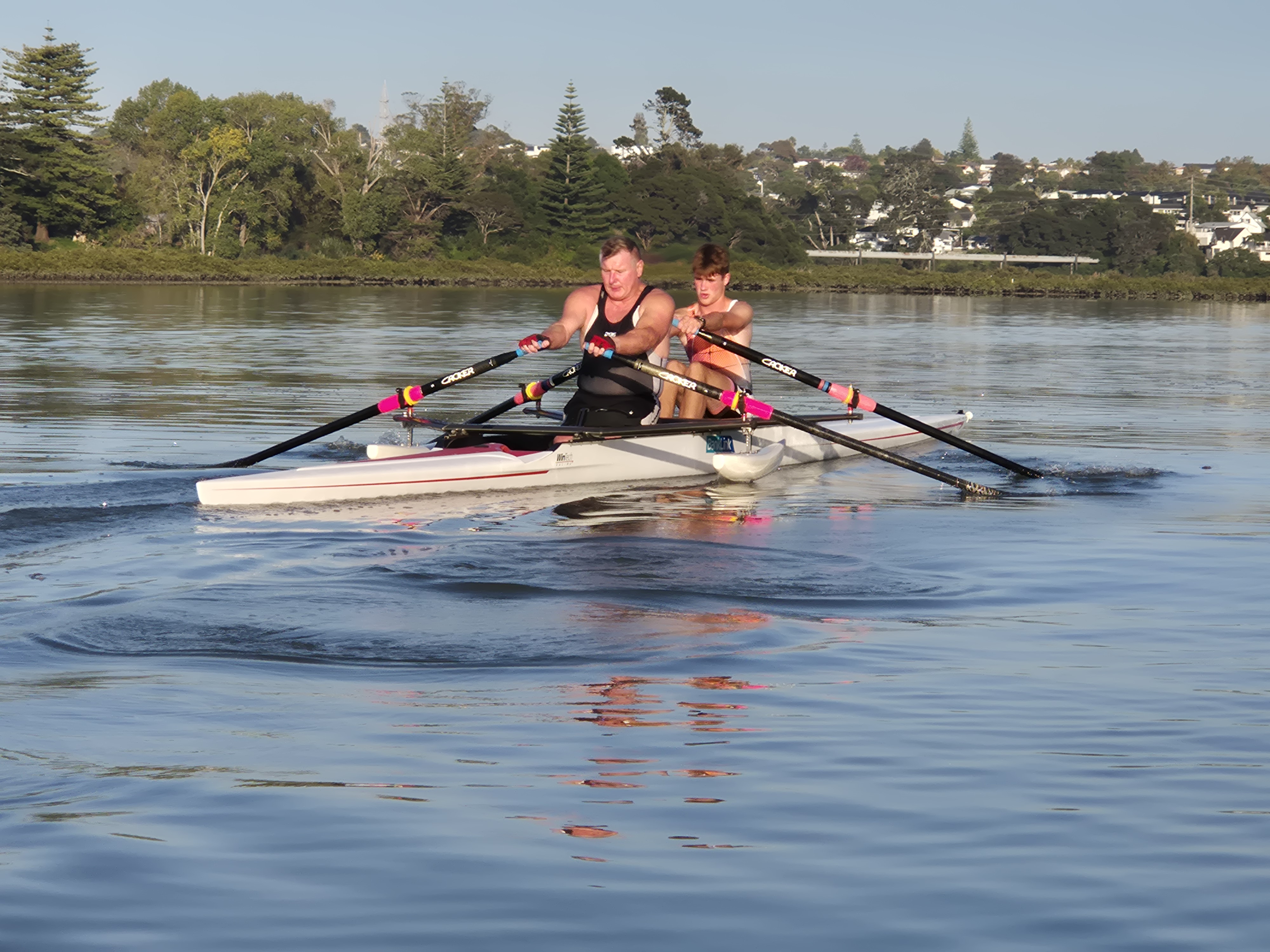
But finding rowing gave him back what running in the Waitākere Ranges once did.
The repetitive stroke. The stillness of the water. The chance to solve all your problems as you get into a flow state.
“When I get off the water after an hour I have that same neural thing that I had with running in the Waitāks,” he said.
His youngest son, Ethan, 17, rows with him – Ethan was 2 years old on the day of the explosion.
Katherine has watched them in the boat together.
“The kids have pretty much grown up with a dad who hasn’t been able to do a lot of stuff with them,” she said.
“Seeing them doing something together that both of them really love is just phenomenal.”
The second test result comes back and the haemoglobin is still too low.
Disappointed, Katherine will not be donating today but will book again as soon as she is able.
Checking the app, doing the quiz to check eligibility and finding available time slots is simple, Katherine tells the Herald.
She would give more often if they let her.
“It’s just so good for your soul.
“I often get a bit teary when I’m doing it because I think people have done this for my husband and it’s an opportunity that I can give to other people who might be in that situation.”
Mike Scott has covered stories across New Zealand and internationally for more than 20 years. His work spans writing, photography and video and has won numerous journalism awards.
Sign up to The Daily H, a free newsletter curated by our editors and delivered straight to your inbox every weekday.