Interactive map: Street-by-street data shows you what could change at your house
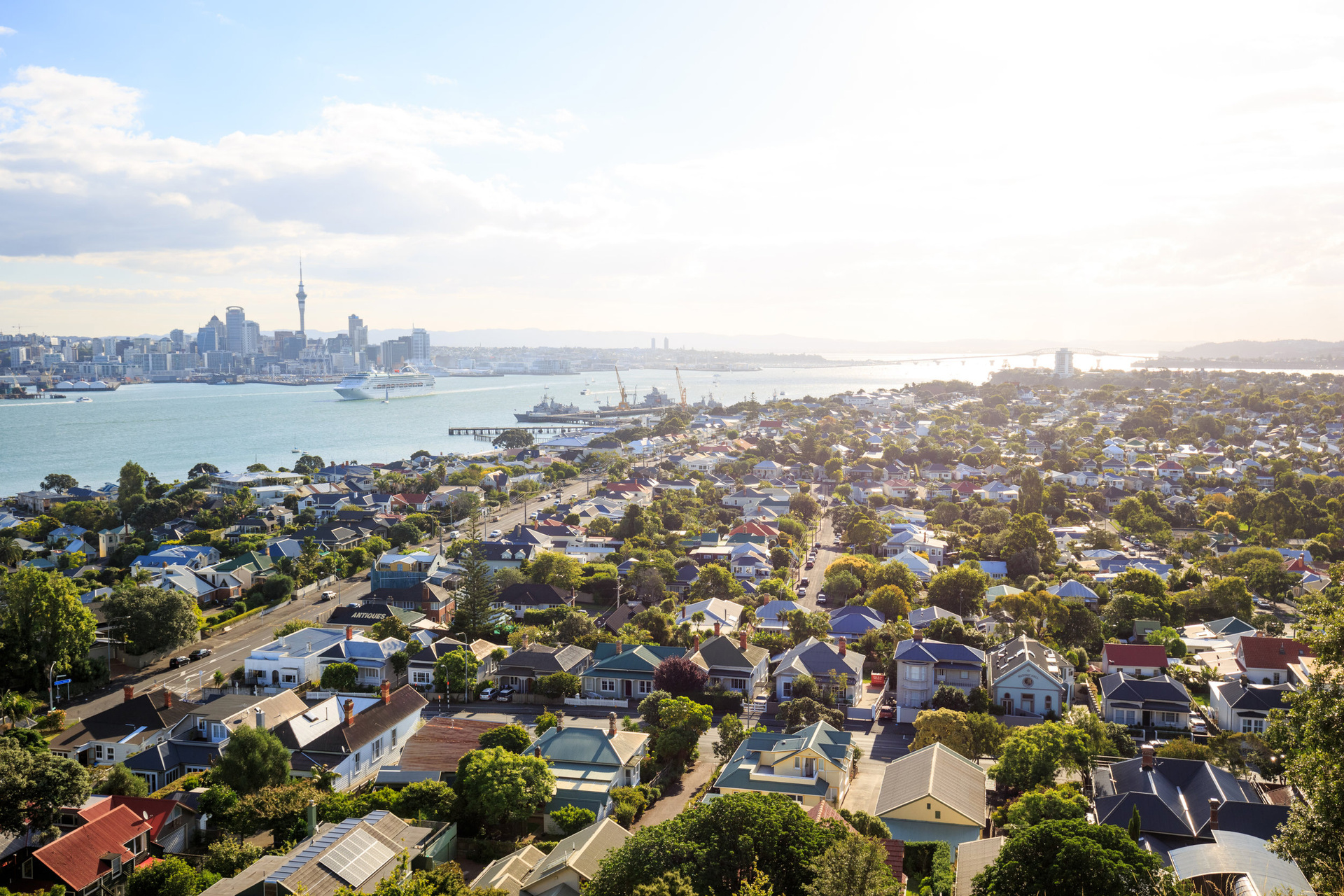
How will the proposed housing changes affect your neighbourhood? Find out using the Herald’s interactive map.
Auckland’s skyline is changing, and the Herald has obtained street-by-street data so you can zoom in on your home and community to see how you could be affected.
The Auckland Council is considering two planning proposals for the future of the city.
Both are increasing the number of homes that can be built and both will permit more tall apartment blocks and townhouses.
Scenario A, as it’s known, would expand current planning rules – which allow for 1.2 million new homes – by instead making room for between 1.4 million and 1.6 million homes to be built.
Scenario B could allow for 1.5 million to 1.7 million homes.
Auckland councillors last month chose the two scenarios as the preferred options.
They now go out for further debate and public consultation before a final set of rules is chosen in mid-2027.
The interactive map can help make sense of what’s up for debate and what could change.
By clicking on the “current” button in the map, you see current planning rules for your street or neighbourhood and what the local zoning permits to be built.
By clicking on the “Scenario A” or “Scenario B” buttons, you can then check out whether the zoning in your street or neighbourhood would change.
Another important feature in the map is that the Scenario A and B options also allow you to turn on what’s called “walkable catchments” and “frequent transport corridors”.
Under both scenarios, most tall apartment buildings and development would occur in these areas - concentrated around the city centre, train stations and bus routes.
Turning on these features will show whether your home is located in a high-rise catchment or sits close to a transport route destined for greater intensity.
Residential zones explained:
Most of city spared dramatic change
Despite the two new proposals allowing for more homes to be built, most Auckland suburbs would likely be spared sweeping housing change.
Councillors last month voted against adopting the boldest planning visions for the city’s future.
Instead, under Scenario A and B, about 87% and 85% respectively of the city’s land area and most homeowners would be unaffected and not subject to new planning rules.
The two preferred options were sent out for feedback after the Government backtracked from its directive last year that Auckland needed to loosen housing density rules to allow capacity for two million homes.
That requirement had led to much more ambitious planning changes that would have changed the face of much of the city.
However, after suburban backlash, the Government retreated and cut the capacity requirement to 1.4 million homes.
Despite the reduced scope of the proposed planning changes, some residents remain unhappy.
Writing in yesterday’s Herald, former Prime Minister Helen Clark said the new rules could damage many old villas in her Albert-Eden neighbourhood, as well as in the Waitematā and Ōrākei local board areas.
She said kauri villas of the late 19th century, Californian bungalows of the inter-war years, and modest workers’ cottages had historical significance that should be preserved.
‘Need more homes in right places’: Mayor Brown
Councillors last month spent hours debating four proposed scenarios before settling on the two preferred options.
Mayor Wayne Brown had pushed for more ambitious changes. He was among those worried that small sections of society with “loud voices” were having outsized influence in the debate.
“We need to do this, rather than simply hearing from the loudest groups and individuals who are against virtually everything,” he said.
Others, such as councillor Mike Lee, however, said residents from his district had given a clear message they didn’t support bold planning changes.

In releasing the street-by-street data to the Herald this week, the Auckland Council stressed that the maps in this story are currently being reviewed by local boards and iwi.
Once this feedback has been considered, the council’s policy, planning and development committee will decide on a version of the maps to release for public submissions.
This means that maps open for submissions may differ from those shown in this story, as they will reflect feedback from local boards and iwi.
Submissions are expected to reopen later this year.
Sign up to The Daily H, a free newsletter curated by our editors and delivered straight to your inbox every weekday.