St Lukes Garden Apartments owners lose leaky building conspiracy case, face $636k levy bill
Two unit owners at the country’s biggest leaky building disaster have failed to convince a judge the body corporate was involved in an orchestrated ”conspiracy" to conceal weathertightness defects from potential buyers.
And now court-appointed administrators are demanding payment from the two failed litigants of $636,000 in unpaid levies amid threats of enforcement action and court proceedings if they don’t pay up.
The couple told the Herald they were devastated by the court’s decision. They had lost everything as a result of purchasing a leaky apartment and could not afford crushing levy demands to finance the unprecedented 17-building repair project.
“This is an absolutely hopeless, most terrible tragic situation,” one said.
“They’ve destroyed us completely. They’ve completely destroyed our lives.”
In addition to the levy demands, the couple now face six-figure court costs, which they were earlier warned could eventuate if their high stakes civil case was unsuccessful.
“That risk has now materialised,” Associate Judge Liz Gellert said in a judgment handed down last month.
The couple purchased a unit at St Lukes Garden Apartments in March 2013.
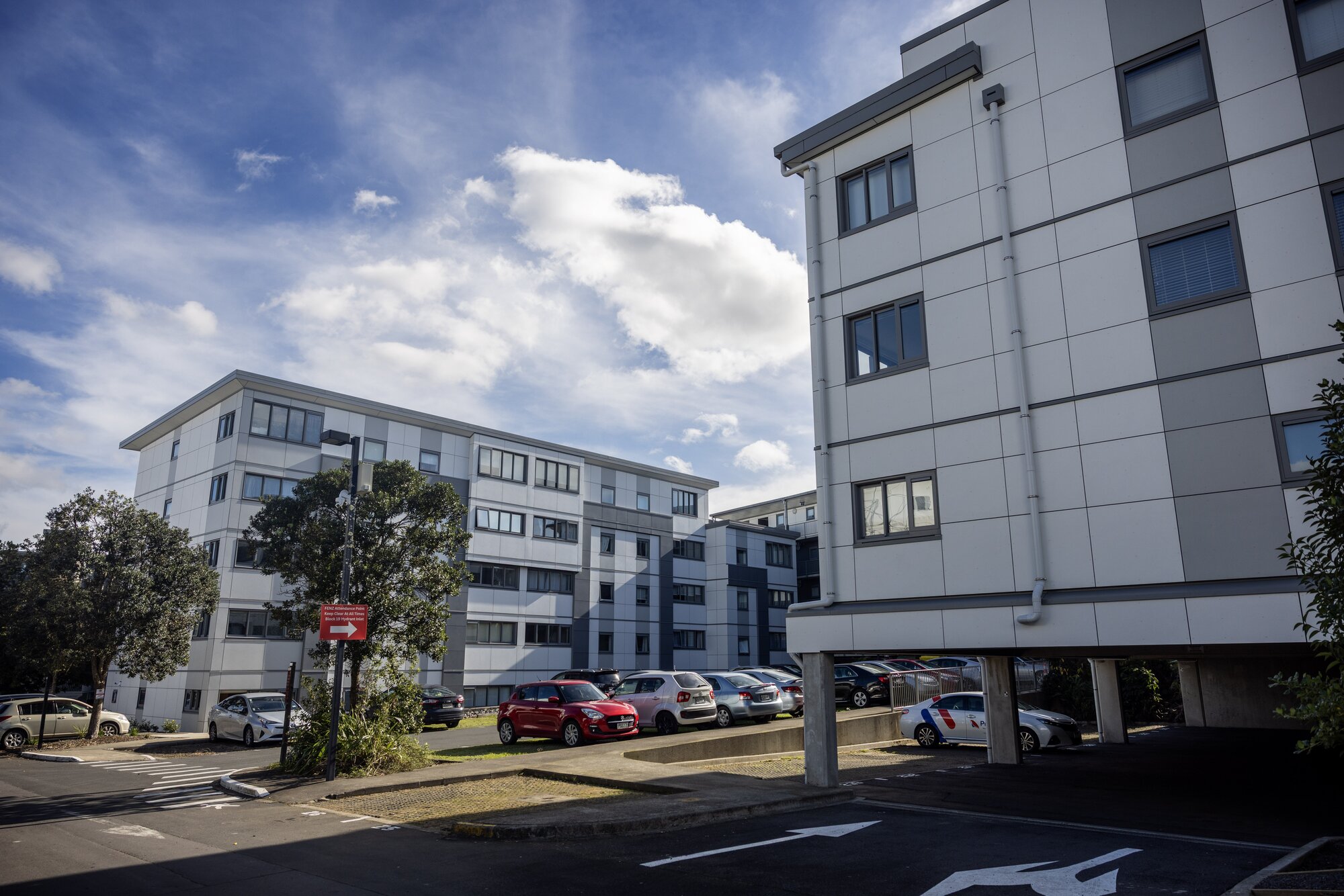
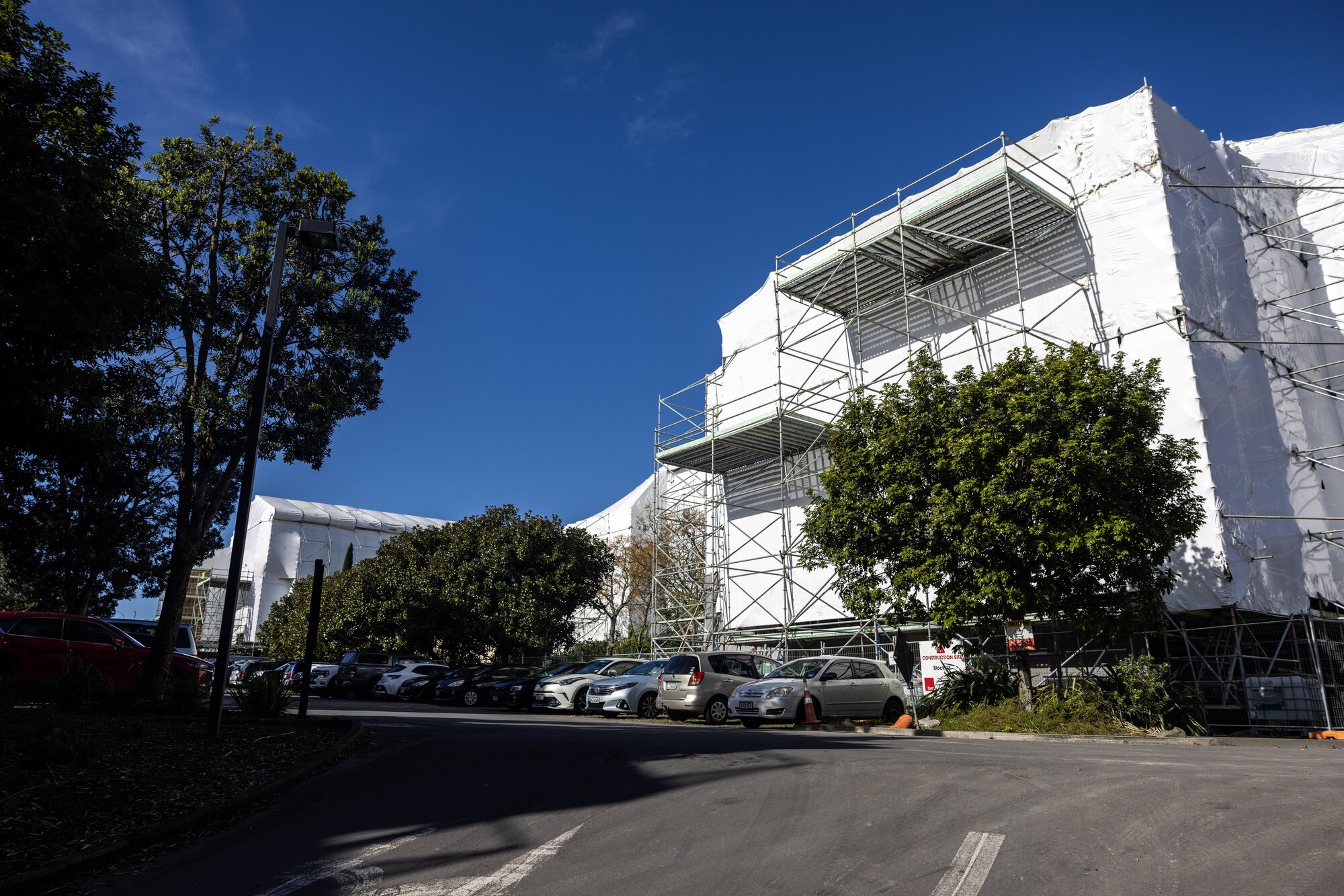
Signs of water ingress at the 285-unit complex began to emerge in August that year, and beleaguered owners now face a repair bill of more than $240 million - the largest leaky building remediation project in New Zealand’s history.
The couple received $273,937 as part of a 2019 settlement agreement that resulted in tens of millions of dollars being paid out by Auckland Council.
However, due to escalating costs and delays, the repair project has repeatedly blown out, with some individual owners now facing bills of up to $800,000 to repair their rotting homes.
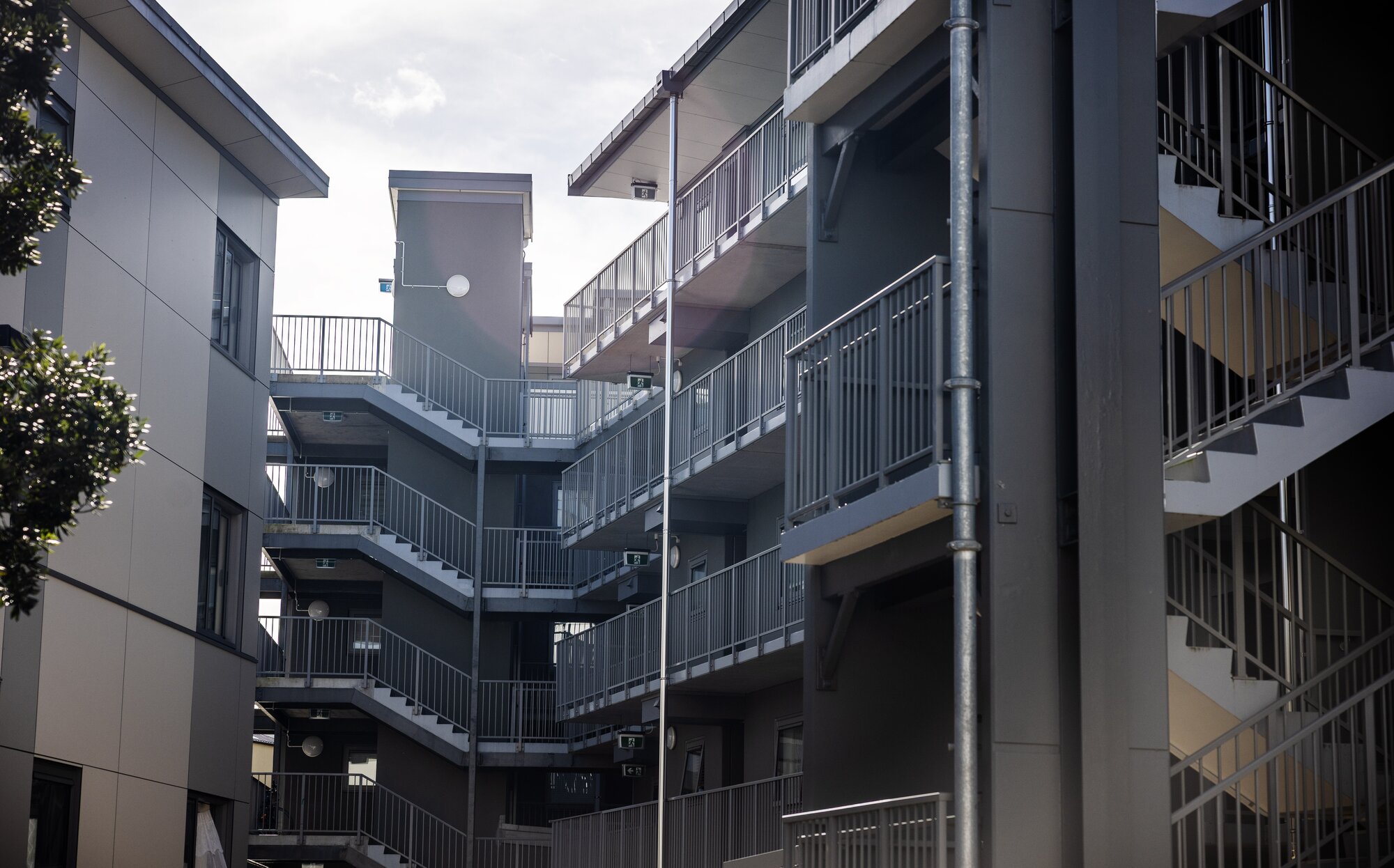
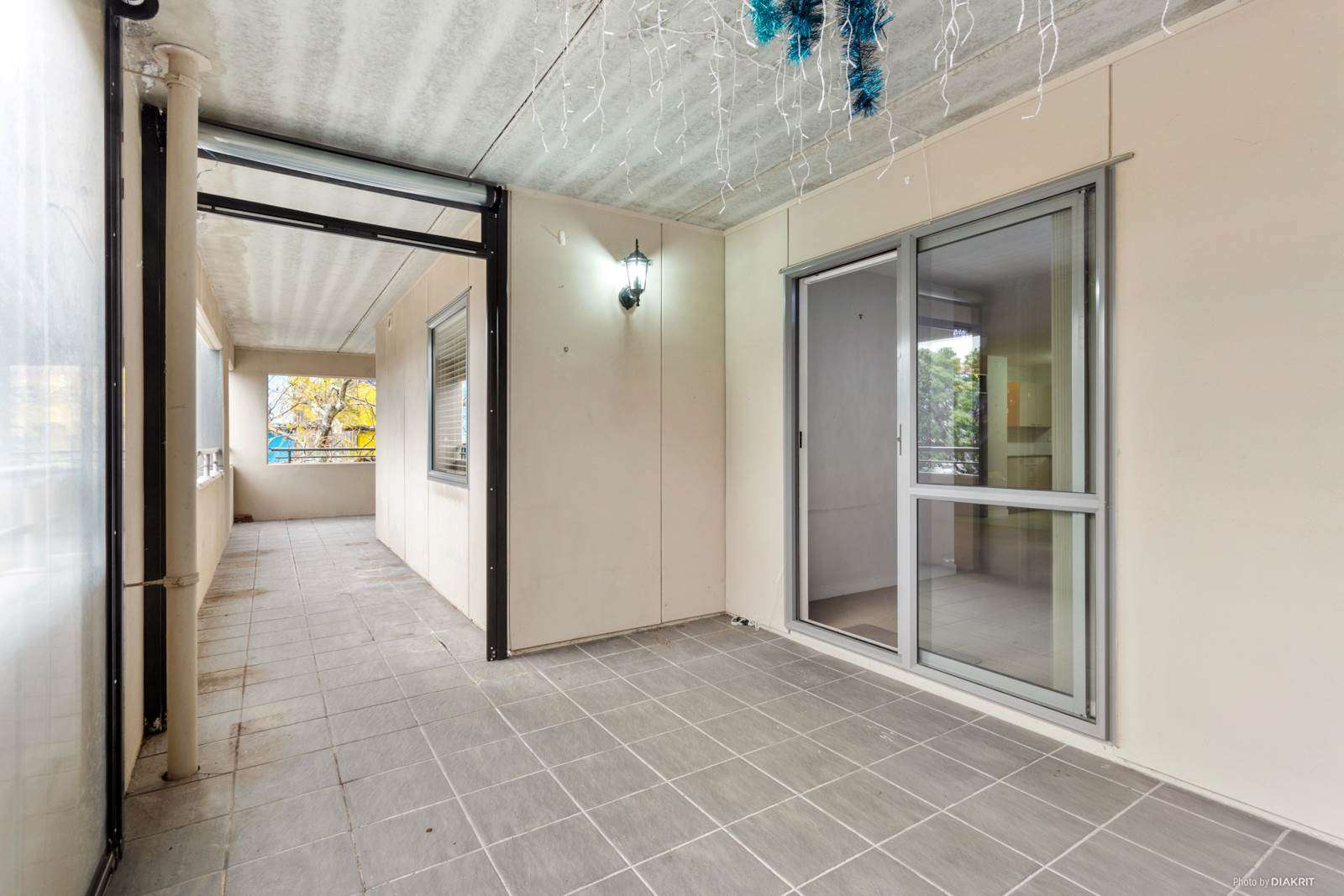
Saddled with a leaking property and unable to pay the increasing levy demands, the couple launched new proceedings in the High Court in 2024 against the body corporate, the previous owners who sold them the unit, various lawyers involved in the sale and the couple’s lender.
Due to the couple’s financial situation, they self-represented. The case went to trial in September last year and a judgment was issued by Judge Gellert in June.
“The overarching theme of the [couple’s] argument is that the defendants were part of a deliberate scheme to conceal known information as to weathertightness issues prior to the [couple] purchasing the unit,“ the decision says.
The “deliberate concealment” had resulted in significant financial loss exceeding their share of the 2019 settlement, the couple claimed.
They argued details of weathertightness issues had been discussed a month before their purchase - at a February 2013 body corporate meeting - draft minutes of which were allegedly presented as evidence at the trial.
They also argued pre-purchase disclosure documents were withheld, that lawyers were negligent during sale negotiations, and that their lender had “not properly” investigated potential risks associated with the property before issuing the mortgage.
“The [couple] allege that the body corporate was the primary party involved in orchestrating the entire concealment scheme through false timeline claims, systematic selective discovery, and false representations in disclosure statements,” the judge wrote.
However, the judge threw out the case, ruling there was no evidence that any of the defendants had knowledge of the impending weathertightness problems prior to the couple settling in April 2013.
Judge Gellert found there was no body corporate meeting in February that year, ruling this was a “typographical error” on the minutes.
“It was the wrong year.”
The couple’s claims against lawyers involved in the case were “speculative” and lacking foundation, the judge found.
“The facts asserted by the [couple] are demonstrably contrary to the contemporaneous documentary evidence.”
The couple had claimed a valuation report commissioned by their lender flagged concerns about “water penetration” issues at the complex, which should have been disclosed to them as buyers.
However, the judge found the report was emailed to them at the time of the sale, and the weathertightness reference was nothing more than a general “disclaimer”.
While the couple’s perception of unfairness and resulting financial pressures they faced were “meaningful and warrant proper consideration”, they had failed to prove their claims, Judge Gellert wrote.
The judge has now asked the successful parties to prepare submissions on costs - a situation the couple had been warned about prior to trial.
“I ... explained that there are five defendants, so in this case there was the risk of five costs awards being made against them if all five defendants were successful. [The plaintiff] said she understood the risk. That risk has now materialised.”
‘Payment is critical’
The couple’s problems do not end there.
Deloitte administrators who were appointed last year to oversee the remediation project following delays and cost overruns have also been granted control of levying and enforcement.
The couple received a letter last month from administrator Robert Campbell warning they owed nearly $550,000 in outstanding levies - which has since ballooned to $636,000.
The letter requested payment of the arrears and “engagement about your position” by July 9 to avoid recovery action being taken.
“We understand that the remediation project has placed financial strain on many owners. However, the body corporate must continue to meet its obligations, and levy payments are essential to doing so.”
Campbell said the administrators recognised some owners were unable to afford levy contributions. A loan had therefore been secured to finance the remediation work.
“In order to secure this loan however, lenders require levy collections to continue, therefore your payment is critical.
“If payment is not made, or if you do not engage with us on your financial position, we will have no choice but to commence formal recovery action for the amount due.”
This could involve issuing court proceedings and a charging order being placed on the couple’s apartment, “which could prevent you from selling your unit until the levies are paid”.
Campbell said about $155m of the $240m repair budget would come from owner levies.
The administrators were working in the best interests of all owners to keep costs as low as possible and complete the repairs.
Recovery action commences against six owners
The Herald has obtained an administrator’s six-monthly report to the High Court on the status of the remediation project and enforcement action over unpaid levies.
It says additional levies of $3m “may be required” to complete the project, once contingencies are factored in.
About $27m in levies was currently in arrears.
Recovery action had begun against six unit owners with outstanding levies totalling $2.3m who had failed to engage with the body corporate.
Another group of owners had arrears totalling $11m. Eleven of those owners owed $4m and hadn’t engaged with administrators.
“These cases may be referred for legal recovery and enforcement.”
In a June project update, administrators thanked owners for their support and patience “through what has been an arduous journey”. It acknowledged that the significant financial contributions to complete the project were “crippling for many”.
“Although we still have over a year of remedial work ahead of us, it does feel like we are on the home straight.”
Auckland lawyer Tim Bates is assisting the couple following the High Court judgment.
He said they were faced with an awful situation in which they had innocently purchased a leaky home.
They would now likely incur significant costs from the successful litigation parties with little means to repay what was owed.
Bates feared the couple would ultimately lose their unit in a forced sale.
“On the face of it, it seems incredibly unfair. It’s just a really unfortunate situation they find themselves in. A perfect storm.”
Lane Nichols is Auckland Desk Editor and a senior journalist for the New Zealand Herald with more than 20 years’ experience in the industry.
Sign up to The Daily H, a free newsletter curated by our editors and delivered straight to your inbox every weekday.