Baby on the way: Why Zuru’s Nick Mowbray and Jaimee Lupton want to help couples struggling to conceive

Jane Phare spends a morning at the Zuru Coatesville mansion talking to Jaimee Lupton about parenthood and why the launch of the Gingernut’s Angels foundation in her late daughter’s memory is so important.
Jaimee Lupton is already pondering those questions all parents grapple with: how to be the best parent possible; and how to raise a child to be a good person?
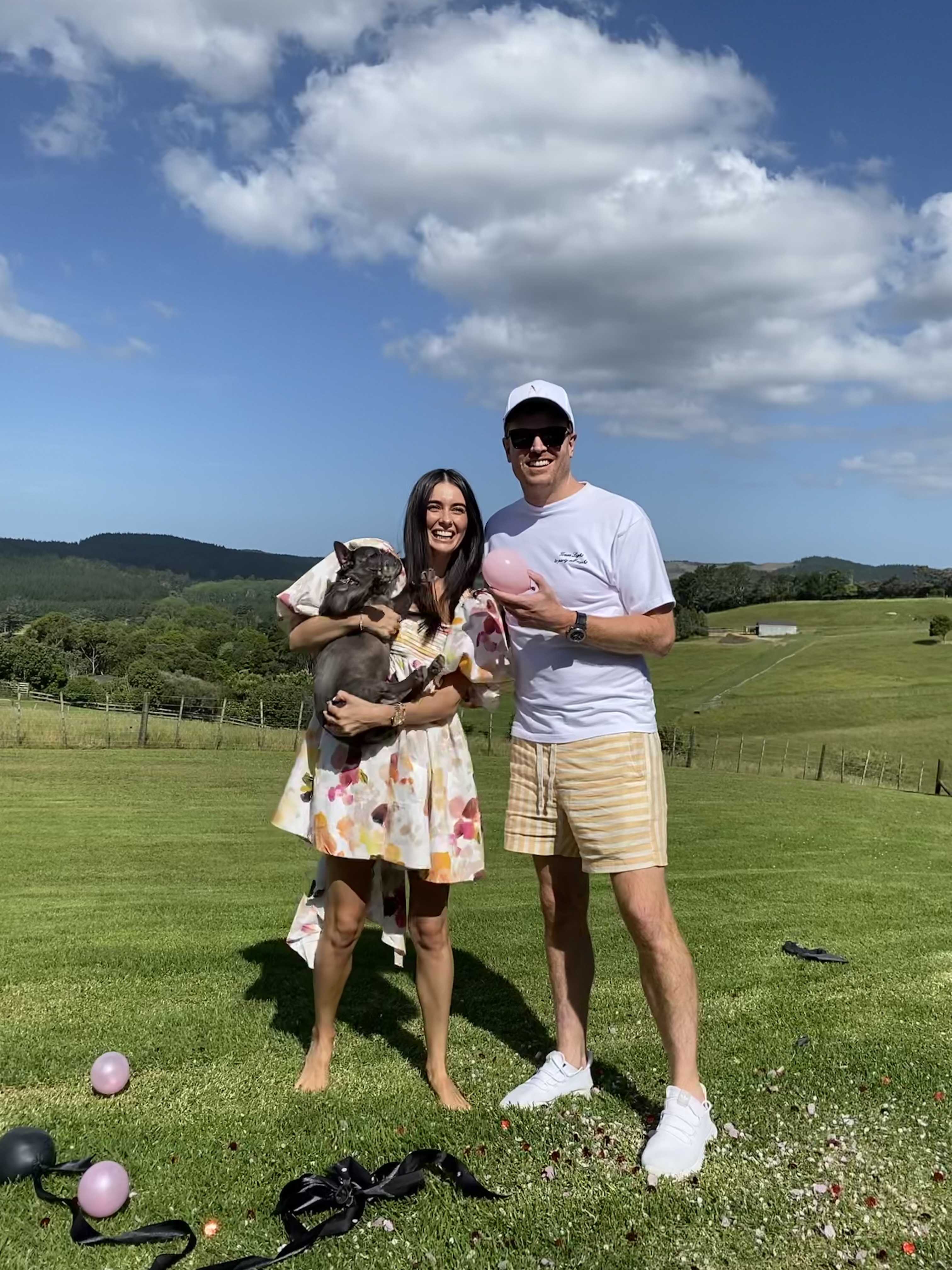
Lupton and fiance Nick Mowbray are expecting a baby girl at Easter, a much sought-after child following the loss of another daughter, nicknamed Gingernut, who was stillborn at 24 weeks.
In a bittersweet coincidence, their baby is due on the date their firstborn arrived too early, two years ago.
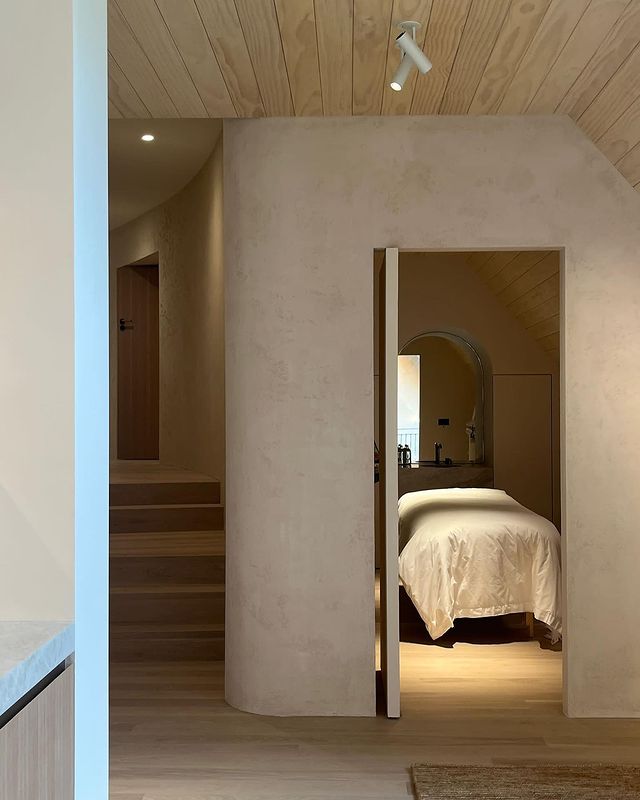
We’re sitting in the Zuru mansion’s vast outdoor space in a house that is huge, so huge that Lupton is unsure of its size. She and Mowbray have just finished a multi-million-dollar, three-year refit which has effectively banished the last traces of the Kim Dotcom era and transformed each space into something guests would expect in a six-star resort.
This Zuru child will have the run of huge grounds with lakes, lawns and bridges; a tennis court and swimming pool; a gym and wellness centre and a vast house covered in what feels like hectares of pale oak flooring and toe-deep luxurious carpet. There will be eggs to collect from the chickens, and a pet ginger pig to visit, a Christmas gift from Lupton to Mowbray in a what-do-you-buy-a-billionaire moment. And toys, lots of toys.
How, we discuss, do you bring up a child born into such wealth and privilege, a child who will never want for anything, and make sure they don’t grow up to become a trust-fund-baby brat? And how do you encourage a child to follow their passion and not be overshadowed by two super-achieving parents?
“What do we want to teach her?” Lupton wonders aloud. “She won’t need for anything but how do you instill that sense of purpose?”
She doesn’t have all the answers but wants her daughter, and any future children to “focus on something bigger than themselves”.
A sense of purpose and work ethic is something that Lupton and Mowbray have in bucketloads. From the moment they wake, they’re like Energizer bunnies working together on their various “disruptor” brands, now sold in an impressive list of countries and major chains. Mowbray is keenly political, unafraid to share his views on what needs to happen to make New Zealand a better place.
Lupton’s Monday haircare brand has been a runaway success, and this year she’s launched another beauty brand, Osana Naturals, a range of hand soap, skin and haircare.
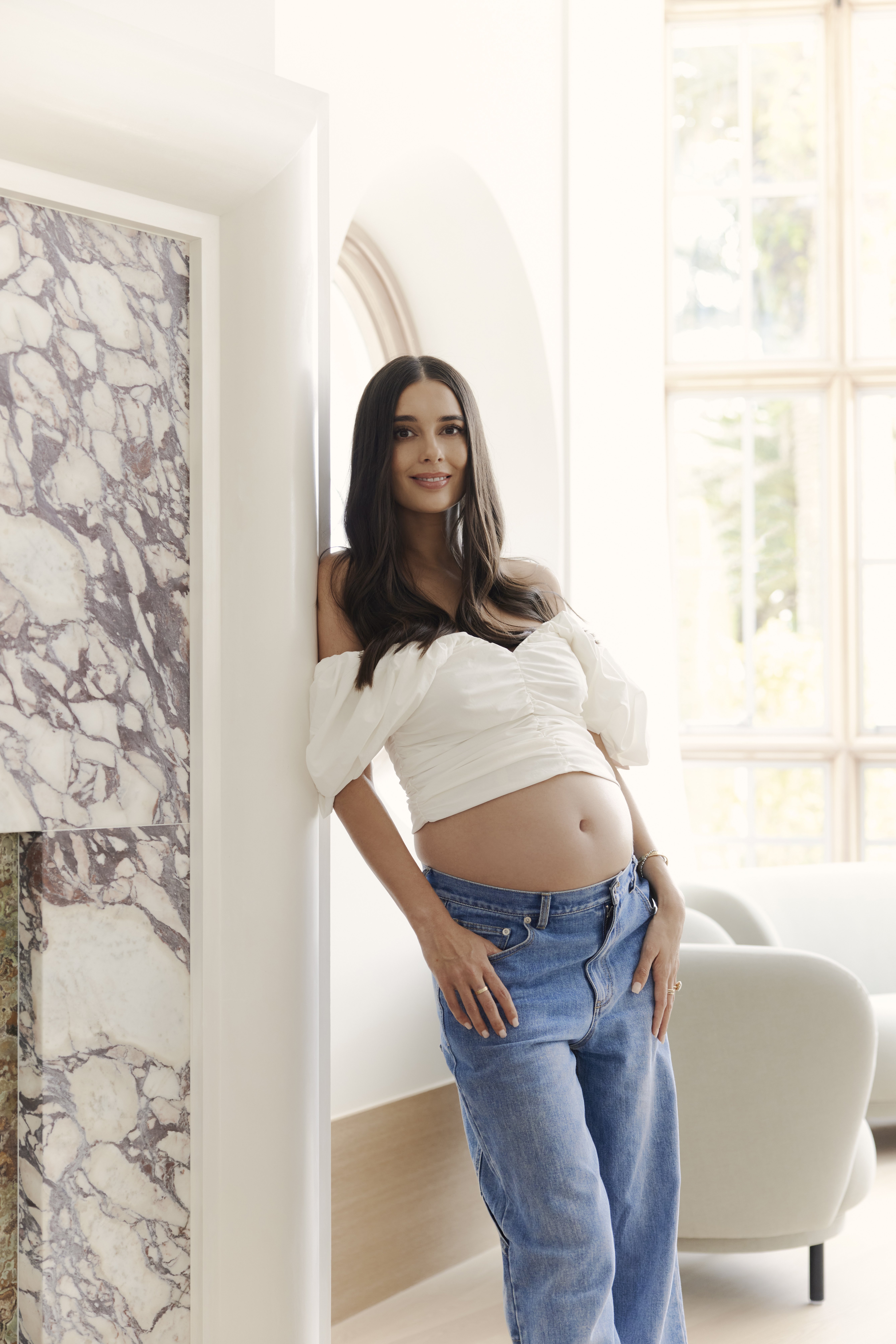
But her most important job is coming up, she says, to be a hands-on mum. She’s already cut back on her working hours.
“It’s been so hard to get her, I want to enjoy her.”
However there won’t be a lot of downtime. In May the couple will start building a new waterfront home on a third of a hectare site in Herne Bay, and later this year Lupton will launch two new brands, Chalon, a fragrance-based hand and body-care range, and Being, a haircare brand.
“So there’s a lot going on this year,” she admits.
“I think our kids are going to see how hard we work. It’s important for them to know that Dad’s not here because he’s working, because that’s how things get paid.”
And she wants her daughter to be aware of what her mother has achieved.
“I really want her to see what Dad can do, Mum can do too. I don’t want her to think it’s only Dad. It’s really important to me.”
Now, with the renovations finished, Lupton is thinking about baby-proofing. There are stairs, the pool to think about and across the lawn is a pond with a fountain. Beyond are lakes with eye-catching lilies in flower. And then there’s the couple’s boat. How do you baby-proof that, she wonders?
Lupton is padding about barefoot – guests remove their shoes at the door and are offered white hotel-style slippers in return – through one vast, renovated room after another. The doors already have door handles too high for a child to reach, the “awful orange” wood from the Dotcom era sanded back to pale oak.
Lupton could easily hit the 10,000 steps-a-day target just walking round what is arguably the largest house in the country. The fireplace is so big in one room a person could walk into it and lie full length with room left over.
However, when guests, friends and family aren’t around, she and Mowbray tend to go between their bedroom, the breakfast bar and their study. It’s in this room that Lupton, always in light-hearted competition with Mowbray, points out her framed degree, a Bachelor of Communications, majoring in journalism.
Mowbray, studying to be a lawyer, famously dropped out of university at the age of 18, joining his older brother Mat in Hong Kong with the idea of making toys on a commercial scale in China.
An orange love heart
Upstairs is the baby’s nursery, a cot and a Snood bassinet neatly made up. On a window seat next to an upholstered feeding chair is a row of cotton dolls. Lupton laughs, and picks up “Pea,” a curly red-headed Olli Ella Dinkum Doll, a nod to the father-to-be’s ginger hair.
Hanging on the wall is an orange love heart by Kiwi sculptor Simon Lewis Ward, a gift from a friend as a tribute to the lost baby. They had nicknamed her Gingernut because of the possibility she would be a red-head, and because Lupton ate her way through packets of gingernuts to combat morning sickness. Hanging nearby is a row of tiny, girlie outfits, many of them bought in anticipation of their first daughter’s birth, and a front pack with butterflies on it.
“I don’t feel like she (the new baby) is replacing her sister, she’s adding to her memory,” Lupton says.
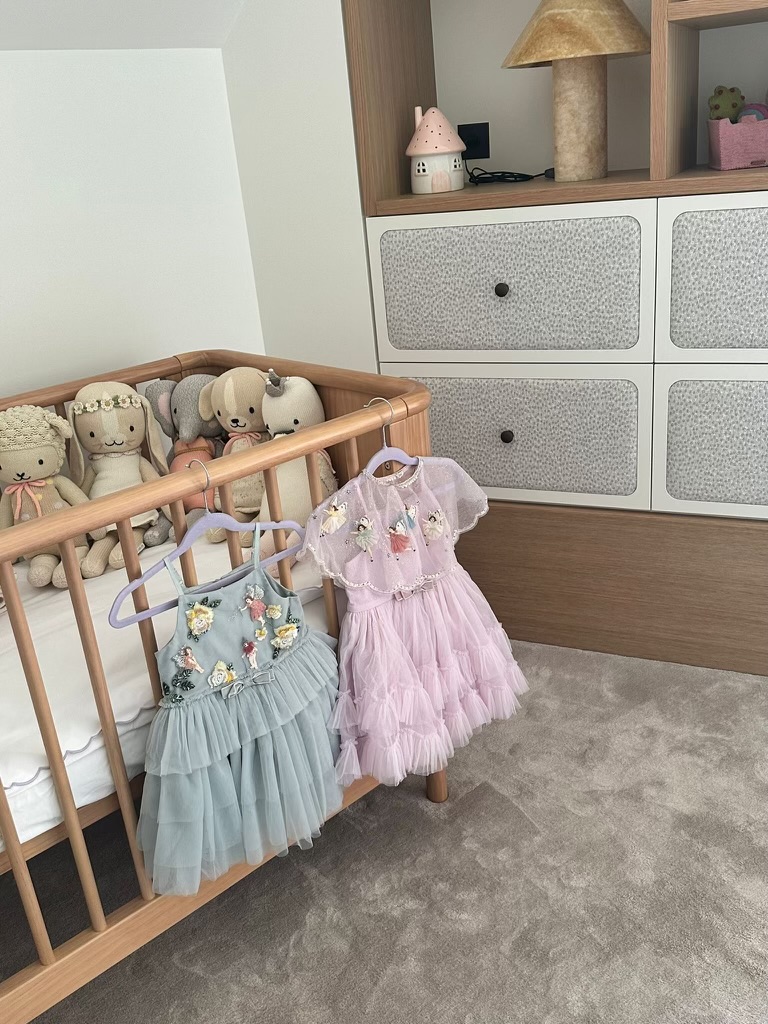
Next to the change table is a neat pile of disposable nappies and Lupton – ever the marketer – points out Zuru’s Rascal & Friends brand. In a drawer underneath are tiny stretch-and-grows, and two hooded bath towels - one with a tiny unicorn, the other a baby mouse.
This is a strictly feminine room; Lupton wants her daughter to learn ballet.
“Nick wants her to be an All Black,” she says. “We always joke about her sporting ability because I don’t have much.”
Mowbray has laid down one rule. No obnoxious Kardashian-style birthday parties, Lupton laughs. Maybe a barbecue, she adds.
Up bright red carpeted stairs nearby, the only part left untouched from the Dotcom era, is a toy store where friends, staff, and the tradespeople and designers who worked on the renovation, are invited to fill a bag with toys for their children.
Lupton thought it apt to leave the red carpet - Zuru’s colour - in place. She’s started a Zuru museum in this room, archiving a collection of original toys. Framed on a wall is the first prototype, a hot-air balloon kit made from a tin can invented by Mat when he was a school boy. The Mowbray boys sold the kits door-to-door.
Nearby is another frame displaying the first commercial version of the toy with the brand name Guru. A company with the same name took legal action so the Mowbrays quickly changed the “g” to a “z” and Zuru was born.
Toy giveaways are something Lupton does at Halloween when scores of kids turn up at the gates in Coatesville and, until recently, a house they rented in Remuera. Word got around and last October Mowbray was swamped with Remuera children, with Lupton giving frantic directions from Sydney as to the whereabouts of a second stash of toys.
Gingernut’s Angels
Children, the loss of a baby and the difficulties she faced conceiving are never far from Lupton’s mind. Her main focus now, apart from the impending birth, is Gingernut’s Angels, launched this month in memory of the daughter she and Mowbray lost.
It was while Lupton was undergoing IVF treatment – a gruelling four-year saga that resulted in a miscarriage, five failed IVF embryo transfers, and a stillbirth – that she became acutely aware of the financial burden on couples trying to have children.
As the bills arrived from the fertility clinic, both Mowbray and Lupton discussed what they could do to help others who could not afford thousands of dollars to pay for IVF privately.
Lupton, astonished by the hundreds of messages she received after speaking out about the grief of losing Gingernut and the feeling of helplessness at not being able to fall pregnant, knew she had to do something to help.
First she helped some women privately, including one who had also lost a baby at 24 weeks but could not afford fertility treatment, but felt she had to do more.
“Imagine not only trying for a baby and wanting a baby but not having the luxury of being able to afford to do IVF. It kept me up at night,” she says.
The couple launched Gingernut’s Angels with initial funding of $500,000, with a plan to back that up with a dollar-for-dollar campaign, matching donations that come in. Mowbray has done that in the past to raise hefty amounts for the Foodbank Project during the Covid era, and for Starship’s paediatric ICU (PICU).
“It’s a good formula because it creates awareness, with a social media campaign around the issue,” Lupton says.
She also wants to work in partnership with a fertility clinic, and the couple are already discussing brands they can launch with 100 per cent of profits going to Gingernut’s Angels.
New Zealanders can apply for up to two publicly funded IVF procedures but there are strict criteria, including age, weight and the time spent trying to conceive, and waiting lists for treatment. Lupton hopes to help 100 people in the first year, increasing the number each year.

Aware that hundreds of people are likely to apply for fertility funding from the foundation, Lupton has enlisted the help of retired fertility expert Dr Mary Birdsall, who worked at Fertility Associates in Remuera.
Birdsall has agreed to come on board as an adviser, one of a group Lupton has dubbed Guardian Angels.
These days, at 31, Lupton will talk to anyone who will listen about not leaving it too late to have a family. She worries that young women think their fertility will wait until the house is bought and careers are well established. It won’t, she says. Many of the women whom Gingernut’s Angels will help will be well into their 30s and, in some cases, 40s.
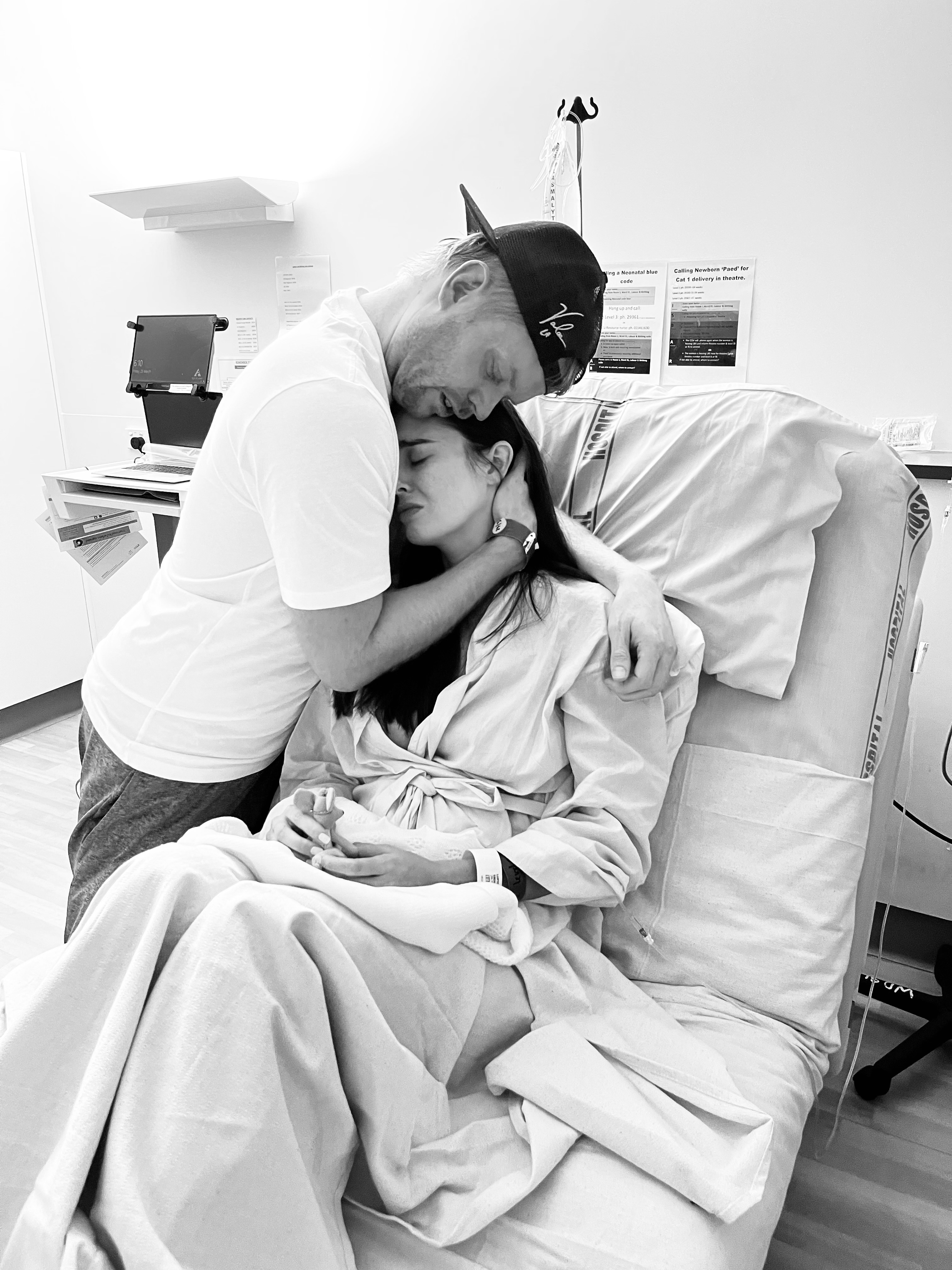
In a social media post Lupton acknowledged those going through the pain of infertility.
“Please keep going,” she wrote. “It’s brutally gruelling on your relationships, your mind, your body and your soul. The heartache, the negatives, the losses, the isolation but the hope. You always hold on to the hope.”
Lupton remembers the days, weeks and months after the loss of Gingernut. She wanted to talk about it, Mowbray wanted to be distracted, throwing himself into work.
“We handled the grief so differently at the time but we were very lucky that we had the business that brought us back together. That keeps us very connected 24/7. If we didn’t have that it would have been a very different situation because we were grieving in completely different ways.”
Jane Phare is a senior Auckland-based features and investigations journalist, former assistant editor of NZ Herald and former editor of the Weekend Herald and Viva.