Bay of Plenty records highest unemployment rate in New Zealand, national average dips

More self-employed people and small business owners are looking for steady jobs during “desperate times”, a Bay of Plenty recruiter says.
It comes as Stats NZ figures show Bay of Plenty recorded the highest regional unemployment rate of 7.1% in the March quarter – a spike from 5.7% in the previous quarter.
It overtook Auckland’s 6.6%, Wellington’s 6.3%, and the national average of 5.3%.
Infometrics chief executive and principal economist Brad Olsen said the recent quarter recorded 14,200 unemployed Bay of Plenty people – up 3100 since March 2025.
Olsen expected the labour market to see “a slower pace of hiring” in the next few quarters as employers faced an uncertain economy.
He said Bay of Plenty unemployment usually increased in the December to March quarter because the seasonal flow of work changed over the year.
Olsen said the quarter mostly predated the Iran war, so the data would not show any real impacts of this.
He said Bay of Plenty had also seen a strong lift in employment.
In the recent quarter, 9200 more people were employed in the region compared with March 2025, for a total of 185,000.
“The rising employment figure indicates there has been job growth, but there aren’t enough roles for the rising number of people that are looking for roles.”

Tauranga-based One 21 Recruitment managing director and recruitment specialist Kirsty Morrison said more self-employed, sole traders, and small business owners were entering the job market for additional income.
“This is largely because of the downturn in discretionary spending, which is affecting so many industries.
“The struggle is very real, and there are many people facing desperate times, but they are stuck between giving up everything they have worked for and having to find a job that potentially takes them away from keeping their own business afloat.”
Those people might not meet unemployment benefit criteria, but were “just as desperate for an income as the 7.1%”.
Morrison said employers were “taking a cautious approach to hiring”.
She said economic and global uncertainty and higher costs had led businesses to delay hiring full-time permanent employees.
“Many are showing more interest in exploring other options, such as taking on contractors or employees in a part-time or casual capacity.”
Morrison said she also saw movement out of the region. One 21 had provided “CV makeovers” for job seekers moving to Australia.

Talentia Group owns recruitment agency One Staff, which has offices in Tauranga and Rotorua.
Chief executive Colin Daly said the job market had not stopped. However, hiring was taking longer, labour costs were under scrutiny, and more employers were choosing temporary staffing solutions, he said.
“In many cases, businesses are reducing overtime, tightening shifts, or staging recruitment activity while they wait for greater confidence around workloads and project pipelines.”
He said One Staff had also seen an increase in candidate activity.
“More people are looking for stable work, consistent hours, and long-term certainty after being impacted by reduced workloads or changing business conditions.”
Daly said demand for residential construction and lower-skilled, entry-level labouring roles had softened.
However, demand continued across infrastructure, logistics, production, and operational support sectors.
“Candidates with reliability, licences, practical experience and strong work histories are generally securing work more quickly.”
Daly said job seekers were exploring “attractive” infrastructure pipelines and higher advertised salaries in Waikato, Auckland and Australia.
He said Bay of Plenty’s infrastructure investment, logistics growth, manufacturing activity, and strong primary industries kept him optimistic about the region’s medium-term outlook.
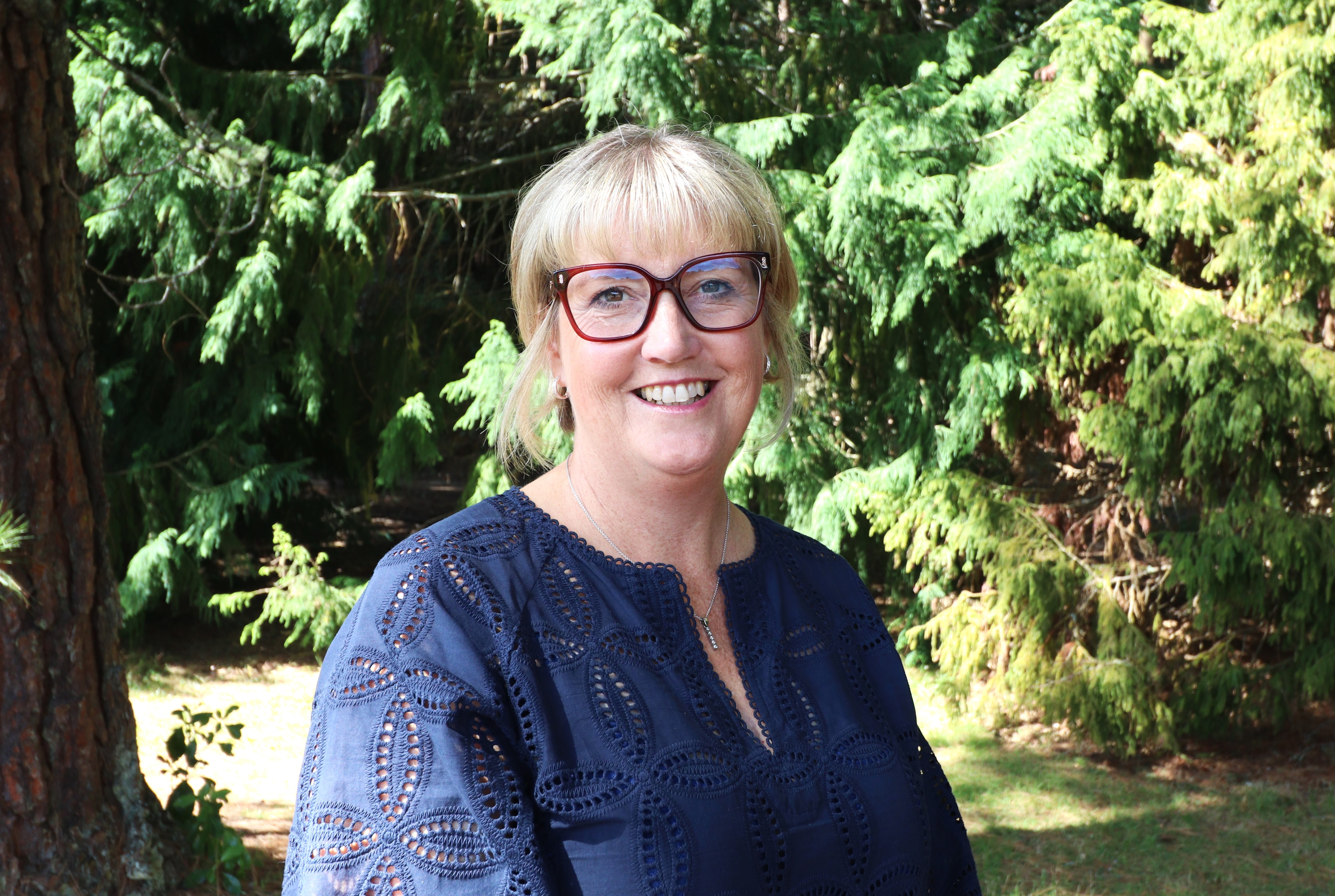
Rotorua Business Chamber chief executive Melanie Short said she was concerned about the trajectory of unemployment.
“What will quarter two look like with the real impacts on businesses because of the Middle East conflict and fuel prices?”
Short said supply chain impacts had constrained cashflow for businesses.
“The cost of business has increased.”
Short said the business chamber worked closely with the Ministry of Social Development and had several active initiatives.
She said those initiatives had received more engagement from job seekers.
Tauranga Business Chamber chief executive Matt Cowley said businesses were responding to external drivers.
These included rising costs, flat demand, and low customer confidence.
“Businesses want to protect their cash flow constraints until there is greater certainty around the fuel and supply chain shortages.”
Cowley said businesses were resizing.
“Ballance Agrinutrients is a good example of a business changing from a manufacturing plant to a distribution depot, resulting in organisational resizing.”

He said business had been slow across the eastern Bay of Plenty and Rotorua.
The western Bay’s key industries – like construction – had also remained weak, he said.
Cowley said Mauao’s closure following January’s landslide was also symbolic for several businesses trying to “survive a period of high uncertainty”.
Workers First Union is a union representing retail, finance, transport, logistics, manufacturing, and ambulance services.
Tauranga organiser Hayley Derry said wages were ”not keeping up with the cost of living" and hours were being cut.
“People are accepting jobs with fewer hours in the hope of being offered more.
“With the recent rise in petrol, food, and mortgage rates, it is hard out there to support your family on the average wage.”
Rotorua organiser Phil Graham said he had seen negative wage pressure and employers did not want to negotiate fair pay increases.
“The hike in fuel costs – especially diesel – has had an adverse effect on both employees and employers."
Examples of affected workplaces were transport companies, wood sites, and councils, Graham said.

Employment Minister Louise Upston said jobseeker numbers had been rising steadily since 2022, while unemployment had been rising since 2021. Unemployment was always one of the last things to improve after a recession, she said.
Upston said there were a number of construction projects underway in Bay of Plenty – including the Takitimu North Link, the Ōmanawa Bridge replacement, and 290 social homes delivered by Community Housing Providers – providing employment.
Bijou Johnson is a multimedia journalist based in Bay of Plenty. A passionate writer and reader, she grew up in Tauranga and developed a love for journalism while exploring various disciplines at university. She holds a Bachelor of Arts in Classical Studies from Massey University.