Central North Island’s first rescue helicopter training centre opens in Taupō
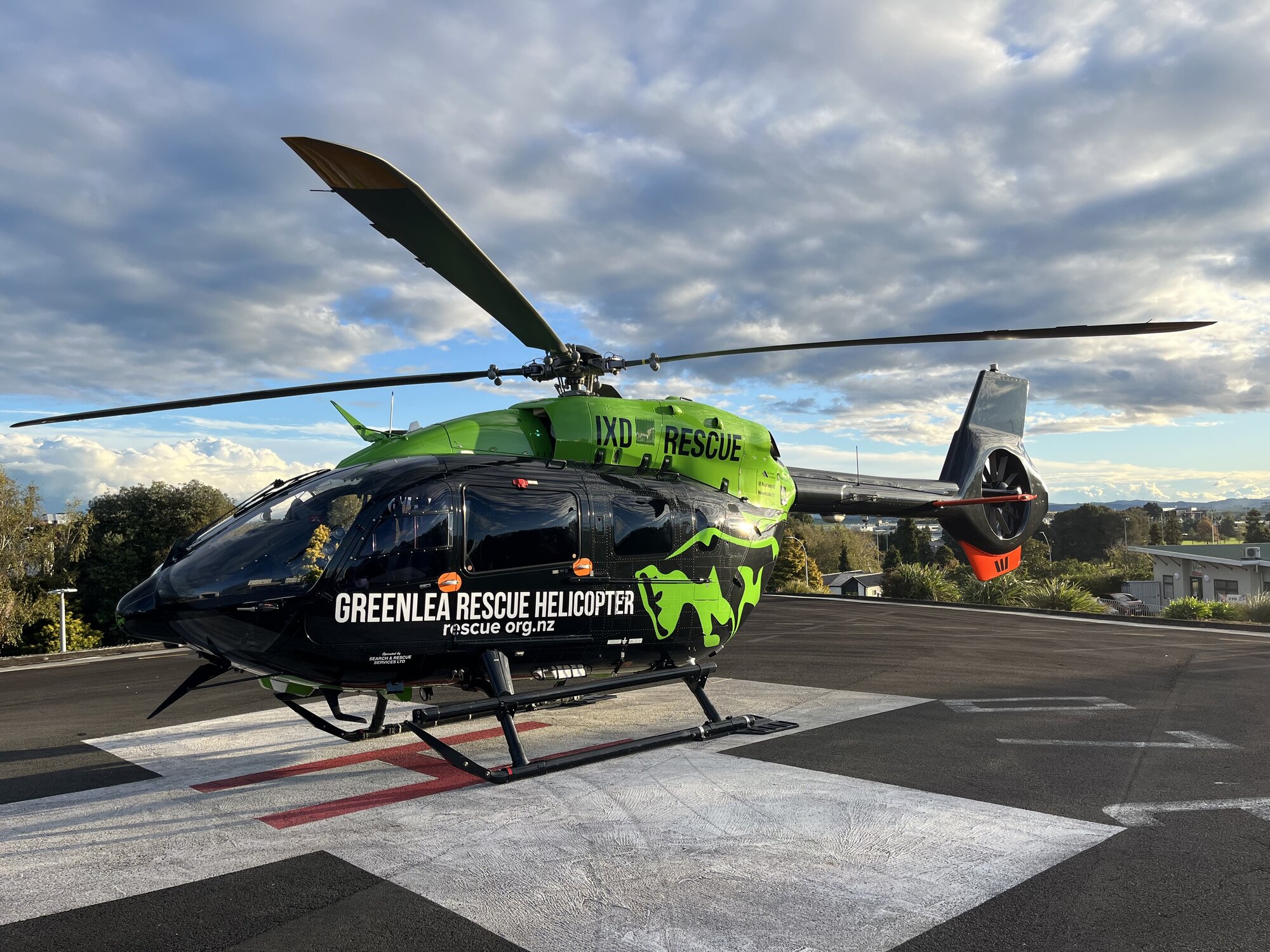
Search & Rescue Services has opened a new training and operations facility in Taupō, marking a major step forward for New Zealand’s emergency air ambulance network.
The new Miro Street Centre of Excellence was officially blessed on Monday by mana whenua Ngāti Tūwharetoa.
It will act as both the operational headquarters and primary training hub for rescue helicopter crews serving central New Zealand.
The facility was developed to support crews operating the country’s expanding fleet of Airbus H145 helicopters, which form part of a $128 million investment in rotary-wing air ambulance services funded jointly by New Zealand Te Whatu Ora Health and ACC.
Search & Rescue Services, the emergency air ambulance service provider for central New Zealand, operates emergency air ambulance helicopters from eight North Island bases.
It employs more than 150 staff, including pilots, paramedics, air crew officers and support personnel.
Chief executive Paul Baxter said in a media release the new centre would improve the organisation’s ability to prepare crews for challenging rescue and medical situations.
“Every day, our crews are asked to make difficult decisions in difficult places – on a mountain face, above the deck of a vessel, on the side of a road, or while transporting critically unwell patients between hospitals."
He said the new facility provided a safe place to train for those scenarios and continue building the skills needed to deliver “life-saving” care.
“This facility is central to how we prepare, train and equip the specialist crews who operate this essential life-saving service and where the Government’s significant investment in emergency health infrastructure comes to life.”
The Government committed $14.7m in funding last year to support the replacement of older helicopters with the newer Airbus H145 aircraft.
Of that funding, $8.2m came from Health New Zealand and $6.5m from ACC.
The five-blade H145 helicopters are designed to improve safety and reliability while also enhancing bad-weather flying capability.
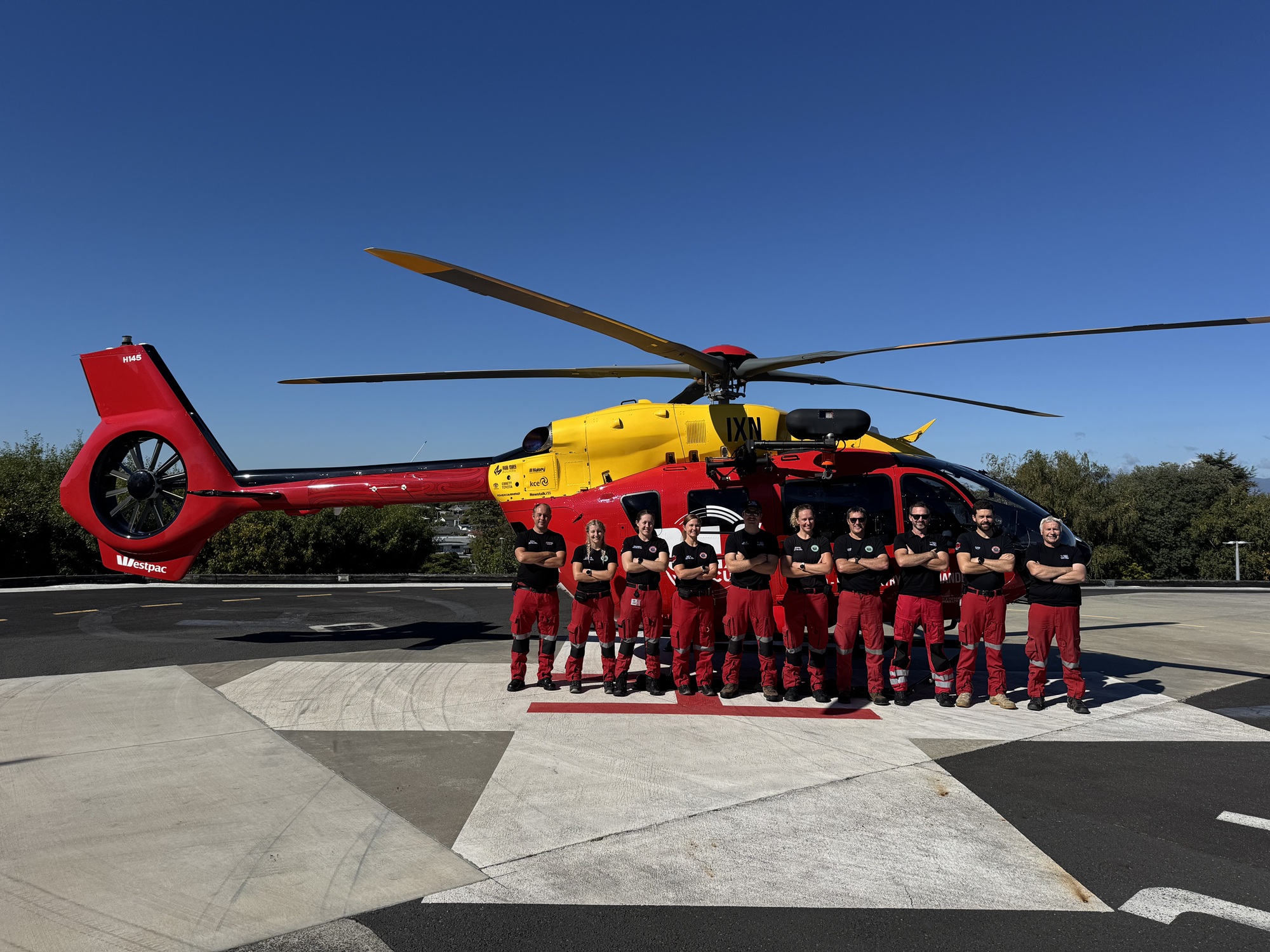
The aircraft is expected to reduce maintenance costs and improve operational performance as demand for emergency air ambulance services continues to rise.
According to Search & Rescue Services, requests for air ambulance support increased by 22% in the last five years.
A key feature of the new Taupō facility is a certified flight simulator imported from Spain, certified by the New Zealand Civil Aviation Authority.
It includes augmented and mixed reality hoist-training technology and allows pilots, paramedics and air crew officers to train together in realistic rescue scenarios.
The training system recreates environments crews operate in, including volcanic terrain around Ngāuruhoe and urban hospital landing sites such as Auckland City Hospital’s helipad.
“This facility is central to how we prepare, train and equip the crews who operate the Government-funded fleet,” Baxter said in a media release.
Staff can repeat and review emergency scenarios in ways that would be difficult or unsafe to replicate during live operations.
Additional facilities include lecture rooms, briefing and debriefing areas, and space for a future helicopter rescue training mock-up.
Baxter said the facility represented a long-term investment in maintaining high operational standards.
“We call this our Centre of Excellence not because excellence is a label we give ourselves, but because excellence is something we have to practice.”
He said the centre would be the place where technical knowledge had a home and where that knowledge could be shared, developed and advanced over time.
“It is something we have to build, test, challenge and improve every day.”