Cook Strait mega-ferries: Has Govt lost confidence in KiwiRail’s board after Interislander blowout?
OPINION
If KiwiRail weren’t “s***ting themselves” last week, as Greater Wellington Regional Council chairman Daran Ponter suggested, they certainly will be now.
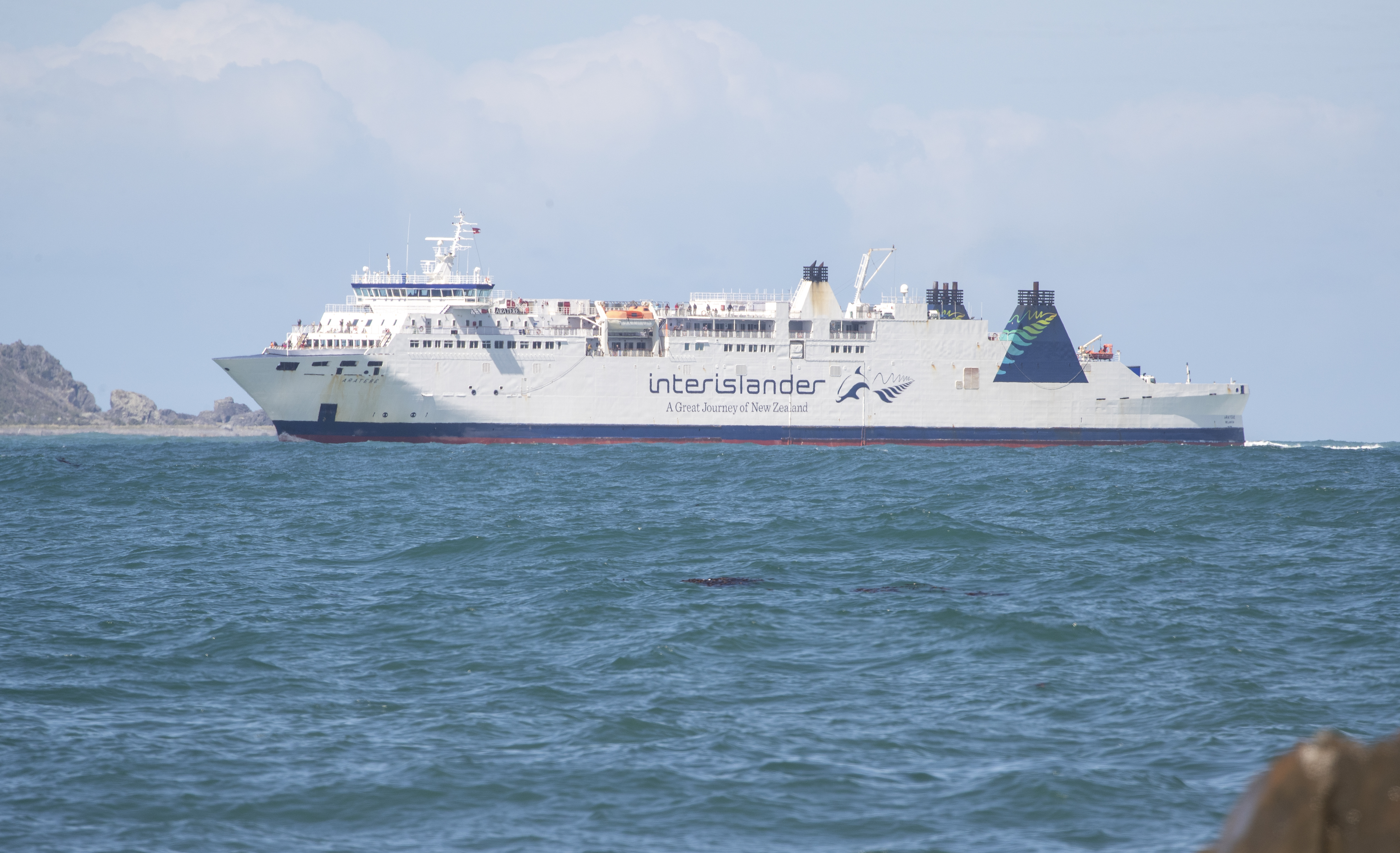
The dramatic end of the project to replace Interislander’s existing fleet of three ferries with two new larger rail-enabled ones is the equivalent of a mayday call for the state-owned enterprise.
It was a bold decision by Finance Minister Nicola Willis to reject a request for an additional $1.47 billion, bringing the total cost of the Inter-island Resilience Connection project (iReX) to almost $3b.
It sends a sharp warning to the public sector that this Government is not afraid to shake up projects that may have previously been presented as a fait accompli.
KiwiRail has been forced to go back to the drawing board and come up with a new plan for its ageing and increasingly unreliable ferries, which are swiftly approaching the end of their working life.
The iRex programme has been anything but smooth sailing from its inception. This latest budget blowout and the to-ing and fro-ing with the Government over requests for more money is all too familiar.
Officials were raising concerns about the increasing scale and cost of the plan well before a $551 million contract was signed with a South Korean shipyard back in 2021 to build the new mega-ferries.
Willis was asked by Newstalk ZB Wellington Mornings host Nick Mills yesterday whether she had confidence in KiwiRail’s board.
“I have confidence that they want to work with me to find a way through this and I have confidence that is possible,” Willis replied.
“We have a big challenge to work through together. We are all committed to ensuring New Zealand has safe, reliable ferry services between the two islands.”
The board of directors of KiwiRail is appointed by the shareholding ministers, Willis now being one of them, and KiwiRail’s performance is accountable to those ministers. These ministers may jointly remove directors at any time and entirely at their discretion.
It appears KiwiRail’s board is safe for now. Willis has not said she does not have confidence in the board.
It is tempting to call for heads to roll after a project of this magnitude has experienced such spectacular failure.
However, the governance and leadership at KiwiRail have changed several times since the business case for the two new ferries was first submitted in November 2018.
Greg Miller, for example, served as both the chief executive and the chairman of the board during that time.
It is therefore not so clear cut as to how accountability for this shipwreck should be served.
Regardless, KiwiRail should be asking itself some serious questions about how it got itself into this position.
Kaitaki mayday call a nightmare scenario for KiwiRail
It’s not just the loss of the bright and shiny new mega-ferries that’s of concern, it’s the loss of a solution to what is a potentially terrifying problem.
In January this year, Kaitaki lost power in the middle of Cook Strait in a howling southerly with 864 people on board. The ferry started drifting towards Wellington’s rocky south coast and issued a mayday call.
It narrowly avoided disaster when power was eventually restored.
It was a nightmare scenario for KiwiRail after it had already spent the previous year battling to keep Interislander’s increasingly unreliable fleet running.
Willis has said a resilient ferry service should not be an open chequebook paid for by the taxpayer.
But $3b for the new ferries may have been palatable to the new Government had the Kaitaki incident been a fatal maritime disaster.
Rail-enabled mega-ferries are not the only solution to address looming safety issues and Willis is confident there are viable alternatives. Even second-hand but newer ferries would be an improvement to the current situation.
Willis’ decision to decline KiwiRail’s request for more money, knowing this would kill the project, is also bold because she made her announcement without having a Plan B.
The two new mega-ferries had been the light at the end of the tunnel that is Interislander’s woes.
New Zealand urgently needs certainty about the future of Cook Strait.
Georgina Campbell is a Wellington-based reporter who has a particular interest in local government, transport, and seismic issues. She joined the Herald in 2019 after working as a broadcast journalist.