Coroner calls on WorkSafe to investigate orchard worker’s death in all-terrain vehicle collision
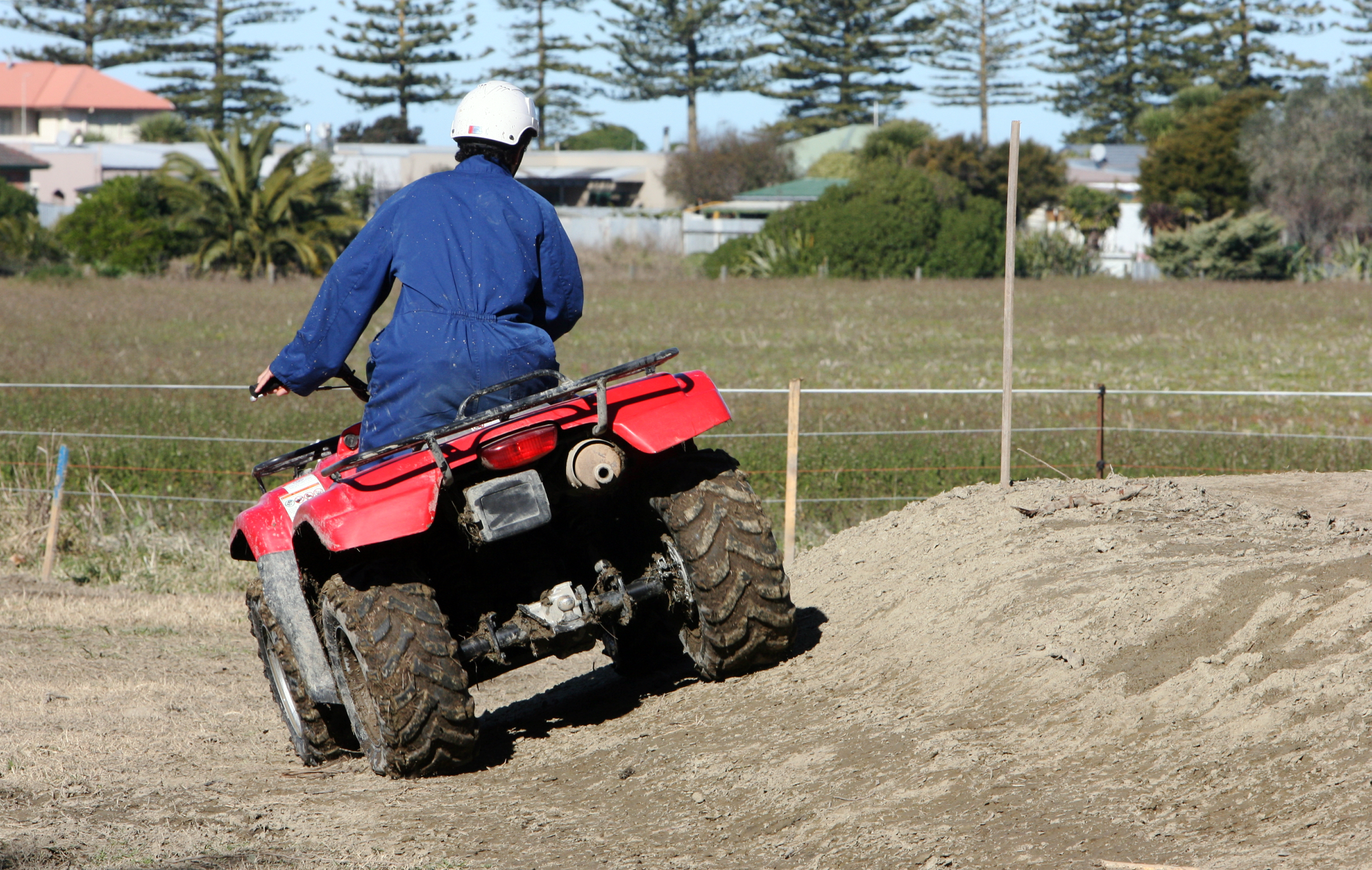
A coroner is calling on WorkSafe to investigate the death of a man on an all-terrain vehicle near the orchard he worked at.
The man, who can’t be named for legal reasons, wasn’t wearing a helmet or seatbelt when he was driving an ATV and drove into the path of an oncoming tractor.
Coroner Ian Telford said if he had taken those safety precautions, it could have saved his life.
In the findings released today, Coroner Telford said the Bay of Plenty man’s death stood as “yet another reminder” of the importance of taking basic safety steps when using ATVs.
Coroner Telford also agreed with the man’s family that it was in the public interest for it to be investigated by WorkSafe.
“My primary concern is that it seems to have been widely known, including by [the man’s] employer and family, that [he] routinely chose not to wear a helmet whilst operating an ATV at work,” Coroner Telford said.
“He was also not wearing a seatbelt at the time of the collision, which occurred on a public road. The ATV was not registered for road use and there is no evidence to suggest that this vehicle was designed for use on sealed road surfaces.”
Coroner Telford said while there was “regulatory nuance” around these issues, it was unclear if they had been considered by WorkSafe.
“My referral allows them that opportunity,” he said.
On June 18, 2021, the man was seen driving the ATV, which he used primarily to get around the orchards, on a public road near Te Puke, just outside of Tauranga.
A co-worker observed him swerving across the road and said it “looked like he was being silly with his vehicle”.
Another co-worker was driving a tractor-trailer at about 30km/h in the northbound lane.
He spotted the man on the ATV in the other lane, but when they were about 30m to 50m apart, the co-worker saw the man “swerve suddenly” into the northbound lane.
The co-worker quickly moved the tractor into the southbound lane to try to avoid the ATV and braked.
But the ATV also swerved into the southbound lane.
The co-worker moved the tractor further to the right, while braking, but the ATV collided with the tractor’s front left side.
The co-worker attended to the man who was lying in the middle of the road, unresponsive.
An ambulance took the victim to Tauranga Hospital but he could not be revived.
His cause of death was a head injury and toxicology reports did not find any alcohol in his blood, but cannabis was detected. However, the analysis did not tell the coroner when this was consumed, or in what quantities.
Family critical of ‘inadequate’ police investigation
Coroner Telford’s findings referred to the Serious Crash Unit’s investigation, which said there had been no faults in either vehicle, but the ATV was not registered to be used on the road.
The police found that if both drivers were travelling at their vehicles’ maximum speed, they would be approaching each other at 22m per second.
“That does not leave much time to react to the threat of impending collision,” the findings said.
“Conditioning tells a driver to move left when they are threatened with a vehicle crossing the centre line as it comes towards them...
“Both [drivers] decided to turn to the same side of the road at the same time, to avoid a collision.”
Police were of the view that poor decision-making and driver behaviour were considered to be factors in the crash, and the man’s consumption of cannabis could also have been a factor.
Police also noted that had the man been wearing a helmet, he may not have sustained fatal injuries.
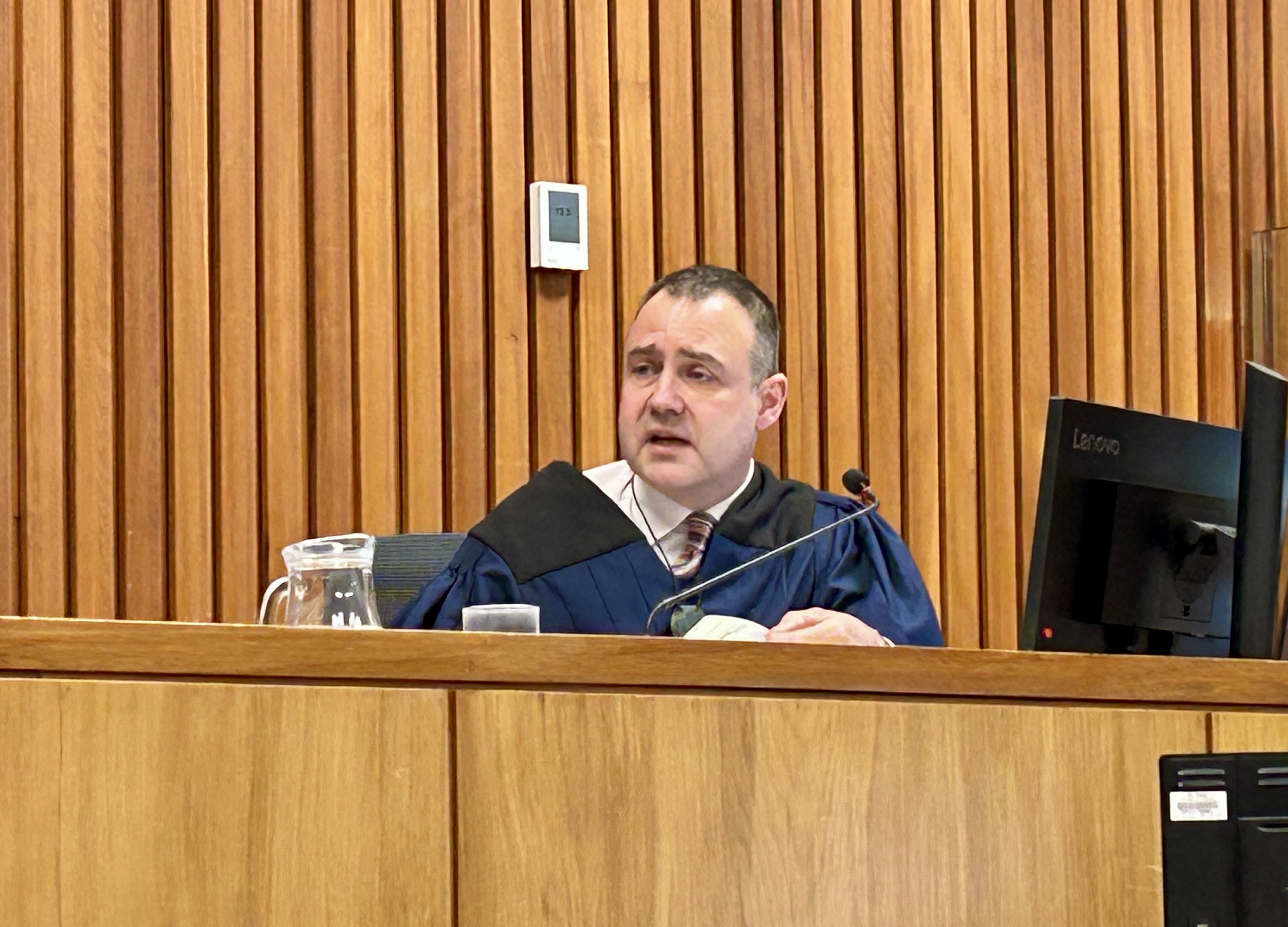
Coroner Telford said the family were concerned the police investigation was inadequate, and they disputed some of the evidence gathered as part of the police inquiry.
“They took particular issue with the suggestion that [the man] could have been ‘playing chicken’ and that the police’s overall inference was that [the man] was at fault and thereafter scapegoated,” Coroner Telford said.
What the employer told the coroner
Several months before his death, the man and his employer decided he would not wear a helmet when on the ATV, as it would restrict his visibility when doing general orchard work, the findings stated.
But the employer also described the man as “accident-prone” and, after several minor incidents, had implemented a ban that meant, apart from the ATV and his work utility vehicle, he was not allowed to use any of the other orchard machinery or equipment.
The man’s father questioned if such a ban had existed.
He also told the coroner his son had surgery relating to a neck injury in 2019, after which he reportedly lived with ongoing pain.
His health had deteriorated, but he had not sought medical review for any issues, telling his family he would see a doctor at the end of the picking season so his employer or teammates would not be let down.
He had no known mental health issues.
The coroner noted a “running theme” of many who gave evidence in the inquiry was that the man was a “fun-loving”, caring person with a strong work ethic, and a loving father, partner and son.
Family calls for WorkSafe to investigate
WorkSafe was notified of the man’s death and decided not to investigate.
However, the man’s family asked for that decision to be reconsidered.
WorkSafe said no but advised it would do an “assessment”.
This found that although the employer had a system to manage risk, there was not an effective, systematic process “to identify, assess, document and communicate controls [to manage the risk] to workers to ensure a safe working environment”.
WorkSafe recommended that “toolbox meetings and a hazard and risk register” be introduced. A WorkSafe safety inspector had positive comments about his site visit.
However, Coroner Telford said there was not enough information for him to understand how WorkSafe had reached its conclusions.
The family were concerned that WorkSafe relied on the police investigation and did not do an analysis themselves.
They asked the coroner to refer it back to WorkSafe, and Coroner Telford agreed.
He determined the death was accidental.
He said that despite a number of theories, it had not been established what led the man to drive into the path of the tractor.
“For the avoidance of any doubt, there is no evidence to suggest this was a self-inflicted act. Rather, I ultimately assess the manner of death to be accidental.”
Coroner Telford said that “most tragically”, the man’s death was avoidable.
“In short, he was not wearing a helmet or seatbelt. I consider it likely that had he taken these safety precautions, the injuries he sustained in this accident would not have been fatal.”
In a statement to NZME, WorkSafe New Zealand said it acknowledged the coroner’s findings, extended its sincere condolences to the family and recognised “this has been a long and difficult process for them”.
“At the time of the death, police was the lead agency because the incident occurred on a public road,” the statement said.
After police confirmed no charges would be laid, WorkSafe assessed the business and issued a formal directive for it to strengthen its risk management and worker communication processes.
“WorkSafe accepts the coroner’s referral and will now reassess the business under the Health and Safety at Work Act 2015,” the statement said.
Hannah Bartlett is a Tauranga-based Open Justice reporter at NZME. She previously covered court and local government for the Nelson Mail, and before that was a radio reporter at Newstalk ZB.