Court told ‘agitated’ soldier who cops feared had knives, bombs had travelled to Palmerston North before handing himself in
The soldier who police were told had knives and petrol bombs was “agitated” before handing himself in and remained “highly stressed” afterwards, a lawyer acting for the NZ Defence Force says.
That lawyer, Sally McKechnie of Simpson Grierson, told the High Court that last Tuesday Soldier A had made threats and the Defence Force notified police the man was at large in Palmerston North.
The statement was made during a hearing in which Justice David Johnstone adjusted interim suppression orders sought by the Defence Force (NZDF) to allow the Herald to report where last week’s events unfolded.
Soldier A was the subject of a five-hour police search with the Armed Offenders Squad called on to help, the Herald understands.
Police believed Soldier A had threatened to kill and made claims he was going to burn down a house using petrol bombs, sources say.
The man, according to sources, was convinced to give himself up after conversations with someone believed to be from the NZDF.
The Herald earlier reported the man spent the night in police cells and was collected by an NZDF representative the next morning. A week on, police have said no charges have been laid and no weapons have been found.
On Thursday last week, the NZDF filed for an interim injunction with the High Court to prevent the Herald from publishing further details about the incident and its background, including the man’s rank and unit.
During a hearing the following day, Justice David Johnstone said the court could not hear NZDF’s application because the necessary affidavit evidence had not yet been filed. The required affidavit evidence included statements from those involved to support NZDF’s bid for suppression.
He ordered a full hearing take place later this month but allowed the Herald to report the location of the police search: Palmerston North.
During the hearing, McKechnie said Soldier A was in a “contained environment” under “supervised care on a military base”.
McKechnie sought continued suppression of the man’s rank and the area of the military where he worked, arguing those details would likely identify him among his colleagues.
She said it was also necessary to preserve his identity to preserve his rights should he be charged.
“It is still an open question whether he is charged.”
McKechnie said there were “investigations underway and disciplinary matters are being considered”.
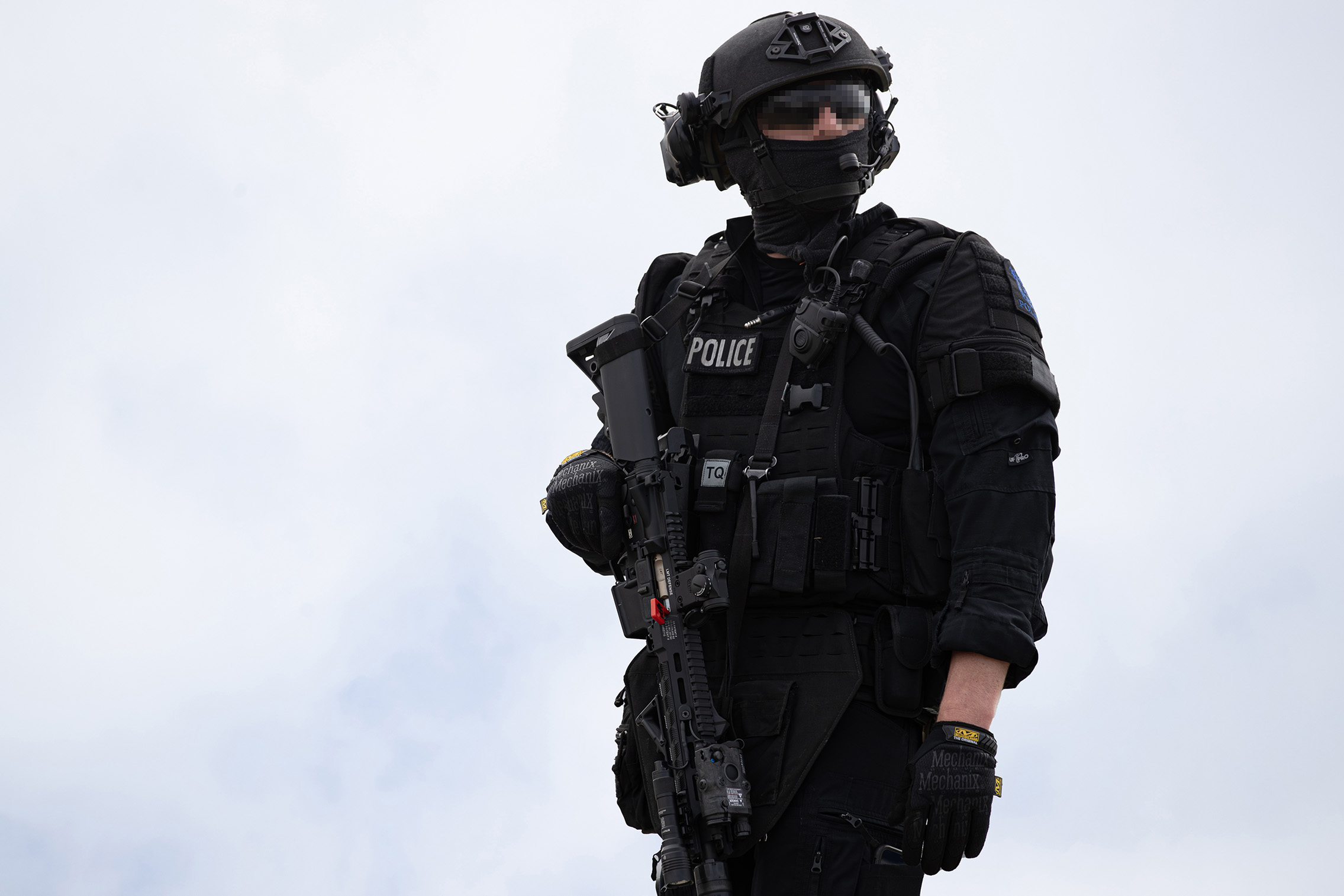
The inquiries underway included a command investigation into the background of the situation involving Soldier A, disclosed last week by Chief of Army, Major General Rose King, in response to questions about the events from the Herald.
McKechnie said the situation was the “subject of the command inquiry”.
King said in a statement the situation with Soldier A had become so serious a decision had been made in December that a “command investigation” would take place and would be done so by an external lawyer.
A “command investigation” is one of a range of means by which the military can seek to understand why something has gone wrong and to recommend pathways forward.
King said the investigation had not yet begun but would include the events of last week in its scope.
“I cannot comment in any detail on this matter to avoid prejudicing any inquiries or investigations taking place, or that may take place.”
The hearing also heard discussion about an email sent to Defence Minister Judith Collins and copied to the Herald. The email contained allegations about NZDF’s handling of the situation in the period leading up to the police search for Soldier A last week.
McKechnie said there was information in the email that was “not accurate”, information that “may be overstated” and “some of the more serious matters are being looked into”.
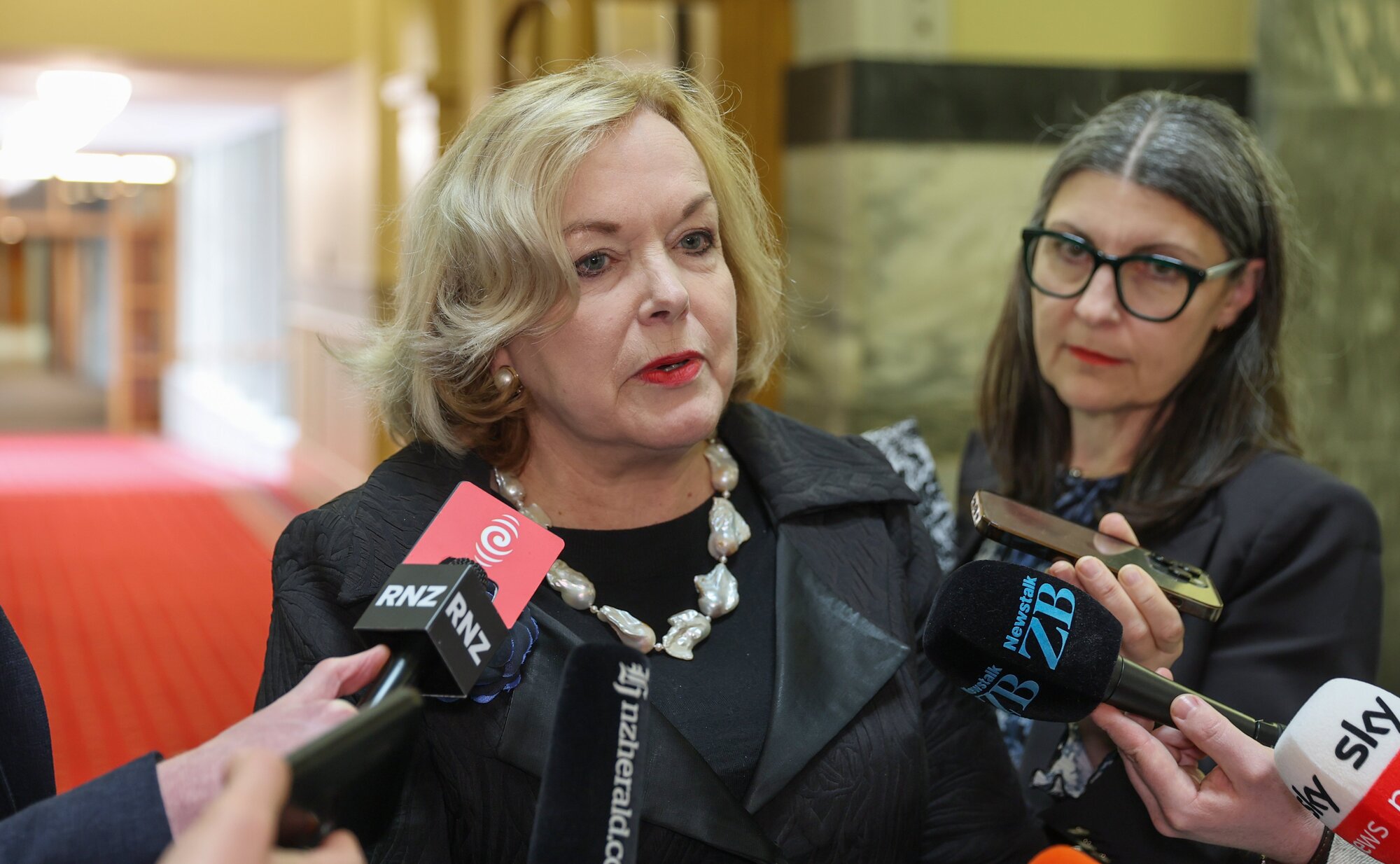
Asked about the email to her office, Collins told the Herald she had been “made aware of an alleged incident”.
“I have made clear my expectation that it is handled appropriately for all parties involved. I cannot comment further, as this is an operational matter.”
David Fisher is based in Northland and has worked as a journalist for more than 30 years, winning multiple journalism awards including being twice named Reporter of the Year and being selected as one of a small number of Wolfson Press Fellows to Wolfson College, Cambridge. He joined the Herald in 2004.
Sign up to The Daily H, a free newsletter curated by our editors and delivered straight to your inbox every weekday.