Auckland florist Thi Van jailed for laundering $7m linked to Vietnamese cannabis ring
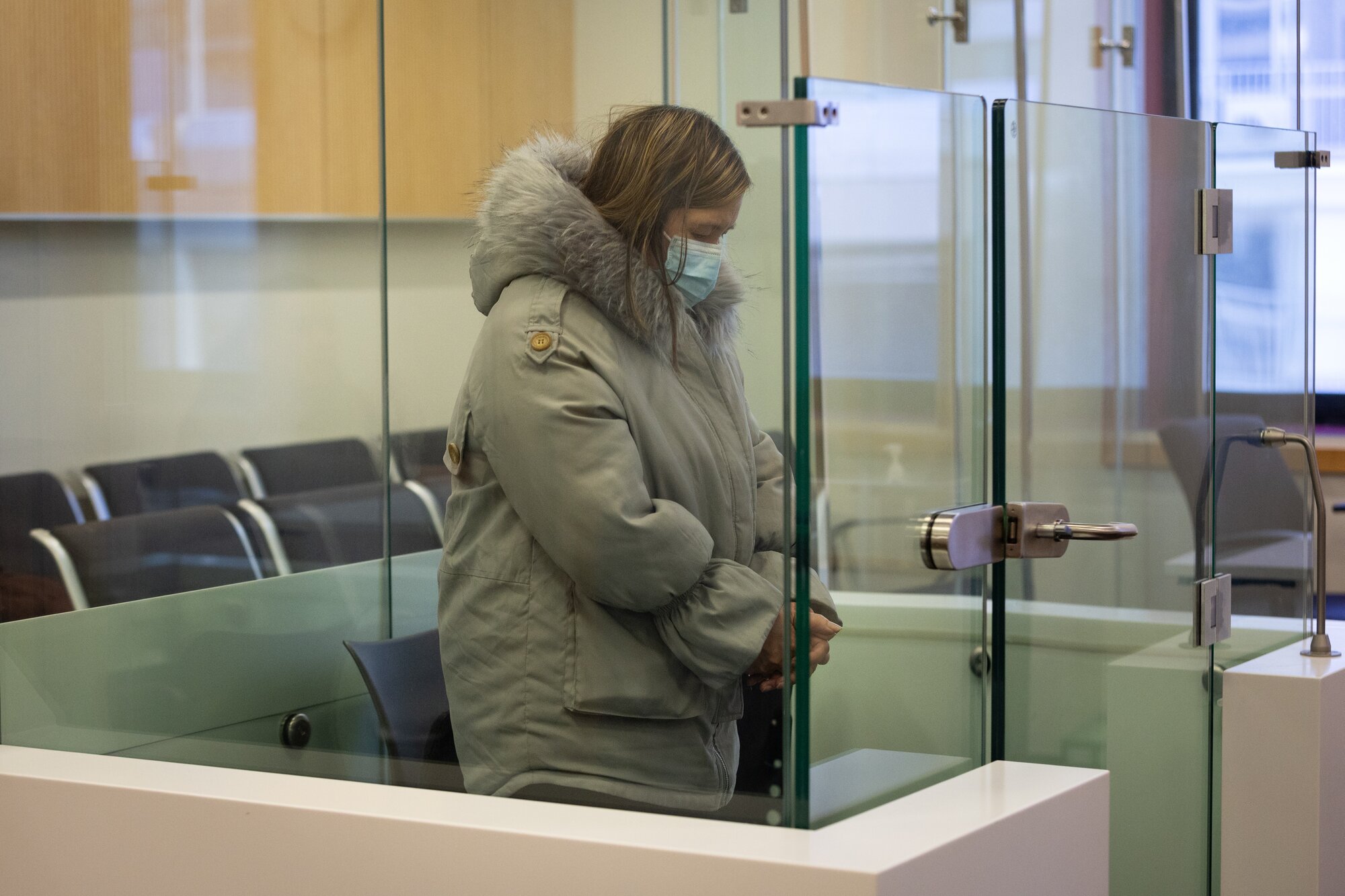
A 57-year-old Auckland florist whose known connections to Vietnamese organised crime date back nearly a decade has insisted to a court she’s no cannabis kingpin, despite having laundered at least $7 million in profits.
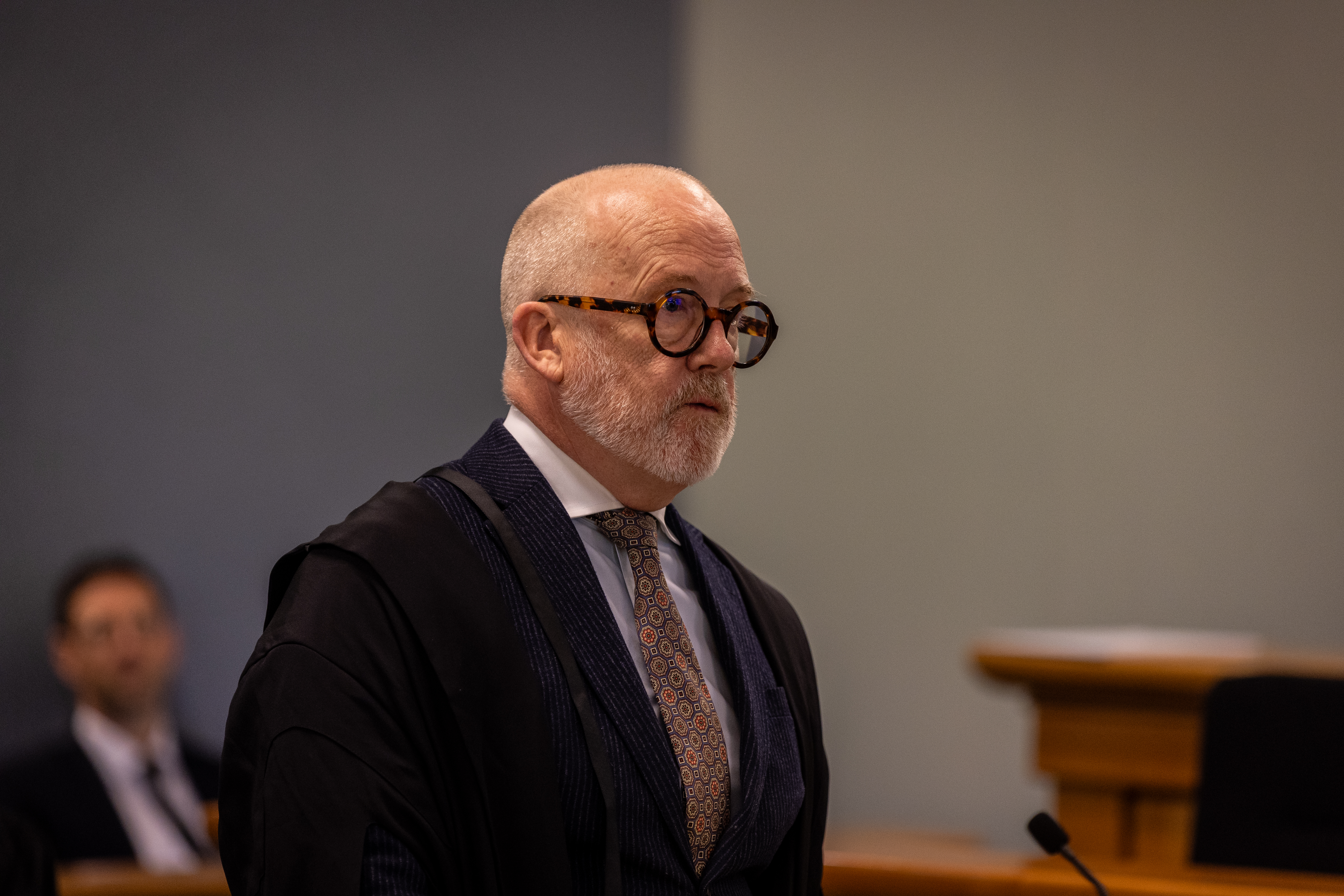
Thi Thai Van was used by overseas crime figures precisely because she looks so unassuming, defence lawyer Ron Mansfield, KC, suggested as his client appeared in the Auckland District Court last week for sentencing on 40 charges.
He argued that Van should be allowed to serve home detention.
“She’s not a sophisticated woman who has sought to engage in this activity on equal footing with others in the operation,” he said, describing Van as both remorseful and vulnerable. “She just struggles with the thought of a term of imprisonment and her ability to cope.”
But Judge Kathryn Maxwell instead ordered a sentence that was nowhere near the two-year mark in which a judge can consider a non-custodial alternative.
“On any assessment, this was money laundering on a large scale,” the judge said, describing the case as among the highest dollar amounts on record.
She agreed with the Crown that such prosecutions are vital to disrupting transnational drug trafficking.
“Your offending risks undermining public and international confidence in finance systems,” she added. “Because it is tempting and because it can feel relatively safe simply moving money, there is a real need to deter.”
Twice raided
Court documents suggest Van first ended up on the radar of New Zealand law enforcement in April 2018, when they raided two adjoining Papakura rental homes. Van and another defendant, Dinh Lam Vuong, had been living in the lounge of one of the homes while all of the bedrooms were used for cannabis grows.
Almost 150 plants were discovered and destroyed. Vuong took responsibility for the plants but tried unsuccessflly to convince police they were for personal use only.
An overstayer, Vuong later vanished for four years until police located him during a July 2022 raid at a Mt Eden home where Van was then living. In the years between the first and second raids, police had launched Operation Bush, focusing on money laundering by cannabis-cultivating organised crime groups.
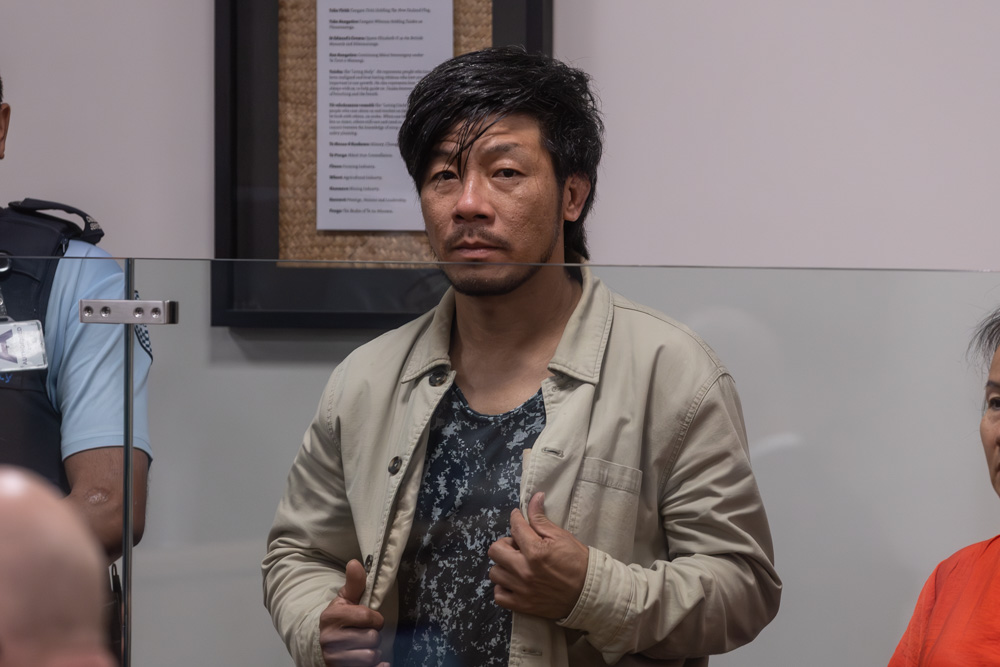
At the second raid, Vuong again took responsibility for the roughly 5kg of packaged cannabis - worth between $49,500 and $88,000 - found in the home.
During his sentencing earlier this year for both raids, Vuong tried to claim the drugs found in 2022 were the exact same cannabis that police had found and failed to adequately destroy in 2018. The Crown dismissed the claim as ludicrous and the judge overseeing the hearing ultimately agreed.
Vuong was sentenced to six months’ home detention, taking into account the lengthy period he spent either in jail or on electronically monitored bail awaiting sentecing.
Another defendant, Ky Van Pham, who owned the two Papakura homes raided in 2018, was sentenced last August to four years and nine months’ imprisonment. He was described by police as “the principal offender of an organised criminal group identified in Operation Bush”.
Van, meanwhile, was also charged with possession of cannabis for supply following the 2022 raid. But police also confiscated two of her phones, hundreds of ATM receipts in her bedroom and bank cards in other people’s names, resulting in myriad other money laundering and cannabis-related charges.
Numerous photographs of cannabis and offers to sell the drugs were found on the phones. The sales ranged from $50 to nearly $8000.
Police also discovered that Van had worked closely with another woman who operated 76 bank accounts - into which $2.3 million was deposited. Of that, $2.2 million was then shifted to “her criminal associates in Vietnam via international money transfers or currency purchases”, court documents state.
Three other people were also used by Van for their banking credentials, her agreed summary of facts outlines.
One was a woman Van met through mutual friends in 2021. Van asked if she could use the woman’s accounts to make purchases for her flower shop. She ended up using 12 accounts in the woman’s name, depositing $117,000.
Another woman, who Van met in 2020 through Auckland’s Vietnamese ex-pat community, was paid $3000 to open a new bank account.
“As soon as the pair left ANZ Quay Street, Ms Van immediately took the bank card and the internet banking details ...” court documents state. “From that point onward, Ms Van had complete control over this bank account.”
Over $880,000 was deposited into it.
Another person gave Van control of 13 of his bank accounts in 2020 after the defendant asked if she could use his banking credentials to transfer money overseas.
She also used her own business accounts in the schemes, court documents state.
‘Not strong or brazen’
Van was initially accused of laundering over $10 million and described in court documents as as “the principal offender of a money-laundering syndicate”. The figure was later revised to $7.3 million as part of the plea agreement despite there having been strong evidence to support the first figure, prosecutors said.
She faced up to eight years’ imprisonment for nine cannabis charges, which included supplying the drug, conspiring to supply, offering to supply and possession for supply. She also faced up to seven years’ imprisonment for one count of obtaining by deception and 30 counts of money laundering.
Van, who had no prior criminal convictions, didn’t make a whole lot of money out of the scheme, her lawyer said, describing her as a pawn used by larger criminal figures.
Mansfield suggested that some of the offending could have been prompted by financial issues that came with trying to keep her flower business afloat during the Covid-19 lockdowns. The company went into liquidation in December, he noted.
While it was accepted the money laundering was at a “very high level”, some “leniency and understanding” were needed in the approach to sentencing when considering her non-leadership role and her sad history of domestic abuse, Mansfield argued.
“She’s not a strong, brazen person who’s done it for financial gain or set about doing it on her own,” he added, describing Van as “a humble woman of humble means” who had been “used”.
Crown prosecutor Fiona Culliney acknowledged that Van wasn’t the overall syndicate leader. But her role as lead launderer, along with her willingness to sell the drugs herself, was significant, she said.
The pandemic, the prosecutor added, was irrelevant. Many businesses struggled, but very few entrepreneurs committed crimes, escpecially to the level that Van did, she said.
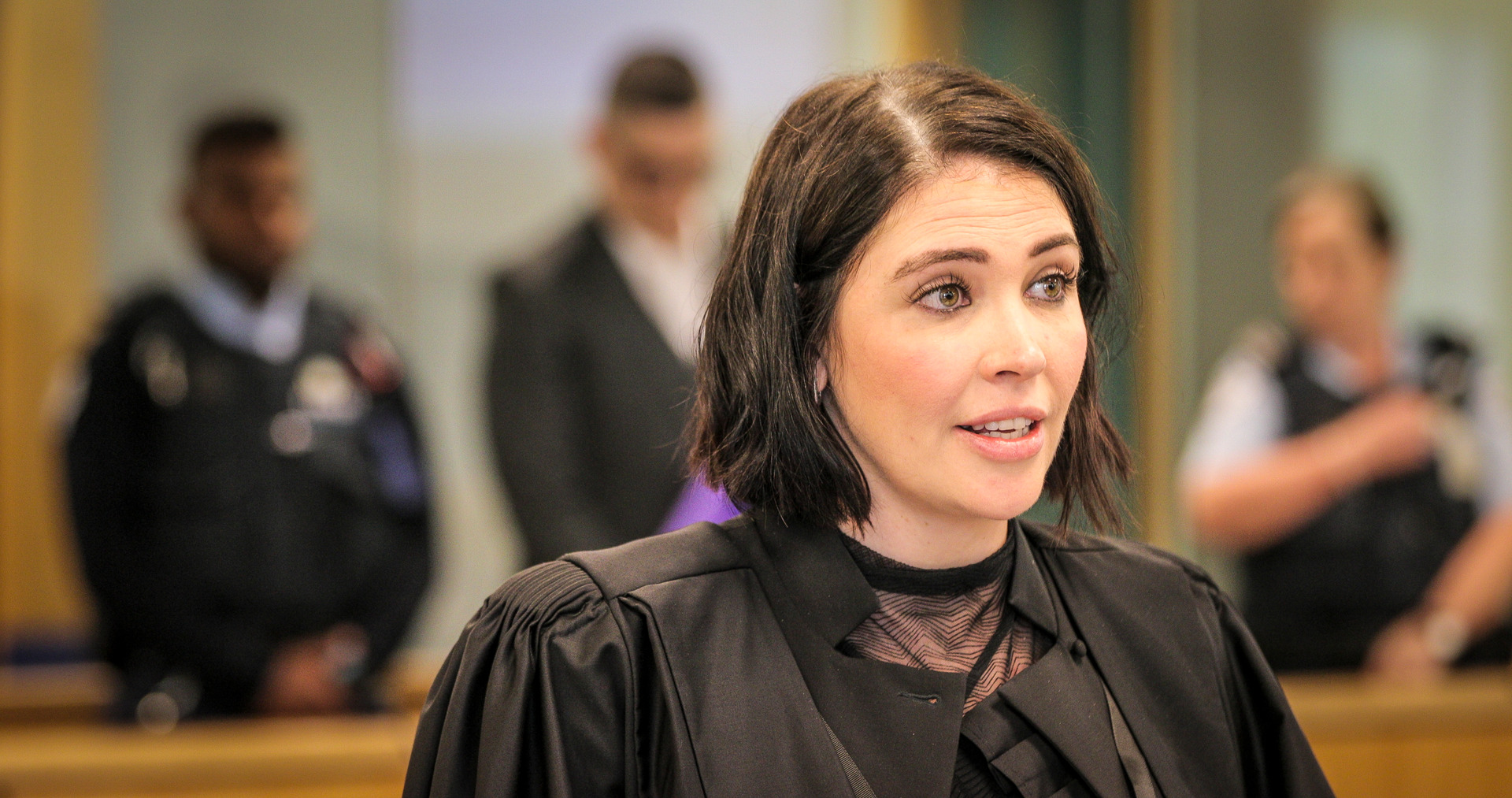
“This was not a situation... where Ms Van was exploited,” Culliney said. “The offending goes well beyond that, and certainly there was a financial aspect.”
While the defence had proposed 70% in sentence reductions for personal mitigation, that would be manifestly inadequate, Culliney argued, proposing instead reductions of 25% to 30%.
Not reckless
Judge Maxwell, while trying to find similar cases as reference points, pointed to the 2023 sentencing of Ye “Cathay” Hua after an Auckland District Court jury found her guilty of laundering about $18 million for drug cartel boss Xavier Valent and others.
She was initially sentenced to seven and a half years in prison but it was later reduced by the Court of Appeal to six years’ imprisonment.
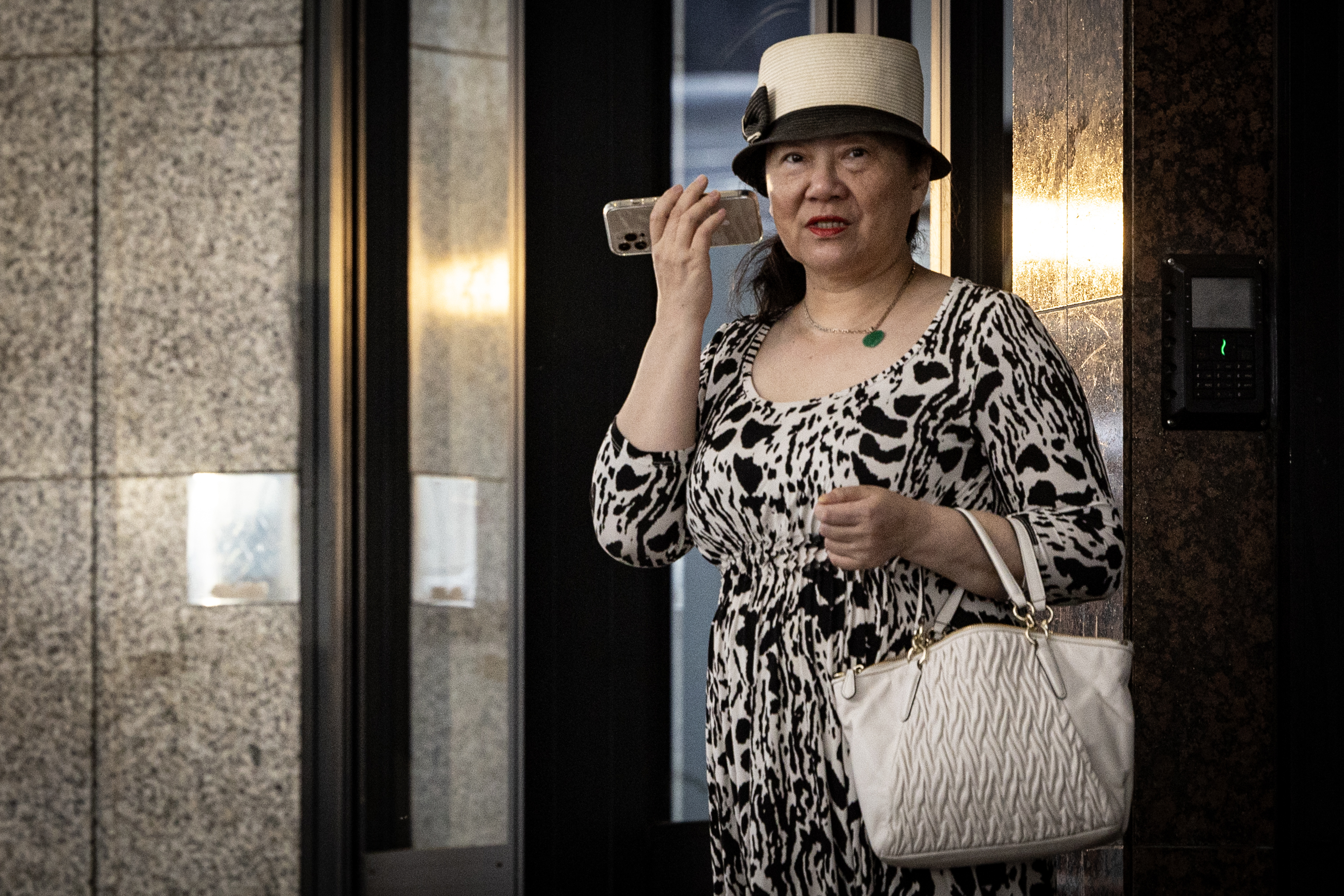
But while Hua dealt with a larger sum of money, the court also found that she was reckless, having preserved records in a way that suggested she wasn’t fully aware the funds were tainted. It was also a small part of her overall business. Neither of those mitigating factors applied to Van, Judge Maxwell noted.
“Any suggestion that you were reckless is unfounded,” the judge said. “Your offending is clearly aggravated by your knowledge, your role, your direct financial gain and your drug dealing.”
The judge ordered a starting point of eight years for the money-laundering charges, the same that Hua received on appeal, then added an additional year for her cannabis charges.
She then allowed 25% in total reductions for Van’s guilty pleas and the effect that incarceration will have on her 103-year-old mother-in-law, for whom she is a caregiver, resulting in an end sentence of six years and nine months’ imprisonment.

The judge declined discounts for psychological issues and remorse, noting that psychological records were scant and Van appeared to minimise her offending in pre-sentence interviews.
Van was also declined a discount for the extra burden a prison sentence might cause on a person from another country. It doesn’t apply to Van, the judge determined, because she has been living in New Zealand since 2012 and is married to a New Zealand citizen.
Craig Kapitan is an Auckland-based journalist covering courts and justice. He joined the Herald in 2021 and has reported on courts since 2002 in three newsrooms in the US and New Zealand.
Sign up to The Daily H, a free newsletter curated by our editors and delivered straight to your inbox every weekday.