Dame Valerie Adams: Why do so many South Auckland families still live in damp, mouldy homes?
Dame Valerie Adams says it’s “sickening” that so many families in South Auckland still live in damp, mouldy houses that endanger their children’s health.
The two-time Olympic shot-put champion, who grew up in a state house in South Auckland and still lives in the area, is now an ambassador for the Middlemore Foundation, the dedicated charitable fundraising arm for Kidz First.
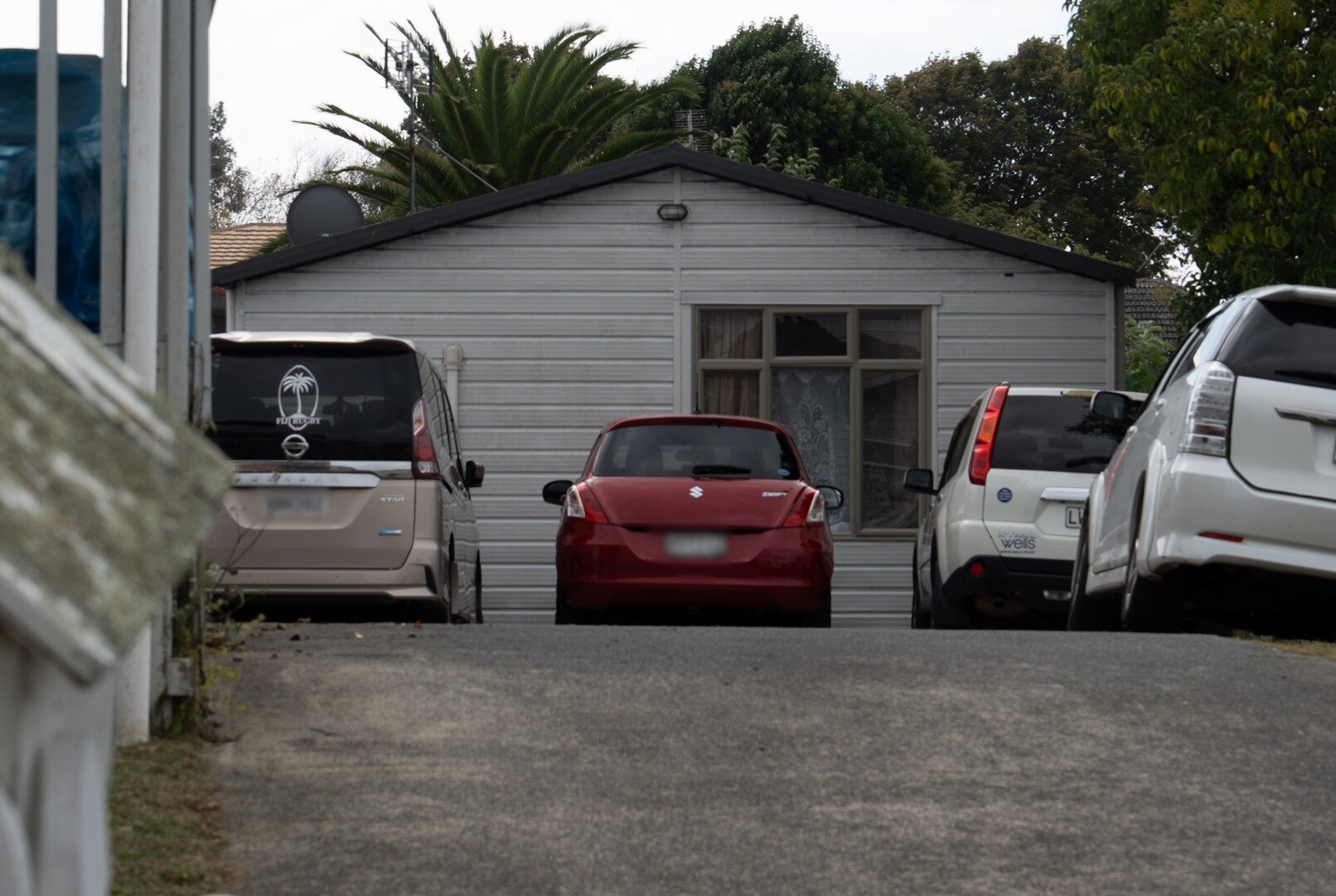
Along with the Herald, she visited a South Auckland family living in a converted garage with their disabled 5-year-old son as part of her work to raise funds for the foundation.
Krishneel Gounder, a power meter technician, and his wife Keshni, live at the Manurewa property with their sons, 5-year-old Kiaansh and 2-year-old Kaviansh.
Kiaansh was diagnosed with cerebral palsy in 2023, is quadriplegic and has to consume food and medicine through a tube.
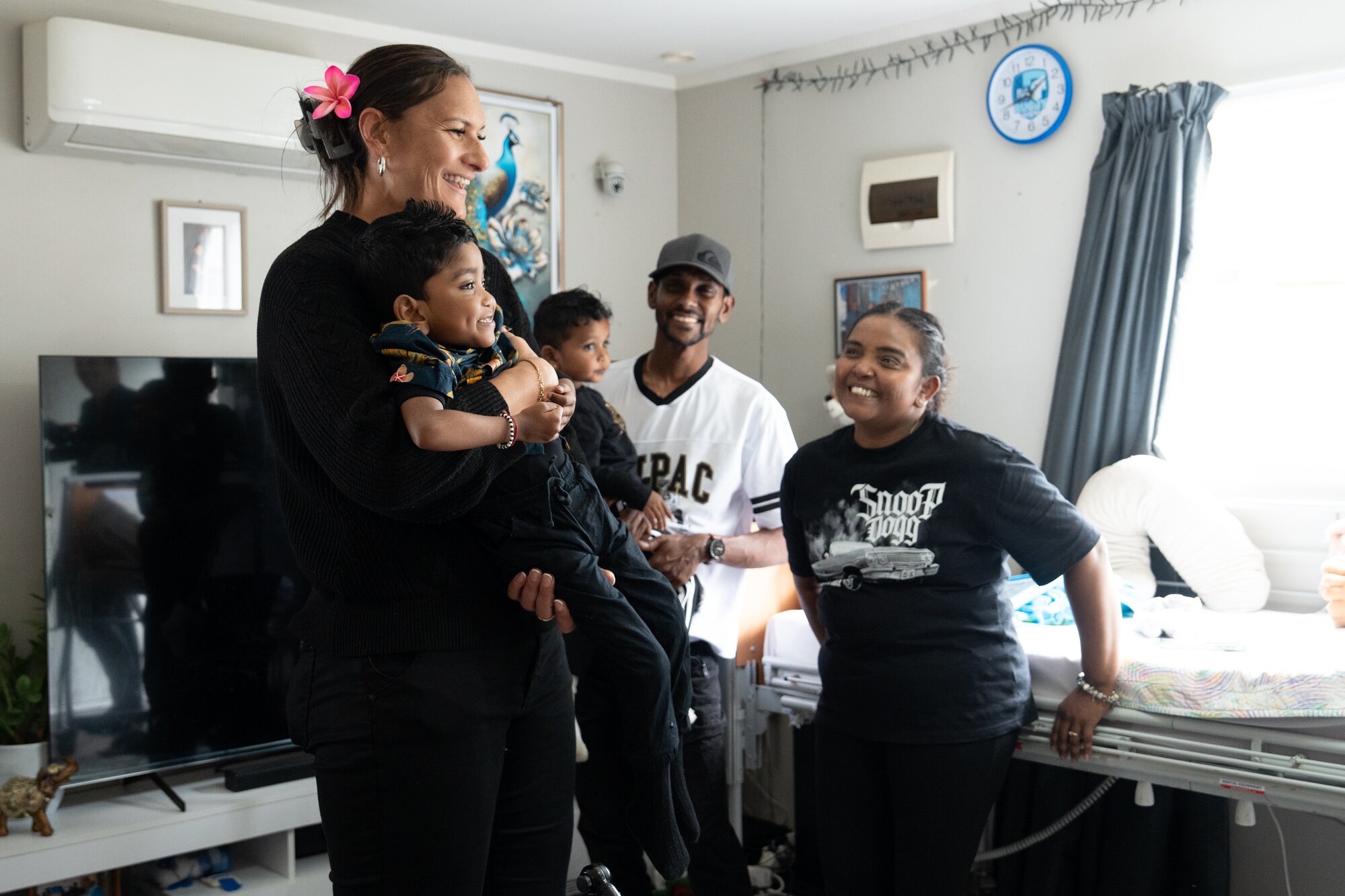
The converted garage where the family lives has two small bedrooms and a main living space that encompasses a kitchen, laundry, sofa, a hospital bed for Kiaansh, and his wheelchair. A single heat pump – the unit’s only source of heating – is on the living room wall.
Adams told the Herald that tapping on the glass windows of the family’s rental was a “triggering” reminder of her own childhood.
“I grew up in a mouldy, damp home. There was always black mould everywhere during winter. It was cold with paper-thin windows, and you felt the draft coming through. That was our norm, or we grew up thinking it was normal,” she said.
She said cold, damp homes and families sleeping together to keep warm in the winter was not unusual in South Auckland.
“It makes me sad. It’s almost sickening sometimes because why are we still living like that here in New Zealand?” she said.
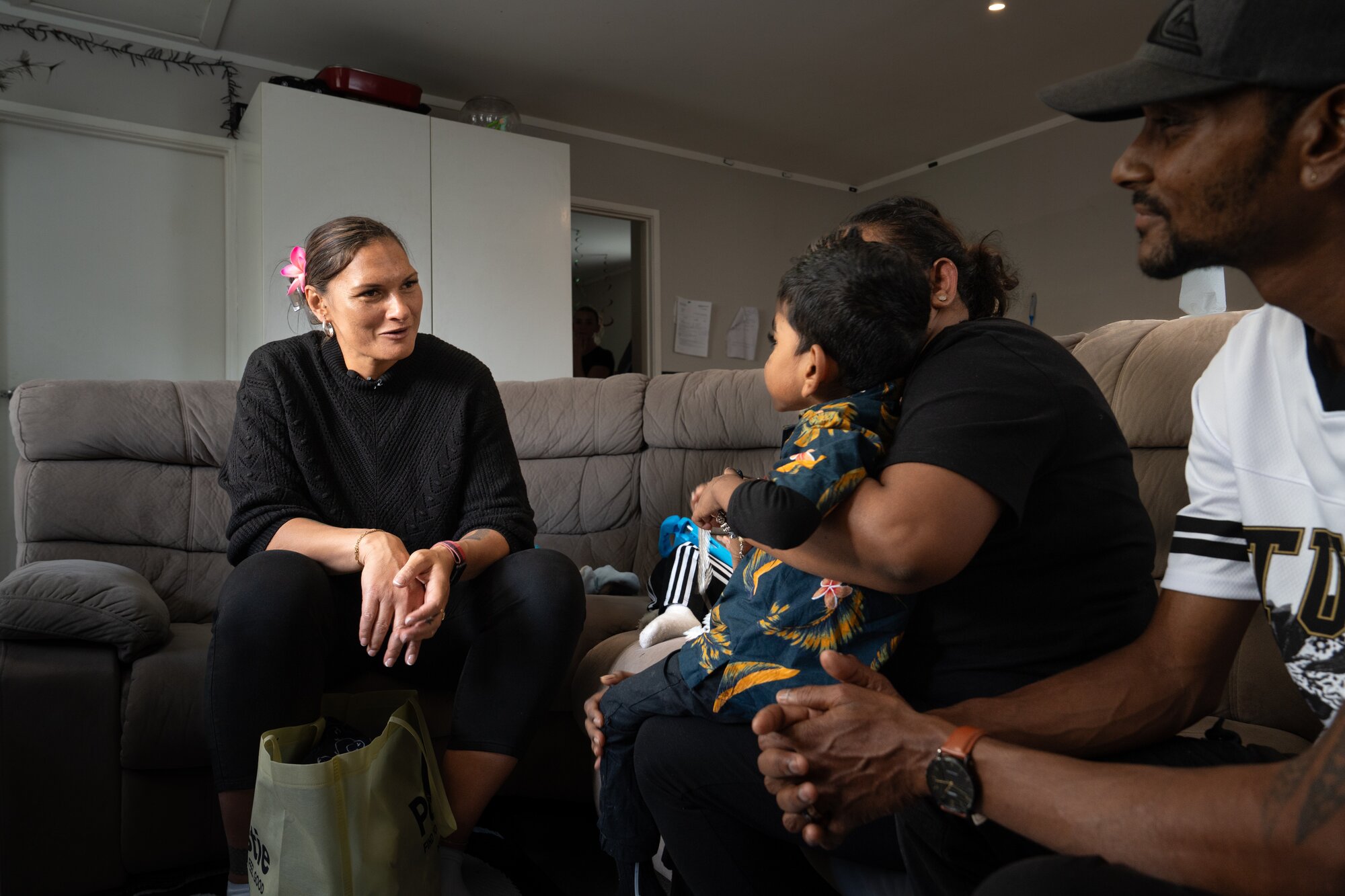
Adams said it was easy deciding to work alongside the Middlemore Foundation to promote better outcomes for people in her community.
One of the programmes she’s driving is Jammies for June, a campaign aiming to deliver 25,000 pairs of pyjamas to families in need to keep children warm and help prevent hospital admissions.
Adams said while providing pyjamas may not seem essential to some, such items were a luxury for many families.
She said a cup of coffee can cost about $7 – equivalent to the cost of a pair of pyjamas.
“But for a lot of these families, that’s expensive. They can’t afford to buy their kids pyjamas,” she said.
Adams said it’s important to draw national attention to such realities as keeping children and families warm can help keep them out of hospital.
She didn’t feel New Zealand was making sufficient progress on the issue, describing substandard living conditions as a “significant” issue.
“It’s sad that we’re still here. We [as a country] can do better.”
Family pays $480 a week for garage
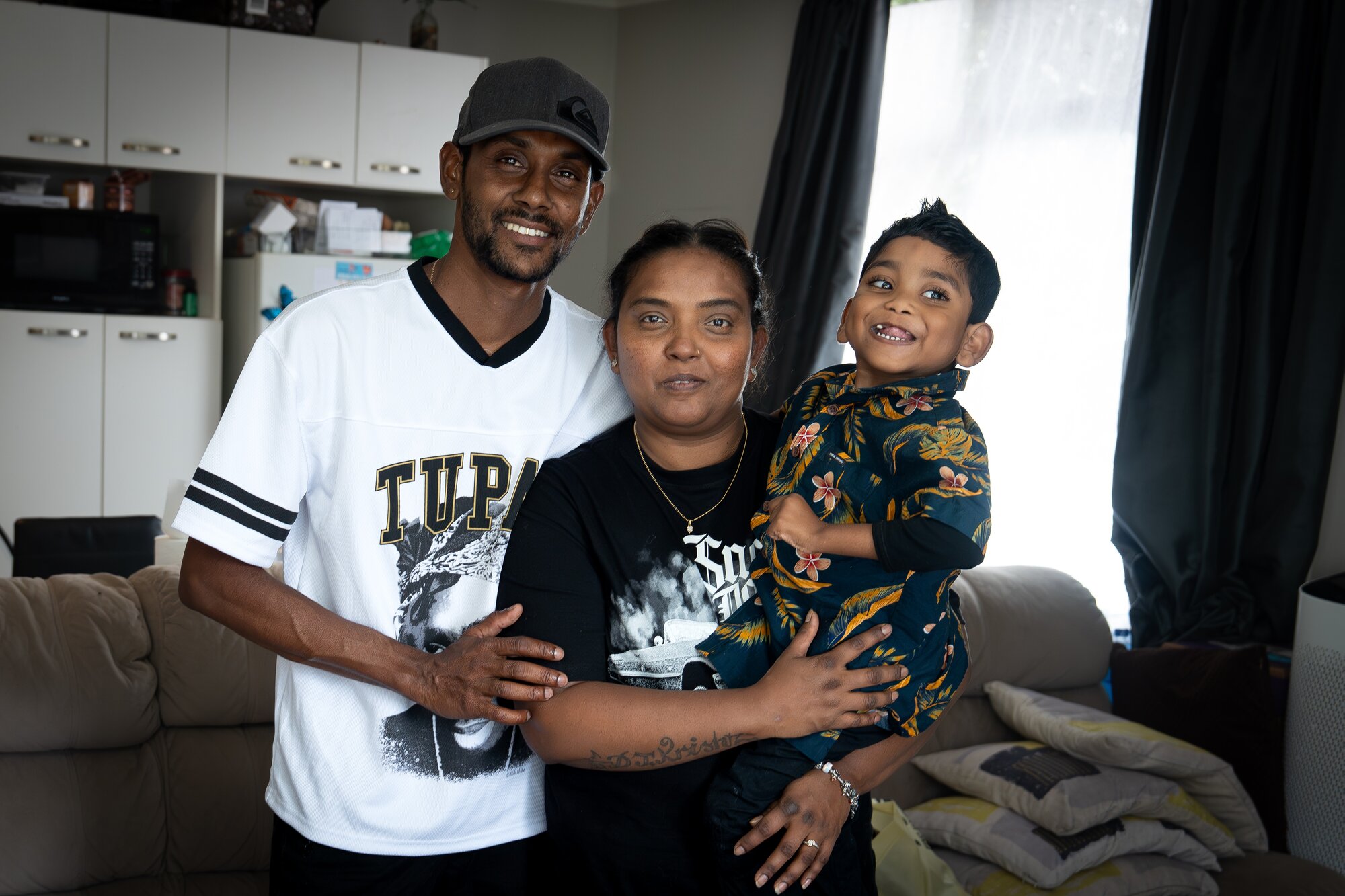
Krishneel Gounder said the family endured the bitterly cold winter nights by sleeping huddled together on the living room floor.
“It’s really, really cold,” she told the Herald.
“When it’s winter, we all sleep together on the mattress here on the [living room] floor. We do not sleep in the rooms.”
The modified dwelling, which has thin glass windows, sits behind another house at the back of a section and is not listed as a separate, standalone dwelling.
Keshni said it was “a bit congested”, but with weekly rent of $480 excluding power and internet it was more affordable than a lot of places.
The onset of winter worried Keshni the most, as Kiaansh is vulnerable to severe respiratory illness.
Cold conditions can increase muscle stiffness for people with cerebral palsy and worsen her 5-year-old’s ability to swallow and clear his throat.
“He was admitted [to hospital] with just a little bit of cough [last winter] and he ended up having pneumonia and we were there for about one week for antibiotics. That’s why I worry when it’s winter,” Keshni said.
Her son’s medication and feeding regimes mean she needs to provide round-the-clock care.
“There is a lot of sacrifice as a mother to look after a child with special needs. I do have sleepless nights,” she said.
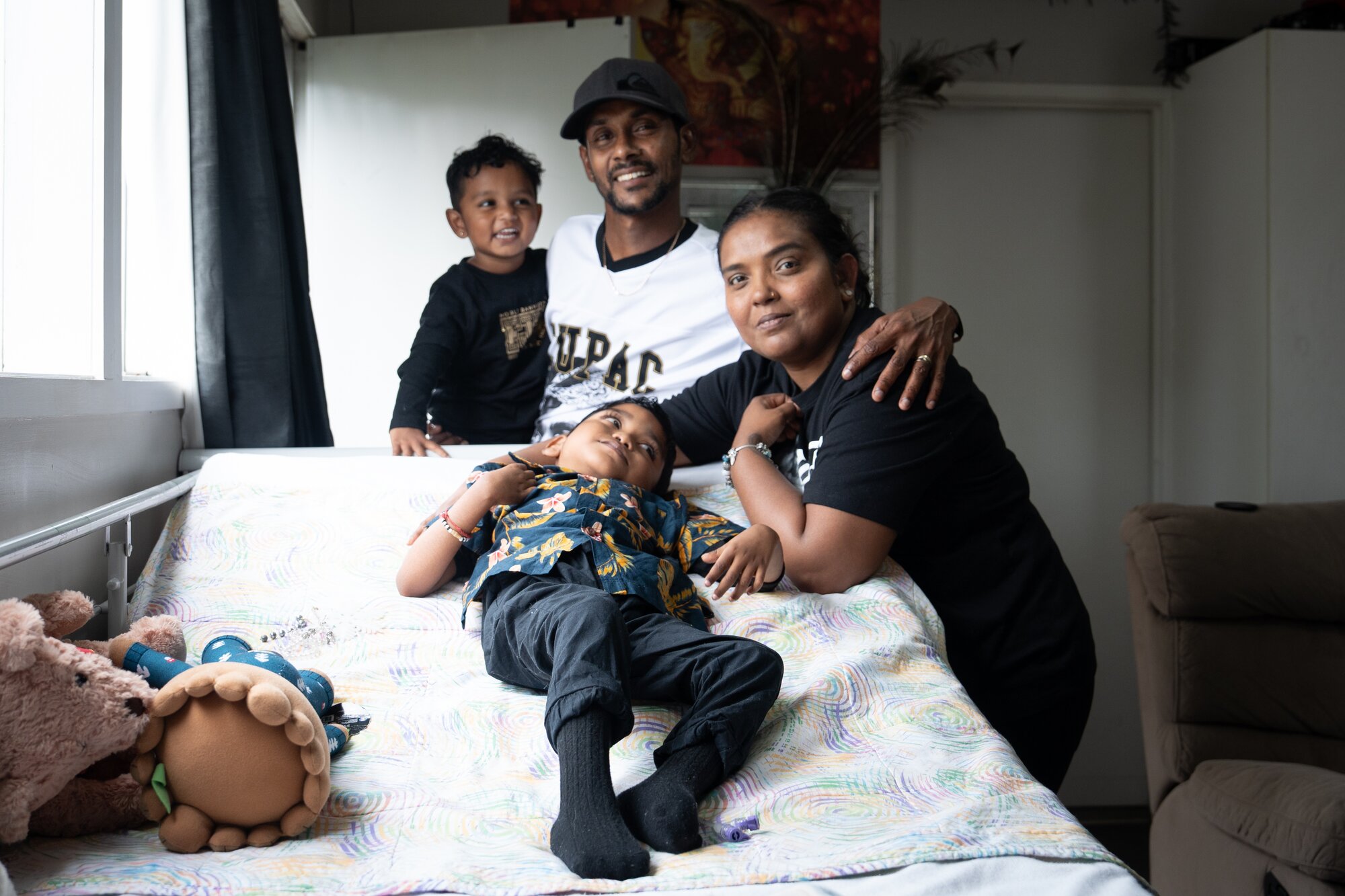
Krishneel said he often needed to work six days a week to keep the family afloat financially, although he did not shy away from putting in long hours.
“At times it’s a bit hard, but we have to work hard to achieve our needs and wants,” he said.
Keshni and Krishneel, originally from Fiji, are New Zealand residents.
She worked as a nurse in Fiji and dreams of having time to complete her New Zealand registration so she can be employed in her profession in Auckland.
While life was challenging, the couple told the Herald they were dedicated to each other and focused on small wins.
Keshni said she was ecstatic when her husband gave her a small necklace recently for her birthday.
“He saved for it. I was so happy. We are a happy family because we have each other.”
‘Many families’ living like this
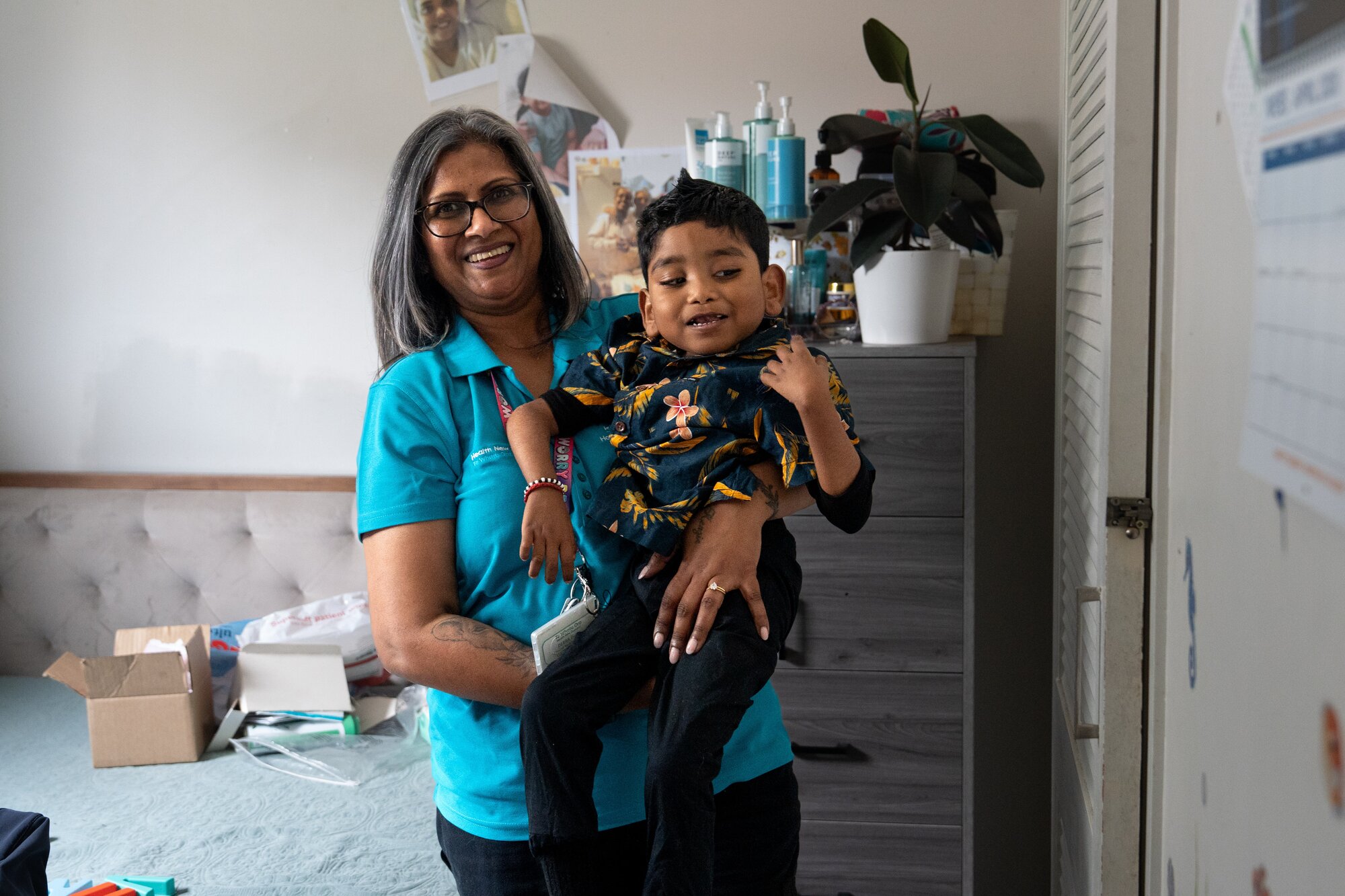
Amid what many would consider an impossibly difficult existence, Keshni and Krishneel are grateful for the specialist health support they received from staff at Middlemore’s Kidz First hospital.
Kidz First is a specialised public hospital based at Middlemore Hospital that provides care for children aged 1 month to 14 years of age.
This year marks 25 years since it opened.
When the Herald visited Keshni and Krishneel’s home, paediatric clinical nurse specialist Debra Isaac was there. She works as a Kidz First community nurse and visits the family at their home once a week.
She said “many families” lived in substandard, cold housing, which she described as a “real problem” in South Auckland.
“This is a reality. It shouldn’t be like this, but this is what we see on a daily basis. We try to help, but sometimes it’s not enough,” she said.
Issac said her visits were particularly important given Keshni was essentially acting 24/7 as Kiaansh’s caregiver, which includes feeding him overnight via a tube in his tummy.
“Sometimes you forget about the mum that’s holding that family together. We are there to support her, to make sure she gets everything that she needs,” she said.
Issac said that extends to emotional support, given Keshni doesn’t get time to herself.
The expertise offered by Kidz First includes not only nursing advice and regular check-ups, but visits from social workers, dietitians, physiotherapists and occupational therapists.
With the complexity of Kiaansh’s condition, he also needs equipment such as a motorised wheelchair and electric hospital bed – equipment also provided by staff at Kidz First.
Keshni said it would be difficult to cope without such expert medical assistance.
“They’re just one call away. Whenever I need anything, Debbie is always there. Without them, we would not have felt that secure,” Keshni said.
Krishneel said the specialist health support they received gave him hope and strength.
“We are really blessed to have Kidz First in our life,” he said.
Click here to donate to the Kidz First Children’s Hospital 25th Birthday Appeal. Donors support Jammies for June, home-safe ketes with essential items to keep children safe at home, mobility aids, glasses and hearing support, and the annual Kidz First Christmas party.
Michael Morrah is a senior investigative reporter/team leader at the Herald. He won News Journalist of the Year at the 2025 Voyager Media Awards and has twice been named reporter of the year at the NZ Television Awards. He has been a broadcast journalist for 20 years and joined the Herald’s video team in July 2024.