Earthquake-prone building owners given four-year extension, review under way

The Government is bringing forward a review of rules for earthquake-prone buildings that have caused sleepless nights for apartment owners.
Deadlines to remediate buildings will also be extended by four years, providing some breathing space while the review is undertaken.
There are 5360 earthquake-prone buildings across New Zealand from churches to shops, office blocks and apartment buildings.
After the deadly Christchurch earthquakes, a new regime was introduced requiring councils to identify these problem properties and set a deadline for fixing them.
Nearly 500 deadlines are set to expire over the next four years.
Those in multi-owned residential apartment buildings have long argued the legislation is being used as a “blunt instrument”. Hundreds have faced sleepless nights, losing their home and been on the brink of financial disaster, and say they’re funding public safety outcomes even though the public does not use their buildings.
Building and Construction Minister Chris Penk announced that work will start immediately on a review previously scheduled for 2027.

The extensive review will consider the appropriate risk settings to protect safety while ensuring the rules are workable to support businesses, increase economic activity and create jobs. It will also look at the way overseas jurisdictions manage earthquake risk.
“Councils and building owners have told me that many buildings will not meet their deadlines due to the high costs involved, further complicated by cumbersome heritage rules and ownership structures,” Penk said.
“Without change, a significant number of buildings could sit empty, which would have a devastating impact on the economy in cities such as Wellington and provincial towns across New Zealand.”
While this review is under way, all current remediation deadlines will be extended by four years, Penk said.
“However, I encourage building owners to use this time to continue to make improvements to their buildings, particularly due to the positive impacts that remediation has for insurance and their ability to get tenants.
“As part of this work, the Government welcomes input from councils in major cities and provincial towns, and the views of the insurance and banking sectors.”
The review comes too late for people like Michael Cummins who was facing a $400,000 bill to earthquake-strengthen his share of the apartment building he lived in on Kent Tce in Wellington, effectively “wiping out” his retirement plan.
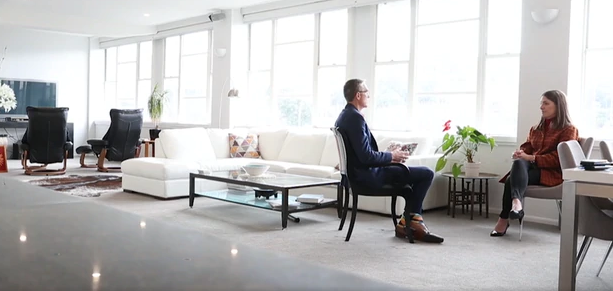
Since the Herald first reported on his case in 2020, the apartment owners in the building decided to sell, with the exception of one owner, Cummins said last year.
“It was a very big relief when we were finally able to walk away from that.”
Cummins said they loved their apartment, but the pressure and uncertainty meant strengthening the building wasn’t an option for them.
Penk expected the announcement would come as a huge relief to building owners. He also acknowledged those owners who had already endured the process of getting their buildings strengthened.
“We can’t turn back the clock and at least the people who have been able to do that have now got into a much better position than those who have been unable to do that so far.”
Inner City Wellington Residents’ Association spokeswoman Geraldine Murphy has been fighting for a review of the rules for years, arguing they are unfair.
“Keeping people safe from harm when disasters strike is important, but if how we do that is by ruining the lives of more people than will be saved, and forcing apartment owners out of their homes, then we must think again.”

Auckland Mayor Wayne Brown has also called for a review, saying earthquake-strengthening rules made no sense in a region that has shown no signs of earthquake activity for 100,000 years.
Wellington Mayor Tory Whanau wrote to now Prime Minister Christopher Luxon ahead of the 2023 election asking for a review. Whanau also wanted co-funding for strengthening council buildings, which provide vital infrastructure to the country’s national arts programme.
Cabinet will agree to the review’s terms of reference next month. The extension to strengthening deadlines will apply from April 2 but will not include buildings that have already passed their deadline.
Georgina Campbell is a Wellington-based reporter who has a particular interest in local government, transport, and seismic issues. She joined the Herald in 2019 after working as a broadcast journalist.