School camp costs double in 5 years, some schools forced to cancel or scale back
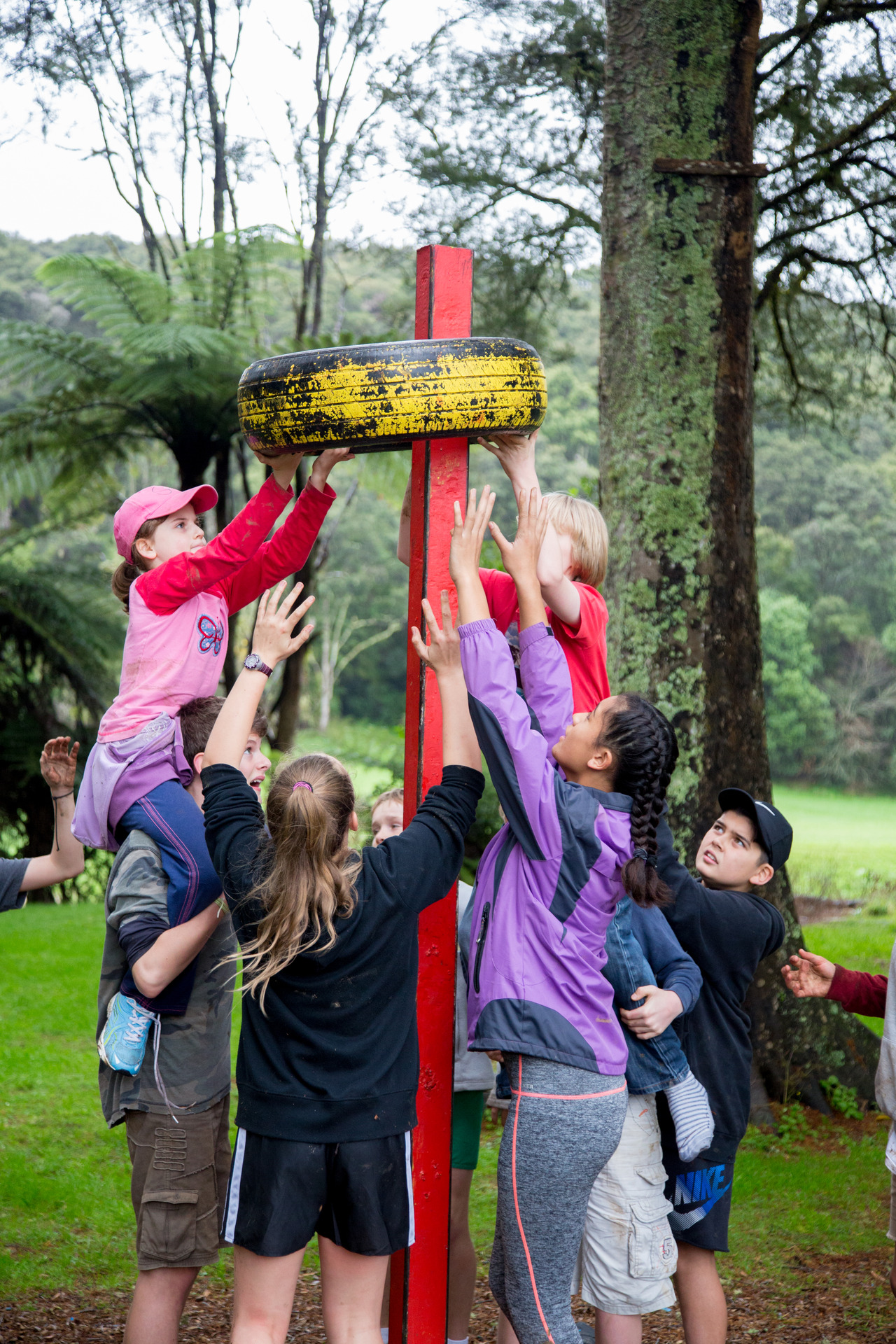
The cost of sending children on school camp has almost doubled in five years, forcing some schools to scale back or cancel trips as rising prices and financial pressure on families make outdoor education increasingly unaffordable.
Principals warn schools are being forced to shorten camps, rely more heavily on fundraising and sponsorship, and make difficult decisions about how to preserve what they say is a vital part of growing up in New Zealand.
School camps vary in price across New Zealand, Herald research showed, starting in the hundreds of dollars for shorter trips but escalating well beyond $1000 in some cases.
Papatoetoe Intermediate principal Pauline Cornwell said her school was forced to cancel its camp when only 160 out of the 750 kids confirmed they would be able to attend.
The cost of a three-day, two-night camp had jumped from about $180 per student five years ago to about $360 this year, Cornwell said.
“Food is more expensive, staffing costs have gone up because camps need properly trained supervisors, petrol costs more, bus transport costs more, and the camps themselves are charging more.”
She said camp providers were also facing higher compliance and safety requirements, adding to operating costs.
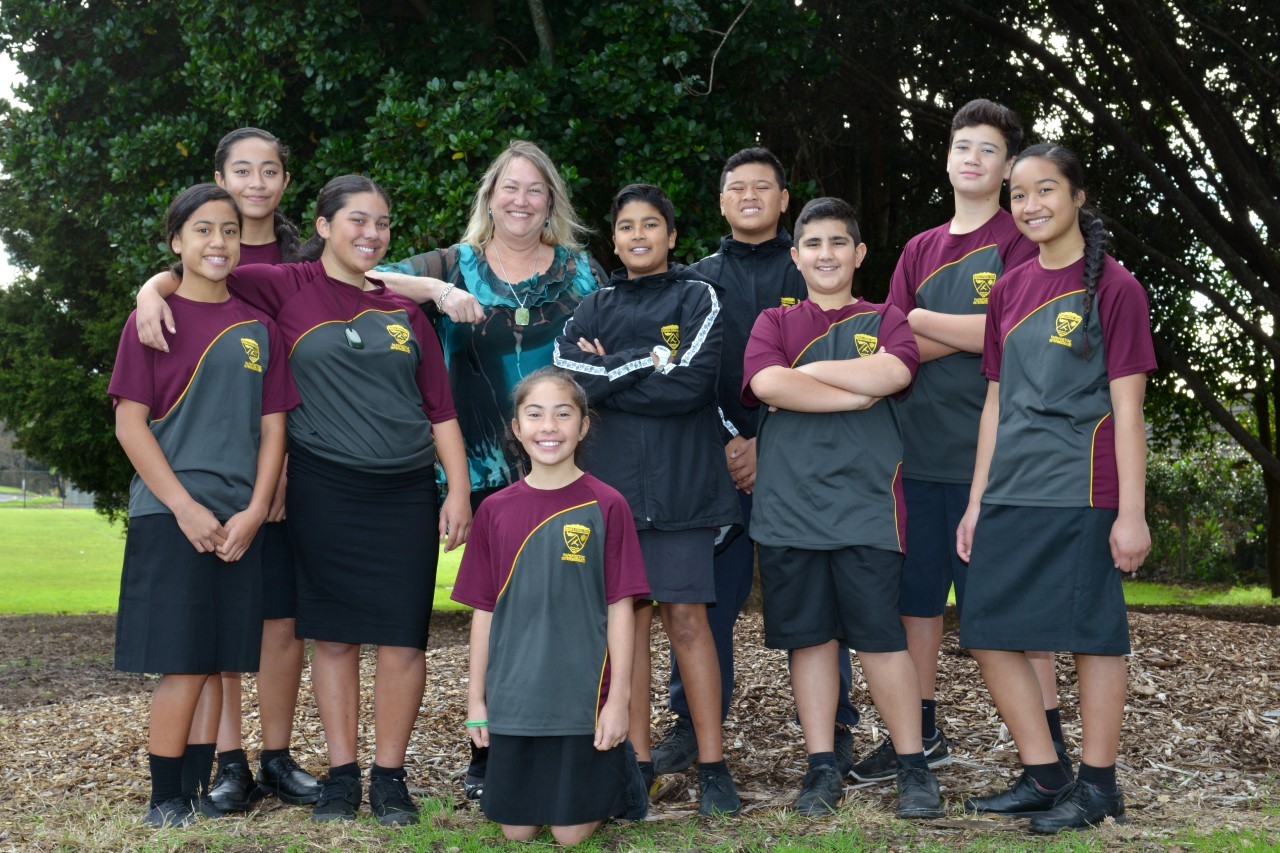
At the same time, many families were under increasing financial strain as inflation yesterday hit a two-year high, making it harder for schools to ask parents to contribute.
“We have a large number of families living in emergency housing or receiving income support, but we also have many working families who are struggling with mortgages, the cost of living and raising several children.”
Under the Government’s donations scheme, schools cannot charge parents for compulsory curriculum activities.
Instead, Papatoetoe Intermediate makes camp optional and provides an alternative programme at school for students who do not attend.
There was also a growing shift in attitudes towards outdoor education, Cornwell said.
“There are more families who don’t see camp or education outside the classroom as an important part of schooling anymore,” she said.
“Years ago there was an expectation that every child would go camping, go to the beach and have those experiences. Increasingly, that’s changing.”
Cornwell said local businesses, which had previously helped cover camp fees for disadvantaged students, were also feeling the pinch.
“We used to have small businesses sponsor two or three children each year, but they’re just not in a position to do that anymore.
“We relied on that sponsorship to reduce costs for families who couldn’t afford camp, but there simply isn’t as much support available now.”
‘They’re a vital part of being a Kiwi kid’
Glenbrook School principal Lysandra Stewart said 15% to 20% of her students would not be attending school camp this year – up from 5% last year.
The camp cost close to $1000 a student, which included snowboarding, whitewater rafting, hiking and mountain biking.
Many families were too embarrassed to ask for financial help, while the cost of attending camp extended well beyond the camp fee itself, she said.
“It’s not just the cost of camp. It’s the clothing, the equipment list and everything else that goes with it. It’s not as simple as paying the camp fee.”
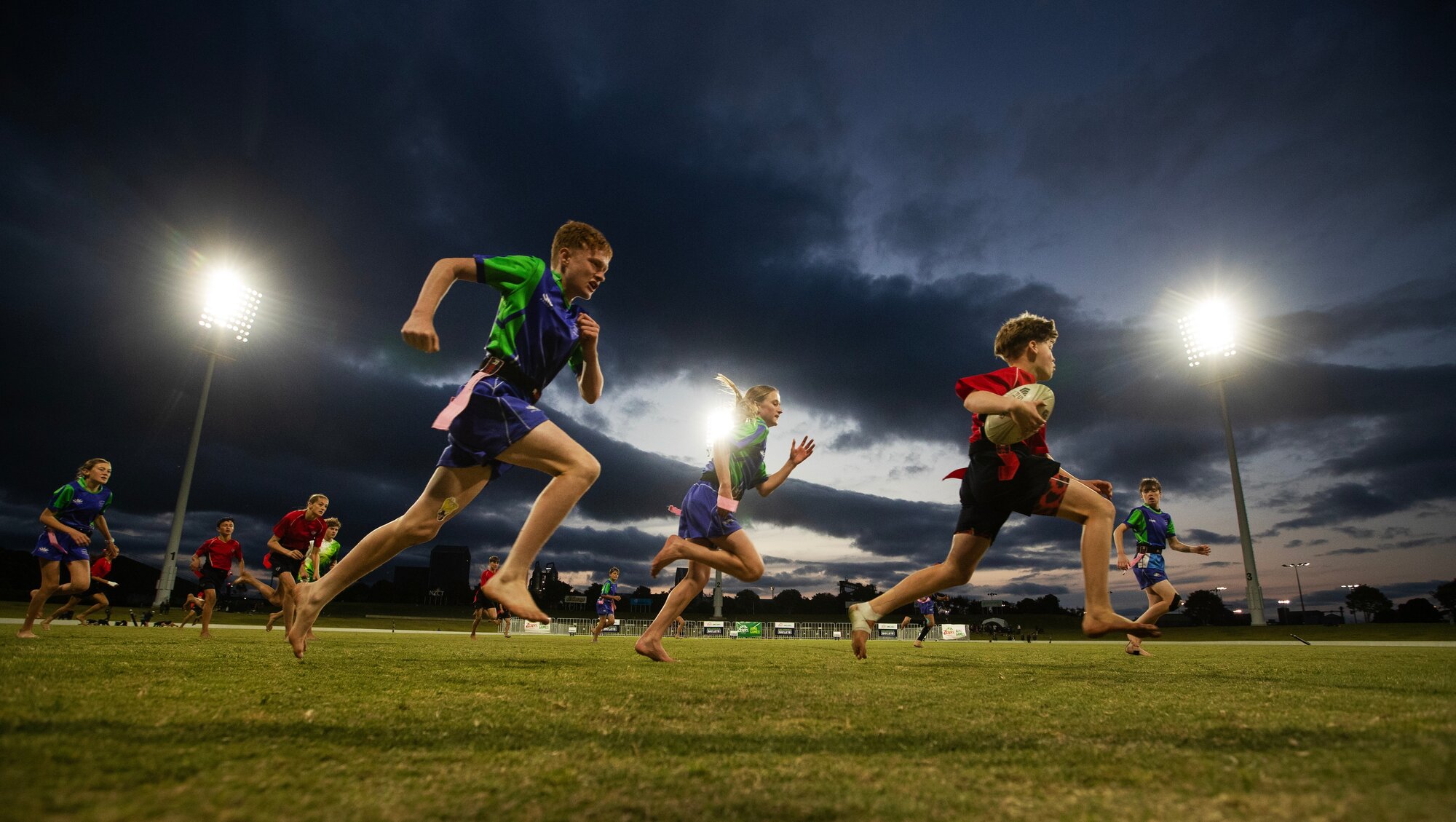
Stewart said the school had already been forced to rethink its annual surf camp because families could no longer afford both that trip and Aims Games or other sports commitments in the same year.
“In the past we could do both, but now families and schools just can’t afford it.”
Schools were relying on traditional fundraisers such as quiz nights, sausage sizzles, bake sales, sponsorships and “sponsor a child” campaigns to help families meet the cost.
Stewart said camps were an important part of growing up in New Zealand and played a key role in building children’s confidence and resilience.
“They’re a vital part of being a Kiwi kid.
“Camps teach children to be comfortable being uncomfortable, to be brave and build resilience. We’re seeing those opportunities become more and more limited as costs continue to rise.”
Mufti days and welfare funds to help struggling families
Auckland Secondary Schools Principals’ Association president Karen Brinsden said deposits were made for the camps a year in advance, so schools had to commit to an unknown cost that continued to rise.
Brinsden, who is also the principal of Botany Downs Secondary College, said her school applied for a special grant for the first time this year and was awarded enough money to cover fuel costs, reducing the cost to each student by $50.
The school had also looked for savings by preparing some camp food in-house and buying supplies in bulk.
It had already reduced its Year 9 camp from four days and three nights to three days and two nights to keep costs down.

Brinsden said the school also held an annual mufti day, with the money raised going into a student welfare fund to help families struggling to pay camp fees.
She said camps also taught everyday life skills and independence.
“For some students, they’ve never picked up a tea towel and had to do dishes. They come back from three days away a very different child, slightly more independent, and they’ve had a whale of a time.”
The rising cost of school camps follows outrage over the cost of school balls, with principals and parents saying prices were “escalating out of control”.
Some schools were forced to cancel their balls due to cost pressures, with families facing price tags in the thousands when tickets, designer dresses, professional makeup, hair styling and other extras were factored in.
Ōrewa College reduced the cost of its $230 ticket after Herald reporting.
Rachel Maher is the education correspondent for the New Zealand Herald. She also covers a variety of other topics like Auckland issues, crime and local government. She started at the Herald as a breaking news journalist in 2022, before joining the Auckland team this year.
Sign up to The Daily H, a free newsletter curated by our editors and delivered straight to your inbox every weekday.