Election 2023: National’s Christopher Luxon says cellphones in schools will be banned within his first 100 days in office
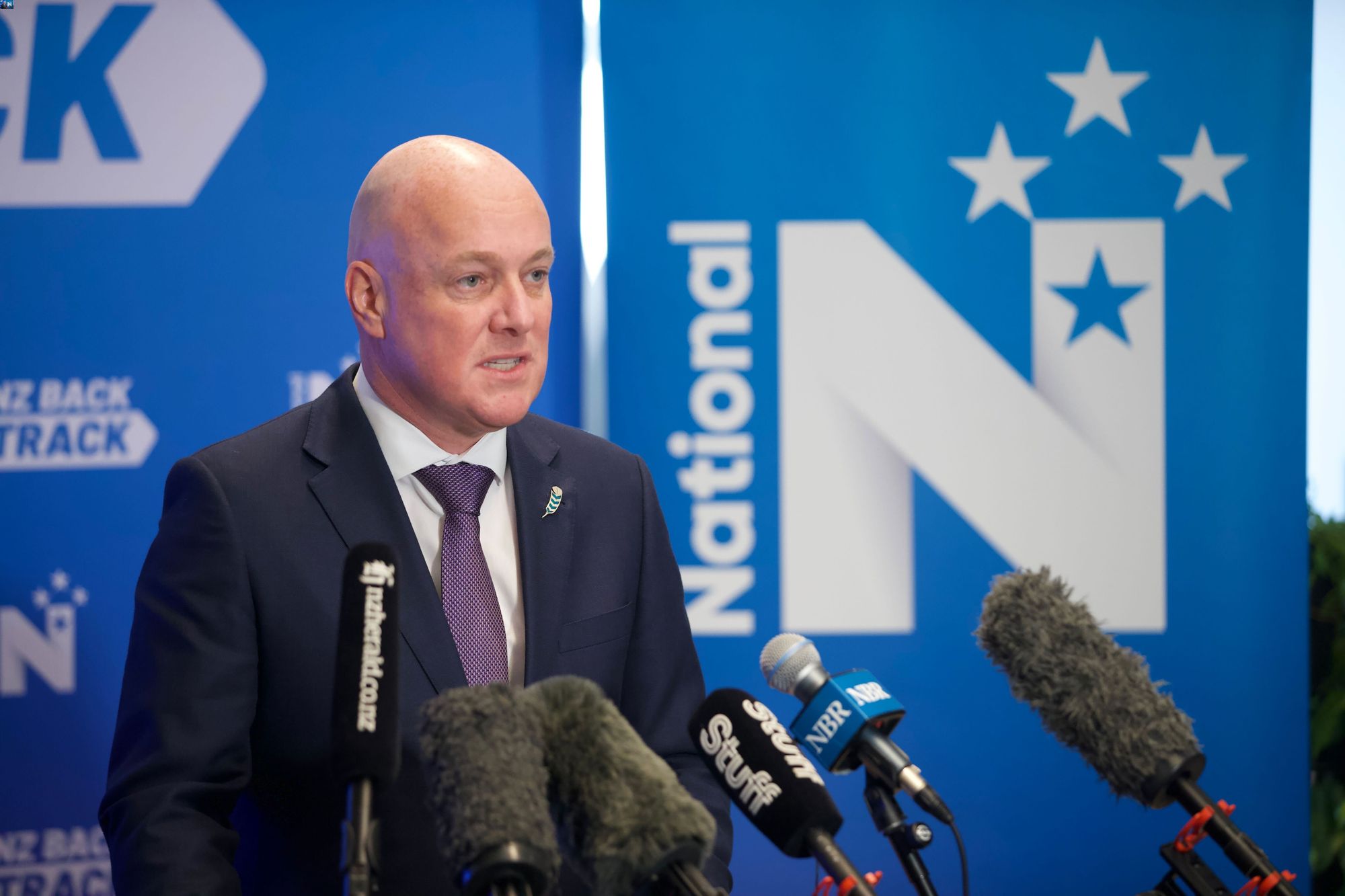
National leader Christopher Luxon plans to bring in a ban on cellphones in schools within his first 100 days in office, to come into force from the start of the next school year.
Luxon will unveil the move when he releases his 100-day plan today – the priorities for his first few months in office if he is Prime Minister after the election. It comes just in time for advance voting to start tomorrow.
Most party leaders will be in Auckland today. Labour leader Chris Hipkins is expected to release the Labour Party manifesto, while Act leader David Seymour and NZ First leader Winston Peters are attending the Groundswell rally in Ellerslie.
Luxon has previously announced National’s gang policies would be included in his 100-day plan, and yesterday added the repeal of the Clean Car Discount Scheme – the so-called “ute tax” and subsidies for those buying electric cars.
Luxon announced that move from a car sales yard in Hamilton, standing in front of a ute with transport spokesman Simeon Brown.
National is also intending to have a mini-Budget if it gets into Government, and Luxon said he planned to move with some urgency if he got into Government.
“We want to get going in that first 100 days, and we’ll have more to say about that in coming days.”
Luxon announced the policy last month to ban cellphones in schools,saying it was part of his plan to lift achievement of students eliminating “unnecessary disturbances and distractions”.
It would be up to schools to decide how to enforce the ban, which would apply for the entire day, including breaks between classes, with the expectation the phones would be “off and away all day”. It would apply to primary, intermediate and secondary schools.
There would be exceptions for those who genuinely needed a phone, such as for health reasons.
Labour leader Chris Hipkins has dismissed the idea, saying it is unnecessary and schools can already opt to ban cellphones if they wish.
Schools that have taken the step have reported positive results from it.
National’s gang policies included banning gang patches and more powers for police to break up large gatherings of gang members.
Luxon may have to negotiate with potential governing partners over the plan: yesterday NZ First leader Winston Peters put funding sources for Auckland Council – and other local government bodies – onto his wishlist, saying it was “a needed next government immediate priority”.
Peters said he backed Auckland Mayor Wayne Brown’s Auckland Manifesto, and said central government could not keep loading councils with more responsibilities without funding them.
Luxon repeated his comments that NZ First would be his “last resort” and his appeal to voters to deliver a clean result.
“Voting starts on Monday. The New Zealand voters are in charge here. They determine a set of results here and we as the political party leaders are obligated to see if we can form a government.”