Environmental group urges tarakihi fishing ban amid steep stock decline
A staple of fish and chips and home-cooked meals could be on the brink of extinction around New Zealand.
The Environmental Defence Society (EDS) has released data that shows two of the country’s tarakihi stocks are declining rapidly.
The eastern stock has declined to 7.7% of its virgin biomass, while the western stock is at 29% and declining rapidly.
EDS policy director Raewyn Peart called the state of the stocks shocking.
“After 40 years of what we’ve repeatedly been told is a world-class fisheries management system, New Zealand’s third most valuable inshore finfish fishery is on the brink,” Peart said.
“Tarakihi is an iconic fish for many New Zealanders. Most of the catch is consumed here at home and is a staple in restaurants, supermarkets and fish and chip shops across the country.
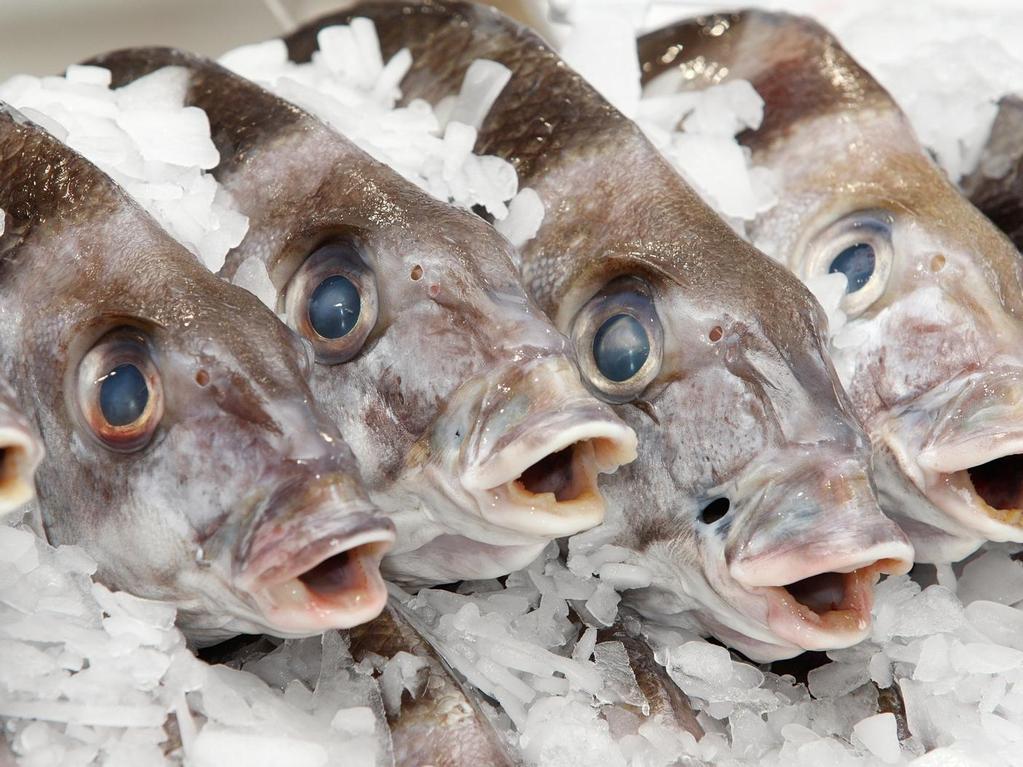
“New information released by Fisheries NZ shows the stock along the eastern coast of the country has been declining since the 1940s and has been overfished for six decades.
“The western coast stock has also been in long-term decline, but the trend accelerated dramatically after 2017.”
Peart said the collapse in numbers showed failures in the quota management system and suggested there are uncertainties about whether populations can rebuild because of the loss of juvenile habitat and impacts of climate change.
“EDS is calling for complete closure of the entire fishery to provide the best chance of recovery,” Peart said.
“This can be achieved by setting the Total Allowable Catch to zero.
“We are also seeking full protection of tarakihi juvenile habitat, juvenile aggregation areas and spawning areas from trawling and Danish seining.
“If these measures aren’t implemented quickly, we will be facing extinction of one of our most commonly eaten white fish.”
Emma Taylor, Director of Fisheries Management for Fisheries New Zealand, said the information had been received about the tarakihi stocks and Fisheries NZ will consult on significant reductions to tarakihi catch limits and potential restrictions on fishing to protect juvenile populations.
“The latest information shows fewer young tarakihi fish are entering the populations,” Taylor said.
“This low recruitment has coincided with warmer sea temperatures and scientists are unsure whether this is a short-term issue that may improve as fishing pressure is reduced or part of a long-term decline linked to a changing environment.
“To support a needed recovery of the tarakihi stocks, we are seeking public feedback on proposed changes to management settings and supporting measures for tarakihi, including potential fishing restrictions in tarakihi nursery and juvenile areas.”
Taylor said Fisheries NZ made significant annual investment into fisheries science and took multiple steps to manage it, including feedback and evidence from different sources, and peer reviewing the evidence.