Family demands accountability after Palmerston North Hospital tragedy
A coroner is asking the Health and Disability Commissioner to assess the care provided to a young Palmerston North mum-to-be who died of a heart attack minutes after her son died.
The woman’s mother said she believed things could have gone differently if her daughter had not been sent home after she sought care days earlier.
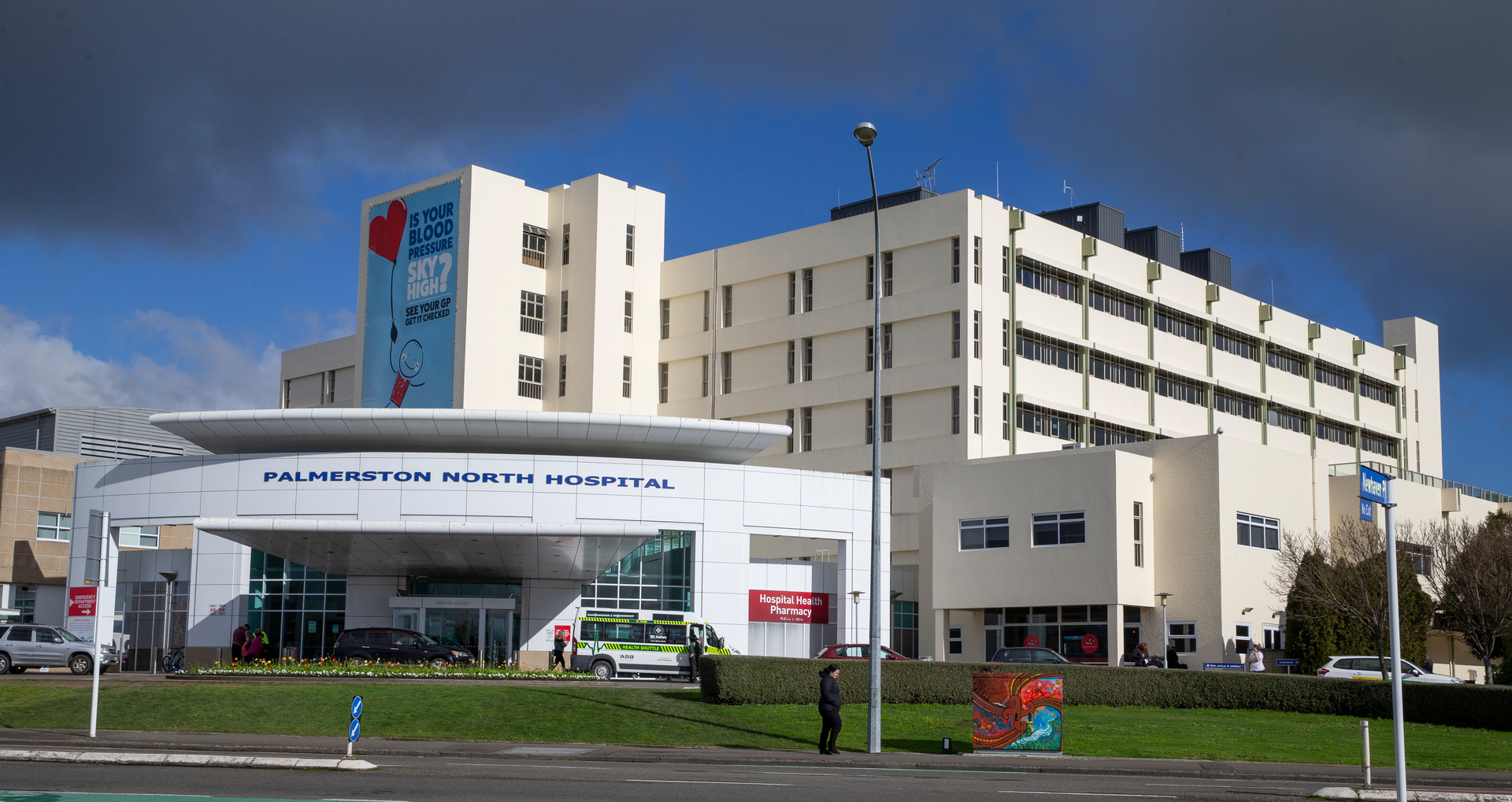
Samantha Whyman, 29, who was 29 weeks pregnant, died at Palmerston North Hospital on April 13, 2024. Her first child, Harrison Earnshaw, lived just 38 minutes.
Samantha’s mother, Tracey Whyman, told the Herald she believed the level of care her daughter received should have been better.
She said Samantha’s medical history needed to be taken more seriously, and more thorough testing should have been done with better equipment.
“If we were in Wellington, Christchurch, Auckland, my daughter might have survived. My daughter might have got the help she needed faster,” Whyman said.
Health NZ Te Whatu Ora MidCentral director of operations, Katherine Fraser-Chapple, told the Herald the organisation acknowledged the tragic loss and recognised the family’s grief.
“Because this matter has been referred to the Health and Disability Commissioner (HDC), we have no further comment at this stage,” Fraser-Chapple said.
In a statement, HDC said it could not comment further while the assessment was ongoing.

‘She was just left’
Whyman said she believed questions remained about her daughter’s treatment and wanted to raise awareness, encourage accountability, and prevent another family from experiencing the same heartbreak.
“The loss of Samantha and Harrison has devastated our family. We believe the public deserves to understand what happened and why lessons must be learned.”
Whyman said that before her daughter died, there had been multiple cancelled appointments with the cardiology team by the hospital and by Samantha.
“We didn’t actually know how bad her heart was. We never got told,” she claimed.
The year before she died, Samantha had a stroke, and her mother claimed she was initially sent home without a diagnosis.
Whyman said she thought her daughter’s medical history was not taken seriously enough. In the days before her death, she went to the hospital on April 8 for swelling in her legs and reported feeling unwell.
“They pretty much sent her home with compression stockings.
“I feel as though she was just left,” Whyman said.
Whyman claimed Samantha was not adequately listened to when she was experiencing chest pain.
On the day she died, she had been rushed to hospital by ambulance just hours after her GP had drained a cyst.
“You need to listen to people when they’re saying they are having chest pain. My daughter was telling [hospital staff] she was having chest pain, and they kept saying ‘no, it’s just the abscess under your arm,’” Whyman said.
Coroner Ian Telford said Samantha was loved by many, and it was beyond question that she was sorely missed.
“Harrison did not live very long, 38 minutes in fact, but it was 38 minutes of life nonetheless, and it was a cherished life,” he said.
Telford set out a broad summary of the circumstances surrounding Samantha and Harrison’s deaths after reviewing “extremely detailed” medical evidence and reports.
He said Samantha’s medical history included an atrial septal defect closure (fixing a hole in her heart) in 2006, a left arachnoid cyst diagnosed in 2014 and an embolic right middle cerebral artery infarct (stroke) in April 2023.
On the day of her death, the findings said Samantha’s GP drained a cyst in her left armpit, but an hour later, Samantha complained of feeling unwell with chest pain, fever and shivering.
She was taken by ambulance to the Emergency Department (ED) at Palmerston North Hospital.
When she arrived at the ED, Samantha had a headache, a high temperature and severe chest pain.
Telford said an electrical cardiogram (ECG) was performed, and a full range of bloods were taken.
“It was reported that Samantha’s troponin level was elevated. There was a delay in this information being communicated to clinicians in the ED,” he said.
A repeat of the troponin level was requested.
“As the clinicians were discussing Samantha’s case and her results and formulating a plan, at 2.48pm the emergency call bell was activated, after Samantha was found to be in a collapsed state,” Telford said.
Resuscitation efforts began immediately, and despite “extensive efforts” and the use of “all available life-preserving measures”, Samantha could not be revived and died at 4.15pm.
During this time, Harrison was delivered by emergency caesarean section at about 3.10pm. Emergency resuscitation efforts were started immediately.
After he was fitted with a breathing tube, doctors noted a heart rate, but he was no longer breathing. Medical staff concluded that Harrison’s body did not receive enough oxygen for a long period of time.
“Severe brain damage had likely occurred before delivery,” he said.
It was ultimately assessed that Harrison’s condition could not be survived and he died at 3.48pm.
An autopsy of Samantha concluded that the primary cause of Samantha’s death was a heart attack because of cardiovascular disease.
The pathologist did not think Samantha’s abscess contributed to her death.
Review of care
Telford concluded that neither death was preventable at the time Samantha went to Palmerston North Hospital on April 13.
During his inquiry, he learned that Health New Zealand MidCentral was conducting a Serious Adverse Event Review, which was completed in June last year.
Telford sought a preliminary opinion from Dr Garry Clearwater, the chief medical adviser to the Coroners Court, whose report raised some issues and made some further suggestions.
“HNZ MidCentral have recently confirmed they agree with those suggested recommendations and provide further information outlining the changes already in place or those that are about to be put in place.”
Telford said that while MidCentral had made changes to clinical care in response to Clearwater’s report, its own report was silent on the concerns that led to Clearwater’s recommendations.
“The effect is that there are agreed recommendations but no consensus or otherwise in relation to what, if anything, went wrong during the material care episode proximal (close to) to these deaths.”
Despite the lack of clear response from Health NZ to Clearwater’s findings on care provision, “there is agreement about the steps that have and will be taken to strengthen the clinical care for people like Samantha and Harrison. This is no small thing.”
‘She was my rock’
Whyman said her daughter was her best friend who had a great sense of humour.
“She liked to have a joke with everybody ... she was a good big sister to her younger siblings and a good sister to her older brother who passed away.
“She was my rock too. Anyone hurt me, she’d be right there. She was my protector. We were like best friends,” Whyman said.
She said Samantha’s death came days after another of her daughters got married.
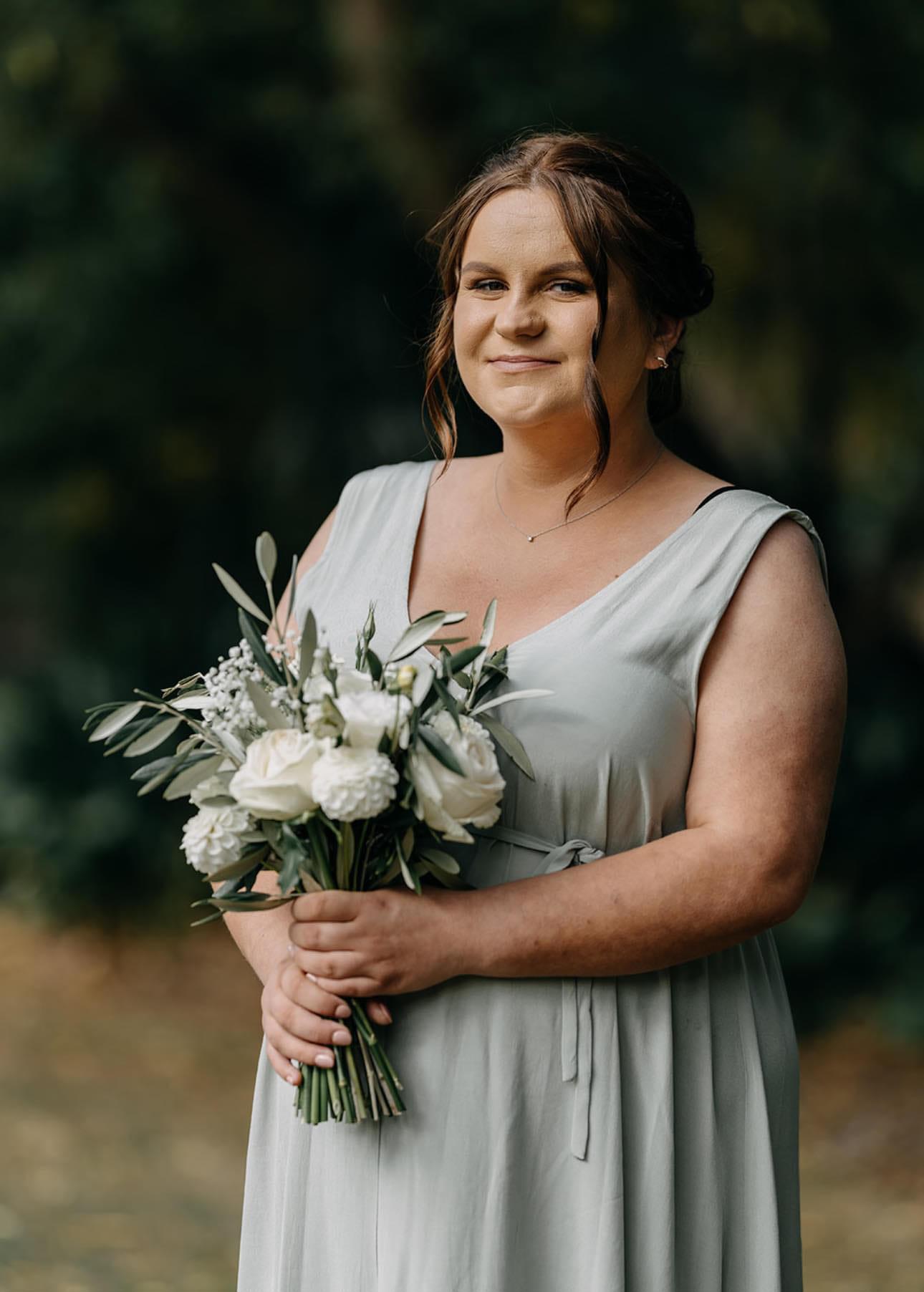
“She was a bridesmaid, and we got some beautiful photos of her.”
This comes after Briar Parfitt, 40, died last Saturday afternoon after she chose to leave Palmerston North Hospital when she was told she faced a 25-hour wait.
She later died in the car next to her teenage daughter while travelling to another hospital.
Health New Zealand has said the average wait was only two hours, and the emergency department was staffed sufficiently to meet demand that day.