Gangs in prisons: Corrections moves to stop gang-led jail manipulation
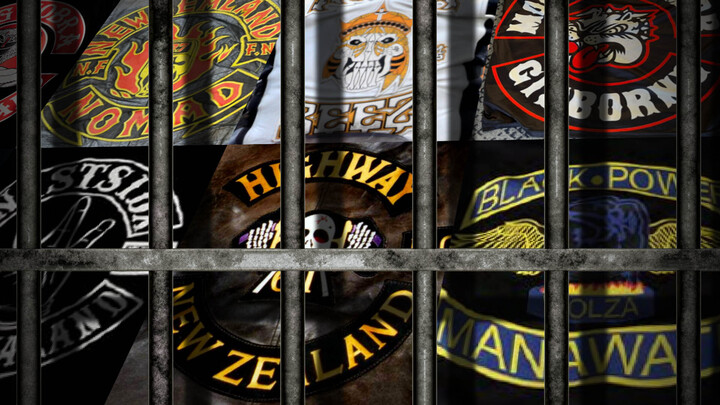
Jailed gang members are committing strategic violence behind bars in order to be transferred to other prisons to strengthen gang numbers – particularly Auckland Prison in Paremoremo.
It’s a trend that’s forcing Corrections to adapt its systems to thwart the gangs’ strategies.
Gang members make up about 35% of New Zealand’s 11,000-strong prison population; a surge from 2010 when the number was around 15%.
Corrections keeps a record of inmates’ gang links and as of September 2025, at least 64 different gangs were represented in our prisons.
The Herald can reveal gang bosses are behind some of the violence, ordering their patched members to attack fellow inmates and Corrections officers to bolster their gang’s presence inside other jails.
Corrections commissioner custodial services Sean Mason confirmed the tactic and said prison bosses are taking steps to combat the attempted manipulation.
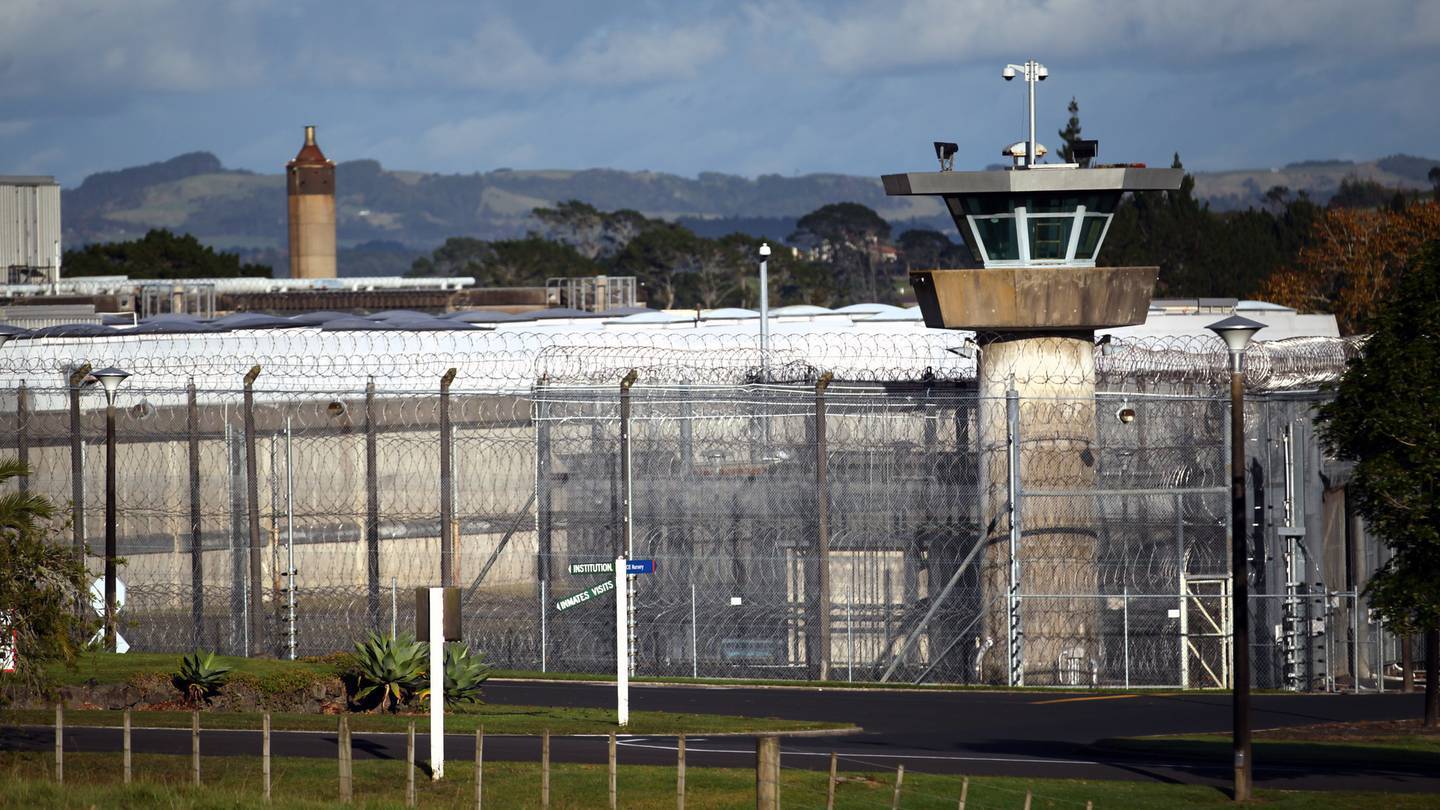
“Corrections is aware that prisoners, regardless of whether or not they are gang-affiliated, have used assaults on staff or prisoners to attempt to influence their placement,” Mason said.
“We always review a prisoner’s security classification following assault incidents and, in some cases, this results in a transfer.
“As Auckland Prison is the only prison in New Zealand that permanently holds maximum security prisoners, this [tactic] is particularly common with attempts to move to Auckland Prison.”
The strategy could see a patched member based at a medium security facility such as Hawke’s Bay Prison, being ordered to seriously assault a fellow inmate or staff member in order to be transferred to Auckland Prison, to increase numbers at the jail located at Paremoremo.

The strategy is also mentioned in a 2005 academic study – Prison Gangs, Organised Crime and Prison Social Order – for which researchers interviewed inmates and staff at prisons in New Zealand, Australia and England.
Researchers visited a Serco-run Auckland prison, where an inmate told them if orders weren’t followed, gang leaders “can take our rank from us”.
Mason said Corrections had now “adopted additional tactics for when it appears a prisoner is attempting to influence their placement”.
Management units have been created at other sites, he said, with maximum security staff numbers and processes, and buildings “to the required standard”.
Mason said every Corrections prison had a safety plan setting out actions to mitigate risks, “including those posed by gangs”.

The department works closely with the multi-agency Gang Harm Insights Centre as well as police and its specialist National Organised Crime Unit to “identify gangs, gang members, and their impacts.
“We actively work to contain the negative influence of gang members in prisons [and] disrupt the efforts and capabilities of gang members to organise and commit crime,” Mason said.
Work also goes into prisoner placement, “including balancing gang factions across the prison to prevent one gang becoming dominant in a unit.
“We also carefully consider the placement of those people in prison who are deemed to be influential,” Mason said.

“Once they are placed in a unit, regimes are developed by the senior and principal Corrections officers within the unit to mitigate their influence on other people in prison.”
Prisons house some of the most dangerous people in New Zealand.
“The reality is many do go to extreme lengths to cause harm, including through intimidation,” Mason said.
The Prison Gangs, Organised Crime and Prison Social Order study also looked at how Australia’s controversial 501 policy – that has seen more than 3000 Kiwis with links to gangs and crime deported from Australia – has led to a rise in Australian motorbike gangs in New Zealand prisons.

Study authors wrote inmates “considered the 501 deportees to be indiscriminate in the use of violence, and less likely to conform to recognisable rules and norms”.
That included inmates with links to Aussie bikie gangs such as the Comancheros, Mongols and Rebels.
Mason said it was a fact gang members and associates “tend to display higher rates of violence and disorder” behind bars.
That included 501 deportees.
“Prisoners affiliated with gangs such as the Comancheros and Mongols are also more likely to be involved in transnational organised crime, and we are seeing an increase in the number of these prisoners and also the level of sophistication of the criminal networks they are a part of,” Mason said.

“Disrupting gang influence and organised crime activity in both prisons and our communities is an absolute priority for Corrections as well as police and our other partners.”
As well as trying to manage the risks posed by gang members in our jails, Mason said Corrections is focused on helping prisoners leave gangs, and through rehabilitation and education, to live crime-free when they leave prison.
Neil Reid is a Napier-based senior reporter who covers general news, features and sport. He joined the Herald in 2014 and has 34 years of newsroom experience.
Sign up to The Daily H, a free newsletter curated by our editors and delivered straight to your inbox every weekday.