GPs face more underfunding and patients may pay more
An Ōpōtiki man drove to Gisborne last week for medical care after he could not enrol with a local GP.
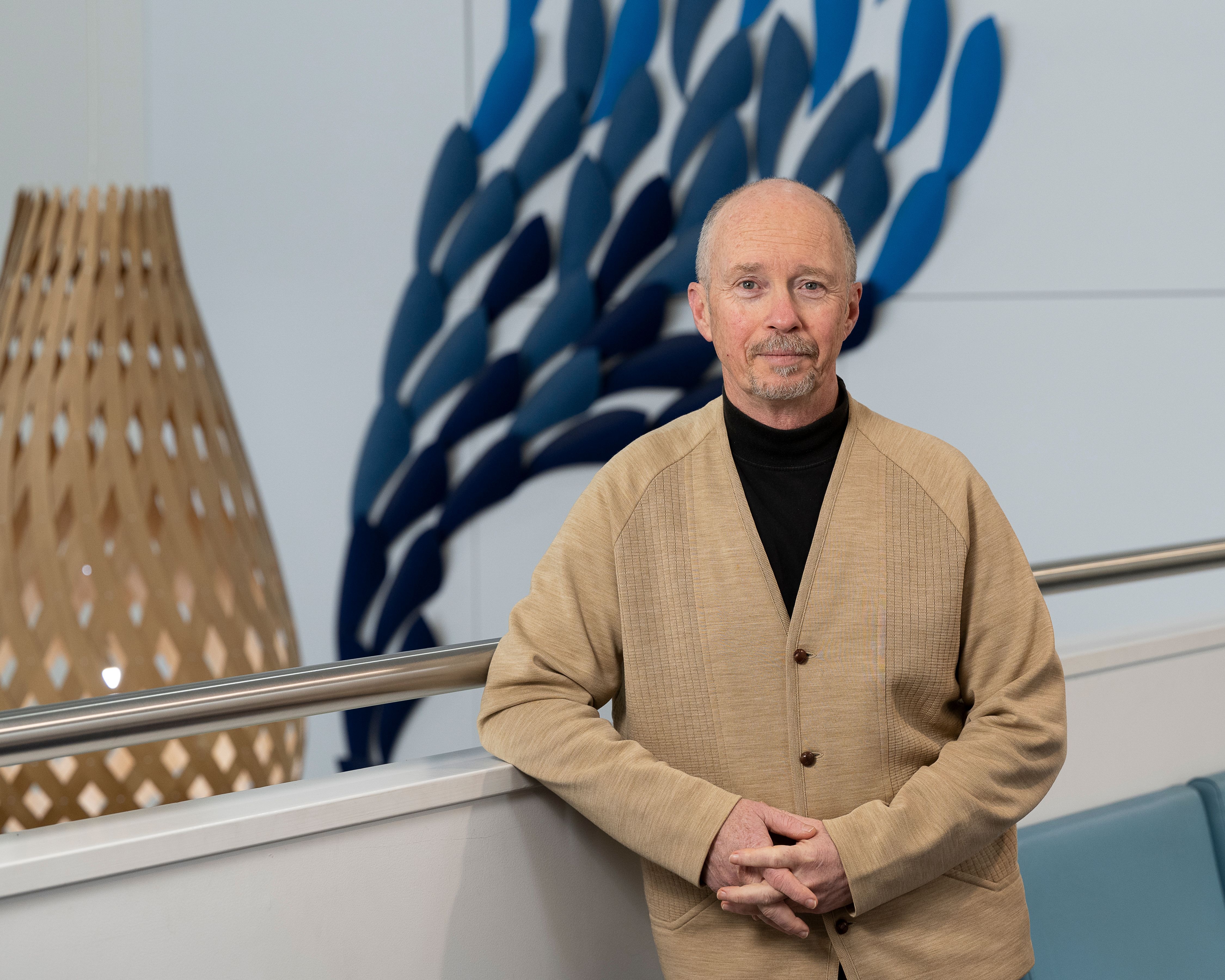
Dr Fergus Aitcheson, of Three Rivers Medical, told the Gisborne Herald to illustrate how the GP sector was badly underfunded and struggling with staffing levels while many practices were closing their books to new patients.
The man, an Ōpōtiki resident of more than 12 months, had been unable to enrol with a GP, but remained on the books at Three Rivers Medical, Aitcheson said.
The GP sector, already claiming years of underfunding, has criticised Health NZ’s increase of 4% to core general practice funding (or capitation funding) at a time when it has been calculated the annual increase in the cost of providing healthcare is 5.58%.
Instead, the Government will allow GPs to increase fees by up to 7.76%, which with the 4% funding increase matches the 5.58? figure, according to Health NZ.
Aitcheson said the GP sector was in a grave situation.
“Many people don’t realise that the $19.50 they pay to attend a GP in Gisborne covers only a tiny fraction of the real cost of providing the service.
“The Sapere Report (which in 2022 reported on the capitation funding system for GPs) estimated that cost at $360 an hour.
“The basic problem is that capitation payments do not rise with the Consumer Price Index (CPI), and have been lower than the CPI for 20 out of the last 21 years.
“We rely on capitation funding to make up the difference, and when it falls short, as it has done for the last 20 years in a row, the practices have to absorb that cost.
“This is now becoming untenable for many.”
Aitcheson said the crude methodology of capitation payments failed to account for determinants of healthcare need, such as ethnicity and socioeconomic status.
“For a practice like Three Rivers, which serves a socioeconomically deprived population with a high proportion of Māori and Pasifika patients, the extent of that underfunding is in excess of 200% – i.e. we are trying to provide a service with less than half the core funding required to do so.”
Health Minister Dr Shane Reti said the Government had invested more money in health than ever before, and in a challenging financial environment.
“The total primary care, public and population health appropriation uplift for 2024/25 is an additional $531 million.”
Aitcheson said deficient funding in the GP sector had led to issues with recruitment and retention.
“We are competing in a global marketplace for clinical staff, but simply can’t match the salaries on offer in, for example, non-metropolitan Australia, where people are being offered twice the salary achievable in Aotearoa.
“As a result, GP numbers in New Zealand are low and falling.
“In most states of Australia, there are 100-120 GPs per 100,000 population. In New Zealand, that number is 74 and is predicted to fall to 70 by 2030.
“Young doctors looking to choose which specialty to enter face a potential practice-lifetime salary gap of $2m to $3m if they opt to specialise in general practice rather than a hospital-based field.
“That is not a compelling recruitment incentive.”
General practices in New Zealand were trying to maintain a service “on half the required funding and two-thirds of the required staffing”.
The GP sector was “belt-tightening”.
“Over half the practices in the country have closed their books, leaving hundreds of thousands of people without a registered GP,” Aitcheson said.
“Many practices have exited after-hours and weekend care because they lose money remaining open during these times.
“As a result, patients requiring care that cannot be provided by telehealth services attend EDs, which are themselves overloaded.”
Doctor, an online magazine for health professionals, said the Government was leaving it to patients to pick up additional costs.
Hauora Taiwhenua Rural Health Network has described the 4% offer as “disrespectful”.
“The Government is putting a further burden on the average person who is already experiencing a cost-of-living crisis, let alone the financially disadvantaged who can’t currently afford to visit their doctor,” a Hauora Taiwhenua spokesperson said.
A spokeswoman for Turanga Health said its Te Karaka general practice was one of the few in New Zealand where registered adult patients who lived in the area could be seen for free.