H5N1 bird flu threat: Department of Conservation to vaccinate endangered native birds
The Department of Conservation will begin vaccinating some of New Zealand’s most threatened native birds to protect them against the highly virulent H5N1 bird flu strain, should it arrive here.
H5N1 has been spreading globally, causing large die-offs among wild birds, seals and sea lions, as well as significant losses in farmed poultry.
While the strain is not yet present in New Zealand, it has recently been detected in migratory seabirds in Australia.
That development has triggered precautionary vaccination efforts for some of the country’s most critically endangered species.
The Department of Conservation (DoC) is working with the Ministry for Primary Industries, the Ministry of Health and Health New Zealand Te Whatu Ora under a One Health approach to prepare for a possible incursion.
Last year, DoC completed what it described as a world-first research trial on five native bird species, showing the vaccine was safe and effective and could help protect them from avian influenza.
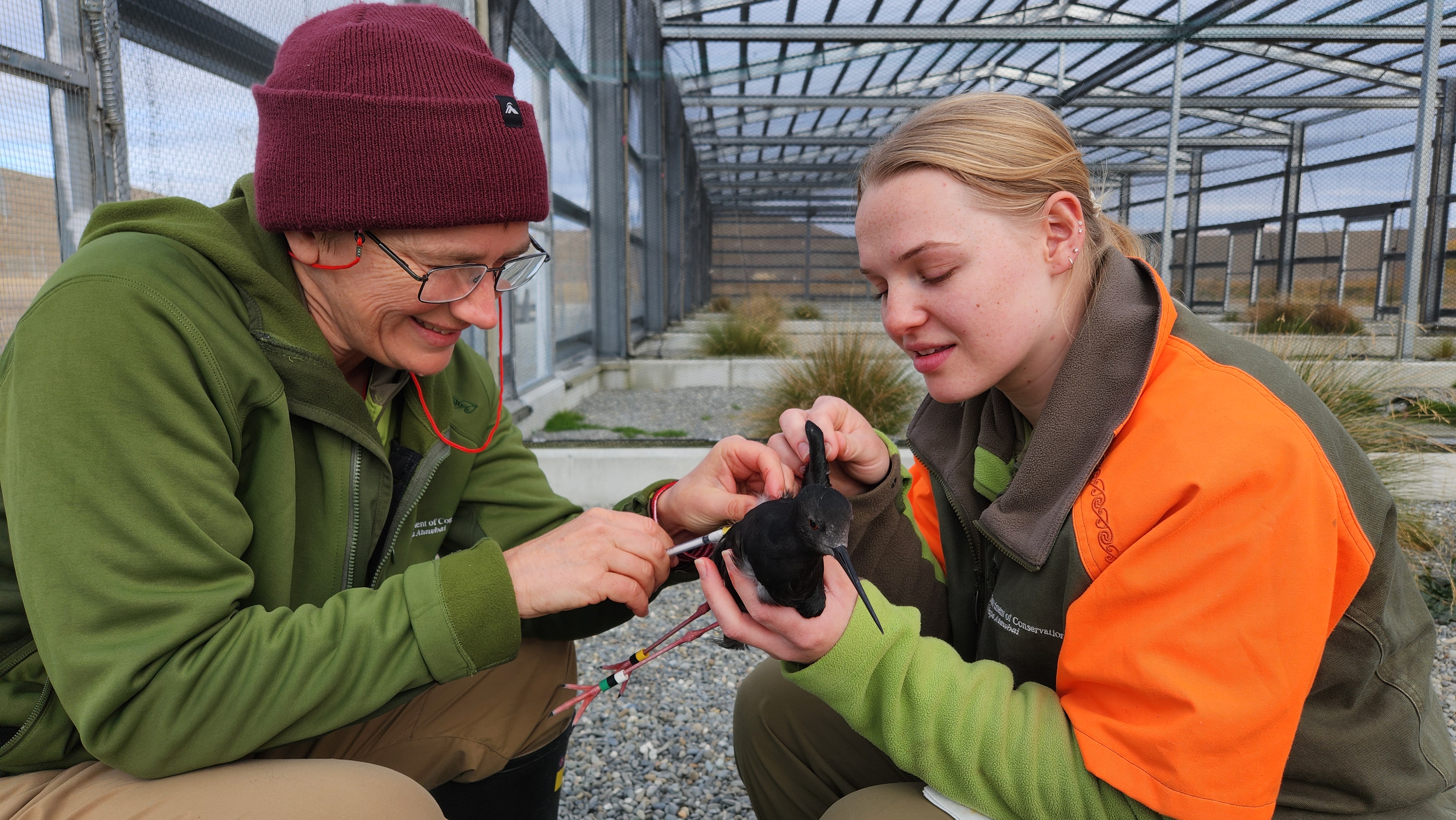
Vaccination will now begin with kākāpō, takahē, tchūriwat’/tūturuatu/shore plovers, kakī/black stilts and kākāriki karaka/orange-fronted parakeets.
About 300 core breeding birds across these species will be vaccinated.
Most are in captivity, while kākāpō and takahē are managed on offshore islands.
DoC senior science adviser and wildlife veterinarian Dr Kate McInnes said the species were chosen because of their extremely small populations and reliance on intensive conservation management for survival.
“We’re in a unique position to be able to vaccinate some of our most vulnerable birds as a precaution before H5N1 bird flu potentially arrives here,” she said.
“We’ve seen the devastating impacts of this virus on wildlife in other parts of the world, and we want to reduce the risk to our precious native birds where we can.”
She said it would not be possible to vaccinate all endangered birds if the virus arrived, so efforts were being focused on those where a full two-dose course could be safely delivered.
A team of DoC veterinarians and trained staff will administer the vaccine, supported by rangers and facility teams. Work is beginning this month to avoid the breeding season and allow immunity to develop before spring.
The Ministry for Primary Industries has approved the vaccination plan and authorised release of the inactivated vaccine, which contains a dead virus and cannot cause infection.
DoC has also worked with iwi, species recovery groups, wildlife facilities and conservation organisations on response planning.
Officials say early detection will be critical.
People spending time outdoors, including trampers, duck hunters and birdwatchers, are being urged to take precautions such as avoiding sick or dead wildlife, cleaning gear and reporting unusual deaths.
Anyone who sees three or more sick or dead birds, marine mammals or other wildlife is asked to contact the Ministry for Primary Industries exotic pest and disease hotline on 0800 80 99 66.