Israel-Hamas war: Military response will not work in Gaza Strip war, say professors
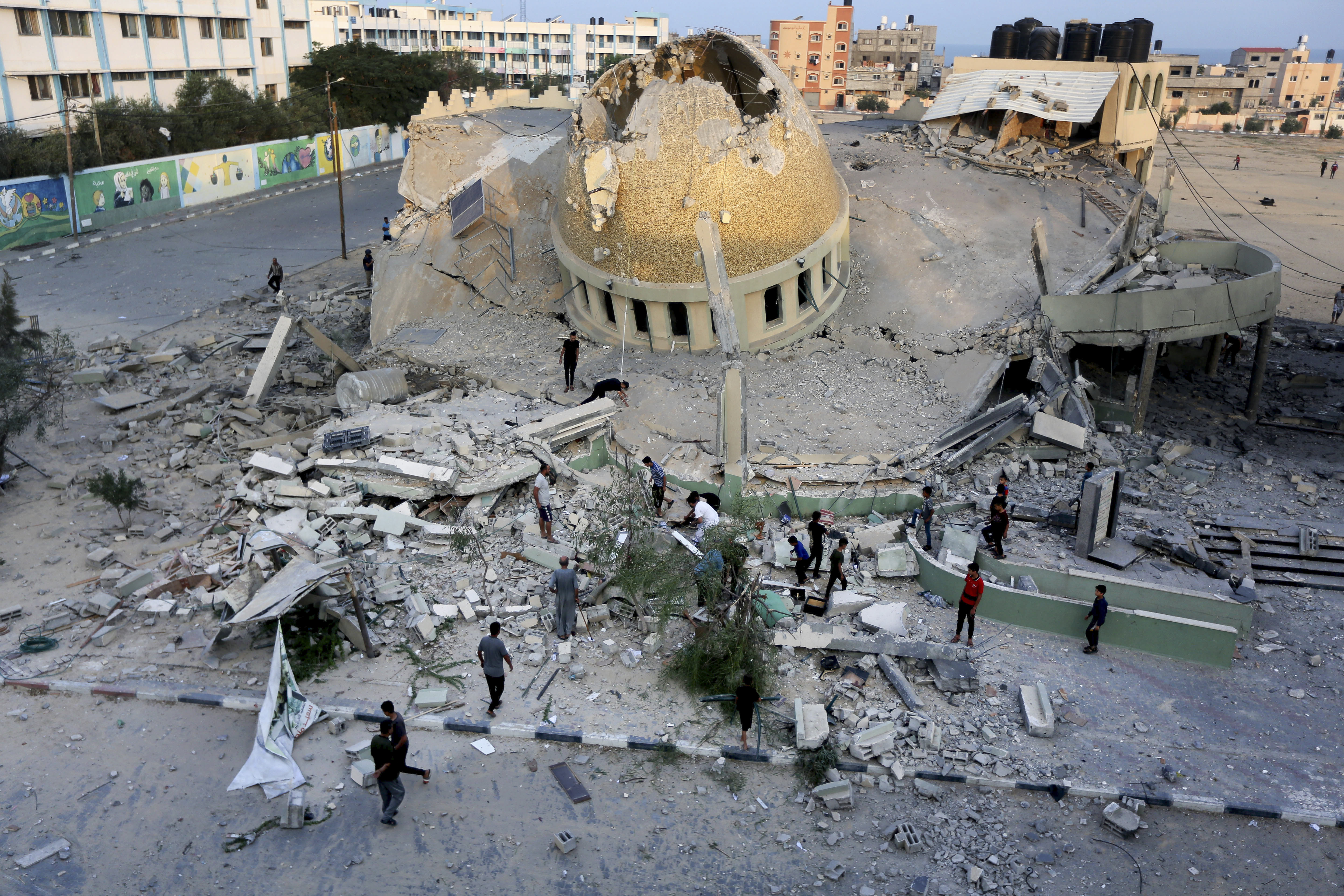
The violence between Israel and Hamas seems set to escalate further, two University of Otago professors warn.
However, international relations Professor Robert Patman said a military response to a political issue would not work as a long-term solution.
This follows the attack on Israel by Palestinian Islamist group Hamas on Saturday, the biggest it has launched in years.
As of yesterday, the death toll stood at over 500 — at least 250 Israelis, as well as at least 313 Palestinians killed in retaliatory attacks on the Gaza Strip.
“I think unfortunately, we’re entering a grim end game where the Israeli government, following the shock attacks, is vowing vengeance,” Patman said.
Israel was much more powerful than Hamas, but its attempt to neutralise the group’s military capabilities occurred in one of the most densely populated regions in the world.
“I fear that the sort of civilian casualties we’ve seen already in Israel will be multiplied by several times in ... the Gaza Strip territory in the near future.”
Exterminating Hamas, which he “absolutely condemned” for its attack, would not solve the underlying issue; Palestinians wanted the right to self-determination.
The conflict with Israel had already been ongoing for at least seven decades, but Palestinians were no closer to having their own state, he said.
“I’d like to see high-level diplomatic action designed to address the causes of the conflict between the Palestinians and Israelis, not just window dressing with the symptoms.”
Terrorism was not confined to non-state actors such as Hamas, and many Palestinians felt they had been on the receiving end.
The Gaza Strip had been under a blockade for 17 years.
“That’s meant that humanitarian conditions have been desperate for a long time, and the blockade, by the way, under international law is an act of war.”
The United States was in a difficult position as a mediator in the conflict because it was committed to the Israeli side.
The international community needed to end the cycle of violence, although he was not confident it would, especially given the configuration of the United Nations Security Council.

Politics emeritus Professor Bill Harris also believed escalation was all but certain.
He questioned how much longer Israel’s border with Lebanon would stay quiet.
The surprise attack by Hamas had left the Israelis “humiliated”, as they had missed it despite their intelligence apparatus.
More engagement between Israel and Arab states was needed for a resolution.
“That actually has been progressing in recent years despite the rather discouraging demeanour of the sort of government that Israel has at the moment.”
A deal between Israel and Saudi Arabia would be a major element in stabilising the area, and negotiations towards normalising relations between the two countries had occurred.
However, the Hamas attack had “blown it out of the water”.
The development was not something Iran — the backer of Hamas — was happy with, he said.
It was important to consider how interwoven the conflict was with other issues in an intricate part of the world.
For example, there were connections to the Ukraine crisis.
Iran was the leading weapons supplier for the Russians, and had been dealing with internal dissent.
“These factors have all given rise to give an incentive to Iran to display its own capability.”