HDC finds nurse disregarded patients’ rights in strip search case after meth pipe dropped in ward
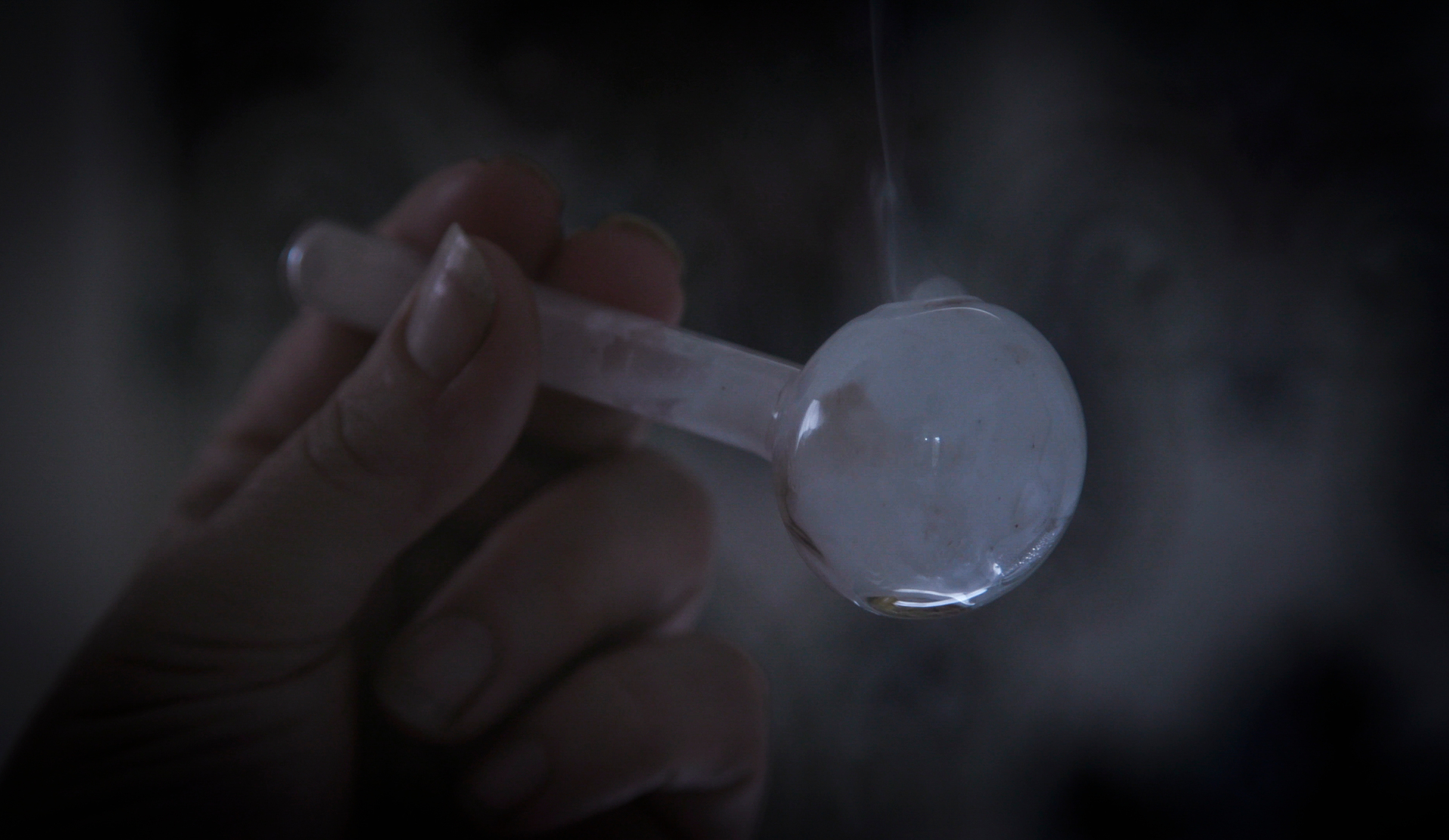
Two nurses strip-searched patients at a mental health ward after one of them dropped a meth pipe in front of staff.
The woman, who was a patient on the ward, had asked if she could get her money to buy tobacco from a man, who was then also searched.
The nurses had noticed others on the ward of the Auckland unit were acting hyper-vigilantly and suspected they were on drugs, which prompted staff to search the pair, the Health and Disability Commissioner (HDC) said in a decision out today.
Deputy commissioner Vanessa Caldwell said in finding one of the nurses in breach of the health consumers’ code, a strip search by its very nature impacted on the dignity and independence of an individual.
The impact could be more extreme in mental health patients who may be more vulnerable, she said.
Nursing council referred complaint
In July 2022, the HDC received a referral from the Nursing Council of New Zealand that two mental health nurses had carried out unauthorised and undocumented strip searches on two patients.
The council was told about the searches by Auckland District Health Board’s mental health directorate after it had been notified by a district inspector.
The man and the woman were at Auckland’s acute mental health unit for adults, Te Whetu Tawera, which provided mental health services for people in the Auckland and Northland regions.
Caldwell said although the search policy enabled strip searches to be carried out in particular circumstances, it recognised the sensitivity around them and set out certain requirements to ensure the safety of patients undergoing searches.
Caldwell said that after staff saw the woman drop the meth pipe she was strip-searched but there were differing accounts about who initiated it.
She said a subsequent investigation by Health New Zealand concluded, on the basis of the available information and the balance of probabilities, that one of the nurses initiated and led the search of the woman.
Health NZ’s policy on searching for illicit substances and hazardous items set out the circumstances under which searches, including strip searches, could be conducted, as well as the seniority of staff required to authorise such actions.
Strict rules governing strip searches
The policy acknowledged the traumatisation and re-traumatisation that could happen during personal or strip searches and required staff doing them to be the same gender as the person being searched.
They were only ever to be carried out if there was reasonable cause to believe the presence of such substances and there was a “perceived imminent risk of serious harm” to the person or others.
According to the guidelines, a senior nurse had to be told immediately and was then responsible for deciding which type of search should be conducted, based on clinical assessment.
Caldwell said the strip search of the woman was not recorded, no risk monitor report was completed as required and neither was the clinical charge nurse, who was also duty manager at the time, told about the search.
Neither was the search of the man in accordance with policy as the decision was not made by a senior nurse, a Health NZ investigation found.
Formal investigation starts two years after complaint
Caldwell said the HDC started a formal investigation in August 2024 into the care provided to the pair. A preliminary finding was that one of the nurses was in breach of a section of the Health and Disability Services Consumers’ Rights Code.
“This option was proposed as it was clear from the findings in Health NZ’s investigation that [the nurse] had failed to respect the dignity of Ms B and Mr A when strip searching them, or to comply with relevant policy and processes irrespective of who had initiated the searches,” Caldwell said.
The nurse accepted she had not provided the pair with an appropriate standard of care but said she had not “conducted” the search of the woman, but had “taken part” in the unauthorised search.
Caldwell said that was enough to find a breach.

She said in conducting an unauthorised search of the man and participating in the unauthorised search of the woman, the nurse failed to provide services to both in a manner that respected their dignity and independence.
The nurse was also in breach of the code through failing to comply with relevant standards, specifically Health NZ’s policy on strip searching patients.
Caldwell said the failure to comply was irrespective of who had initiated the search of the woman.
She recommended the nurse update the HDC on her current practising status and if still employed, provide information about the changes she planned to make to her practice, including further training.
Tracy Neal is a Nelson-based Open Justice reporter at NZME. She was previously RNZ’s regional reporter in Nelson-Marlborough and has covered general news, including court and local government for the Nelson Mail.