Health NZ admits failings after toddler’s obstructed bowel missed at Whangārei Hospital
Nearly two months after her toddler was rushed to Starship hospital for emergency bowel surgery, a concerned mother says she is still waiting for Whangārei clinicians to explain in person why his condition was not recognised as serious sooner.
Health New Zealand Te Tai Tokerau says it “sincerely regrets” the family’s experience and has acknowledged shortcomings in communication and the escalation of the child’s care.
Harpreet “Harman” Brar’s 15-month-old son was flown to Auckland’s Starship children’s hospital, where surgeons removed about 20cm of damaged bowel after discovering an intestinal obstruction.
The family’s ordeal began on May 10, when Brar and her husband took their son to Whangārei Hospital’s emergency department after he started vomiting repeatedly.
He was admitted for observation and blood tests, with doctors initially telling the family the results were unremarkable and that he had probably picked up a stomach bug from daycare.
Brar said his condition steadily deteriorated over the next day. He became increasingly lethargic, was unable to keep fluids down, stopped passing bowel motions and developed a swollen, firm abdomen.
“He couldn’t even sit because his tummy was getting bigger and bigger. He was just lying down, wasn’t moving much.”
Concerned that something more serious was wrong, Brar contacted a cousin in Sydney who is a nurse. After hearing about the symptoms and viewing photographs and video, he suggested the boy might have an abdominal obstruction or twisted bowel. He urged the family to ask doctors for more imaging.
Brar said she repeatedly raised those concerns with hospital staff and requested further investigations, including an ultrasound.
“I was literally crying and begging. I said, ‘Can you just do something? My son is not okay.’
“I said, ‘It’s been over 35 hours. You’re only giving him Pamol. You’re saying it’s a gastro or stomach bug. His tummy, his belly button is coming out. I’m telling you this is something more than that.’”
By Tuesday morning, nearly two days after his admission, she said she went out of her comfort zone – “I’m not a complainer by nature” – and demanded action from clinicians.
Within hours, arrangements were made to transfer the boy by helicopter to Starship.
Clinicians there immediately recognised the seriousness of the situation, she said.
“They said they are very concerned about his situation because he’s not looking okay and his blood tests and his physical health are saying two different things.”
Her son will eventually adapt to having a shorter bowel but could face future complications.
While grateful that her son survived, she said the experience left lasting emotional scars on the family.
And the delay in meeting with clinicians had prevented her from putting the experience behind her.
She lodged a complaint with Whangārei Hospital on May 15.
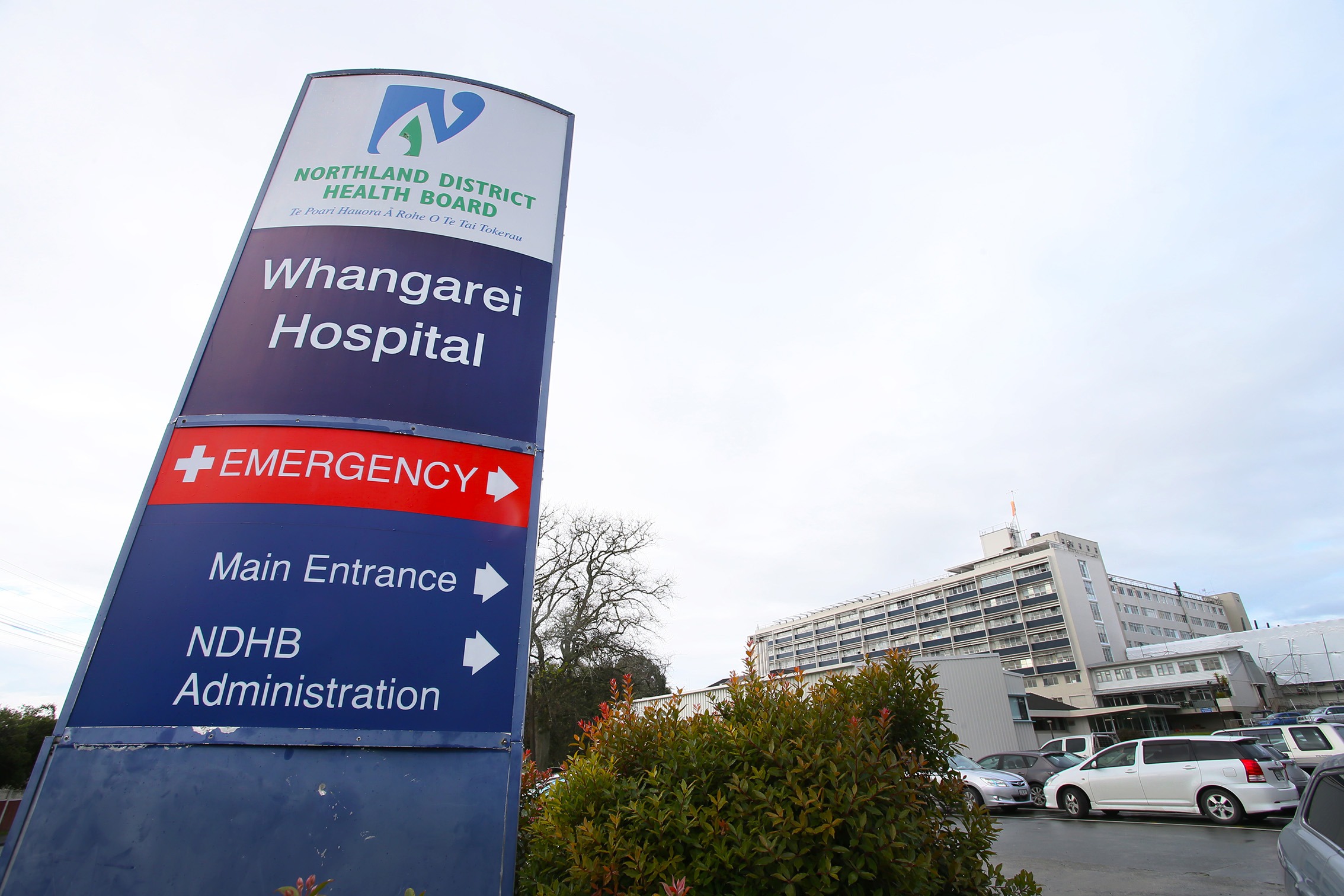
In a June 22 letter to Brar, Health New Zealand Te Tai Tokerau apologised for communication failures and said a review had identified shortcomings in the escalation of his care.
The review, undertaken by Whangārei Hospital’s paediatric and surgical teams with input from Starship specialists, found concerns about the toddler’s condition “were not escalated early enough to senior decision-makers” and that consultant-to-consultant discussions between Whangārei and Starship “did not occur at the appropriate stage”.
Health New Zealand said the case had prompted changes to escalation procedures, communication processes, interhospital referral pathways and staff education.
But Brar said apologies were not enough and the letter fell short of the accountability she was seeking. She was not initially offered the chance to meet the clinicians involved. Now that she has been offered a meeting, she has been told it cannot occur until the end of the month because a staff member involved is on leave.
Brar said meeting face-to-face was the only way clinicians could be truly held accountable for decisions she believed contributed to delays in the diagnosis and surgery her son needed.
“I don’t need their apology; it’s far beyond that. I want to understand how those decisions were made and what has changed since then.
“I really want to ask them, whatever made them say at the time that this is not life-threatening, it’s not an emergency. What’s their thoughts on that now?”
She said clinicians should reflect on the decisions made during her son’s care and on lessons that could prevent other children and families from experiencing the same ordeal.
She would wait to see how that meeting unfolded before deciding whether to take her complaint to the Health and Disability Commissioner.
Despite the pending meeting with clinicians, Brar said she still wanted to tell her story publicly.
“I don’t want any other mum or a child to go through that.”
Health New Zealand Te Tai Tokerau group director of operations Alex Pimm said Brar had been provided with a detailed written response addressing her concerns, and the organisation “would welcome the opportunity to meet with her to discuss any remaining questions”.
Sarah Curtis is a news reporter for the Northern Advocate, focusing on a wide range of issues. She has nearly 20 years’ experience in journalism, most of which she spent reporting on the courts in Gisborne and the East Coast.