How governments fail to tell the stories people care about - Michael Barnett

Storytelling has become one of the most important leadership tools in modern life. Whether in business, sport, community work or politics, the ability to tell a story that people can see themselves in is what creates engagement, trust and ultimately support.
If I were seeking funding to bring a world cup sporting event to New Zealand, I could tell a story about the value of sport in youth development. That matters. But I could also tell a broader story – one about the millions of dollars flowing into our economy, the boost to hospitality and retail, the hotel rooms filled, the jobs created and the confidence generated in our communities.
The second story reaches more people because it connects directly to their lives and interests. It creates buy-in because people understand where they fit within the outcome.
Too often, however, our governments – both central and local – fail badly at storytelling.
What many New Zealanders hear is noise about international affairs that feels disconnected from their daily reality, economic discussions wrapped in language most people never use, and policy debates so technical that the audiences politicians want to engage simply switch off.
Take the current conversation around artificial intelligence. Ministers speak about the importance of AI adoption while simultaneously highlighting the redundancies they hope technology will create within government departments. That is not a story of opportunity – it is a story of fear.
Most businesses have already been using technology to improve productivity for years. What is different now is the speed of change and the scale of the opportunity. The real story should be about how New Zealand trains and equips its workforce to thrive alongside technology, not how many jobs can be eliminated. Productivity gains matter, but so does confidence in the future.
The same failure exists in how we talk about economic recovery. Too much attention is given to the young talent that has left New Zealand, as though departure itself is the crisis. The more important story is the one about what happens when growth returns. If the economy recovers strongly, we will need skilled people. That means identifying future workforce shortages now and investing in training and development so New Zealanders are prepared to participate in that recovery.
Immigration is another example. The debate is often framed around what goes wrong when the system fails. Yet with smart planning and better execution, immigration can help fill critical skill shortages, support growth and strengthen communities. The story should focus on the benefits of getting it right, not simply the consequences of getting it wrong.
Even the government’s Budget – arguably the single most important economic story told each year – is presented in ways that alienate people.
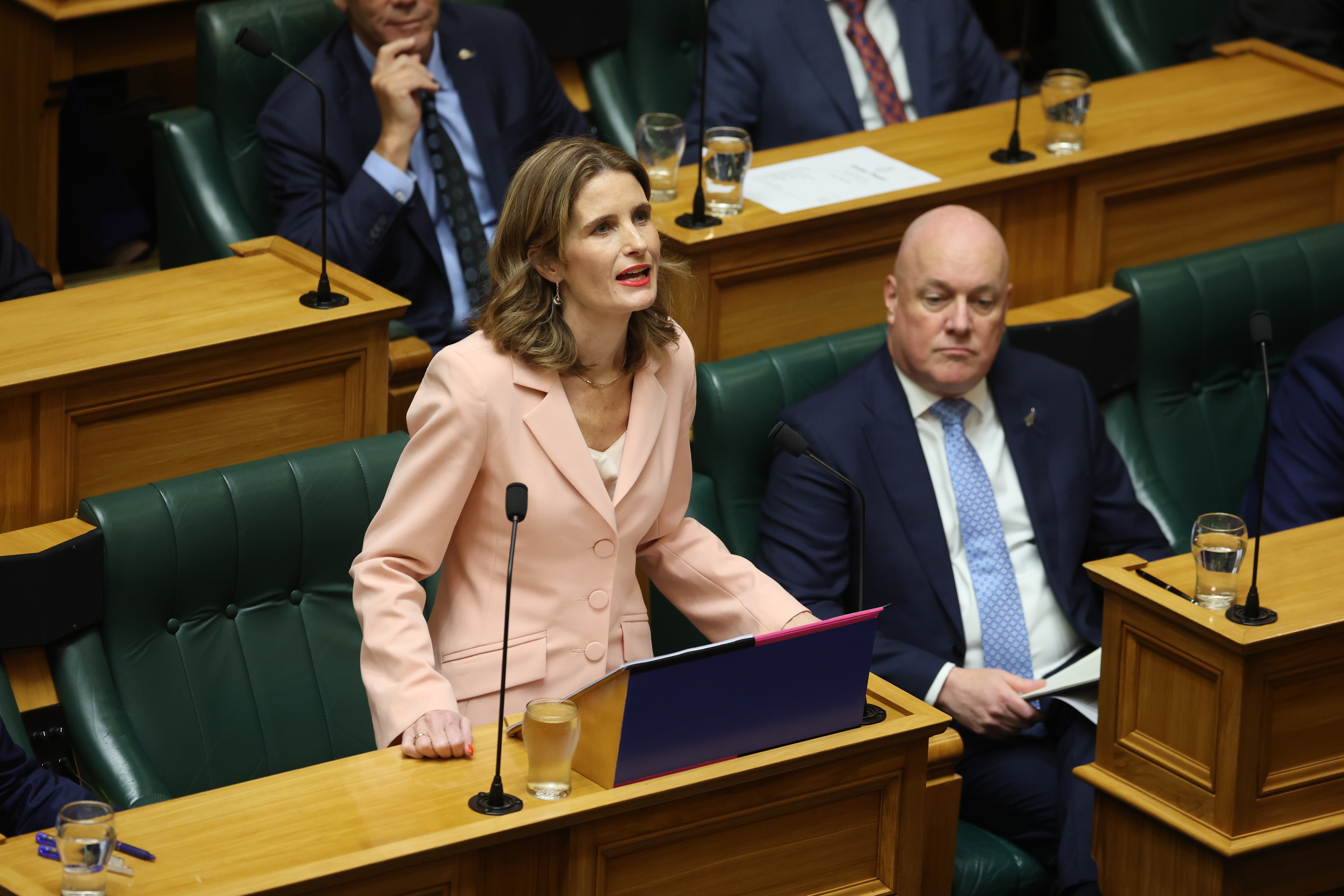
Most New Zealand families understand budgeting. They live it every week. They understand income and expenditure. They know what manageable debt looks like, when spending must be reduced, and when unexpected events require short-term adjustments. They understand financial pressure because they experience it personally.
Yet the language surrounding the national Budget often feels designed for economists, Treasury officials and political insiders rather than ordinary citizens. It is little wonder so many people disengage or assume that changing governments alone will somehow solve economic problems.
A better story would connect the country’s finances to the same decisions households make every day: how to grow income, reduce waste, prioritise spending and plan responsibly for the future.
Good storytelling does not simplify issues by making them shallow. It makes them relatable. It helps people understand not only what governments are doing, but why it matters to them.
If governments want greater public trust, stronger engagement and broader support for difficult decisions, they need fewer slogans and more stories people can actually see themselves in.
Catch up on the debates that dominated the week by signing up to our Opinion newsletter – a weekly round-up of our best commentary.