Kidney donation gratitude: Waikato man receives gift of life from stranger
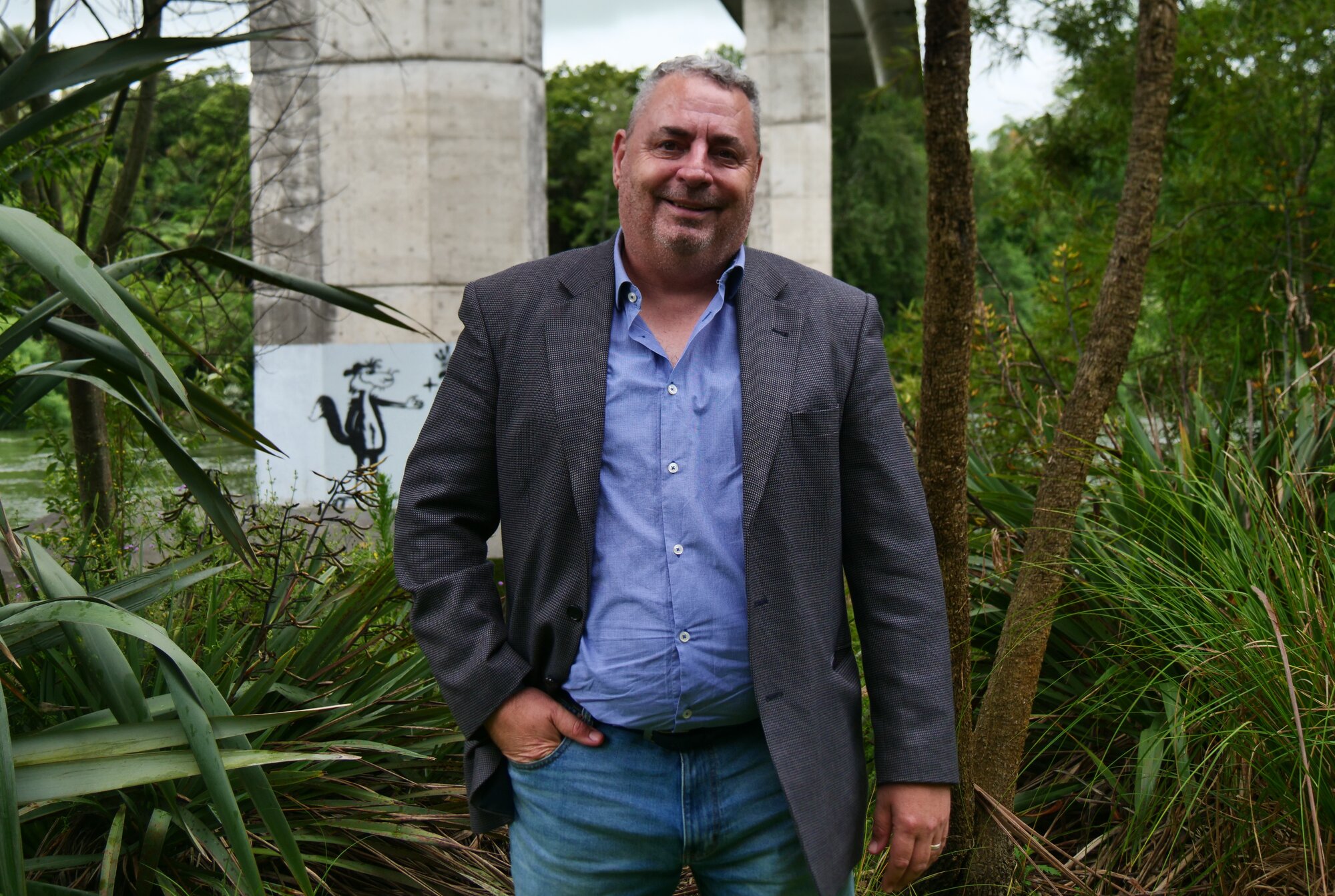
“I am not going to bulls*** you.”
That was the message Matamata real estate agent Stuart Brizzle, 54, received from his doctor over a year ago.
What was meant to be a routine prostate exam turned out to be far more serious.
His kidney function had crashed to 9%, and a tumour, likely cancer, was clinging to the only kidney he had left.
“I had three to six months to live,” Brizzle said.
Because of the potential for cancer, a donor was initially ruled out.
There was no manual, no auditions and no playbook for the most confronting conversation of his life.
“You just get told and you have to process that.”
After Brizzle and his wife attended a meeting with Waikato’s renal unit head together, they began planning how to explain this to their children on the way home.
A decision was made to keep life as normal as possible, Bizzle said.
“What I could control was my mind. I can’t control what’s happening in here. I can only control how mentally I approach the day, each day.”

Brizzle would do school drop-offs and pick-ups and go to work as normal.
Initially he went on haemodialysis, a treatment that acts as an artificial kidney.
“I’m chained to a chair three times a week, and you can’t live a life.”
A patient’s blood is circulated through a machine that filters out waste and extra fluid before returning the cleaned blood to the body.
“We came up with the concept of Daddy’s dishwasher.”
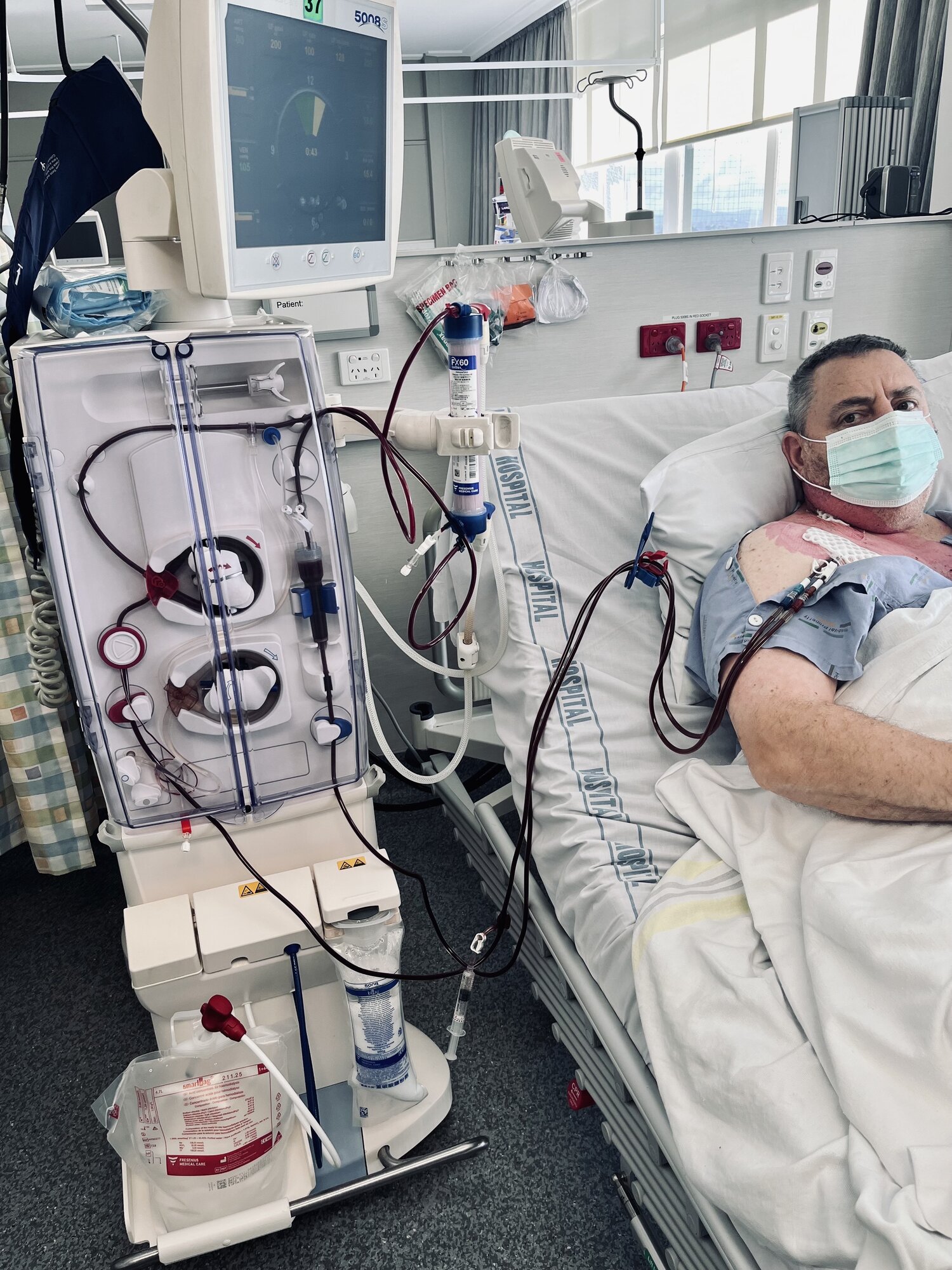
This was done to help his three children understand what was happening with their father, Brizzle said.
“We just reassured them the machine is doing the job that it needs to do, that Dad’s current part [kidney] isn’t working.”
His condition continued to deteriorate.
By late last year, his local renal team were doing everything they could to keep him stable at home, and alternative care options were being considered.
The tumour eventually turned out not to be cancerous and Brizzle was placed on the donor list.
But towards the end of 2024, Brizzle’s health had crumbled under a weight of constant lethargy, caused by toxins.
“Honestly it was not good.”
Then came the call that changed everything.
“I didn’t recognise a number. I hung up on the doctor twice,” Brizzle said.
In late 2024, Auckland City Hospital’s transplant team phoned to say they had found a near-perfect donor match.
He needed to be on a hospital bed within four hours.
“When I got that call my kidney function was down to around 2%,” he said. “Today it’s close to 90%. I’ve been given time I didn’t think I had.”
Brizzle spent six weeks recovering in hospital and describes the months since as “bumpy but steady”.
“The surgery was seven hours long. I came out the other side battered and bruised, but pretty good.”
Now the recovery process begins.
“It’s major surgery, like getting a new body.”
Brizzle will take 10 pills a day for the rest of his life, and the kidney will need continual monitoring.
“It is just first-world problems, innit.”
He’s now back working as a real estate agent and has started supporting others going through similar diagnoses.
Organ Donation New Zealand says organ donation is an extraordinarily rare event – possible in fewer than 1% of all deaths nationwide each year.
Of those, grieving families must make a generous and life-changing decision on behalf of their loved one.
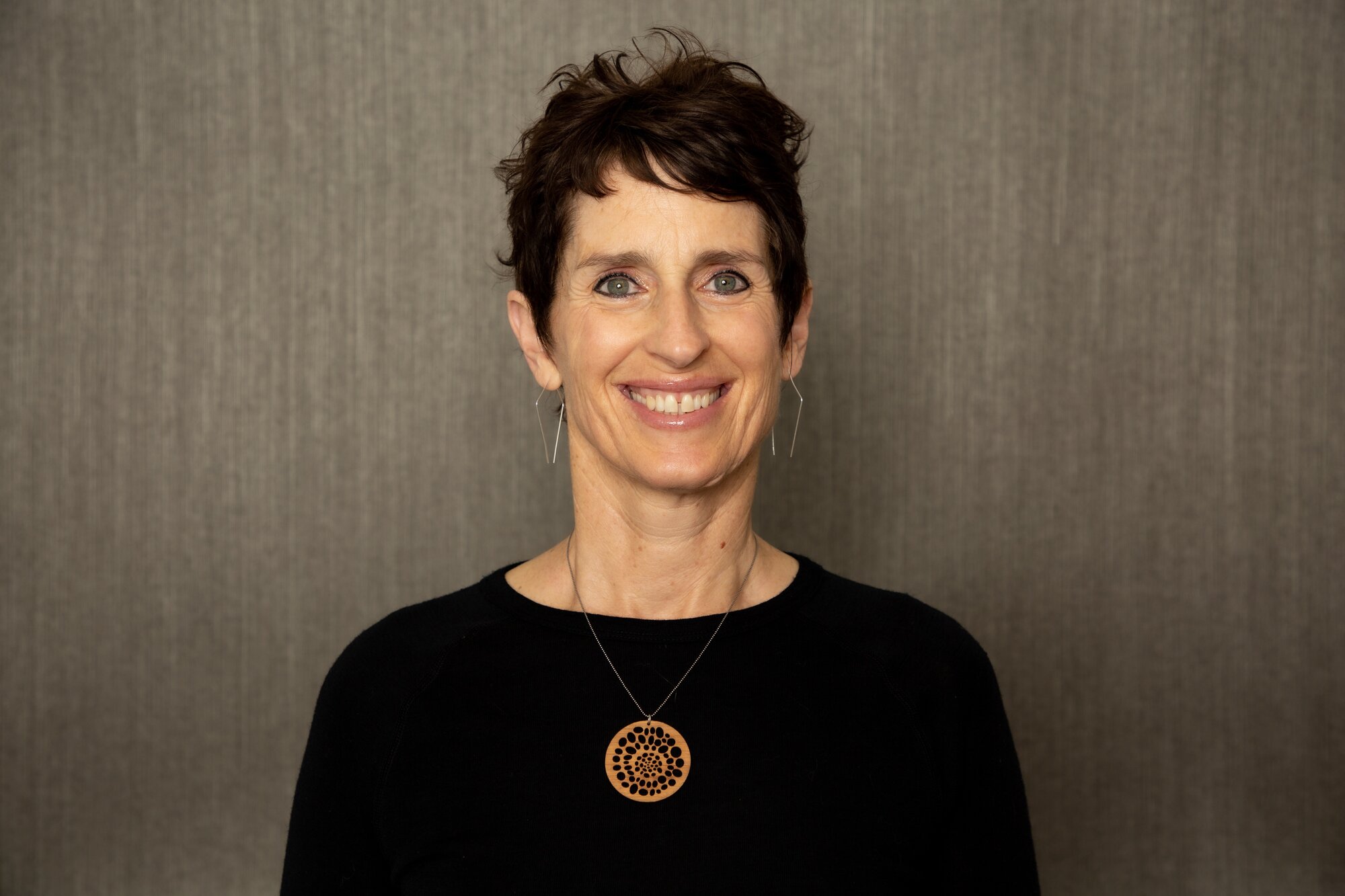
ODNZ donor co-ordinator team leader Sue Garland said every successful donation requires “so many delicate pieces to align”.
“The circumstances, the timing, finding a match – it’s all incredibly precise,” she said.
“Thank You Day is a moment to pause and acknowledge the generous final act of donors and their whānau. We also recognise every person involved in the process – clinicians, nurses, coronial staff and those responsible for safely transporting organs.”
This year, ODNZ is inviting people across Aotearoa to share their stories or messages on a new digital “Thank You” page, launched especially for Thank You Day and intended to grow into a year-round space of gratitude.
Garland says understanding a loved one’s wishes can make an emotional situation less overwhelming.
“The importance of donation conversations cannot be overstated. Knowing with certainty what your loved one wanted can support whānau to make the decision that feels right for them.”
One donor has the potential to transform the lives of up to 10 others.
Last year, with the support of their whānau, 70 deceased donors enabled more than 200 New Zealanders to receive lifesaving kidney, liver, heart, lung or pancreas transplants.
Many more received tissue donations including corneas, skin, heart valves and sclera.
Brizzle hopes more people will consider being a donor.
“Someone I’ll never meet saved my life,” he said. “Their generosity means I get to keep being a dad.”
Tom Eley is a multimedia journalist at the Waikato Herald. He previously worked for the Weekend Sun and Sunlive.