Mortuary makeup: Inside the art, science and tricks of makeup for the dead
Foundation, fillers, orange peel and tints are part of the toolkit used by morticians to make dead bodies look more lifelike. Jane Phare investigates the secrets of mortuary cosmetology.
There’s no escaping the death of an elderly family member. The hours, sometimes days, spent in a family vigil, waiting for the final, drawn-out breath. And when that comes, there is just stillness, a sallow, sunken complexion and an open mouth. Nothing like the mother, father or elderly relative you have known and loved all your life.
We were all there in Tauranga Hospital to farewell an elderly family member last year. A week later, we gathered at Purewa Cemetery in Auckland to meet the funeral director who had driven her up from Tauranga.
He slid back the coffin lid so the family could say a last goodbye, and there she was, transformed. She looked pretty and sweet, as though taking a peaceful nap before popping out for a high tea. Her makeup and pink lipstick were perfect, her hair neatly styled, her dress immaculate.
Elise Williams, from Hope Family Funerals in Tauranga, is pleased to hear that. She was most likely responsible for the result.
Williams, 35, has been a funeral director, specialising in makeup, for the past four years, leaving behind a 12-year career as a beautician.
“I had always wanted to be a funeral director because it’s such a special time for families.”
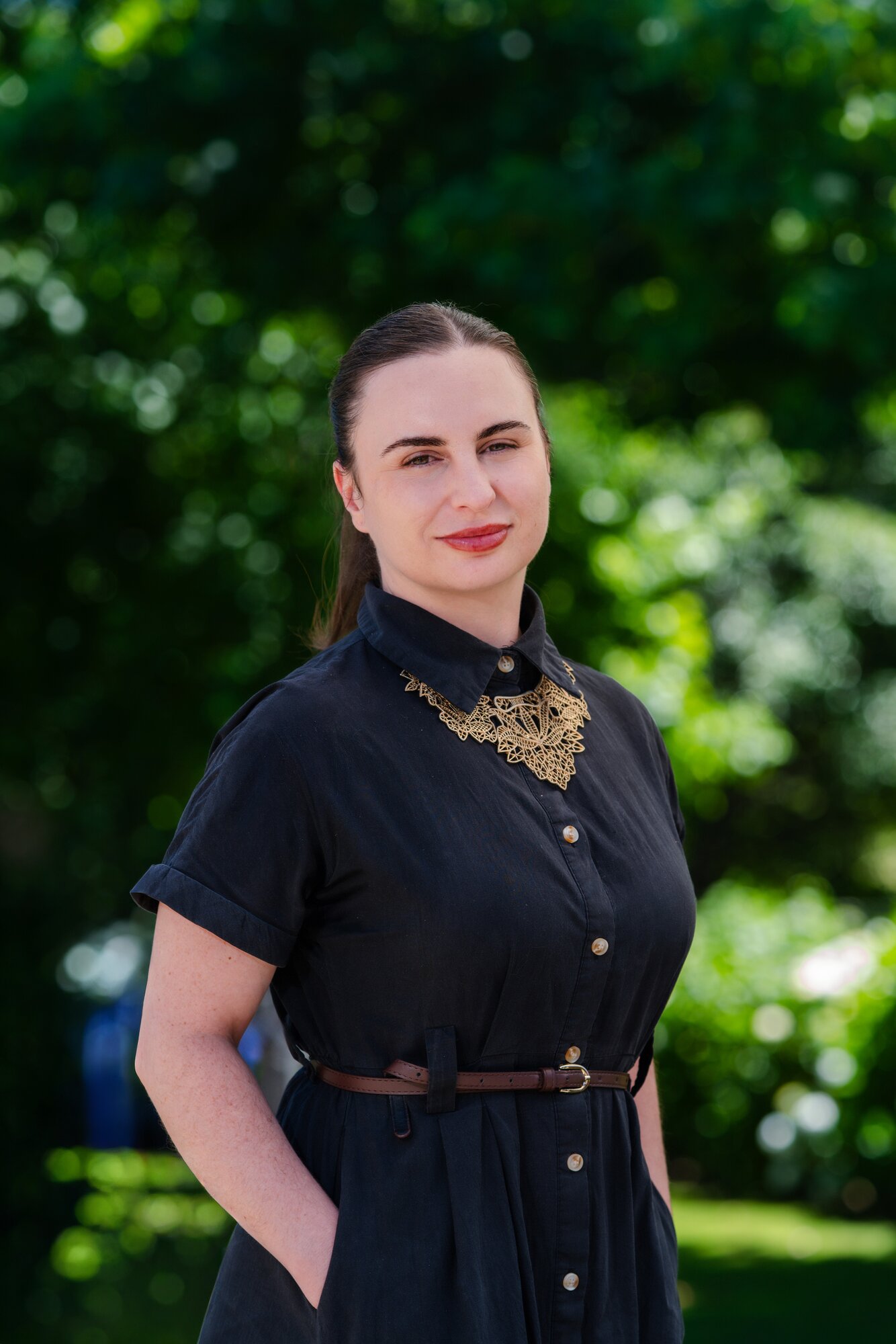
When Williams was 12, she lost three close family members within two years. She remembers that time, meeting new relatives and learning about the childhoods and early lives of those she’d known only as elderly.
“It was really special. It ends up being a bit of a family reunion sometimes.”
Williams has a Bachelor of Social Work but, after joining Hope Funerals, trained on the job. She’ll often ask the bereaved family for a photograph of their loved one so she can get the details correct, including how they like their makeup done and which side their hair is normally parted.
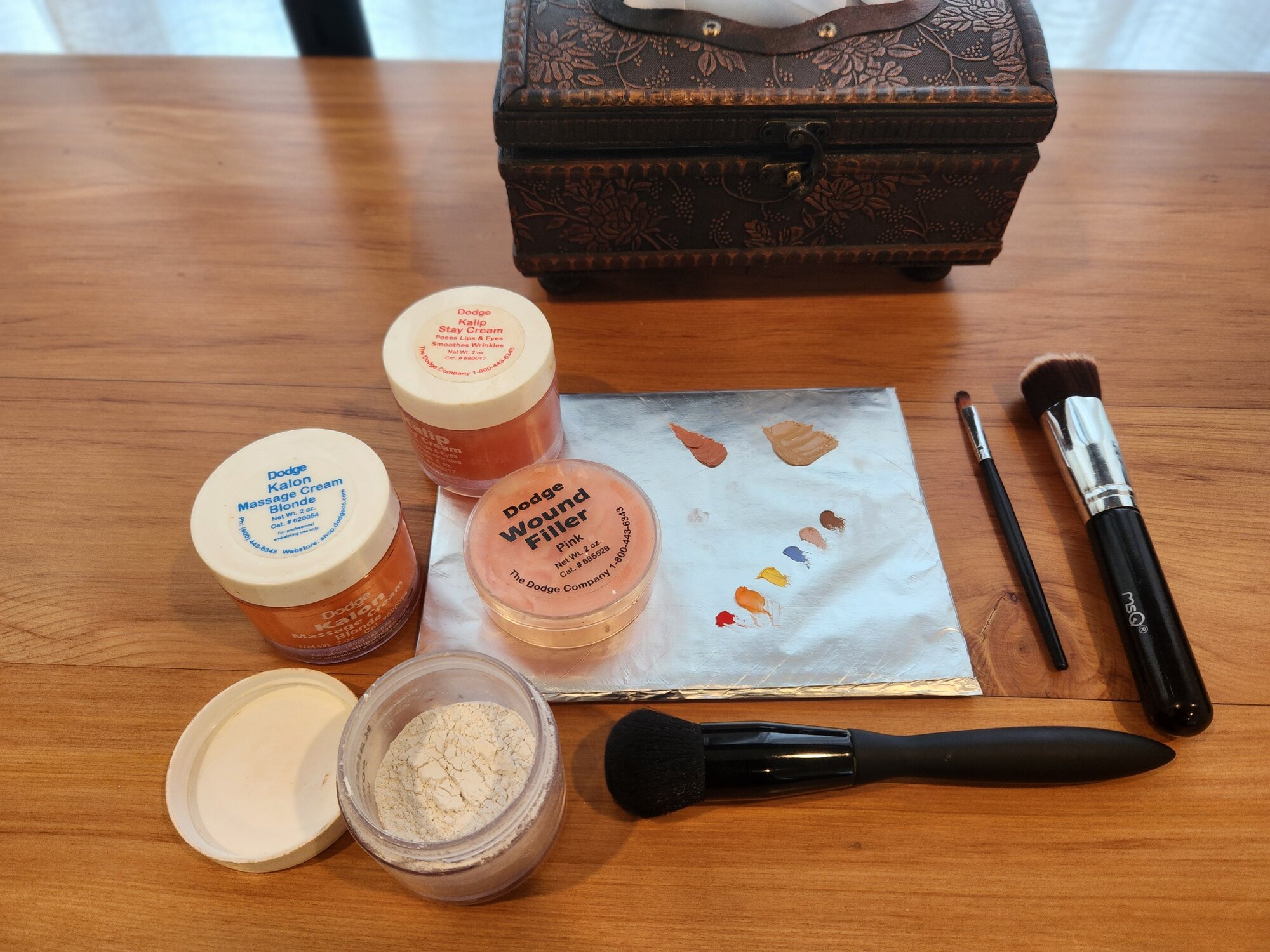
Older women often don’t wear much makeup so she’s careful not to overdo the look, she says. And she uses a less-is-more routine with men, sticking to moisturiser and adding light foundation only if necessary.
“If it is some Kiwi bloke, you certainly don’t want him looking like he’s all covered in makeup.”
The art of mortuary cosmetology
Some families elect not to have the body embalmed - there are no rules saying they have to. At Fountains the “professional fee” is the same, whether or not the body is embalmed and has makeup done.
Some other funeral homes charge separately for embalming and makeup. Funeral costs can range from $3000 for cremation up to tens of thousands of dollars for a more elaborate event.
Many families and cultures prefer a more natural, less chemical approach. Others don’t want makeup used - or injuries or bruising concealed. But for those who do, there are tricks of the mortuary cosmetology trade.
Even if the family doesn’t want to see the body of their loved one before the coffin is sealed, funeral directors say people can change their minds at the last minute, so each body is presented with care.
The first step is to wash the body and embalm it in the mortuary. The embalmer will set the features, making sure false teeth are in, and the eyes and mouth are closed.
To overcome the sallow greyness of a complexion, embalmers will add tints to the embalming fluid. An open mouth is gently sutured shut from the inside until the lips meet naturally.
Because the body loses fluid after death, sunken eyes are covered with little curved caps placed beneath the eyelids, which are then sealed shut with glue or gel. The body is dressed in clothes provided by the family and hands are placed either by the person’s sides or across their chest during the embalming process.
Embalmer Mary Shilling, 38, has her own bag of tricks, some of which she shares, while keeping others a mortician’s secret.
She’s been an embalmer for 13 years after completing a diploma in embalming. Now working for Fountains Funerals in Papakura, she’s left the industry a couple of times to pursue another career but has always been drawn back.
Does she love it?
“I actually do, I really do love embalming. I’m one of those weirdos that really just loves it.”
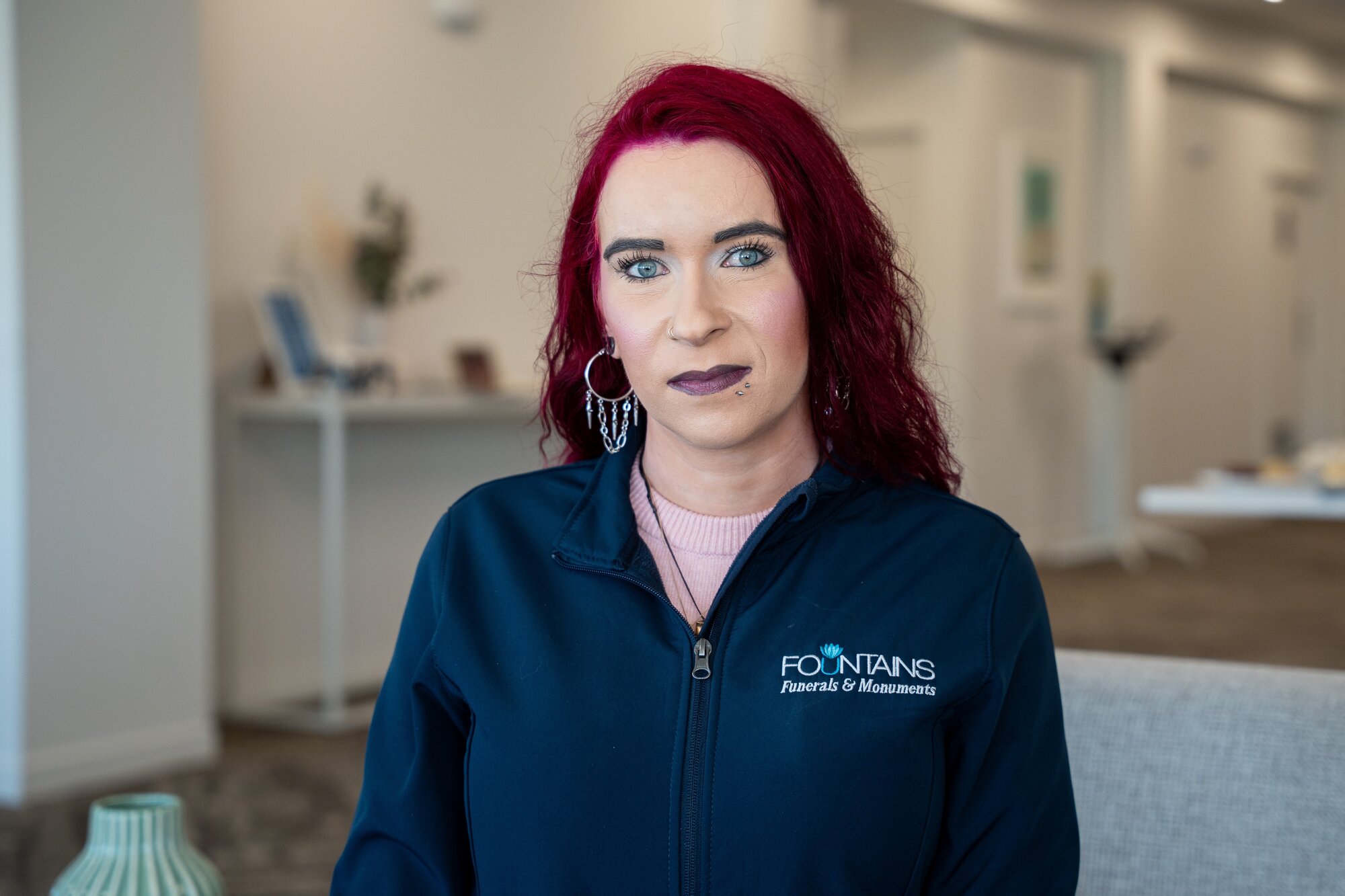
At school she was fascinated by the way ancient Egyptians prepared their dead for burial through mummification.
“Even now, I’m so interested in the science and the art behind it.”
Shilling’s 14-year-old son is not so keen.
“My son absolutely despises what I do. Thinks it’s disgusting.”
In a social setting, when people ask Shilling what she does as a job, the answer either brings a barrage of curious questions or an awkward silence.
“They’ll either want to know more, or the conversation stops there.”
Shilling has her own palette of dyes she adds to the embalming fluid to give the body a natural colour and glow. And she has her own methods to plump out sunken cheeks.
“I will use a solution, and I get a needle and a syringe and pretty much give them fillers.”
Getting the skin to look right is an art. She’s even used an airbrush in the past for fine detailing. To recreate pores in a man’s face, smoothed out in the embalming and makeup process, she’ll use a technique with a sponge or press the skin with an orange.
Red patches are covered with a green base before the foundation is applied. Purplish blue is disguised with a yellow base. A heavier mortuary foundation is used to cover bruises or grazes, although some families don’t want them covered.
Not fast enough for the police
Wendy Bygrave has been a funeral director at Fountains Funerals for 24 years, managing both the Papakura business and the Pukekohe branch. She always wanted a career that involved helping people; she considered the police force, but couldn’t run fast enough. She’s worked in a hospital in the past and was always interested in the mortuary.
“It’s something that never bothered or scared me.”
The industry is unregulated, so anyone can become a funeral director, but embalming is a special skill, she says.
“You can embalm a body, and you can embalm a body.”
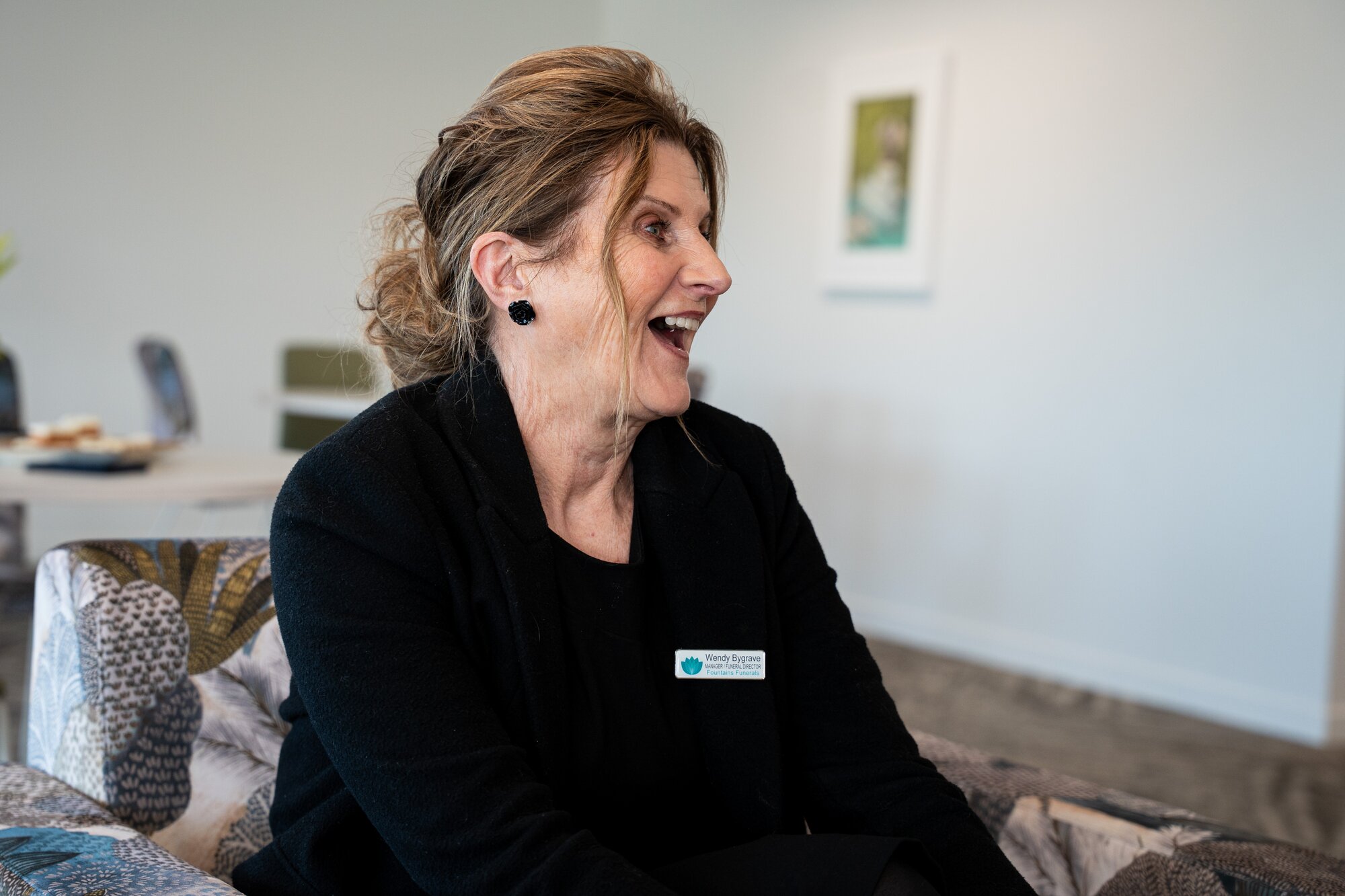
The three embalmers at Fountains are trained to know how to mix the chemicals depending on the skin colour, whether it’s an elderly person on medication, a child, how long a body needs to be preserved if it is travelling overseas, or someone who has died as a result of trauma.
With a hint of pride, Bygrave, 59, leads a tour of the sprawling Fountains Funerals building, which recently had a major renovation.
The building is, in a tasteful way, death by layers. On the top floor is a large, airy reception room and outdoor deck where guests can gather after a funeral service. Sandwiches, cakes and savouries are laid out ready for a ceremony that is nearly over when the Herald visits.
Downstairs is a large chapel and three viewing rooms (one of which can double as a small chapel) in which family members can visit the body before the coffin is sealed.
The viewing room is warm, the lighting soft. A photo of the loved one shows on a TV screen and below is a memorial book of photos that Fountains prepares for mourners to sign. There are extras: tissues, scented candles, bottles of water. One family wanted to bring their father’s beloved dog for a final goodbye, so Bygrave made sure there was a bowl of water and a bag of doggie treats at the ready.
Down in the basement, the temperature drops considerably. It is here that the work starts, in the mortuary for embalming and next door in the “trim room”. Here, bodies are lined up on trolleys under shrouds, waiting for Shilling and the other staff to work miracles.
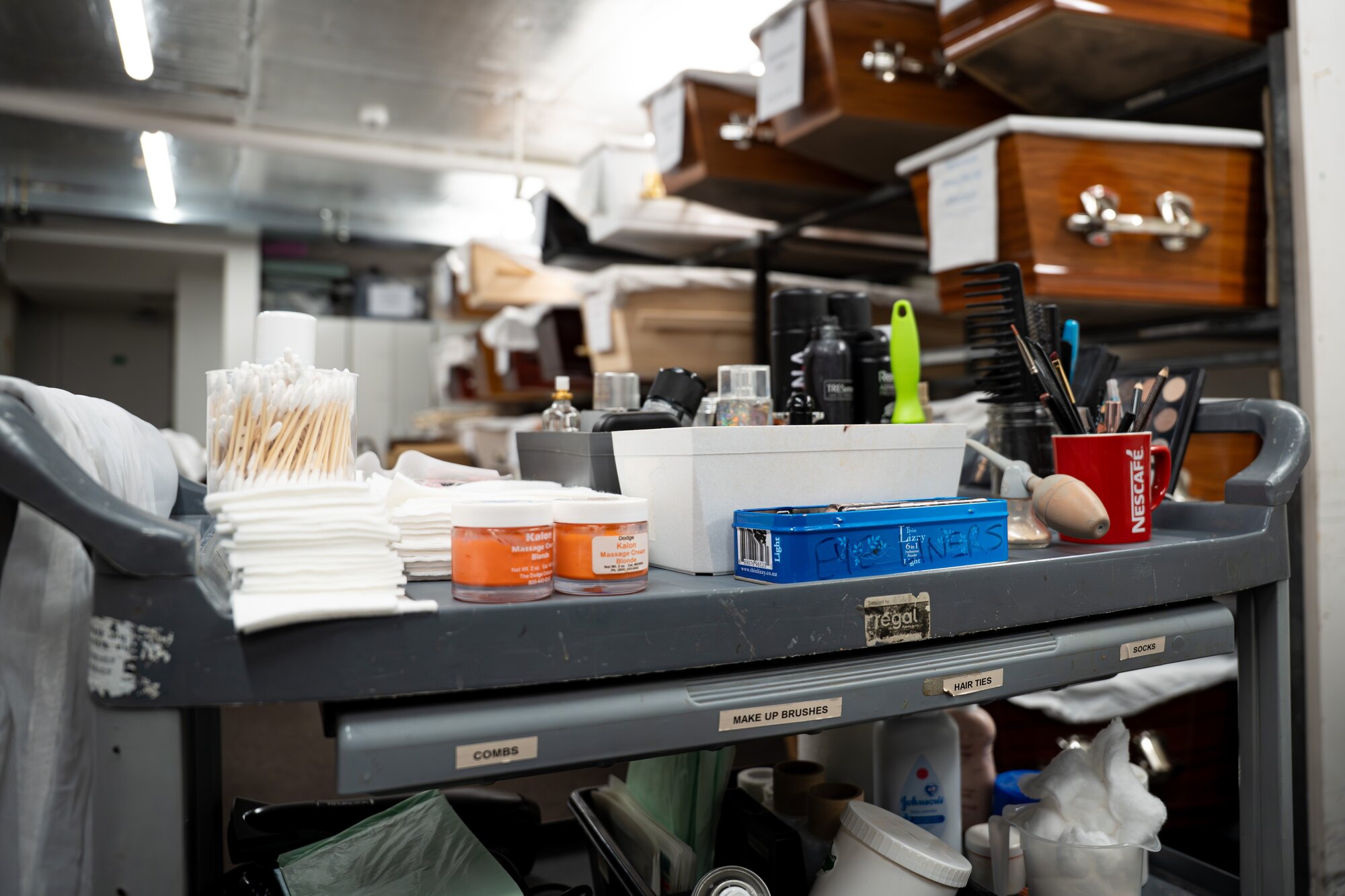
In the centre is a large trolley stacked with cosmetics, perfume, makeup brushes and sponges which could belong in any beauty parlour. In the hair salon section are hairdryers, curling tongs, hair rollers, straighteners, and a selection of mousses, gels and hairsprays.
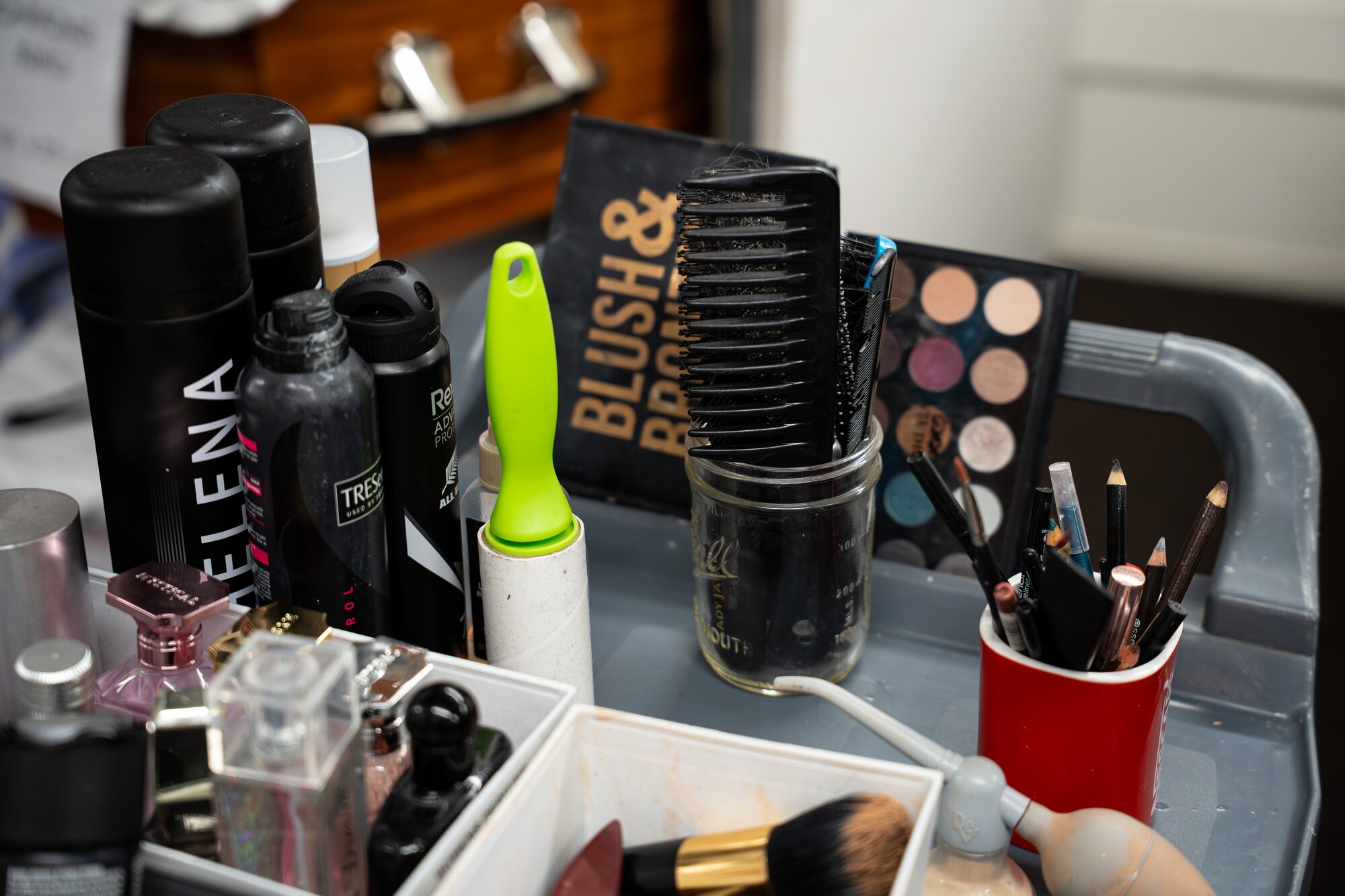
Hair is shampooed, conditioned and dried. If hair regrowth is showing, staff will dash out to a supermarket to pick up some hair dye for a touch-up.
A former hairdresser on staff, now an embalmer, will do a haircut if necessary before styling. Straggly beards and moustaches are trimmed, or shaved off completely at the family’s request.
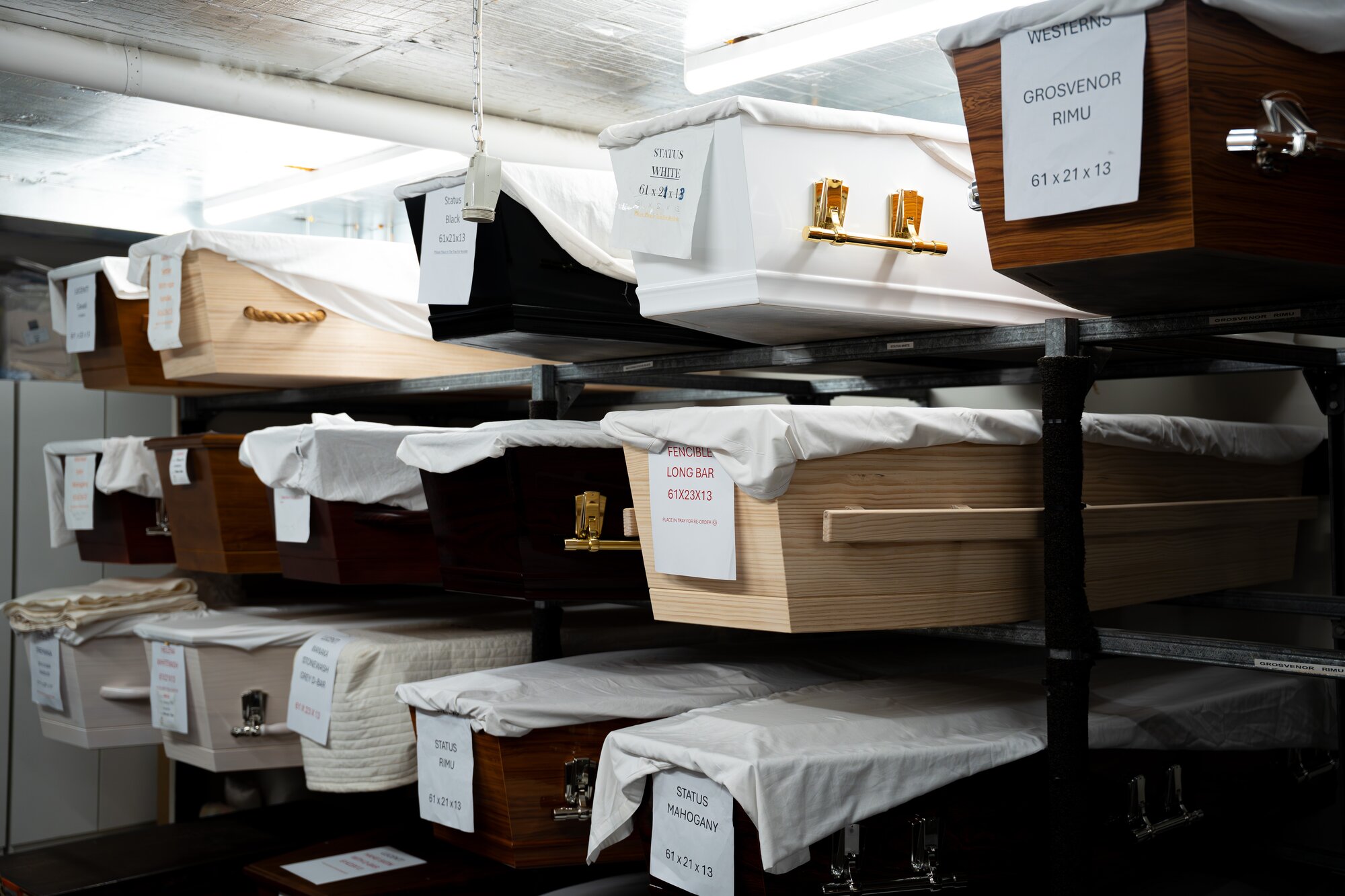
Beyond the beauty paraphernalia are racks of coffins lining a wall, a reminder of what this business is all about. Outside the trim room are racks of clean duvets, sheets, rugs and quilts. Some families don’t want to see the body in a coffin, so the staff make up a stretcher trolley to look like a bed.
“In winter we make it look really snug, and in summer we just cool it down with more of a fresh cotton blanket,” Bygrave says.
The trick to getting the presentation right is to get as much information as possible from the family. How did she wear her hair and makeup, what was her favourite lipstick colour, what clothes would he or she want to be dressed in, should they be wearing their glasses, she’ll want to know.
“For me, it’s got to be right.”
And she’ll prepare the family for what they’re about to see. Bygrave says she nearly had heart failure on one occasion when a woman arrived to view her mother and said, “That’s not my mum.” For a moment, Bygrave thought there had been a terrible mix-up.
But what the woman meant was that she was used to seeing her mother wearing glasses. Once the missing glasses were added, Bygrave heard the reassuring words, “Now that’s my mum.”
Sometimes family members bring in the person’s own makeup, and some will want to do the makeup and nail painting themselves as a last gesture of care.
Based in South Auckland with a multi-cultural population, the funeral home caters for a “melting pot” of religions, cultures and ethnicities, Bygrave says. She recalls the death of a Mormon woman. Her sisters dressed her in a traditional white gown and white slippers, and did her hair and makeup themselves.
Māori and Pacific families will often dress the body themselves and stay with their loved one. She recalls one Tongan family who decorated the chapel and stayed for nights, singing and sharing memories until midnight.
‘I have had some tears’
The hardest part of Bygrave’s job is witnessing families grieve, particularly in cases where a young person has died in a traumatic accident, or a child or baby has died unexpectedly.
“There have been times when my staff and I have had some tears, absolutely, and we don’t hide that,” she says.
Babies are dressed, wrapped in shawls and placed in a bassinet. But before that, Bygrave often finds herself rocking the babies in her arms.
“When you’re holding a baby, it’s something you naturally find you’re doing.”
In cases of trauma, she’ll talk frankly to the family and, in some cases, advise them not to view the body.
“We let them know exactly what they’re going to see so they’re not shocked.”
But she’ll follow the family’s lead. Some don’t want bruises and grazes disguised; they don’t want makeup or to be dressed; some will want to view their loved one no matter what their state.
Brian Barrett, manager at Sibuns Funerals, based in a stately double-storey villa in Auckland’s Remuera, has only been in the industry for two years and talks of it as though he’s already in heaven.
“I love this industry. You don’t get a more rewarding business.”
He’s had an assorted career as a professional cricketer, a businessman and a spell in the corporate world, but found his calling as a funeral director.
It’s hard work, mind you, he says. Sibuns often deals with high net-worth families whose expectations are very high. Or, in a tough financial environment, family members might not agree on how much to spend.
Whoever the person – Sibuns looked after the funerals for gym magnate and former Mayor of Auckland Les Mills this year and Sir Colin Giltrap, founder of the Giltrap Group, two years ago – everyone is prepared with the same care, Barrett says.
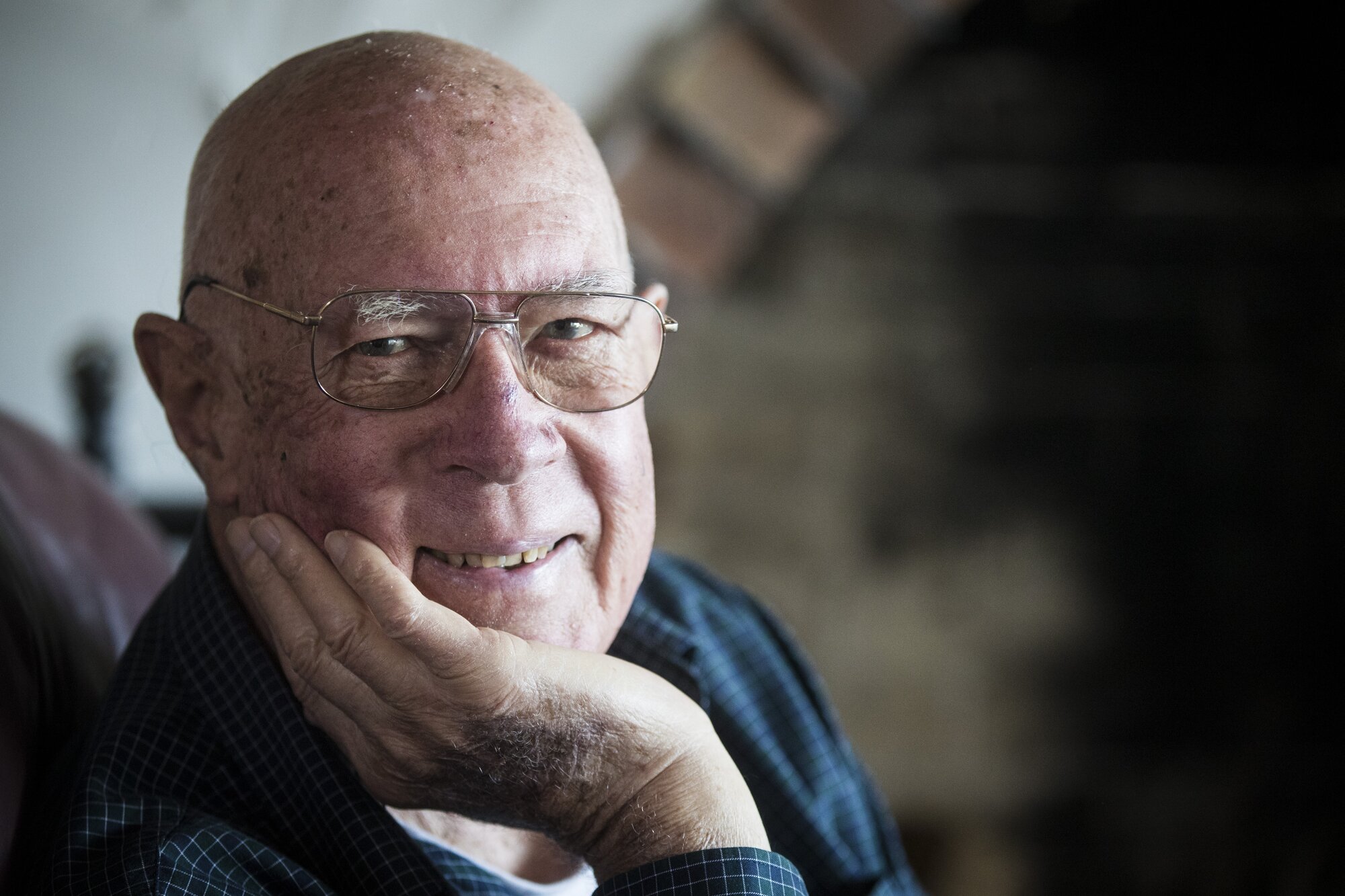
If there’s one piece of advice he’d like to share, it’s for people to pre-arrange their funerals rather than leave grieving family members with the burden.
That could include the type of coffin, the outfit, the order of service or readings, and a selection of photos. That circumvents family tensions and arguments at a time of high emotion.
Earlier this year, Barrett was visited by a woman three weeks before her death, which occurred more suddenly than expected.
“We got everything right down to the music that we were carrying her out of the chapel [to], the catering numbers, the photo tribute, we did all of that.”
For Williams, she regards the loss of a loved family member as a time to think and talk about the person when they weren’t old or sick. But it can also be tragic.
“It seems to me that when that sadness is there, all that love comes flooding out and all these stories. Young people in the family learn about someone’s identity from before they were born. You know, they weren’t always a grandmother or auntie, so that’s really, really special.”
Jane Phare is a senior journalist based in Auckland. Her roles at the Herald have included assistant editor of NZ Herald, editor of the Weekend Herald, founding editor of Viva, features editor and deputy print editor.
Sign up to The Daily H, a free newsletter curated by our editors and delivered straight to your inbox every weekday.