New law will allow automated benefit decisions to modernise welfare system, Government says
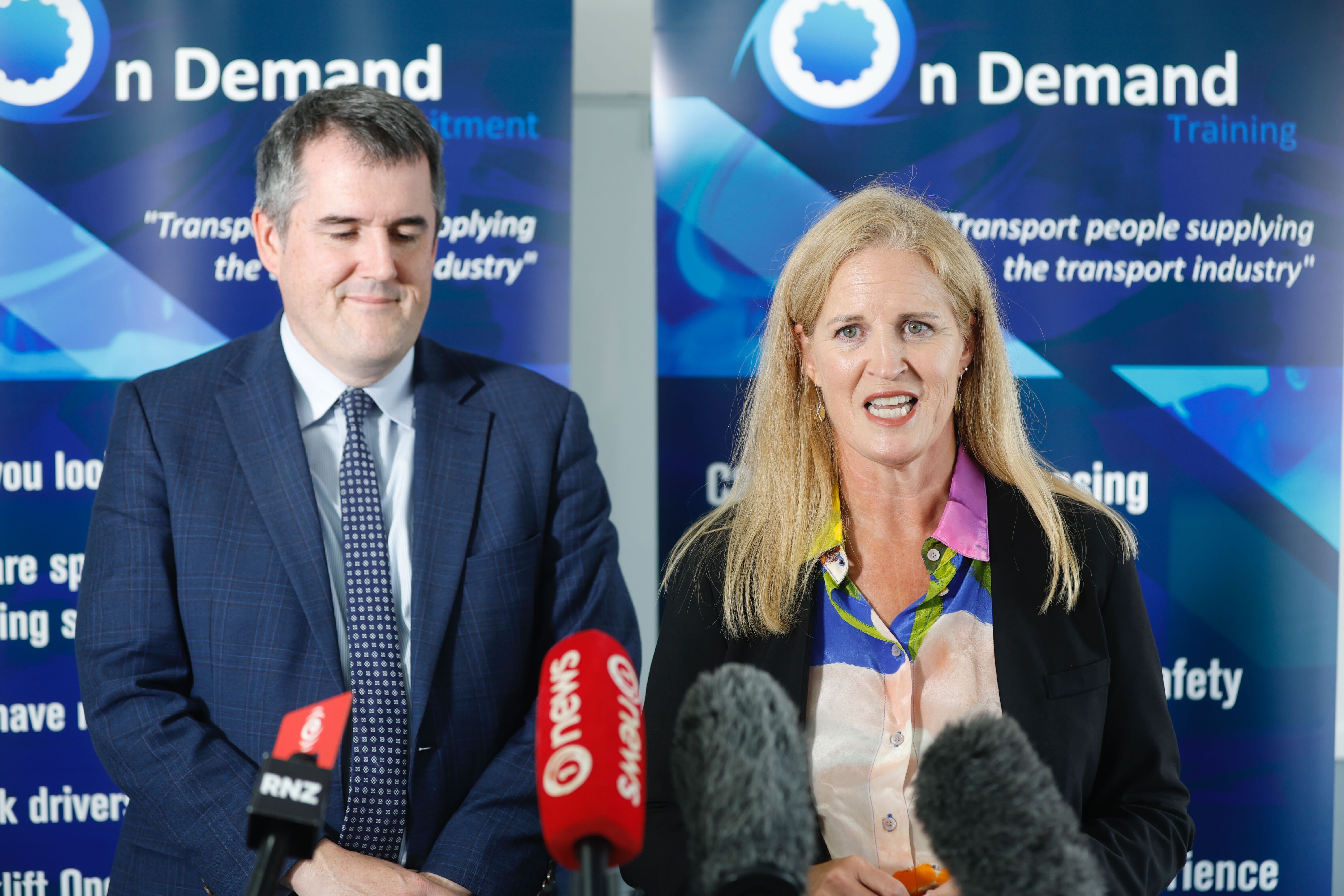
The Government says a new law, which will allow the Ministry of Social Development to use artificial intelligence to make benefit decisions, will modernise New Zealand’s welfare system.
The Social Security (Modernisation) Amendment Bill passed its third reading in Parliament on Friday, rushed through the House under urgency.
The law allows the Ministry of Social Development (MSD) to “approve the use of an automated electronic system by a specified person to make any decision, exercise any power, comply with any obligation, or take any other related action under any specified provision, with appropriate safeguards”.
The ministry told RNZ the proposed changes would not involve the use of generative artificial intelligence (AI) such as ChatGPT.
Social Development Minister Louise Upston said it would reduce delays, errors and unnecessary debt, while freeing up staff to better support clients.
The Government said safeguards would remain in place, including human oversight and protections against bias.
National’s Scott Simpson introduced the bill. He said the MSD made millions of decisions every year, and staff were spending too much time on administration.
“That’s not good enough for the clients of MSD, or taxpayers. This bill fixes that.”
The technology would be used “sensibly”, he said.
“Automated decision-making will be used for simple, rules-based decisions, and human judgment will remain where it is needed. That means faster decisions, more consistency, and a system people can trust.”
Labour’s Helen White on Friday said the regulatory impact statement – which summarises the law’s purpose, costs and benefits – redacted the section outlining the problem the bill sought to solve, “so it is very, very difficult to know what is going on here”.
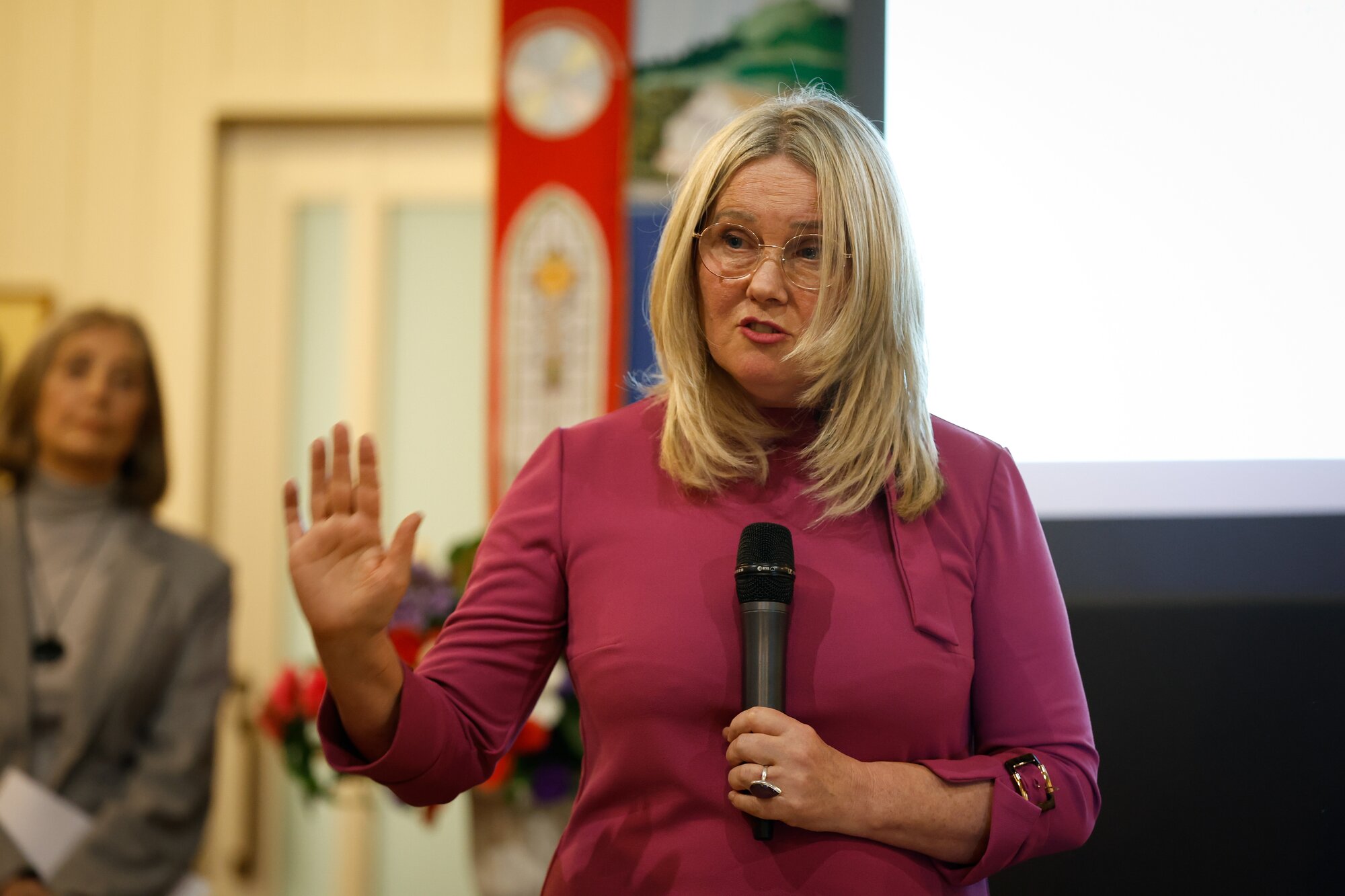
People should be able to expect human contact to be part of the welfare system, she said.
“You’re talking about the very group of people who are most disconnected, and it’s very, very important we safeguard that connection.”
Her colleague Ingrid Leary said automation was the Government’s way of replacing staff who could lose their jobs following the Budget.

The Greens’ Ricardo Menendez March said the move was a huge expansion of powers.
“This is a carte blanche expansion to basically allow a robot, a machine, to have power of people’s lives,” he said, adding it was “extremely concerning” the bill was being passed without consultation or scrutiny,
New Zealand First’s Jamie Arbuckle said the bill was a “significant step towards a more efficient, modern welfare system that serves both the taxpayer and those in genuine need”.
Act MP Parmjeet Parmar said her party supported it for the same reasons. She argued staff members would have more time to help get people off the benefit and into jobs, and there would be adequate safeguards in place.
“Of course there will be humans there to help ... nobody’s taking that human element out.”
– RNZ