NZ man gets 3 kidney transplants over 40 years – and he’s still going strong
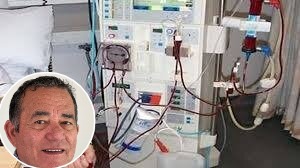
John Kearns is a lucky, lucky, lucky man.
While the majority of the more than 600 people on the waiting list for a kidney transplant – including 400 healthy enough to undergo surgery – are patiently waiting for their first kidney transplant, Kearns has had three spanning four decades.
Kearns (Ngāti Kuri-Te Rarawa), a father of three and grandfather of three, admits he has been lucky to be in the right place, lucky his body was in the right shape and lucky to be ready and fit at the right time.
Kearns received his first kidney transplant in 1987 – thanks to his sister Liz, who was 34 – she’s now 72. He had a second transplant in 2002 and a third kidney transplant in 2015.
The final two kidneys came from matching donors who had passed away.
“Yes, I’ve been at it a while and dodged a few bullets and I’m still here,” the 61-year-old says with a laugh.
“After 40 years you learn a few things. The transplants have made a huge difference to my life. I’ve been able to provide and live a reasonably good life.
“I wouldn’t have had a family without a kidney transplant and now have three daughters and have three mokos.”
Kearns’ battle with renal failure started in 1984, at the age of 20.
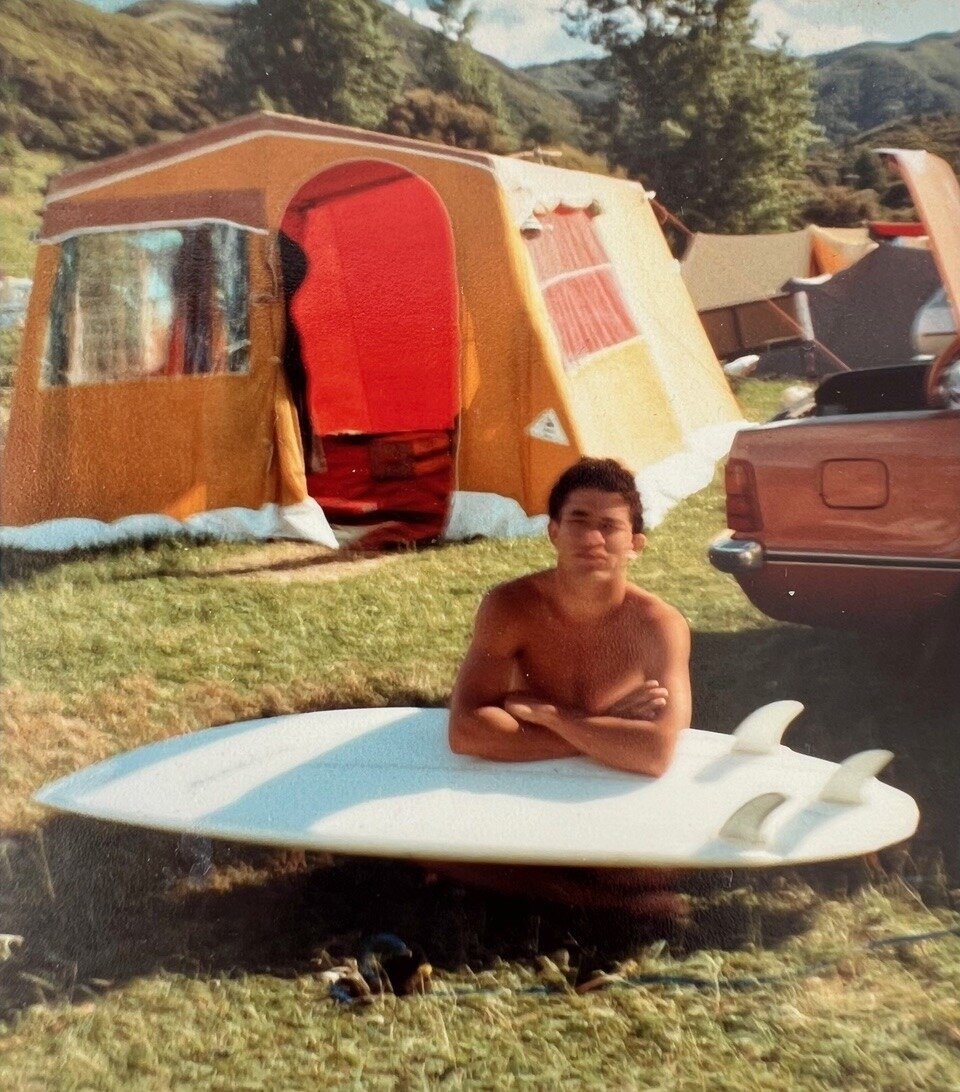
“Dad and I built a boat and set sail around the world,” he said.
“I was 20 years old and found out my kidneys were not in good shape. I went to Australia but came home and spent six months on dialysis.
“My sister got all my siblings tested and she was the most compatible and so I received a kidney from my sister on March 11, 1987.”
Sister’s gift of life
The first transplant lasted 13 and a half years.
In that time, he married wife Maeva and had daughters Tamara, Tania and Claudia.
However, he was forced to resume dialysis for two years after suffering kidney failure.
“I got my second transplant on September 1, Father’s Day, 2002 and that [it] lasted eight years.
“I caught a bug and had my third transplant on Christmas Day, 2015.”
The key, Kearns said, to good kidney health is eat healthily and drink plenty of fluids.
“I faithfully take my meds and try to keep myself reasonably happy and look after this third transplant,” he said.
No animosity from waitlist patients
Despite having had three life-saving transplants – and the fact hundreds of other New Zealanders are on the waiting list – Kearns said he has never experienced any animosity from other waiting donors.
There are more than 600 people on the kidney transplant wait list, with health officials saying 400 are well enough for surgery.
A range of factors are considered in the kidney transplant system, including the health of would-be recipients and time spent on the waiting list.
Health NZ said post-transplant care for a patient, paid for by the public health system, totals about $107,000 in the first year after surgery.
In comparison, the Kidney Society’s data from research by both Kidney Health NZ and the NZ Institute of Economic Research outlines the hospital cost for dialysis as $152,000 per year.
The costs of dialysis at a satellite centre are $114,000 per year, and home haemodialysis, where patients can administer dialysis themselves, costs around $79,000 annually.
In 2023, 3198 New Zealanders received dialysis treatment.
“In my case, I spent about eight and a half years on dialysis between my first and second transplants,” Kearns said.
Instead of how many transplants he had had, Kearns said he focused on the fact he had been able to “manage my end-stage renal failure” for more than 40 years.
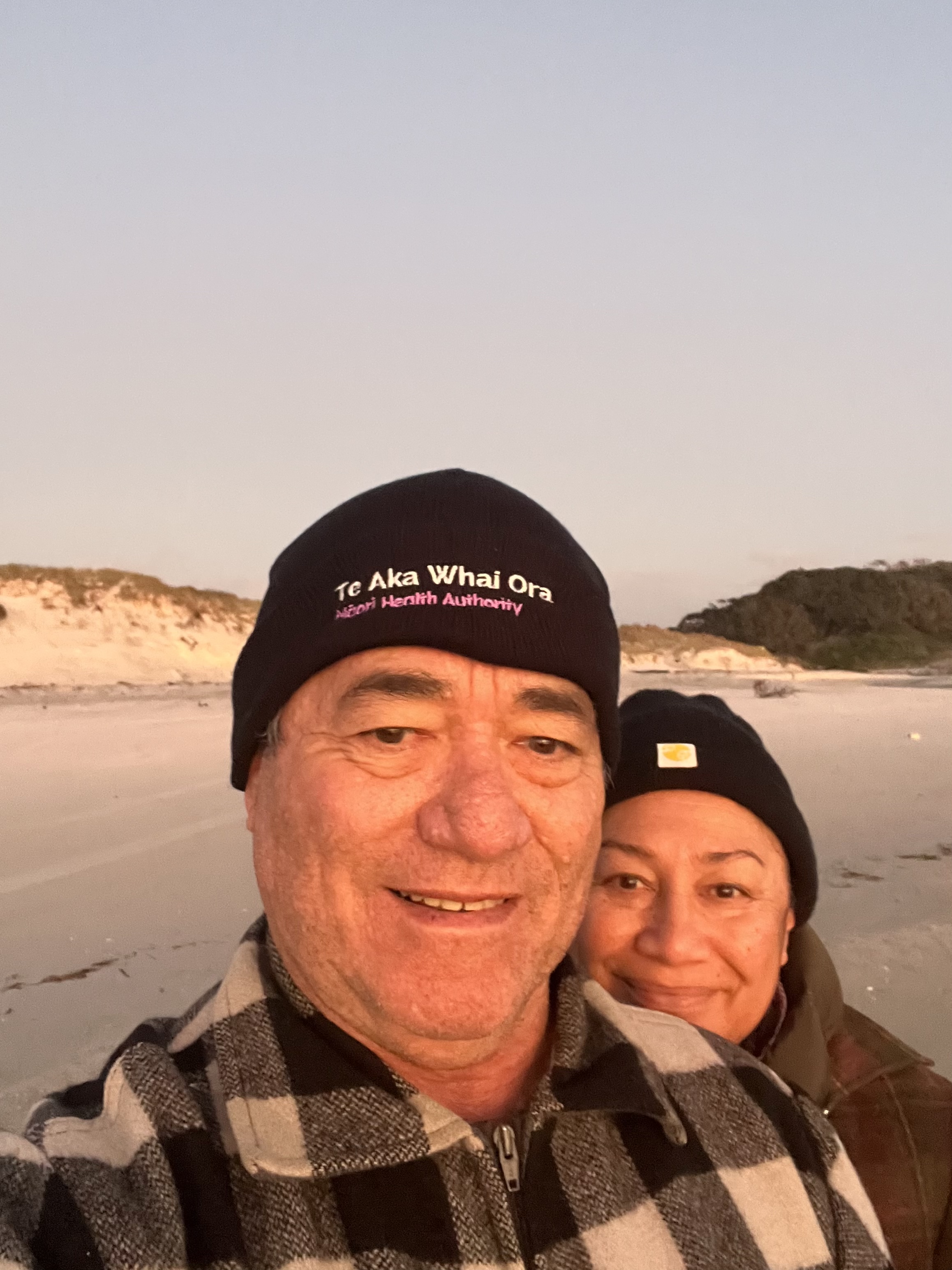
From triple transplant to kidney patient advocate
The Kidney Society believes recognising chronic kidney disease as a long-term condition, and funding it accordingly, would save the country millions in healthcare in the long term.
Kearns now plays an active role with the Kidney Health NZ and the Kidney Society, as a patient advocate.
He said renal health education was hugely important.
He said it should be tailored in ways that would be best relatable to different groups, including Māori and Pasifika.
“When the information is shared in a way that’s relatable, connects with people’s values, culture and everyday lives, it can have a much greater impact.
“Diabetes is a major issue for Māori and Pasifika peoples and if we can manage that before it gets to renal issues, we will save a lot of money down the track,” he said.
Kearns’ kidney issues have not stopped him from being a productive breadwinner and member of society.
“I’ve had a 30-year seagoing career and have worked on a diverse range of vessels in both the commercial and private sectors. Ten years ago, I formed a company and have since been working as a shipbroker, which requires me to liaise with clients from New Zealand and around the world,” Kearns said.
Joseph Los’e joined NZME in 2022 as Kaupapa Māori Editor. Los’e was a chief reporter, news director at the Sunday News newspaper covering crime, justice and sport. He was also editor of the NZ Truth and before joining NZME worked for urban Māori organisation Whānau Waipareira.