NZ’s starving students: Hungry kids trailing peers by up to four years in maths, science
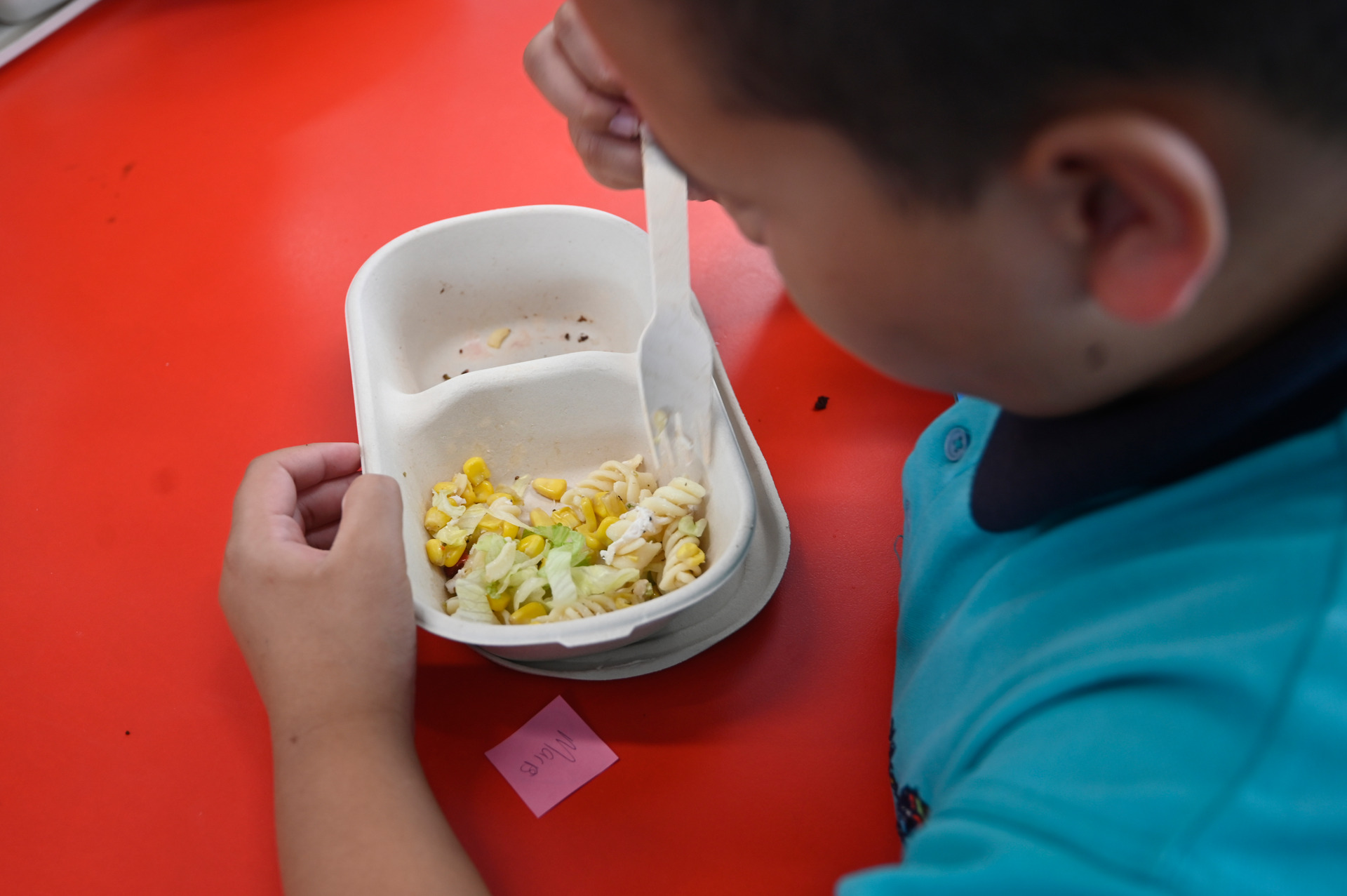
Kiwi kids going hungry at school are ending up years behind peers in key subjects, reveals a new analysis that also ranks New Zealand poorly for food poverty.
The health researchers behind the just-published analysis argue the Government needs to double the number of children served by its newly revamped lunches in schools scheme.
It’s long been known that hungry students struggle to learn: food poverty has been cited as a big barrier in New Zealand’s scoring under the OECD’s Programme for International Student Assessment (Pisa).
But a comparison between that and two other global datasets has allowed a team of researchers to look at the link in greater depth.
After analysing food insecurity levels with subject-specific scores, the team revealed a stark trend.

Any degree of food insecurity was associated with much lower academic performance - a pattern that held across all subjects, age groups, and surveys.
“And we had not expected the effect size to be so large,” said study co-author Professor Boyd Swinburn, of the University of Auckland’s School of Population Health.
In all, it equated to a learning gap equivalent to hungry students trailing two to four years behind in subjects like maths and reading by age 15 – even after adjusting for socio-economic indicators.
“There was also a gradient effect: the more severe the food insecurity, the greater the gap in scores compared to kids with no food insecurity.
Swinburn added the problem didn’t just reflect hungry children finding it harder to concentrate in class, but other factors: including parents keeping their kids home rather than face stigma at school.
Study lead author Dr Pippa McKelvie-Sebileau, also of Hawke’s Bay’s Eastern Institute of Technology, said the pattern between hunger and lower achievement was found across all countries.
“Yet the rate of food poverty for students in New Zealand was greater than the rates in other comparable countries like Canada or Ireland - and very high for a high-resource country.”
She cited OECD data showing 14% of New Zealand students missing meals at least once a week over a lack of money to buy food, far higher than the OECD average of 8%.

Swinburn said the study came about as the team had been working on the evaluation of the Ministry of Education’s Ka Ora, Ka Ako school lunches programme.
It provided free meals for around 25% of schools and kura at the lowest end of the socio-economic spectrum, with around 235,000 learners catered for as of June 2024.
Significant changes to the scheme were announced last year, with the coalition Government scaling back its cost and unveiling a new menu in what it said would save more than $130 million a year.
Swinburn said it remained to be seen whether the revamped programme, beginning this month, would deliver the same positive results as what was in place – and some schools have already sounded their own concern.
He also noted that Ka Ora, Ka Ako still only provided for about 40% of those children living in food poverty.
“The priority should be, in the first instance, doubling the number of kids covered,” he said, arguing that the Government appeared more focused on slashing costs than making a longer-term investment.
“Clearly, if governments are serious about improving educational outcomes, they should be dealing with this barn-door problem of hunger at school.”
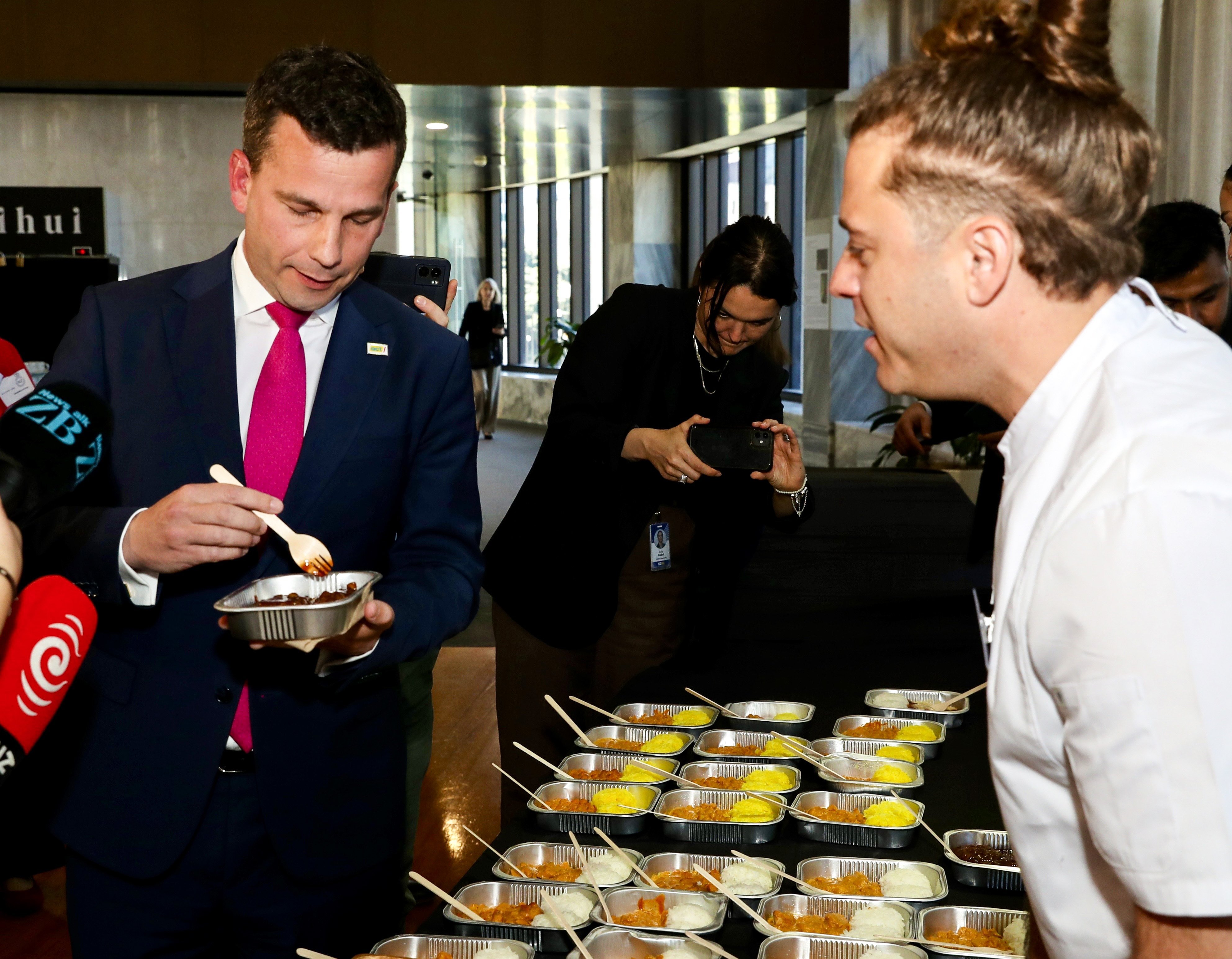
Associate Education Minister David Seymour countered that access to healthy lunches was being expanded, with another KidsCan-run programme now delivering meals for 16,000 early learners following $4m in additional Government funding.
He also pointed out that every student who previously received a school lunch will continue to do so under a redesigned Ka Ora, Ka Ako, which had new items such as butter chicken curry, chicken katsu, lasagne, chicken pasta salad, and wraps on the menu.
“The only difference with the revamped programme is that it will cost taxpayers $130m less annually.”
Seymour said the savings had come from embracing commercial expertise, using government buying power, and “generating supply chain efficiencies”.
The Ministry of Education has been approached for comment on the new study findings.
Jamie Morton is a specialist in science and environmental reporting. He joined the Herald in 2011 and writes about everything from conservation and climate change to natural hazards and new technology.
Sign up to The Daily H, a free newsletter curated by our editors and delivered straight to your inbox every weekday.