Officials urge public to report dead birds as H5N1 reaches New Zealand
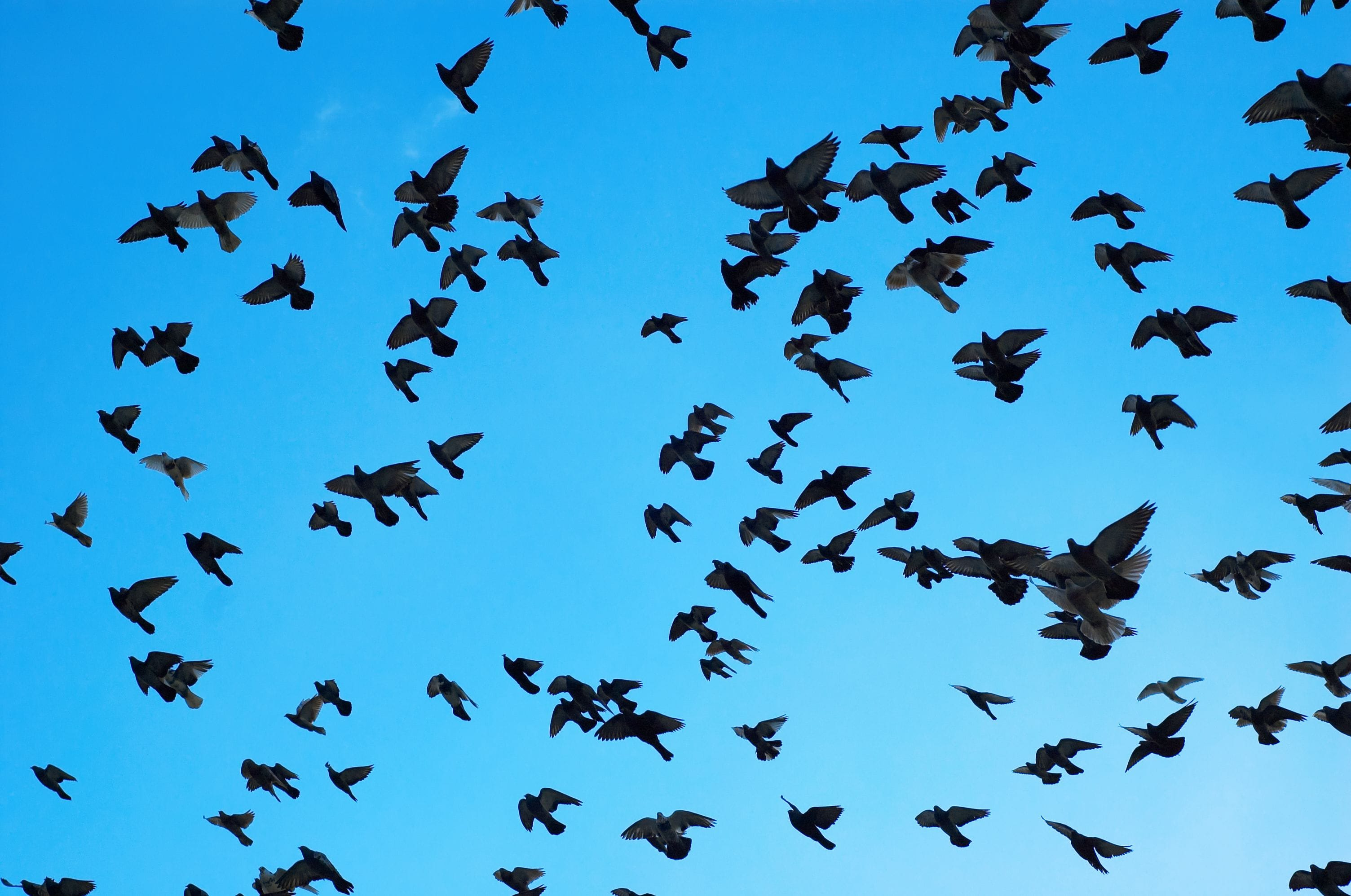
Kiwis are being urged to know the signs of H5N1 bird flu after the “rapid-spreading” virus was detected on New Zealand shores for the first time.
The infected wild bird, a brown skua, was found on Lower Hutt’s Petone Beach late last week and returned a positive test yesterday.
Speaking on Early Edition with Ryan Bridge this morning, University of Otago virologist Professor Jemma Geoghegan said it was a “hugely significant event”.
“It’s a very severe infection when it comes to wildlife and poultry … we have birds that are already threatened and a virus like this could be catastrophic for them.”
She earlier told the Herald the case was “very unlikely to be a completely isolated event”, warning more infected seabirds are likely to be found in the coming weeks.
“Once it starts spreading in New Zealand on the mainland, that’s when it’s escalating and there’s a risk of the virus getting into poultry sheds or on farms.”
Overseas, the virus has killed millions of wild birds, devastated poultry industries, and infected mammal species including seals, sea lions and dairy cattle.
Geoghegan said given bird flu’s presence in the world, vaccine trials had taken place in New Zealand in the past few years to test effectiveness on key native species.
Biosecurity Minister Andrew Hoggard told Ryan Bridge TODAY the Department of Conservation had made good preparation for vaccinations.
He said experts who have warned the virus could “wipe out” bird populations were “slightly overcooking” the situation.
“The rest of world has got the disease, some have taken hits, but everyone has learned how to move on with it.
“Let’s not get carried away quite frankly.”
Hoggard yesterday said officials were monitoring the situation closely, but there was no evidence of “mass mortality in wildlife or transmission between birds”.
He said the death rate in chickens with the virus was 95 to 100% and acknowledged the virus remained “an unknown risk to our native birds at this stage”.
H5N1 is a strain of bird flu that emerged in Asia before spreading through Europe, the Americas, and, just in the last month, Australia.
Unlike previous outbreaks, it spread beyond poultry into wild birds and mammals, causing widespread deaths.
“Oceania was the last remaining continent that this virus had not spread to,” Geoghegan said.
“It was definitely a matter of when, not if, the virus would arrive here.”
Mary van Andel of the Ministry for Primary Industries (MPI) said the brown skua was found six days ago before being tested two days later.
“The bird wasn’t showing any clinical signs of illness, but once it got to the Wellington Zoo, they assessed the bird and felt it should be tested. It wasn’t reacting as you’d expect a wild bird to do,” van Andel said.
Geoghegan said the bird likely became infected at sea, noting many species spend a lot of time offshore before returning to mainland New Zealand and surrounding islands to breed.
Geoghegan said the virus remained a “low risk” to the public, with overseas cases almost exclusively involving people who had direct contact with infected animals.
“There is no evidence of human-to-human transmission.”
Hoggard also stressed H5N1 “is not a human health issue”, while MPI said eggs and poultry remain safe to eat.
Poultry Industry Association executive director Fiona MacMillan said she was “trying to avoid being worried”, rating her concern about the current situation “a five” out of 10.
Geoghegan told the Herald that New Zealand’s endemic birds were the “biggest risk” because many were already critically endangered.
“We need to be wary of what to look for and to report signs so that we can respond to it,” she said
“Many are on the brink of extinction or are critically endangered and really need to be protected.
“We’ve seen the catastrophic impact it has had on poultry industries. In the United States alone, over 200 million chickens have been either culled or died from this infection.
“It’s been shown to infect dairy cattle by infecting the udders, so it has quite a high mortality rate and affects the dairy industry.”
Hoggard said New Zealand had spent years preparing for H5N1, with officials working closely with the poultry sector to strengthen on-farm biosecurity.
The Ministry for Primary Industries (MPI) is asking people to report groups of three or more sick or dead wild birds.
Geoghegan said people should be alert for birds showing unusual behaviour or signs of illness.
“I would encourage people to report to MPI so that we can understand whether or not it’s spread beyond this initial case.”
People are advised not to handle or move the birds, and to provide photographs and as much location information as possible when making a report.
You can report to MPI by calling 0800 80 99 66