Pike River families sound warning as health and safety bill moves closer
Proposed changes to health and safety laws have brought fresh fear and grief from those who lost men in the 2010 Pike River disaster. Bernie Monk says history appears to be repeating with workplace safety rules relaxed before disaster. David Fisher reports.
Health and safety reforms have been condemned by the father of one of the men killed at Pike River Mine as focusing too narrowly on risks most likely to kill, while weakening safeguards against smaller failures that line up to cause catastrophe.
Bernie Monk says memories appear to have faded since the November 2010 explosion that killed 29 men working in the mine.
Monk’s son Michael, 23, died in the disaster. “What are we doing here? Are we doing the same thing again?”
The bill that will change New Zealand’s workplace safety laws is the first major review since the Pike River disaster prompted an overhaul of the country’s health and safety system.
The Government says the bill will increase certainty, reduce compliance costs and help businesses understand their responsibilities to protect their workers.
A report by the Education and Workforce Committee was published today and recommended by majority that the law changes in the Health and Safety at Work Amendment Bill be passed.
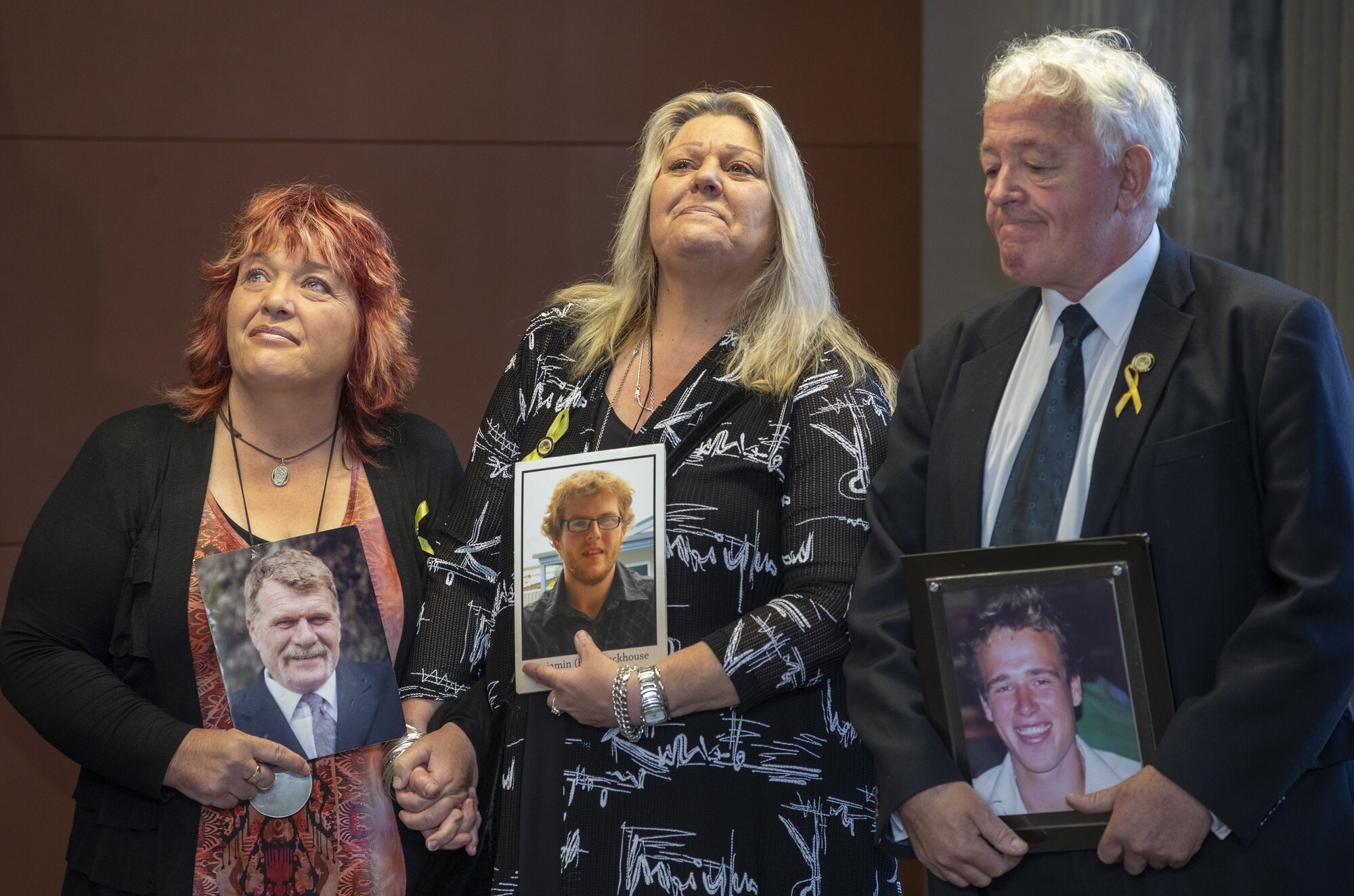
It comes as Pike River families await the outcome of a new police investigation, with some hoping charges will be laid.
Last November, the lawyer for Pike River families Nigel Hampton, KC, said in his view there was enough evidence to lay manslaughter charges over the disaster.
Police told the Herald this month it would not comment on the disaster because the investigation was at a “critical” stage.
The select committee report said the law changes sought to improve the work health and safety system by “reducing unnecessary compliance costs” and “clearly stating what businesses and organisations need to do”.
It said health and safety systems will be built around a “critical risk” model and will cut “unnecessary compliance costs”. The reforms would create different duties for large and small businesses, with smaller operators required to meet some core duties only where critical risks were involved.
Monk said there were lessons of the past that lawmakers needed to understand. He said significant law changes followed the 1967 methane gas and coal dust explosion at the Strongman coal mine near Rūnanga, on New Zealand’s West Coast, that killed 19 miners.
Specialist law introduced in 1979 to govern coal mining was relaxed from 1992, when mining was moved into general health and safety management by employers. The Pike River Royal Commission said special mining rules and safeguards, based on hard-won experience from past tragedies, were swept away.
Monk said: “What happened? Money ruled. What happened at Pike River? Money ruled. Then, in 2010, we had another mine explosion.”
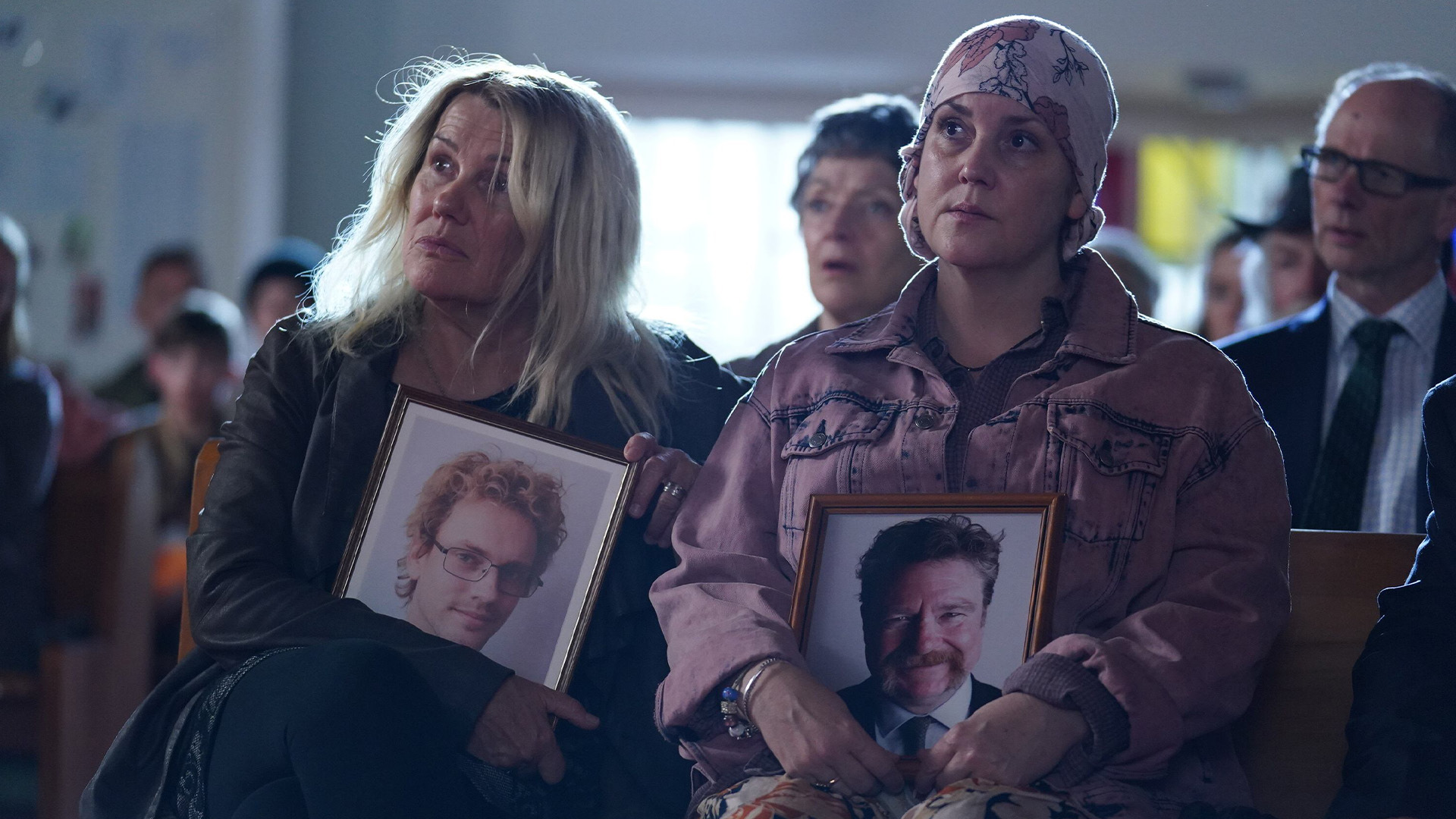
Anna Osborne, whose husband died at Pike River, told Ryan Bridge TODAY that health and safety at work was “not to be taken cheaply”.
“It is usually the smaller risks that go unnoticed and end up having accidents in the workplace and sometimes they end up in fatalities as well.
“I fear if it’s not taken seriously we will end up with another Pike River.”
The bill’s focus on “critical risk” contrasts with the Royal Commission into the Pike River disaster finding that it was not caused by one failure alone.
Instead, it used accident theory, including James Reason’s “Swiss cheese” model that treats every safety measure as a slice of cheese. Reason’s model has holes in each slice that, when a series of failures line up, leads to catastrophe.
“An organisation’s defence systems reduce the likelihood of major accidents because an accident occurs only when the holes in the multiple defences align,” the commission said.
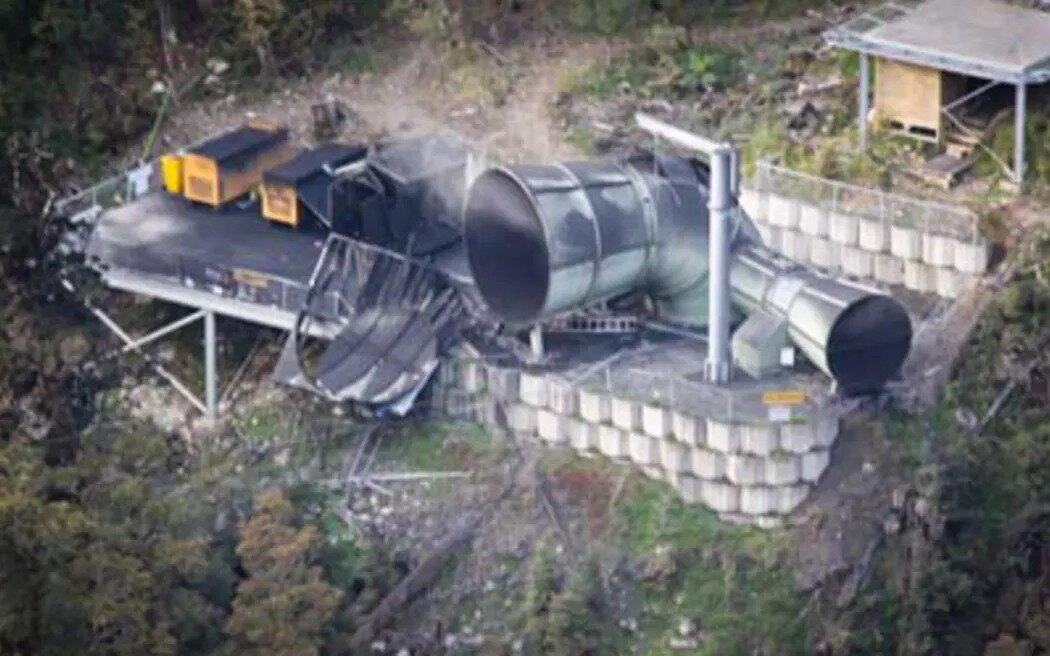
At Pike River, the first explosion was caused by the ignition of a large amount of methane gas.
The commission found methane was only part of the story. In an underground coal mine, methane had to be controlled through gas management, ventilation, methane drainage and constant monitoring of the mine atmosphere.
The proposed laws define “critical risk” as a specific risk linked to a hazard likely to cause death, serious injury or illness, a notifiable incident, or a listed occupational disease.
For mining and quarrying, the bill’s list of critical-risk hazards includes unstable ground, mine shafts, explosives, air quality and ventilation, methane and other gases, flammable or combustible gas, and electrical systems.
The select committee said submitters had asked for the definition of critical risk to be made clearer and had recommended wording changes to clarify the test was not just how likely it was that a risk would happen. The test would be how likely serious harm would be if the risk did happen.
The committee also recommended making clear that mental health harm could be considered. It said it had been advised that if a workplace hazard was linked to mental health harm, and that harm was likely to lead to serious physical harm, it would be treated as a critical risk.
Labour and the Greens said the proposed law would create a “two-tier” safety system with different rules for large companies than for smaller businesses.
For those smaller operators, the bill would narrow some core health and safety duties. They would have to meet those duties when dealing with “critical risks” – risks likely to kill, cause a notifiable injury or illness, a notifiable incident, or a listed occupational disease.
For risks below that threshold, some legal duties relating to workplace risk, plant, equipment, structures, training, supervision, information and some personal protective equipment requirements would be reduced.
Larger businesses had broader duties but would be required to put critical risks first when complying with the law.
The 29 men who died at Pike River included 16 who worked for Pike River Coal and 13 who were contractors working on-site.
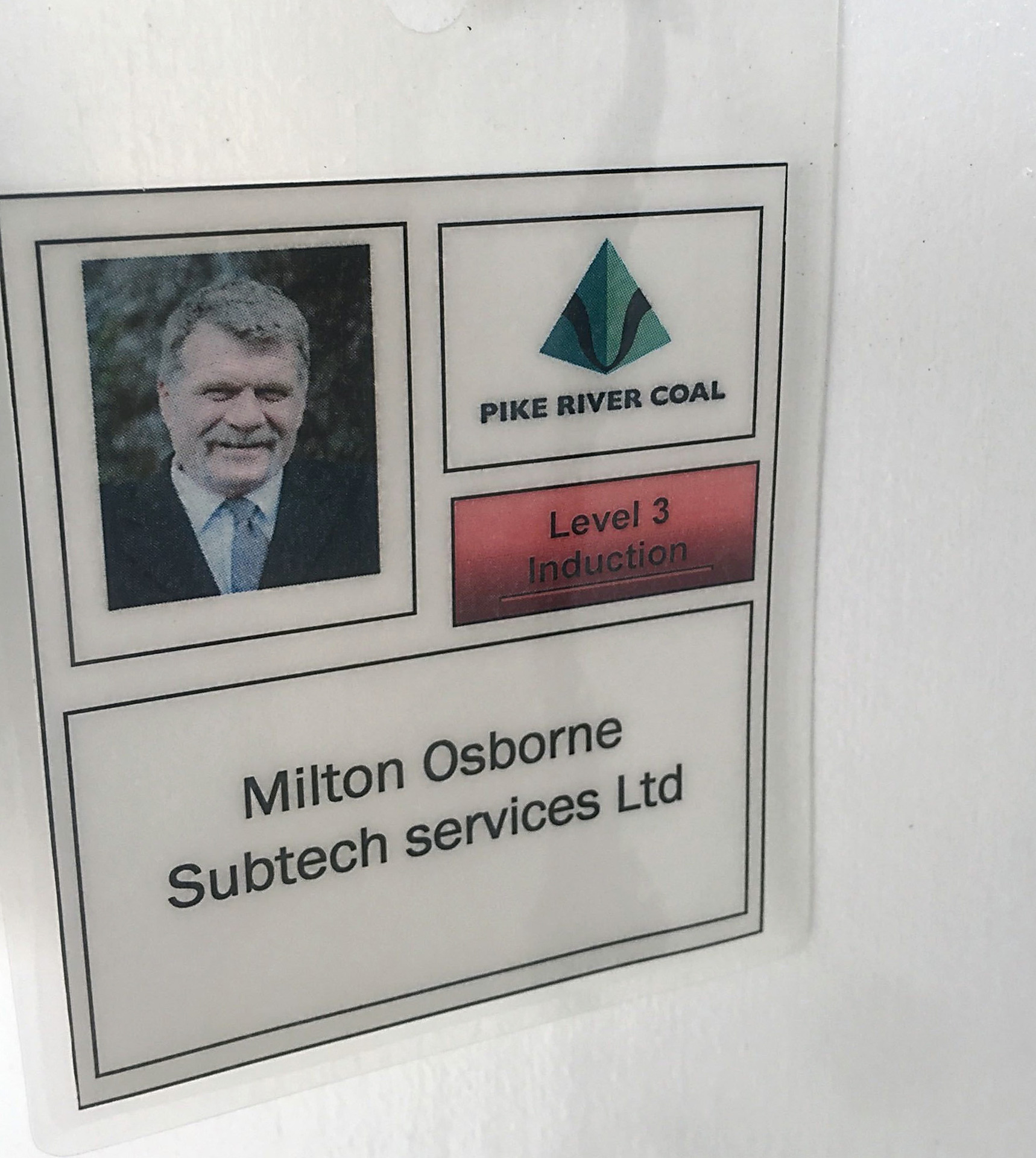
The workforce and contractor system formed another layer. The commission did not attribute the cause of the explosion directly to contractors but found they were part of the safety system that failed.
The commission said the mine had a contractor management system but it was not fully implemented, and it was “hit and miss” whether all received Pike River safety information. It found some smaller contractors had their own health and safety systems, but not all were specific to Pike River or even to underground coal mining.
It found there was no evidence Pike River Coal audited either the large contractors or any of the smaller contractors who lost men in the tragedy.
“The management of contractors got away from Pike in 2010 and these workers were often left to their own devices,” the commission said.
The select committee also recommended changes to how businesses work together when they share responsibility for the same workplace risk.
At present, businesses with overlapping duties must consult and co-ordinate. The proposed laws would require small businesses to co-operate with others where a critical risk was involved. For other risks, co-operation would be optional unless required by contract or agreement.
Labour and the Greens opposed the bill in a differing view attached to the committee report. They said the changes would “weaken the systems designed to keep workers safe and healthy”, particularly in small businesses.
They said the small-business carve-out created a two-tier safety system and could make responsibility less clear when small and large businesses worked on the same site.
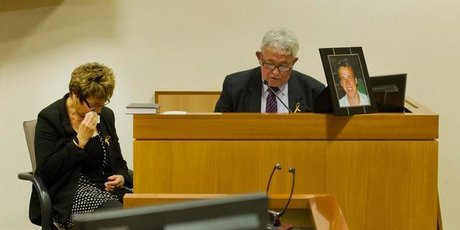
Monk said he and others hit by the 2010 disaster were still looking for justice and hoped the current police investigation would deliver it. He said he wanted those responsible, who he believed knew what happened, to come clean.
“I’ve moved forward but I can’t move on until those sons of bitches put their hands up.”
Pike River families submitted on the proposed bill with Sonya Rockhouse and Osborne telling politicians the focus on “critical risk” could lead to missing risks that point to greater problems.
In their submission, they said: “Pike River did not suddenly become a dangerous workplace. It evolved into the place that killed our men through a process of slipping standards, health and safety shortcuts, and a lack of oversight.
“This slide toward disaster was aided by a culture of bullying – a clear psychosocial risk. Anyone who spoke up about concerns was threatened and sidelined.”
They also opposed the carve-out for small employers, saying 13 of the 29 killed “were contractors or the employees of contractors”.
Osborne’s husband Milton Osborne, 54, died in the disaster, while Rockhouse lost her son, Ben Rockhouse, 21. Sonya’s older son, Daniel, was one of the two survivors.
Osborne and Rockhouse secured a Supreme Court declaration in 2017 that WorkSafe acted unlawfully when it offered no evidence against former Pike River Coal chief executive Peter Whittall, who had been charged over alleged health and safety failures. The charges were dropped in 2013 after he agreed to make a $3.41 million payment for victims’ families and survivors.
David Fisher is based in Northland and has worked as a journalist for more than 30 years, winning multiple journalism awards including being twice named Reporter of the Year and being selected as one of a small number of Wolfson Press Fellows to Wolfson College, Cambridge. He first joined the Herald in 2004.
Sign up to The Daily H, a free newsletter curated by our editors and delivered straight to your inbox every weekday.