Pike River mine: Struck-off lawyer Christopher Harder’s campaign for justice
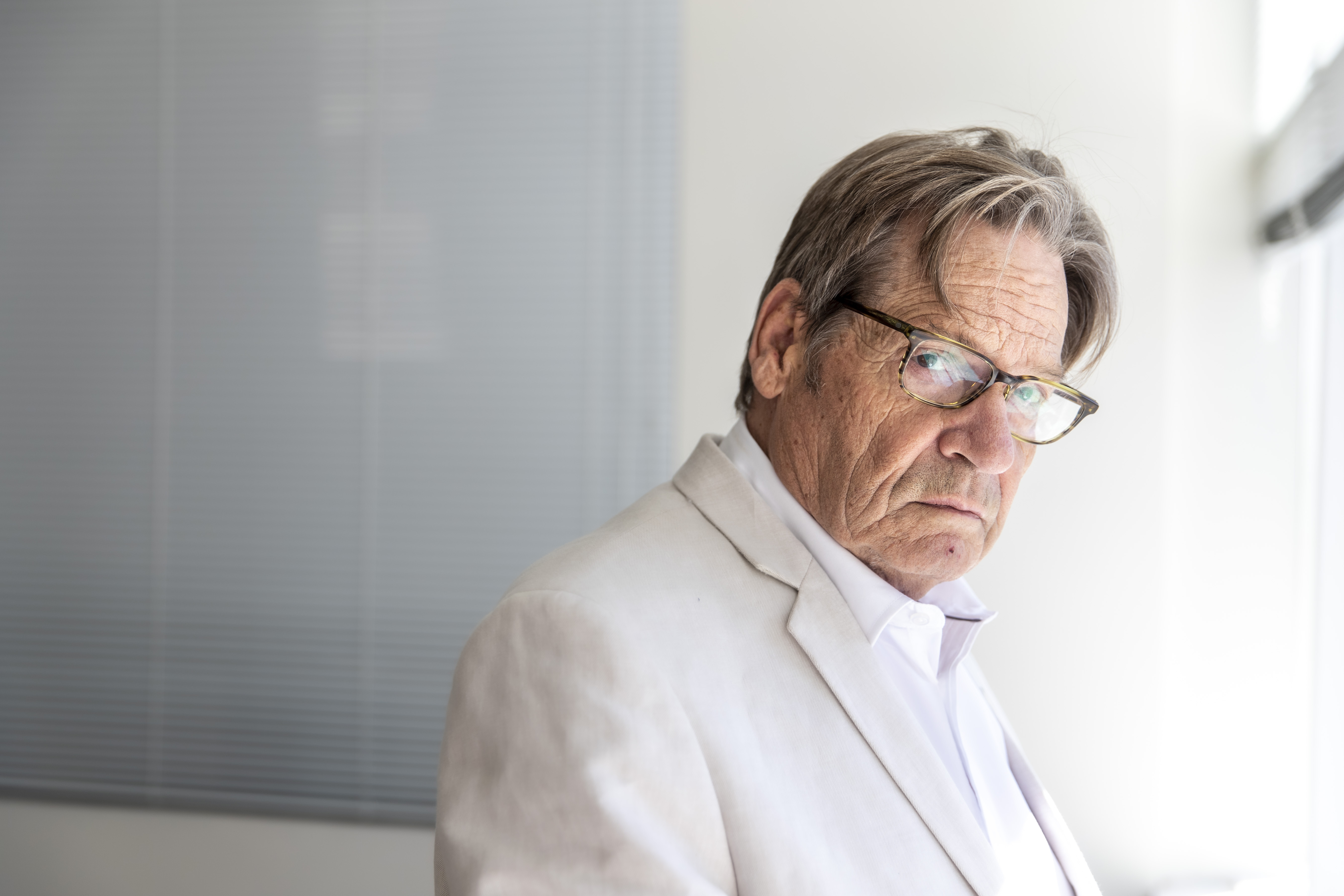
Christopher Harder was once among the biggest legal names in our criminal courts. Then came the fall after years of jousting with the NZ Law Society. Harder retreated from the courts and the headlines, a struck-off lawyer who could no longer give legal advice. And then, 17 years later, he walked into the High Court and won access to never-before-seen documentation that raises fresh questions about the Pike River tragedy.
Christopher Harder just does not give up. He’s not given up on law, although it gave up on him, and he’s not giving up on the families of those lost in the Pike River mine.
Rather than settling into retirement at the age of 75, the struck-off barrister is consumed by Pike River with an obsessive stubbornness that will be all too familiar to former courtroom foes.
In 2013, Pike River mine manager Peter Whittall walked free from the Christchurch District Court after the prosecutor WorkSafe cut a deal whereby $3.4 million was paid to the Pike River families.
When the Supreme Court reviewed the deal in 2017, at the urging of some of the Pike River families, it found “the conditional payment was a bargain to stifle prosecution” and that it was unlawful.
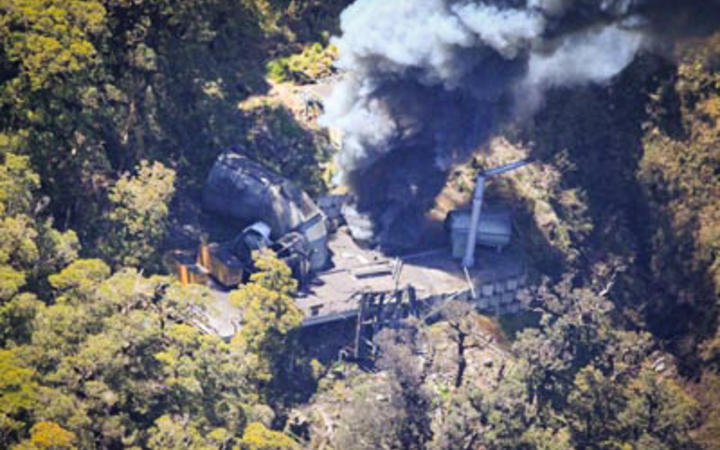
Then, in 2020, an odd sequence of events plonked the judgment directly in Harder’s path. Since then, he has been on a quest to unpick every little twist and turn in the unlawful deal.
“First year law school,” he says. “You couldn’t pay money to drop the charges. You had to accept responsibility [before a payment could be made] and Whittall had profusely denied any responsibility.
“They kept calling it a voluntary conditional payment. You could have a voluntary payment or a conditional payment. You couldn’t have a voluntary conditional payment.”
For three years, Harder has been relentless in seeking an answer to questions he just can’t get out of his head: How was it no one recognised the deal as unlawful until it reached the Supreme Court? Why was such a deal even considered? And where did the money come from?
To that end, he has secured two victories in the High Court at Wellington at which he has successfully argued for the release of documents that showed the legal machinations behind the unlawful deal.
He did so with Justice Jillian Mallon noting his quest was supported by Bernie Monk and Dean Dunbar, whose sons were killed with 27 others when Pike River mine exploded.
He circled the questions. They nagged at him. He poked a few bears and one such jab led to a phone call from an old foe whose legal career had soared as Harder’s collapsed. By Harder’s account, it ended with the dismissive words: “You’re pushing water uphill with a rake.”
From that point, he was never going to stop.
Big dog barking
There was a time when Harder was a “big dog” in the courts. That’s how he phrases it. Those days are long gone.
He was 32 when he started studying law, just a few years after arriving here from Canada.
As a student, he identified a precedent in a case that was coursework he reckoned applied to ongoing industrial action. With another student, he leaned on his student loan to hire a lawyer and prove his point.
It’s fair to say once Harder and law became acquainted they were hand-in-glove.
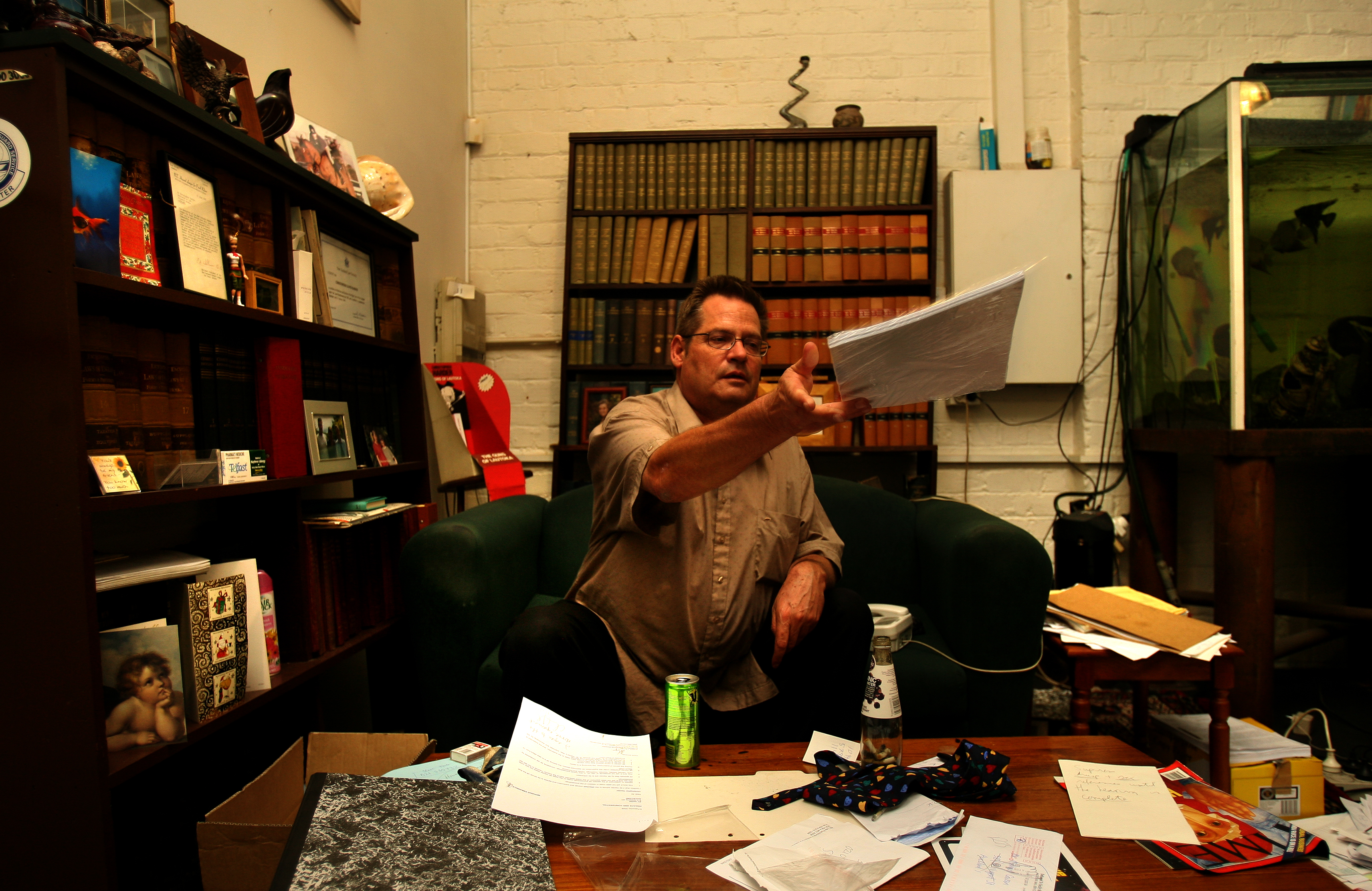
“I had a string of wins and I felt I could walk on legal water. I had confidence. And without blowing smoke up my own arse, I’m the best investigator in the country. I have a natural flair for uncovering that which no one else can uncover.”
There was a certain fame or notoriety, which he liked, just as he liked being courted by and featuring in the media.
“I was the master of one-line comments,” he says.
He’s not so keen these days and needed a lot of convincing to speak for this story.
Harder’s most famous and celebrated case was the eventual successful defence of a murder charge faced by the boyfriend of a teenage dominatrix after her client, Peter Plumley-Walker, was found dead in 1989.
Other high-profile cases in which Harder featured were as a lawyer for one of the nine young people charged with killing pizza delivery worker Michael Choy and the infamous Parnell Panther rape case.
That’s not where it stopped, though. Harder saw himself as advocate to the world. From the Auckland courts, he would hop on a plane to the world’s troublespots looking to insert himself into events of the moment.
He was jailed in Fiji then deported after turning up to defend six men charged with gun running. In 1993, he went to Waco, Texas, in an attempt to negotiate an end to the siege between federal authorities and the cult led by David Koresh which left 86 dead.
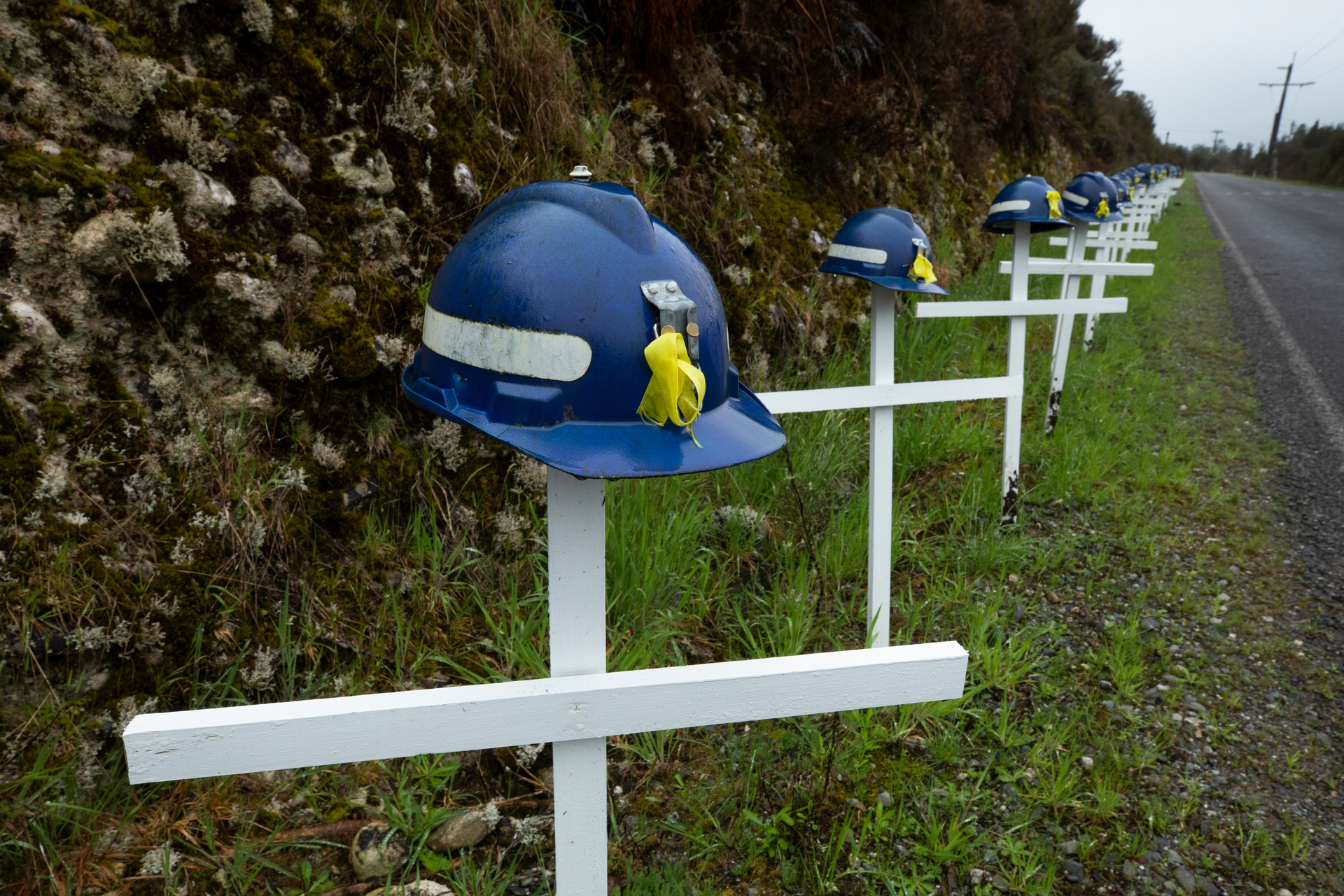
In 1997, Harder went to Peru to negotiate the end to a hostage crisis. He got locked up again for waving a banned photograph of Che Guevara.
Two years later, he was in the Balkans trying to free one of three men held by the Yugoslav government and two years after that flew to Pakistan in a bid to repair relations that threatened to tip the region into war.
It seems extraordinary a criminal defence lawyer in New Zealand would look at the world’s problems and decide he was the fix that was needed.
But, as Harder did every time he stood before a judge, he believed his intervention was exceptional and would make a difference.
In Peru, Harder quoted Che Guevara saying: “When they say it is impossible that means there are 1000 solutions.” When he tells the story of the Balkans intervention, he says: “If I can get an opportunity to speak, I can usually make my point.”
Christopher Harder and the NZ Law Society
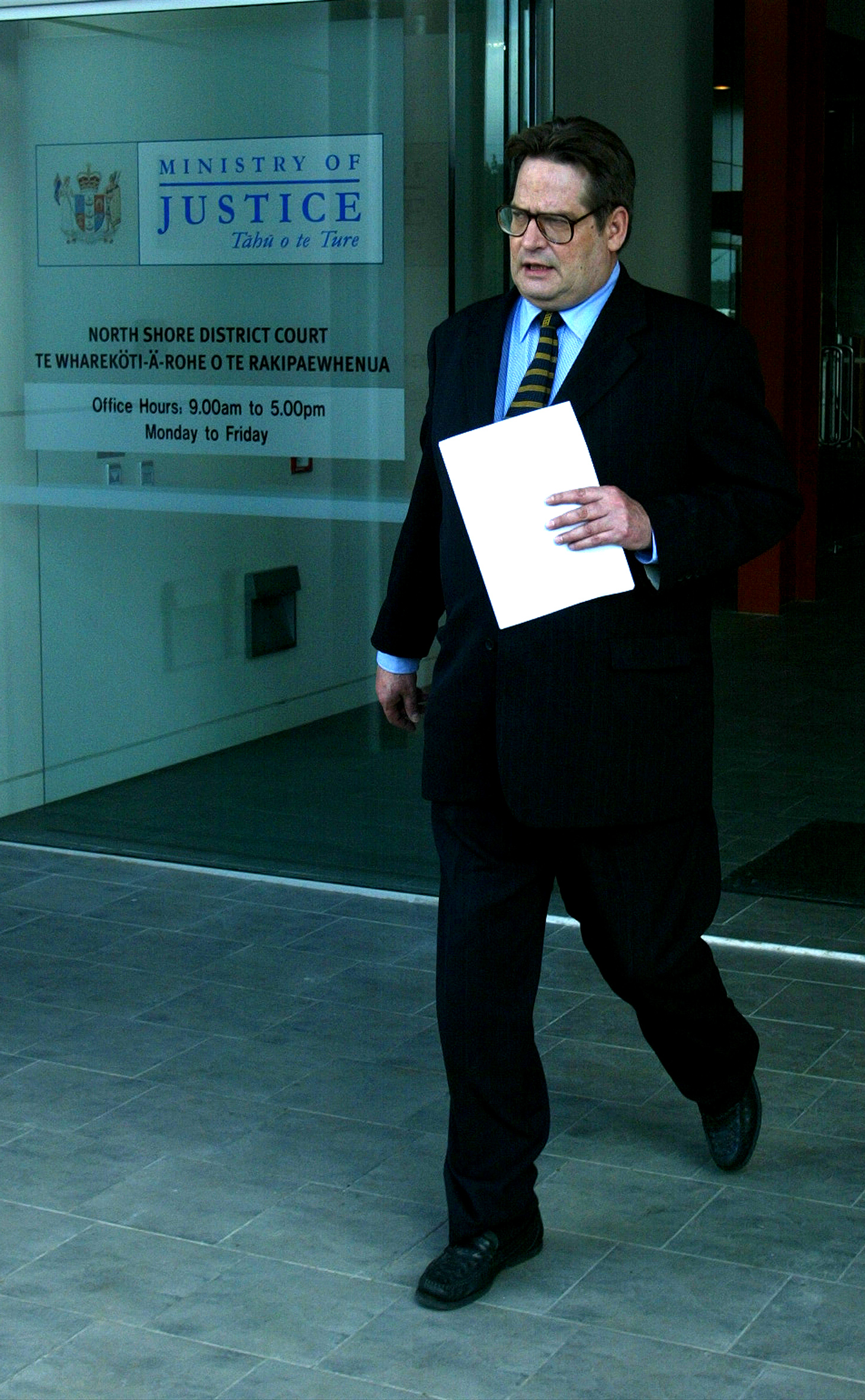
Through all this, Harder’s unorthodoxy rubbed raw against New Zealand’s legal community. His single-minded, obsessive focus on his objectives meant the niceties of legal practice and rules that didn’t make sense weren’t always in his sightline as he charged ahead.
And so, there were complaints to the NZ Law Society.
“There was always a complaint on board.”
There was a hearing after he called a lawyer an “SOB”, failing to convince the tribunal he meant “Silly Old Billy”. He got brought up for not wearing a jacket, for aggressive and hostile behaviour towards a judge, for a punch-up with another lawyer.
As they came again and again, escaping overseas as a self-styled global troubleshooter was a relief.
“That’s what I did every time it got too heavy. I would bolt overseas and try to save the world.
“People would say, ‘why would I do this?’ but it was easier to go overseas than stay and fight the law society. I desperately wanted out of law in 1995 but there was nowhere to go. There was always a complaint live.”
The legal combat was compelling.
“I became addicted to fighting for survival. It just became a contest. My whole career became fighting the law society.”
Self-destructive? “Yes, probably,” he says. As was booze. He hasn’t had a drink since being struck off in 2006.
“I’m sure there were illogical, irrational moments of judgment.”
That last complaint came after Harder took a client to a brothel where he told the man to simulate the sex act he was charged with committing. Harder claimed it was for forensic purposes. The tribunal rejected the defence and he was kicked out of the profession.
“I was no longer the centre of the universe.”
And the adjustment required was crushing.
“When I was in law, I became almost invincible in my head.”
Now, he works as an administrator for lawyer Melanie Coxon and tells callers he can’t offer legal advice. “That’s quite a relief for me because I always felt I needed to show how clever I was.
“I do not have to prove myself to every individual who calls up. It’s a relief I don’t have to be always pumping my unusual problem-solving brain.”
Beating down legal privilege
“He’s been sent to us by God,” says Bernie Monk, whose son Michael died at Pike River.
“Where else could we go? And who could we find to do our case? Who could have paid to do this?”
And what is that case? For Harder, it has focused most intently on getting the release of all the documentation around the $3.4m deal.
To do so, he has used the Official Information Act to try and extract from WorkSafe its legal discussion and advice around the prosecution of Whittall and the $3.4m that followed. “Legal privilege” is one of the OIAs most sacred grounds for withholding information, requiring an exceptional level of “public interest” to dislodge.
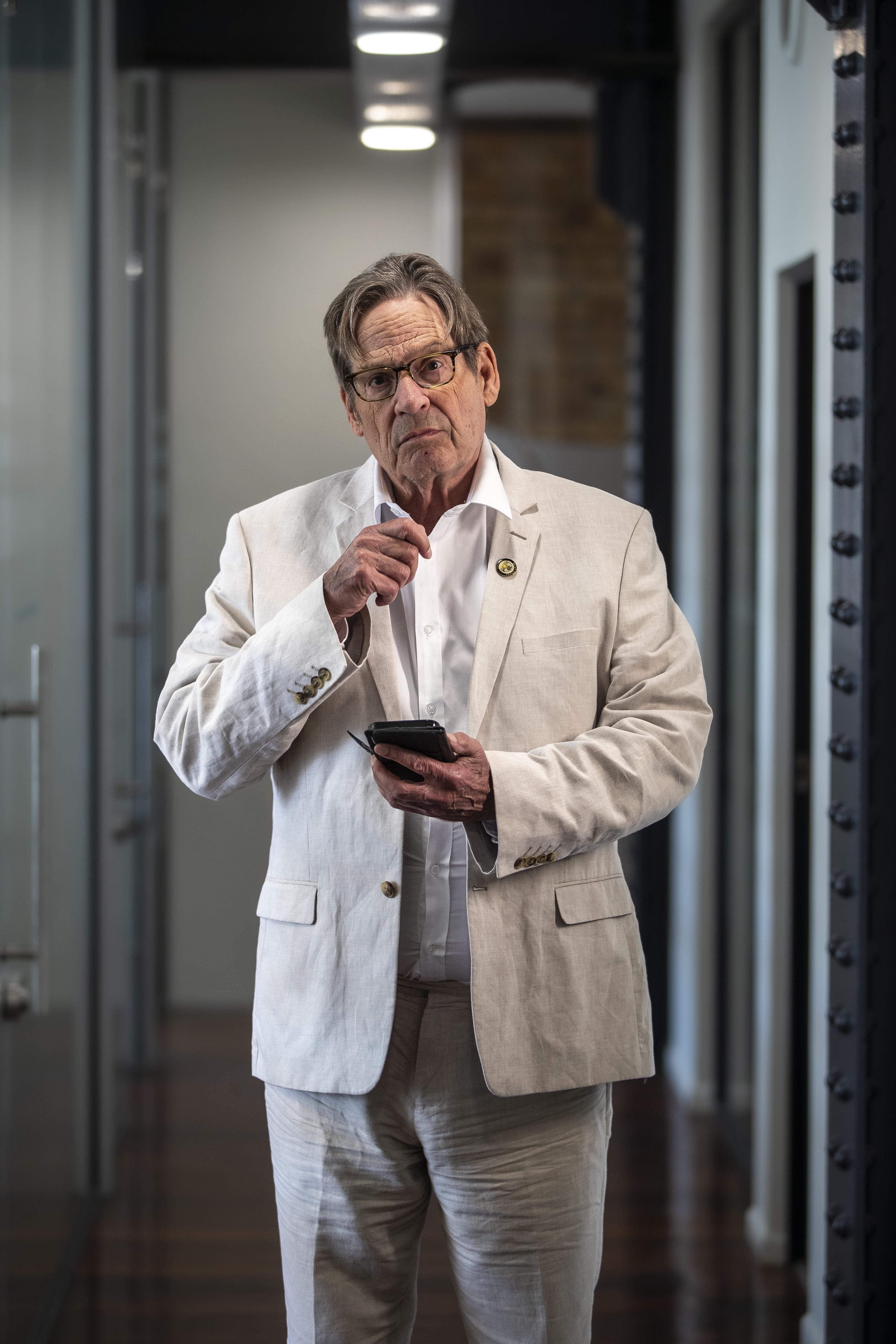
Harder appealed to the Office of the Ombudsman. He didn’t just write a complaint but provided an hours-long video exposition, clad in his classic linen suit and speaking from a pulpit. He engaged others along the way, including Leo Donnelly, a former Ombudsman and OIA expert.
And when the Office of the Ombudsman didn’t provide the answer he believed it should, he went to the High Court. It was there Justice Mallon ruled that much of what was withheld should be released. She did so in part because Dunbar and Monk supported the bid, but also because Harder had winkled out some of the withheld material.
“The problem with a partial disclosure is that it can potentially give a wrong or misleading impression about what has not been disclosed,” she said.
“Transparency is in the interests of justice as, without it, there is scope for false speculation and misunderstanding. Such speculation and misunderstanding can undermine confidence in the administration of justice.”
Harder did not celebrate what he had won. Instead, he redoubled efforts through the court - and to the Ombudsman - to draw from WorkSafe and the Crown Law Office more details or to highlight the absence of information.
We know from the 2017 Supreme Court judgment that ruled the deal unlawful that it was put together by Whittall’s lawyer, Stuart Grieve KC, and now-former Crown lawyer Brent Stanaway.
Grieve had pointed out how thin the case was against Whittall. Stanaway was willing to consider a plea in which the former mine manager pleaded guilty to at least one charge before there was talk of money.
The pitch was that the $3.4m was available to be spent on Whittall’s legal defence. Instead, it was suggested, it could be paid directly to the families of those who had lost people in the mine.
In December 2013, instead of Whittall facing charges in the Christchurch District Court, a bank cheque for $3.41m was produced. WorkSafe offered no evidence against Whittall, effectively collapsing its case.
‘Blood money’
Monk recalled learning of the proposed payment that evening before it was made public.
“I wasn’t comfortable with it. We never even got a say.”
The money was just “plonked” into their bank accounts, which had previously been provided for dispersing publicly raised funds, he said.
Instead of seeing Whittall facing charges in court, Monk watched the case slide away as money stepped forward. Some, he said, called it “blood money”.
“Where did the money come from?” he asked. And if you don’t know who paid the money - exactly who paid the money - then how does it serve accountability?
There is an ongoing police investigation into whether there are criminal charges that should be laid in relation to the disaster. The search warrant application cited manslaughter and criminal nuisance as potential offences.
There have also been boreholes drilled into the mine through which cameras have been lowered. Not only has this work located some of the 29 bodies in the mine, it has gathered evidence. More evidence has been gathered through police interviews.
Harder, in his own inquiry, estimated to the High Court in July 2023 he had invested 4200 unpaid hours into his inquiries - almost a half-year, non-stop, without a break.
There has been OIA and court work but Harder has also burned up the phones looking for evidence to connect speculative answers. He’s chased a vast array of people and it would appear he has some success. Justice Mallon’s judgment made reference to him receiving sensitive documents from “legitimate sources and unclear ones”.
In Harder’s view, those who hold the answers are not people who want to be approached.
“If you engage with me and I have your undivided attention, I will make my point. But with Pike River, I can’t get anyone to engage.”
For Monk, it sometimes feels as if the world has moved on. He’s on his fifth police commissioner and sixth Prime Minister since the disaster.
“I’ve moved forward but I cannot move on until the truth is out.”
Monk reckons Harder became “hooked” on the disaster set in when he travelled to the West Coast, and then onwards to Pike River with the families of the killed miners.
“It was a very moving occasion.”
Harder tells of receiving a call after Justice Mallon’s judgment from Dean Dunbar, whose son Joseph was killed aged 17 at the mine on his first day at work.
“He just had this joy in his voice. That was the richest moment. It brought tears to my eyes … he has suffered more than any person I have ever come across. I’ve never seen people suffer so much from the death of their children. "
The endpoint is accountability, said Harder, but it is also getting the bodies of those who died out of Pike River mine.
He’s sure that once the dominos start falling, that is where they end. And he’s utterly convinced he will get there.
“I’m not as good as I once was but I’m as good once as I ever was.”
David Fisher is based in Northland and has worked as a journalist for more than 30 years, winning multiple journalism awards including being twice named Reporter of the Year and being selected as one of a small number of Wolfson Press Fellows to Wolfson College, Cambridge. He first joined the Herald in 2004.