David Seymour prepares to take the reins as Iran crisis drags into third week – Thomas Coughlan
THE FACTS
New Zealand will get a new Prime Minister this weekend, although it’s not quite the change speculated last week.
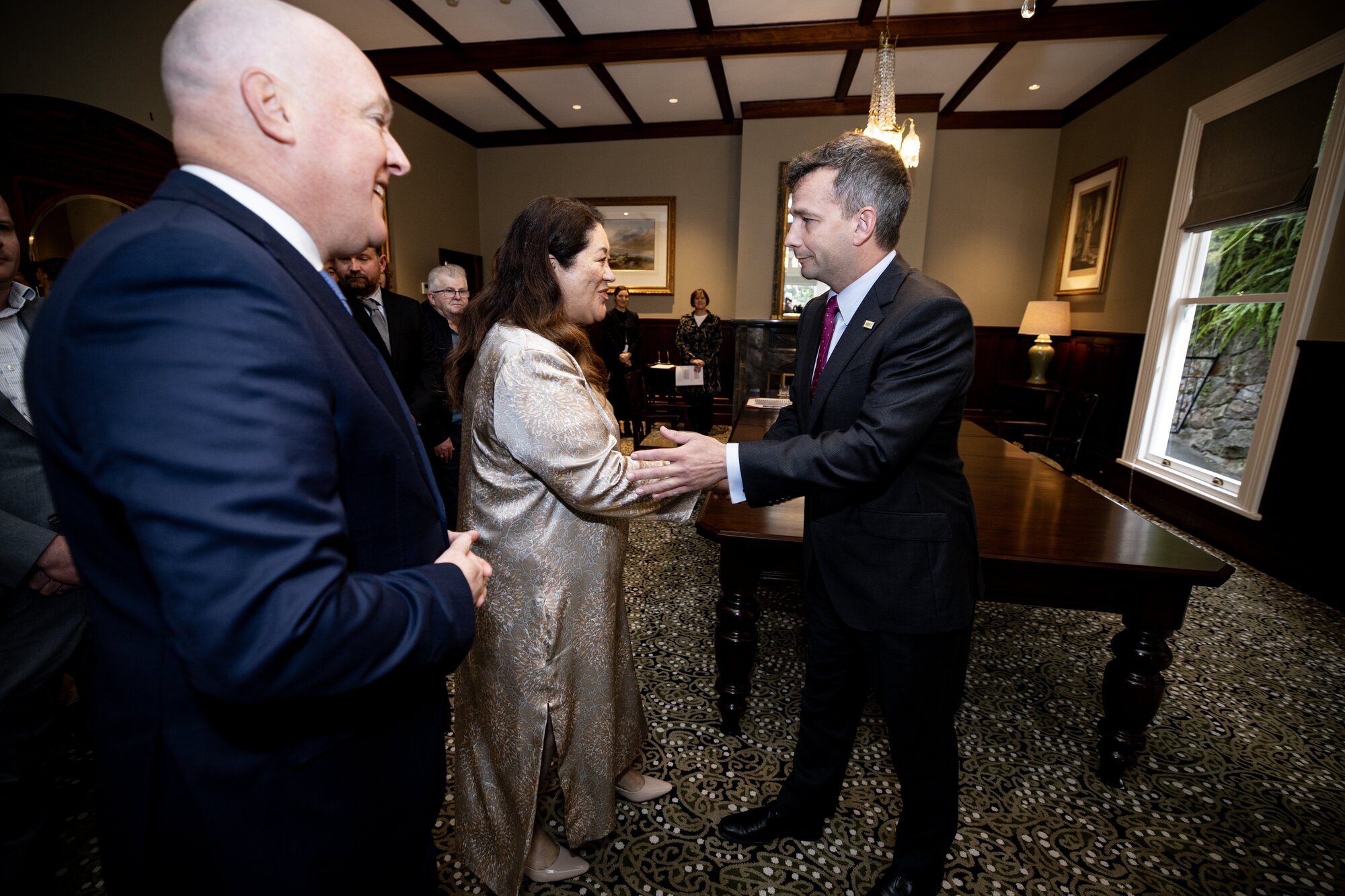
With Christopher Luxon off to Samoa on Sunday night, his deputy, Act leader David Seymour, will take the reins, stepping up as Acting Prime Minister until Luxon returns later in the week.
It’s not a terrible time for Act. Polls have the party slightly lower than the 8.6% notched up on election night, a slight decline, but nothing like the one experienced by National, which has lost more than a quarter of its support.
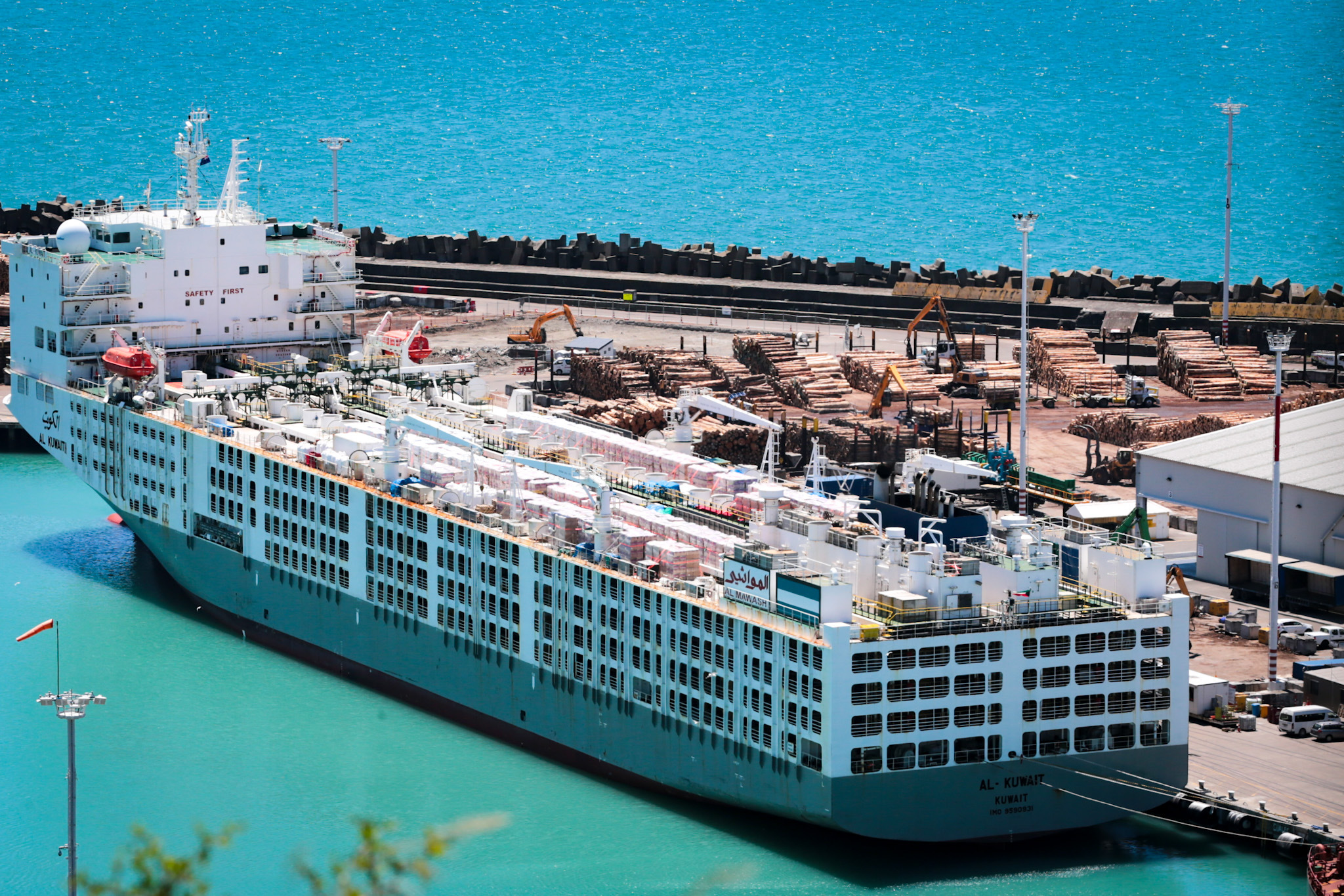
The party swallowed a significant dead rat this week, compromising on a plan to reinstate live animal exports. The compromise is significant because rolling back the live export ban was included in Act’s coalition agreement, a document that has a quasi-constitutional status in the Government.
National, despite campaigning on overturning the ban itself, got cold feet. Feedback from Auckland, apparently coming from Erica Stanford, is that the policy was wildly unpopular amongst the urban voters that National is losing to Labour. National panicked and withdrew support (NZ First seems not to have cared much either way).
But because of the deal’s inclusion in the coalition agreement, Act can gain concessions of its own. The Herald understands these are also in the primary sector area.
Concessions could have something to do with the controversial Te Mana o te Wai water regulations, loathed by much of rural New Zealand. Put in place by the last National Government with support from the Māori Party, and accompanied by a “Te Mana o te Wai fund”, the rules were uncontroversial until they were swept up in the angst over Labour’s Three Waters plan.
National and Act already watered down their power in an RMA reform law introduced in 2024, but other aspects remain in force.
Act has something more retail up its sleeve too. Prediction markets have been dead in New Zealand since Simon Bridges forced Victoria University of Wellington’s iPredict to close, citing money-laundering concerns in 2016.
In subsequent years, similar firms Polymarket and Kalshi have proved the popularity of retail prediction markets in other markets, mainly the United States. Neither firm can operate here, with the Department of Internal Affairs arguing they fall foul of the regulations contained in our Gambling and Racing statutes. Act and the responsible minister, Brooke van Velden, are pondering change.
NZ First is less busy on the policy front. Foreign Minister Winston Peters has defied speculation he’d spend the second half of the term travelling less than the first (although this has fuelled further speculation he might not put his hand up for the foreign affairs portfolio if in Government after the election).
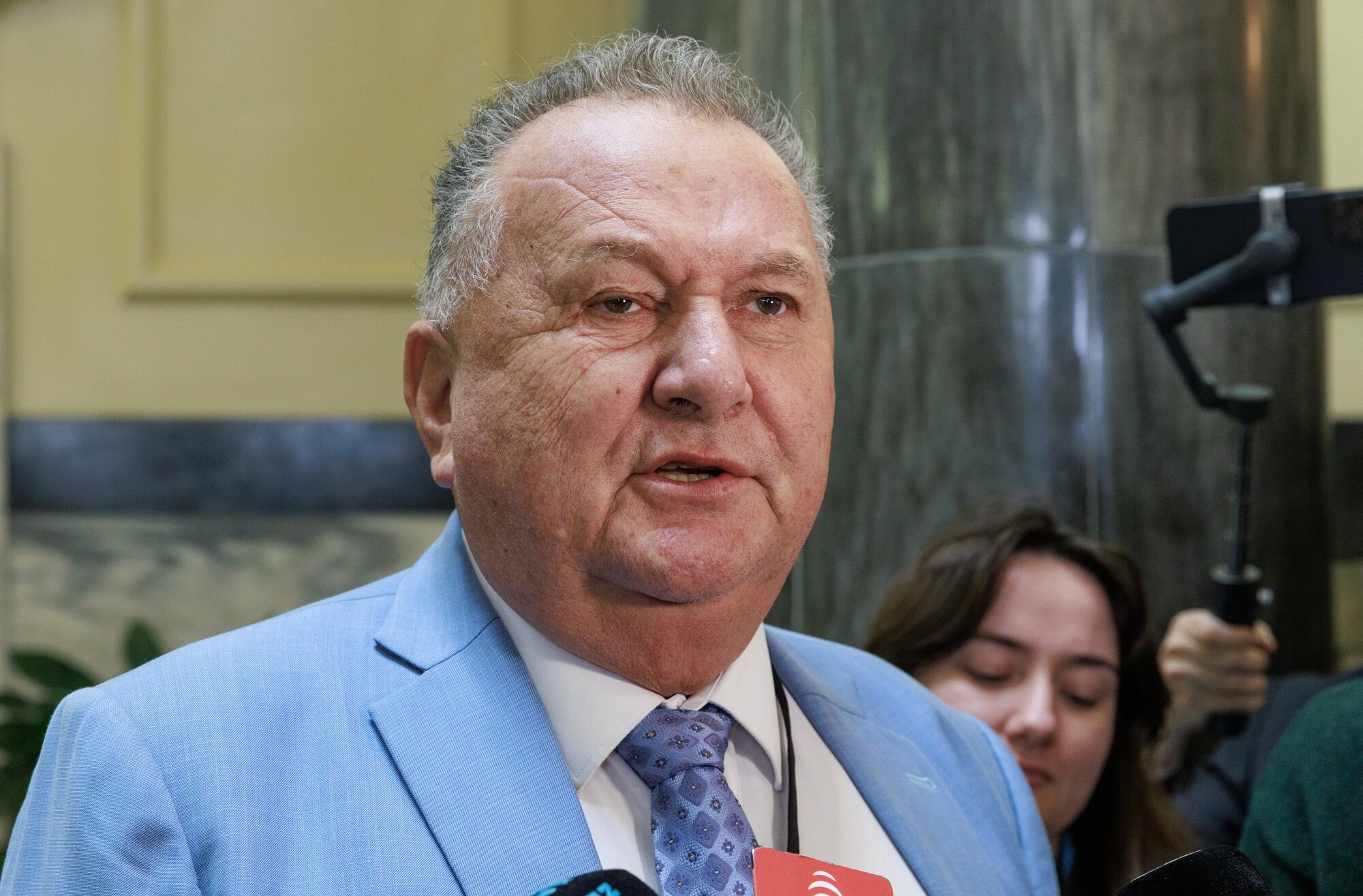
His deputy, Shane Jones, has pushed himself into the centre of the response to the energy crisis unleashed by the Iran war. A member of the ministerial group chaired by Nicola Willis, Jones’ name was on the press release that emerged from the group’s first meeting on Wednesday evening.
The group is meeting daily, presenting Willis with situation reports (“Sit Reps” in the argot) of the latest developments. So far, the big concern is getting the latest from importers about whether they’re able to source fuel from elsewhere to bring to New Zealand.
In the event a shipment is cancelled, diverted, or brings in reduced volume, the Government wants to know. So far, the main issue is price, not actually supply, as is feared.
The other big issue is fertiliser. New Zealand has enough onshore to last through the autumn, but will need more shipments in winter.
This is a good crisis for NZ First, highlighting as it does the value of self-reliance. Jones marched down to the House on Thursday with one of Energy Minister Megan Woods’ 2021 Cabinet papers on the closure of the Marsden Point oil refinery. The paper pondered an underwrite to keep the refinery open in the interest of hedging against a major oil shock. Woods deemed the risk of such a shock in the next 10-15 years “low”. Sadly, that confidence was misplaced, and the Government has weathered not one but two energy shocks in the five years since.
It was left to a rather unusual alliance of Seymour and Labour leader Chris Hipkins to stick up for the 2021 decision to allow the closure (the refinery was owned by a private business, with a right to open or close as it wished).
To quote a recent foreign policy assessment from the Ministry of Foreign Affairs and Trade, we are seeing a shift from efficiency to resilience, and our politics is following that shift.
New Zealand can no longer rely on international markets to deliver us these staples regularly, efficiently, and cheaply, but the pivot away from neoliberal “just in time” thinking is being made in something of an information vacuum.
The cost to build serious domestic energy resilience would be enormous. Policymakers need to trade this cost off against the insecure but usually cheap supply chains we currently use. It’s no sure bet that expensive resilience (which would be a lot cheaper than outright self-sufficiency) would come out on top.
An analogy is the policy Labour looked at under the last Government, which was to move the country’s electricity generation to 100% renewable by 2035. Labour asked a working group back in 2019 to look at what this would cost and was cautioned against the policy by experts who described it as “very costly” and warned it would raise household bills by 14% and industrial bills by 39%.
This was compared against a business-as-usual case of getting to 93% renewables, which would have resulted in residential bills falling by 2% and industrial ones rising by 6%.
The advice was more than ignored. Prime Minister Dame Jacinda Ardern campaigned on bringing forward the target from 2035 to 2030. Electricity prices began rising in Labour’s second term, and haven’t seriously come down since, despite the target being dropped.
Why is it so expensive to get to 100%? Because to build the redundancy New Zealand currently gets from other, mainly imported fuel sources requires “overbuilding”, which is very expensive. That’s not to say it’s not a good idea, but permanently increasing household bills and aggressively increasing industrial cost inputs isn’t obviously cheaper than weathering occasional price spikes.
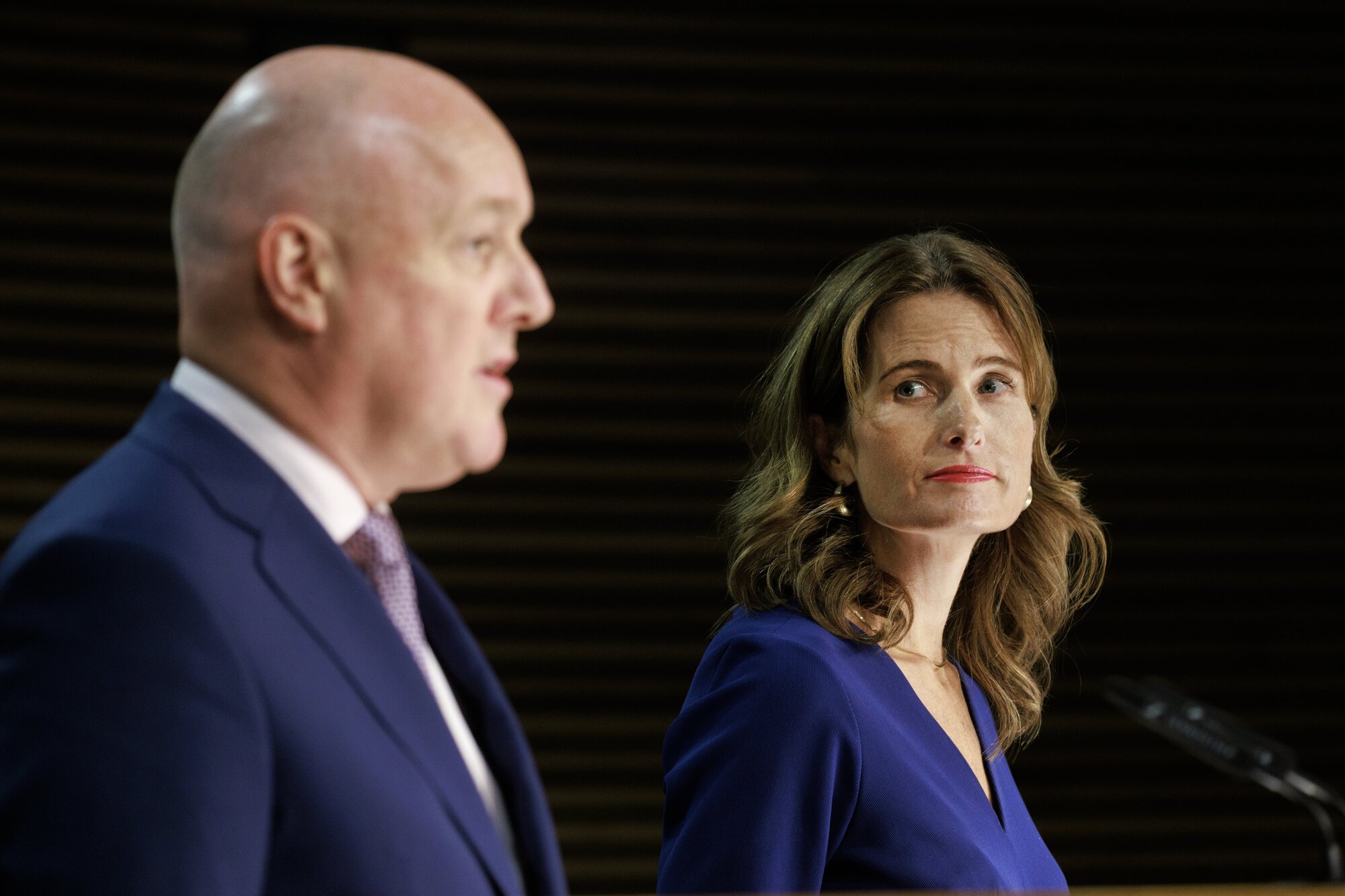
Labour’s had a good week, mainly because the Government, and in particular National, has had a bad one. But Hipkins found himself in a corner during his media stand-up on Monday as he laid partial blame for the likely closure of Watties’ plants on the current Government, but avoided responsibility for the Marsden Point Refinery under Labour.
Hipkins was also asked about his jobs policy, which is at the forefront of Labour’s “jobs, health, homes” mantra. He replied citing Labour’s capital gains tax, which will, he said, encourage investment in productive parts of the economy, and its Future Fund, which will use dividends from state-owned enterprises to buy stakes in growing firms.
While both may be marginally net-positive in terms of their impact on jobs in the years to come, neither would be likely to lead to a serious uptick in employment any time soon. In the case of the Future Fund, Labour hasn’t yet decided which state-owned enterprises will go into it (Hipkins said the party will finalise its energy policy, which will determine the fate of the part-privatised gentailers, first).
The challenge is that while Labour says it’s running on jobs, its current fixes are a tax on a minority of houses and a fund with nothing in it.
That’s because Labour’s real jobs policy is to do Luxon out of one. This coincidentally is its health, homes, and affordability policy too. The party plans to campaign on a tiny number of policies this year, a strategy that could well work if the thrust of Labour’s campaign is directed at unseating the historically unpopular Prime Minister.
It’s a risky bet, especially if Luxon goes before the election (something at least some in Labour are keen to avoid: the party’s internals, showing National in a position to win back power, were leaked after last Friday’s dire Curia poll, leading to some speculation that Labour is trying to keep Luxon in post).
Luxon has been fairly invisible this week. Last year, he scaled down his Tuesday media appearances. Though it’s normal for a Prime Minister to leave Parliament on a Thursday, he’ll occasionally skip a national media engagement. While he usually pops up on a Sunday to catch the powerful evening TV news bulletin, this isn’t a sure bet either, meaning Luxon can occasionally go without significant national media visibility for four days – a level of reclusiveness unthinkable for previous Prime Ministers.
One of the remarkable things about the response to the Iran crisis this week is how much it’s been fronted by Willis and Jones, rather than Luxon.
Luxon has been wounded by last week’s rumbles. Only he knows whether he was actually considering his future on Friday morning, but the fact remains, a good number of his party thought he was, creating a power vacuum that lasted until just before he went on the radio to hose the rumours down.
He’s something like the subprime mortgage of the New Zealand political system. An entire self-reinforcing structure has been built around him. Labour has built an entire strategy aimed at his weakness, rather than National’s; NZ First and Act are riding high thanks to the fact that National is a ship that’s going down with its captain.
It’s a risky bet for all of them. Luxon’s not just at the centre of National’s plans, he’s at the centre of everyone else’s too. If he goes, it won’t just be National that’s left scrambling.